
- 科目一考试
- 顺序练习
- 随机练习
- 强化练习
- 模拟考试
- 科目四考试
- 顺序练习
- 随机练习
- 强化练习
- 模拟考试
- 外国语言版题库
- 英语题库
- 德语题库
- 韩语题库
- 日语题库
- 俄语题库
- 法语题库
- 西班牙语题库
- 阿拉伯语题库
- 摩托车英文题
天津2025英文驾考PDF题库
-
1、When a bus encounters an unexpected situation or an accident, the driver should do his best to minimize the loss and should never cause a secondary accident or even greater loss for the sake of avoiding danger.
Answer:Y
2、What caused this drivers death in an accident?
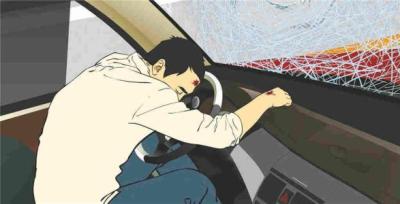
A、Failing to fasten seatbelt
B、Positioned too close to the steering wheel
C、Failing to hold the steering wheel
D、Failing to turn on SRS
Answer:A
3、What should the driver do when seeing these hand signals?
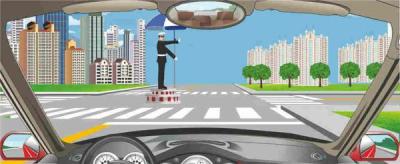
A、Go straight and pass through the intersection
B、Pull over
C、Drive to the waiting area for turning left
D、Turn right at the intersection
Answer:D
4、The sign on the right warns of a ferry crossing 100 meters after turning right at the intersection ahead.
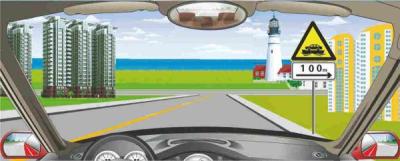
Answer:Y
5、When the motor vehicle stops on an uphill section, how should the driver use the foot brake?
A、Earlier than on a level road
B、Later than on a level road
C、As timely as on a level road
D、Strongly depress the foot brake pedal
Answer:B
6、The sign on the right warns of a one-way tunnel ahead.
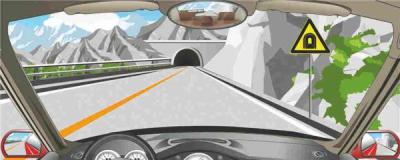
Answer:N
7、The sign on the right indicates a T-shaped intersection head.
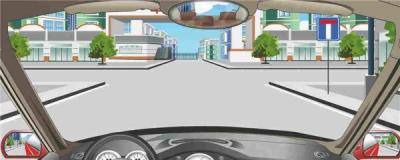
Answer:N
8、The sign on the right warns of an uneven road ahead.
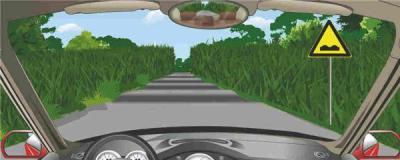
Answer:Y
9、The sign in front indicates a one-kilometer distance from the highway entry.
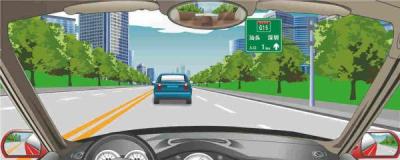
Answer:Y
10、The motor vehicle should stop on the right and wait in this situation.
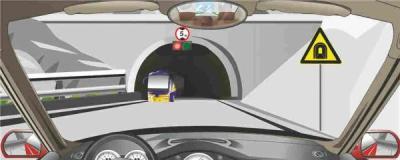
Answer:Y
11、Motor vehicles are prohibited from stopping on the ramp of an expressway.
Answer:Y
12、The sign on the left indicates the destinations of two highway directions
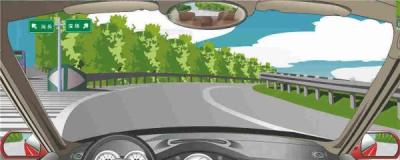
Answer:Y
13、Drivers may turn right at the intersection when traffic police give these hand signals.
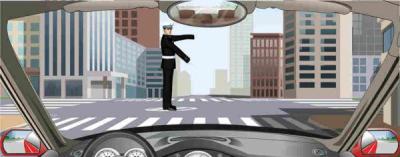
Answer:Y
14、The sign on the right indicates that no restriction for temporary parking.
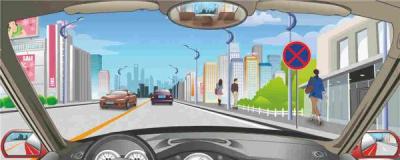
Answer:N
15、It is correct for the driver to drive on an expressway in the way shown in the flash.
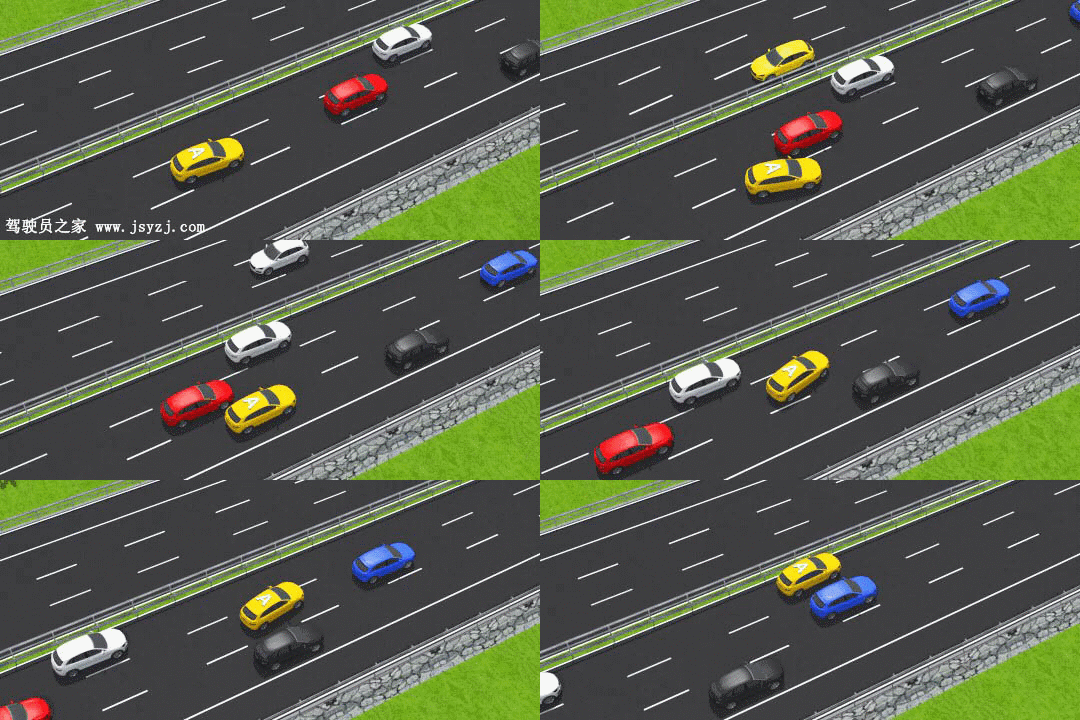
Answer:N
16、The sign on the right side indicates no entry for all vehicles.
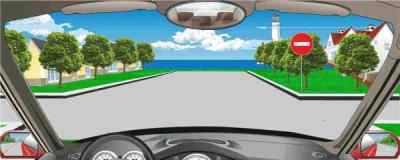
Answer:Y
17、When driving, besides paying attention to keeping a safe distance from the vehicle in front, drivers should also be prudent when braking so as to avoid a rear-end collision caused by a vehicle behind.
Answer:Y
18、When passing another vehicle on a foggy day, what should drivers do?
A、Slow down and pass slowly
B、Maintain a safety distance
C、Properly use lamps
D、Drive at a high speed
Answer:ABC
19、When encountering such a situation, the motor vehicle driver should change to the left lane rapidly.
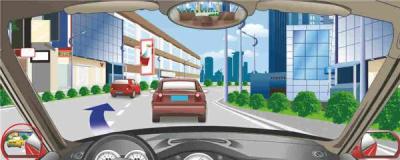
Answer:N
20、When a motor vehicle falls into water and the side door cannot be opened, which of the following methods is correct for self-rescue?
A、Smash the window glass
B、Close the windows
C、Make calls for help
D、Try to open the door with a tool
Answer:A
21、When a wounded person suffering burns is thirsty, he should only drink plain boiled water.
Answer:N
22、The sign on the right indicates that the speed limit of 40km/hour is lifted on the road ahead.
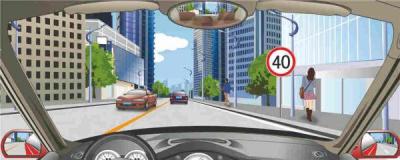
Answer:N
23、The sign in front indicates a one-way lane after turning right.
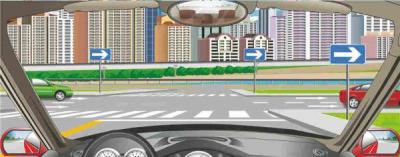
Answer:Y
24、Mr. Zou drove a large sleeper coach (capacity 35 people and carrying 47 passengers). At the spot of 938 kilometers of the Jinggang'ao Expressway, large amounts of dangerous chemicals in the coach blew up, killing 41 people and injuring 6. What are the main illegal acts in this case?
A、Carrying more passengers than permitted
B、Passengers carried flammable and explosive substances
C、Speeding
D、Illegal parking
Answer:AB
25、If a motor vehicle has an accident on a foggy day and stops on an expressway, which of the following acts is dangerous?
A、Leaving the motor vehicle as soon as possible
B、Standing outside the guardrail as much as possible
C、Turning on the hazard lamp and fog lamp
D、Placing a warning sign behind the vehicle in the oncoming direction
Answer:D
26、When braking, side skid or tail swing may occur if the rear wheels are blocked.
Answer:Y
27、The guide arrow on the road surface of this lane indicates that there is an intersection on the right side of the road.
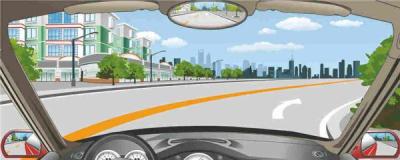
Answer:N
28、what should motor vehicle drivers do under the circumstances shown in the flash?
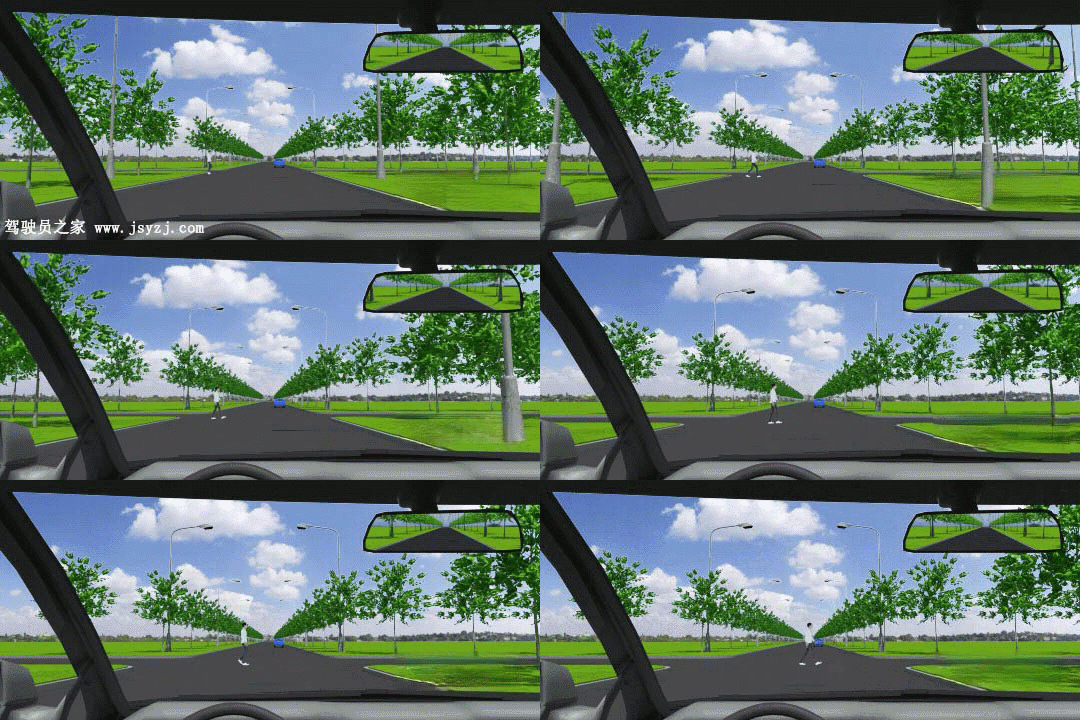
A、Reduce speed or stop to yield
B、Sound the horn to warn the pedestrians to yield
C、Pass before the pedestrians
D、Immediately change to another lane to bypass the pedestrians
Answer:A
29、The sign on the right warns of traffic signals ahead.
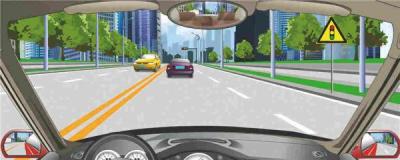
Answer:Y
30、When driving in a strong wind, drivers should abruptly turn the steering wheel to return to the original direction if they feel the vehicle deviates horizontally due to a strong gale.
Answer:N
31、When driving on a muddy road, what should the driver do?
A、Try to avoid using the foot brake
B、Drive slowly in mid or low gear
C、Firmly hold the steering wheel
D、Speed up and pass through
Answer:ABC
32、When encountering such pedestrians, what should motor vehicle drivers do?
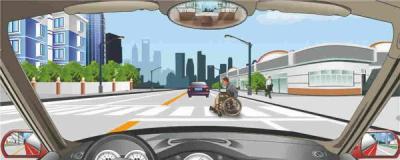
A、Bypass in front of the pedestrians
B、Bypass from behind the pedestrians
C、Sound the horn to alert the pedestrians
D、Voluntarily stop and yield
Answer:D
33、The area in the yellow rectangle markings on the right side of the road indicates that temporary stopping is permitted here.
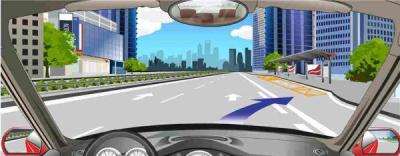
Answer:N
34、The driver should take emergency evasion measures when the motor vehicle suddenly self-ignites. Which ones of the following methods are correct?
A、Spray clean water to extinguish the fire
B、Report to the police
C、Use the spare fire extinguisher in the vehicle to put out the fire
D、Set up a warning sign in the oncoming direction
Answer:BCD
35、When driving on a road covered with ice and snow, the motor vehicle may spin or slide when increasing the speed urgently, due to the loss of vehicle stability.
Answer:Y
36、Drivers should drive at a lower speed when traffic police give these hand signals.
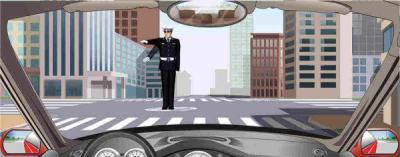
Answer:Y
37、Drivers may turn left when traffic police give these hand signals.
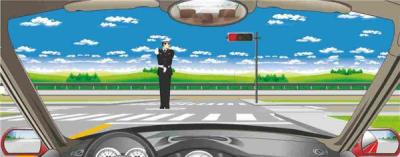
Answer:N
38、Under such circumstances, what should motor vehicle drivers do?
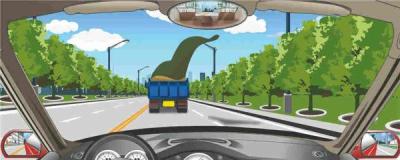
A、Follow the vehicle closely
B、Overtake the vehicle quickly on its left
C、Keep a long braking distance
D、Overtake the vehicle quickly on its right
Answer:C
39、As shown in the flash, what should the motor vehicle driver do when encountering this situation?

A、Reserve a safe crosswise distance and cut speed
B、Keep a normal speed
C、Use the emergency brake when approaching
D、Speed up and pass rapidly
Answer:A
40、What should the driver do when he/she encounters an oncoming ambulance in the same lane?
A、Keep to the side and reduce speed or stop to yield
B、Drive ahead by occupying another lane
C、Yield by speeding up and changing lanes
D、Drive ahead in the original lane
Answer:A
41、Which is the wrong measure to avoid tire burst?
A、Reduce tire pressure
B、Check tires regularly
C、Remove foreign matters from the tire tread grooves timely
D、Replace tires that have cracks or deep cuts
Answer:A
42、On a mountain road, what should the driver do in this situation?
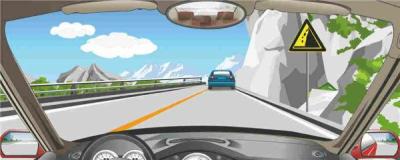
A、Drive on the left and speed up to bypass
B、Stop to observe and pass slowly
C、Observe closely and pass as soon as possible
D、Sound the horn several times and pass slowly
Answer:C
43、When driving on an expressway in rain, the driver should slow down to avoid steering failure arising from "water slide"
Answer:Y
44、Drivers neednt yield to pedestrians who display such behavior.
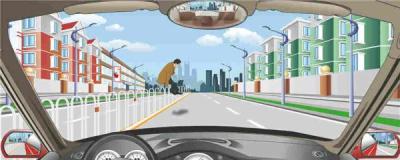
Answer:N
45、In this situation, motor vehicles are permitted to stop temporarily at bus stations.
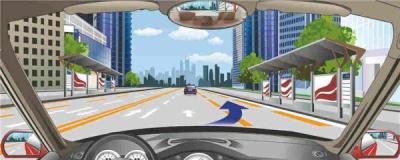
Answer:N
46、When driving on a long downhill road, which is the best way to control driving speed?
A、Coast in neutral gear
B、Depress the clutch and coast
C、Use the engine to brake
D、Depress the brake pedal continuously
Answer:C
47、When driving on a road covered with ice and snow drivers should not use the emergency brake but can apply a sharp turn.
Answer:N
48、The white solid line on the right side of the road indicates the boundary of a driving lane and crosswalk.
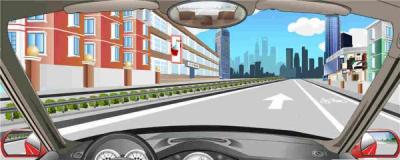
Answer:N
49、When entering an expressway ramp, which of the following statements is correct?
A、Drivers are allowed to overtake other vehicles
B、Drivers are prohibited from making U-turns
C、Drivers are allowed to stop
D、Drivers are allowed to reverse
Answer:B
50、The sign above the tunnel indicates a height limit of 3.5 meters on the road ahead.
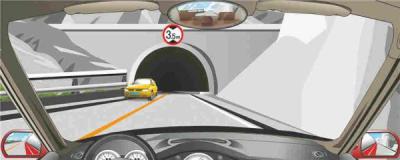
Answer:Y
- 天津2025英文驾考PDF题库 相关内容
- 云南科目四有英文版吗 英文驾考题库PDF电子版 陕西英文驾考科目四app 广东科目四英文版模拟 陕西驾照考试科目四英文版 湖北英文驾考科目4 四川外国人考科目四 英文 湖南英文驾考书 贵州英文驾考科目四app 宁夏英文版考驾照 安徽驾考科目四英语版书 外国籍考驾照要多久 山东驾考科目一英语 湖北英文驾考app 新疆科目四英文版模拟 山东2025科目四英文版
Copyright © 2025 驾考 版权所有