
- 科目一考试
- 顺序练习
- 随机练习
- 强化练习
- 模拟考试
- 科目四考试
- 顺序练习
- 随机练习
- 强化练习
- 模拟考试
- 外国语言版题库
- 英语题库
- 德语题库
- 韩语题库
- 日语题库
- 俄语题库
- 法语题库
- 西班牙语题库
- 阿拉伯语题库
- 摩托车英文题
山西科目四英文版
-
1、When encountering a road like this, motor vehicle drivers should downshift in advance to maintain the dynamic of the motor vehicle.
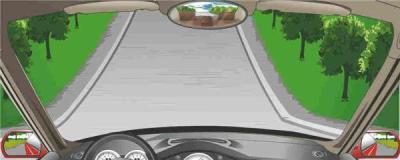
Answer:Y
2、When encountering this situation on a mountainous road, motor vehicle drivers should overtake the vehicle in front by speeding up.
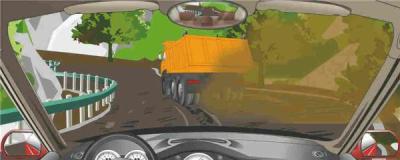
Answer:N
3、Two parallel broken double-yellow lines indicate the position of a diversion lane.
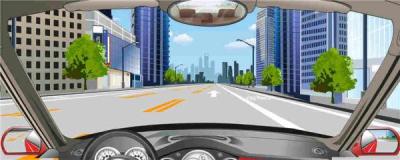
Answer:Y
4、When a motor vehicle reaches a muddy or burst-and-muddy section of the road, the driver should stop, observe and select a level and solid section or a section with vehicle tracks.
Answer:Y
5、When braking failure happens to a fast-moving motor vehicle, what should be done by the driver to brake?
A、Continuously depressing the brake pedal
B、Immediately changing to a low gear to reduce speed and using the handbrake
C、Swiftly depressing the clutch pedal
D、Swiftly pulling up the handbrake
Answer:B
6、When driving on road sections where safe sight distance is affected, such as the top of a ramp, what should drivers do to ensure safety?
A、Rush through
B、Use hazard lamp
C、Cut speed and sound the horn
D、Drive at will
Answer:C
7、When a motor vehicle catches fire, the driver should swiftly turn off the engine and open the hood to extinguish the fire.
Answer:N
8、When a motor vehicle passes over an overflowing bridge, what should the driver do after stopping and observing closely?
A、Change to a high gear and pass rapidly
B、Constantly observe the changes of the flow
C、Prepare to stop at any time
D、Change to a low gear and pass through at a constant speed
Answer:D
9、Motor vehicle drivers may reverse at an intersection.
Answer:N
10、As shown in the flash, when overtaking a vehicle in front, the driver should make the horizontal distance as large as possible and may cross the solid line if necessary.
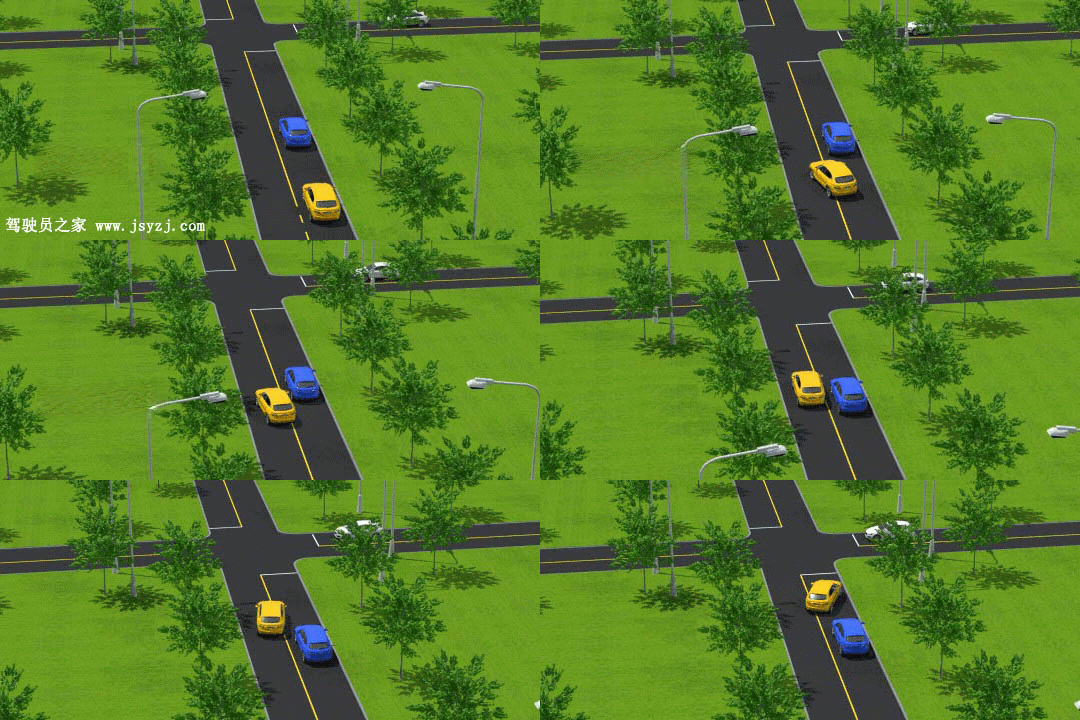
Answer:N
11、vehicles may stop temporarily in this area.
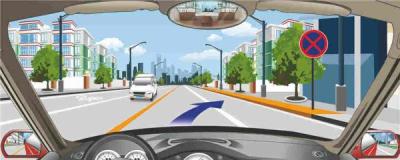
Answer:N
12、Unless stopping due to obstacles or vehicle breakdown on an expressway, motor vehicles are not allowed to stop to pick up or drop off people or load and unload cargo.
Answer:Y
13、It is a bad habit for a driver to put his left arm on the window of the vehicle or hold the gear lever in his right hand for a long time.
Answer:Y
14、The motor vehicle should slow down and pass slowly in this situation.
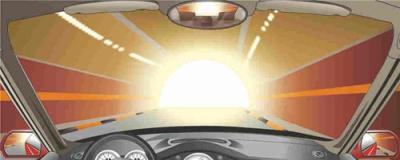
Answer:Y
15、What should be taken note of by drivers in this situation?
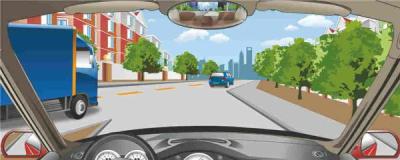
A、he motor vehicle(s)on the left side
B、The motor vehicle(s) on the right side
C、The motor vehicle(s) behind
D、The motor vehicle(s)in front
Answer:A
16、When rescuing a wounded person suffering from bone fracture, which of the following should be kept in mind?
A、Immediately send him/her to the hospital on a stretcher
B、Properly change the original posture when the injured person wounded
C、Dress the fracture with a bandage
D、Do not move the fractured body-part
Answer:D
17、The sign on the right warns of an unguarded railway intersection ahead.
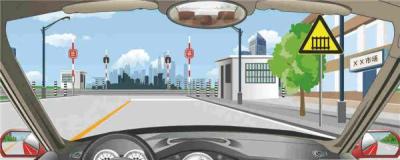
Answer:N
18、When driving on an expressway, what should the driver do if he/she has missed an exit but the next exit is far away?
A、Reverse along the road shoulder
B、Continue on
C、Stop immediately
D、Make a U-turn at the current location
Answer:B
19、Motor vehicles can turn right when driving into an intersection with this traffic signal.
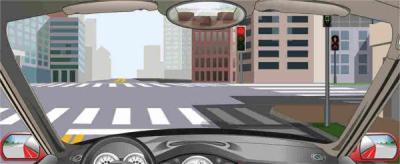
Answer:Y
20、When parking temporarily in this situation, motor vehicle drivers are allowed to turn the steering wheel right to avoid sliding.
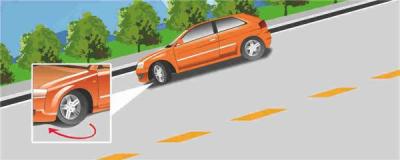
Answer:Y
21、When a motor vehicle leaves an expressway, which of the following lamp should be turned on?
A、The left-turn indicator
B、The right-turn indicator
C、The hazard warning lamp
D、The headlamp
Answer:B
22、When steering failure happens to a fast moving motor vehicle, what should the driver do?
A、Apply emergency braking
B、mmediately change to a low gear
C、Reasonably use the driving brake and the stopping brake and refrain from applying emergency braking
D、Turn on the hazard lamps
Answer:BCD
23、Motor vehicles on this kind of road are only allowed to overtake the vehicle in front from left.
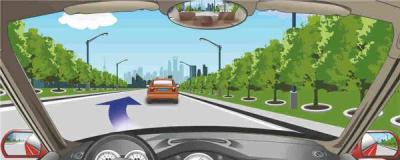
Answer:Y
24、Which of the following method is correct to rescue an unconscious person?
A、Apply cardio-pulmonaryresuscitation immediately
B、Press the philtrum of the wounded person with force
C、Continuously slap the face of the wounded person
D、Check the breath of the wounded person before other emergency treatments
Answer:D
25、It is an illegal act for the driver to make calls while driving.
Answer:Y
26、When the tire pressure is too low, what can happen when driving at a high speed?
A、Tire pressure will be unstable
B、Tire pressure will increase
C、Driving resistance will decrease
D、The tire will burst
Answer:D
27、When driving a motor vehicle equipped with power steering, the driver should firmly hold the steering wheel and drive slowly if he/she suddenly finds that steering is difficult.
Answer:N
28、The stop-and-yield line at the intersection ahead indicates that vehicle drivers should reduce speed and give the right of way to vehicles on the trunk road.
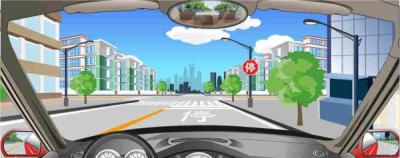
Answer:N
29、Which of the following is a bad habit when changing lanes?
A、Turning on the indicator in advance
B、Observing closely before changing a lane
C、Change lanes at will
D、Not obstructing the passing of other normally moving vehicles
Answer:C
30、When a motor vehicle accidentally hits the guardrail of the highway, what should be done by the driver inorder to keep safe?
A、Firmly holding and properly adjusting the steering wheel
B、Turning swiftly to the opposite direction
C、Immediately applying emergency braking
D、Immediately steering to the collision side
Answer:A
31、What should be given attention when setting off in this weather?
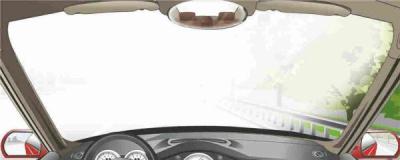
A、Turning on the high-beam
B、Turning on the front and rear fog lamps
C、Turning on the left indicator only
D、Continuously sounding the horn
Answer:B
32、When driving in rain or snow, the driver should turn left to stabilize the vehicle if the motor vehicle slides to the right side.
Answer:N
33、If a motor vehicle deviates from the straight direction due to steering failure, what should be done by thedriver in order to reduce speed and stop the vehicle as soon as possible?
A、Gently depressing the brake pedal
B、Pulling up the handbrake
C、Immediately changing to a low gear to reduce speed
D、Decisively and continuously depressing and releasing the brake pedal
Answer:D
34、What kind of harmful effect will be brought about by continuously using the foot brake on a long downhill road?
A、Shorten the engine's service life
B、Make the driver feel tired
C、Easily cause the vehicle to overturn
D、Reduce the braking efficiency
Answer:D
35、In the condition of low visibility, drivers should turn on the low-beam when setting off
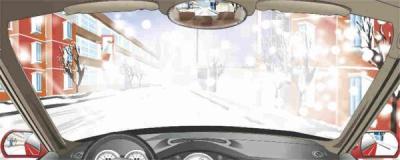
Answer:Y
36、The distance-ascertaining section of an expressway is used for the drivers to ascertain the safety distance when the speed is 100 kilometers per hour.
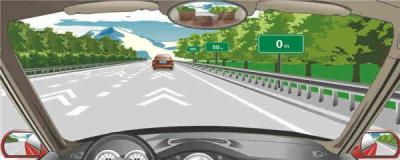
Answer:Y
37、The sign on the right indicates that no long-sounding horn.
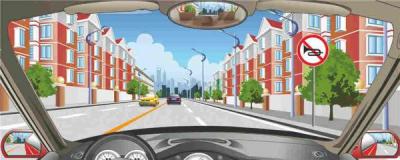
Answer:N
38、Under such circumstances, motor vehicle drivers should stop and yield
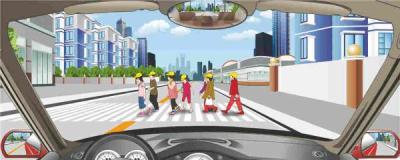
Answer:Y
39、As shown in the flash, the motor vehicle chooses a correct way to pass through the level crossing.
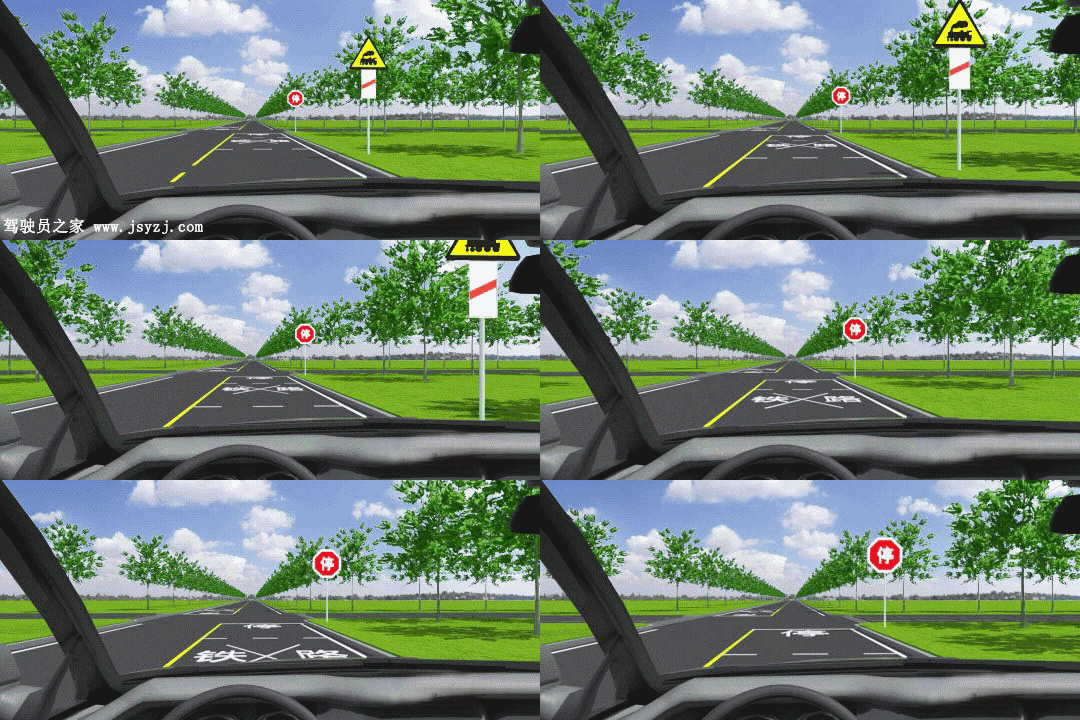
Answer:Y
40、This sign indicates the traffic broadcast and radio television channel of highway.
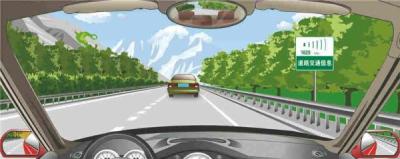
Answer:N
41、Under such circumstances, what should motor vehicle drivers do?
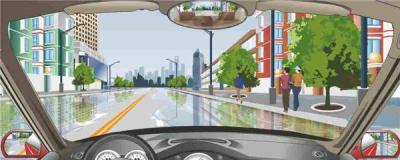
A、Pass slowly at a lower speed
B、Speed up and pass
C、Continuously sound the horn and pass
D、Pass at a normal speed
Answer:A
42、This sign warns to bypass from either side to avoid roadblock.
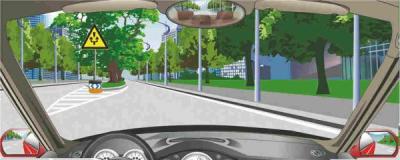
Answer:Y
43、When driving in a residential area, the driver should not exceed the speed indicated by the speed limit sign.
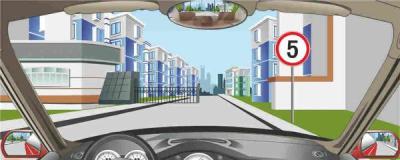
Answer:Y
44、On a mountain road, what should the driver do in this situation?
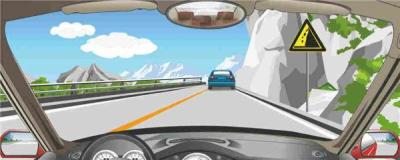
A、Drive on the left and speed up to bypass
B、Stop to observe and pass slowly
C、Observe closely and pass as soon as possible
D、Sound the horn several times and pass slowly
Answer:C
45、When driving in a strong wind, drivers should abruptly turn the steering wheel to return to the original direction if they feel the vehicle deviates horizontally due to a strong gale.
Answer:N
46、How should the driver pass this place safely?
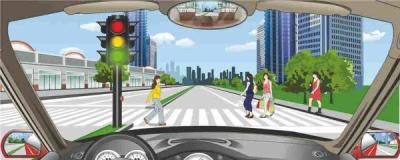
A、Speed up and pass in the front of the pedestrians
B、Bypass behind the pedestrians
C、Slow down and sound the horn
D、Stop and wait until the pedestrians pass
Answer:D
47、When finding a tire suddenly burst on the road, the driver should firmly hold the steering wheel with both hands to ensure the vehicle goes straight.
Answer:Y
48、When encountering a school bus which stops at the right roadside and students are embarking or disembarking, and there are three motor vehicle lanes in each direction, motor vehicle drivers on the left lane behind the bus should stop and wait.
Answer:N
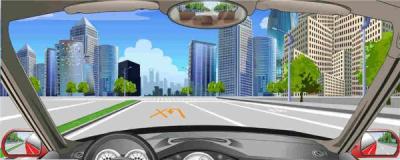
49、The road marker indicates that vehicles are not allowed to make a U-turn at the intersection ahead.
Answer:Y
50、Which one of the following vehicle types is not allowed to pass, as indicated by the right-hand sign?
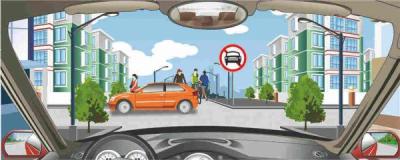
A、Large trucks
B、Large buses
C、Motor vehicles of all kinds
D、Small vans
Answer:C
- 山西科目四英文版 相关内容
- 西藏驾考科目四英语 河南2025科目一考试英文 四川英文版考驾照 外国人报考驾照流程视频 内蒙古2025英文驾考PDF题库 贵州科目四有英文版吗 江西英语c1科目四考试 宁夏英文驾考科目4 福建英文驾考PDF题库 天津2025科目四英文版 浙江外国人考科目四 英文 青海驾考科目一英语版PDF题库 青海外国人考驾照科目四 上海驾考英语 山西英文驾考科目4 吉林驾考科目四英语
Copyright © 2025 驾考 版权所有