
- 科目一考试
- 顺序练习
- 随机练习
- 强化练习
- 模拟考试
- 科目四考试
- 顺序练习
- 随机练习
- 强化练习
- 模拟考试
- 外国语言版题库
- 英语题库
- 德语题库
- 韩语题库
- 日语题库
- 俄语题库
- 法语题库
- 西班牙语题库
- 阿拉伯语题库
- 摩托车英文题
湖北只认识英文可以考科目四吗
-
1、Motor vehicle drivers are allowed to overtake on this road section.
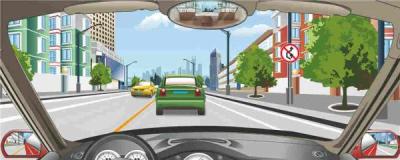
Answer:N
2、The main reason for this accident is that the pedestrian crossed the street in front of the motor vehicle.
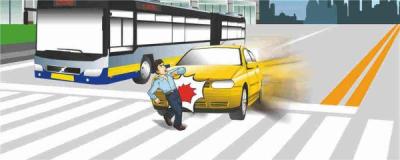
Answer:N
3、What should the driver do when seeing these hand signals?
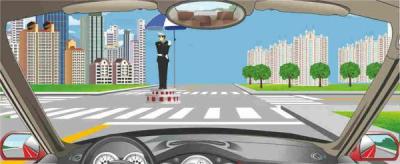
A、Turn left at the intersection
B、Stop and wait
C、Go straight at the intersection
D、Drive to the waiting area for turning left
Answer:B
4、At 13: 10 pm, Mr Luo set out in his medium bus from 0 km mark on the highway, and by 14: 10 had passed the 125km mark by 200 meters, he caused a rear-end collision with a motor vehicle that ran into the side slope on the southwest side, killing 11 people and injuring 2. Which of the following law-breaking acts did Mr. Luo commit?
A、Speeding
B、Driving not in accordance with traffic markings
C、Exceeding carrying capacity
D、Fatigued driving
Answer:A
5、Having driven his vehicle at 110km/hour on an urban road, Mr. Lin is trying to leave the scene after a rear-end collision but is held back by bystanders. The alcohol concentration in his blood, tested in an alcohol test by the traffic police, is 135.8mg per hundred milliliters. Which of the following law-breaking acts did Mr. Lin commit?
A、Drunk driving
B、Speeding
C、Fatigued driving
D、Hit-and-run driving
Answer:ABD
6、What should motor vehicle drivers do when approaching an oncoming vehicle on a frozen road?
A、Cut speed as approaching each other
B、Pass each other by speeding up properly
C、Pass each other slowly by cutting speed in advance
D、Pass each other along the central line to the best
Answer:C
7、The sign on the right warns for livestock on the road ahead.
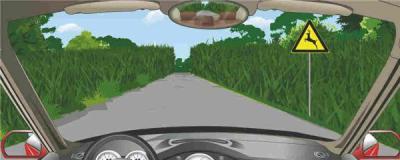
Answer:N
8、The sign on the right warns of children on the section ahead.
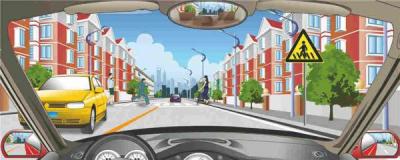
Answer:N
9、Sideslip happens most easily on which one of the following road surfaces?
A、Dry concrete road
B、Road surface at the beginning of rain
C、Damp concrete road surface
D、Road in heavy rain
Answer:B
10、Motor vehicles are prohibited from turning left in this situation.
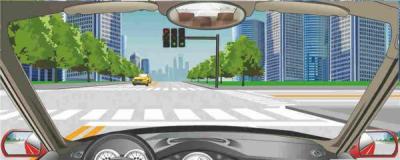
Answer:Y
11、Motor vehicles are permitted to follow the guidance of the arrow in this picture and enter the lane of an expressway.
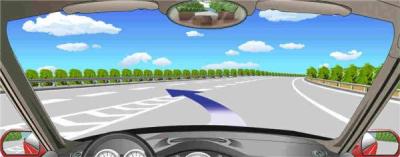
Answer:N
12、Drivers may turn left when traffic police give these hand signals.
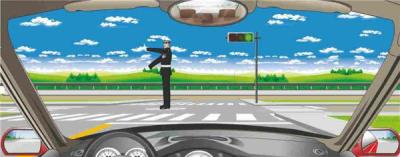
Answer:Y
13、When a motor vehicle leaves an expressway, which of the following lamp should be turned on?
A、The left-turn indicator
B、The right-turn indicator
C、The hazard warning lamp
D、The headlamp
Answer:B
14、A driver should speed up when passing through road sections with this traffic marking.
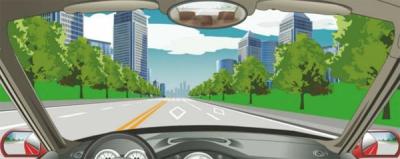
Answer:N
15、In the flash, it is correct for the driver to behave this way when there is a traffic jam caused by an accident on the expressway.?
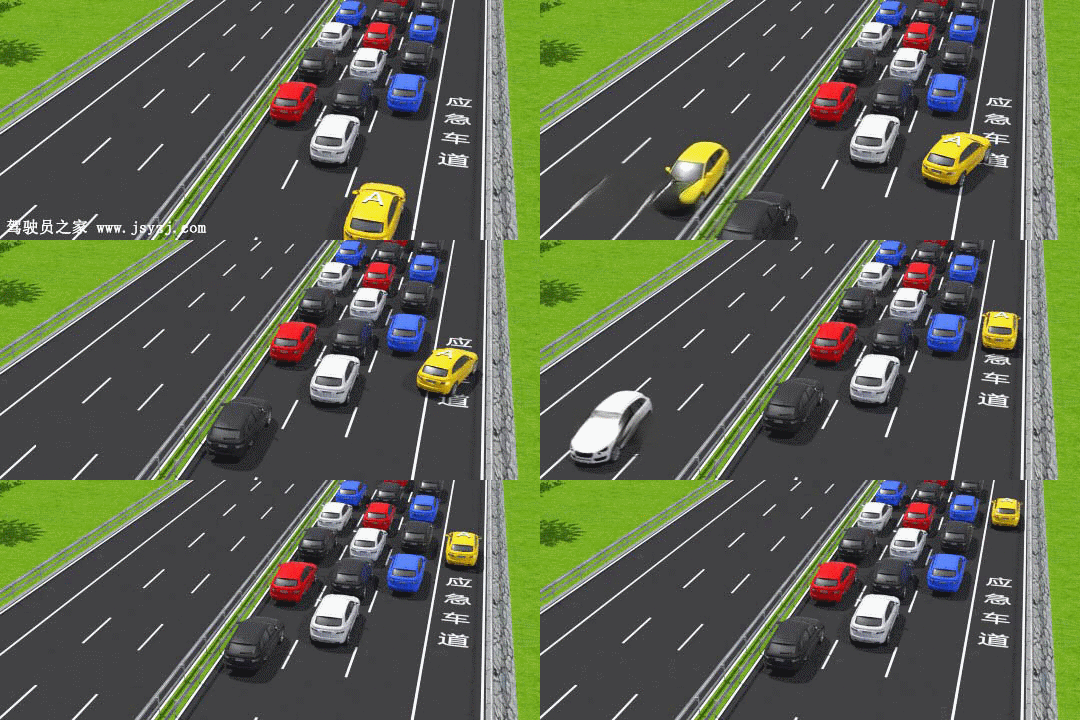
Answer:N
16、When encountering such pedestrians, motor vehicle drivers may continuously sound the horn to alert them to yield.
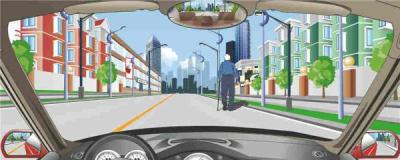
Answer:N
17、When approaching motor vehicles ahead running at a normal speed on the highway, drivers behind may find a chance and weave through them swiftly.
Answer:N
18、The sign on the right warns of a guarded crossing 150 meters ahead.
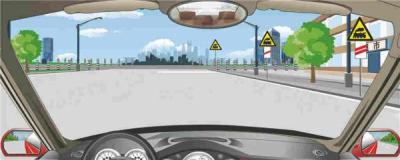
Answer:N
19、Mr. Zhao (with an A2 driving license) drove a large sleeper coach on the No. 219 National Road in Yecheng County. When passing a curve at the spot of 226 kilometers mark by 215 meters on the road, the coach fell into the ravine on one side, killing16 people and injuring 26. What's the main illegal act committed by Mr Zhao?
A、Carrying more passengers than permitted
B、Driving a motor vehicle having failed to accept inspection in time
C、Driving an unpermitted vehicle type
D、Fatigued driving
Answer:C
20、The sign on the right side indicates no entry for all vehicles.
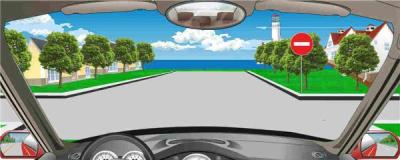
Answer:Y
21、Before driving, it is necessary to check whether the cooling liquid, engine oil and fuel oil, are leaking.
Answer:Y
22、Under such circumstances, motor vehicle drivers should bypass on the left quickly.
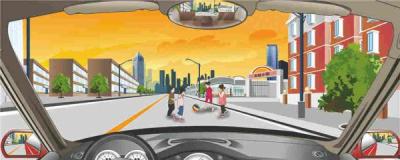
Answer:N
23、The sign on the right warns to keep a safe distance on the road ahead.
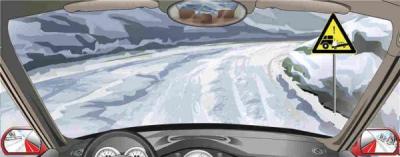
Answer:N
24、What should be done by the driver who intends to overtake but the motor vehicle in front neither reduces its speed nor allows the right of way?
A、Continuously sounding the horn and accelerating to overtake
B、Accelerating and continuing to overtake
C、Refraining from overtaking
D、Following the vehicle in front closely and finding a chance to overtake
Answer:C
25、What should the driver do on this kind of curving mountain road?
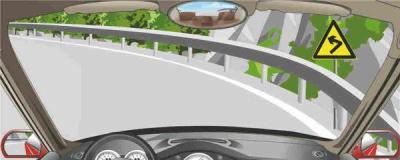
A、Borrow the opposite lane
B、Slow down and drive on the right
C、Stick to the central line of the road
D、Drive close to the right side
Answer:B
26、Motor vehicle drivers don't need to fasten their seatbelt
Answer:N
27、The broken yellow line in the center of the road indicates that bypassing by crossing the line is prohibited in any condition.
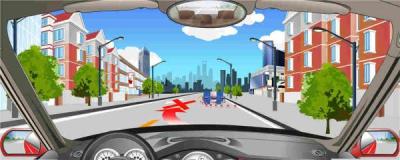
Answer:N
28、What should the driver do upon finding that one of the left tires is leaking while driving?
A、Brake slowly to slow down
B、Brake swiftly to slow down
C、Turn to the right side swiftly
D、Apply emergency braking
Answer:A
29、How to pass the intersection when running straight
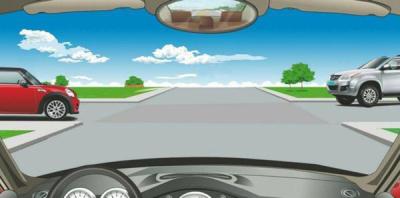
A、turn on the hazard lights and pass
B、directly speed up and pass straight
C、yield to the vehicle from the right road
D、yield to the vehicle from the left road
Answer:C
30、Mr. Zou drove a large sleeper coach (capacity 35 people and carrying 47 passengers). At the spot of 938 kilometers of the Jinggang'ao Expressway, large amounts of dangerous chemicals in the coach blew up, killing 41 people and injuring 6. What are the main illegal acts in this case?
A、Carrying more passengers than permitted
B、Passengers carried flammable and explosive substances
C、Speeding
D、Illegal parking
Answer:AB
31、When rescuing a wounded person suffering blood loss in an emergency, it is necessary to first stop the bleeding by compression before other treatments are taken in accordance with the conditions of bleeding.
Answer:Y
32、Mr Peng drove a heavy semi-trailer tractor with 37.7 tons of cargo(capacity 25 tons). When descending a slope on the Daguang Expressway, the tractor had a rear-end collision with Mr. Li's heavy dump truck ( carrying 3.17 cubes of loess and 24 passengers in the container)occupying the emergency lane. As a result of this accident, 16 people were killed and 13 injured What are the main illegal acts in this case?
A、Mr Peng exceeded the speed limit
B、Mr. Peng's tractor carried more cargo than limited
C、Mr Li illegally drove in the emergency lane
D、Mr. Li's truck illegally carried passengers in the container
Answer:BCD
33、The sign on the right indicates that the number of the lanes ahead will increase.
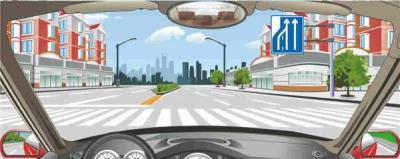
Answer:N
34、When approaching another vehicle at night, why should the driver alternate between high-and-low-beam at a distance more than 150 meters?
A、Warn each other before passing
B、Driving habit
C、Easy to observe the situation ahead from either side
D、Courtesy
Answer:C
35、When driving on this dangerous mountainside road, motor vehicles should drive along the right side of the road.
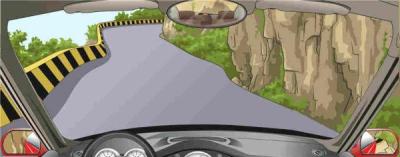
Answer:Y
36、When a motor vehicle needs to stop for inspection after having an accident on an expressway, where should the driver park?
A、On the far outer lane
B、On the inner lane
C、On the emergency lane
D、In the triangle area on the ramp
Answer:C
37、When encountering a school bus which stops at the right roadside and students are embarking or disembarking, and there are three motor vehicle lanes in each direction, motor vehicle drivers on the left lane behind the bus should stop and wait.
Answer:N
38、Mr. Zhou drove a light van (with 22 passengers) on the Bingcha Highway. At the spot of 79 kilometers mark by 150 meters of the highway, the van fell into the valley on one side, killing 12 people and injuring 10. What's the main illegal act committed by Mr.Zhou?
A、Driving a motor vehicle having failed to accept inspection in time
B、Carrying passengers on a freight motor vehicle
C、Speeding
D、Fatigued driving
Answer:B
39、As shown in the flash, the driver's act is correct.
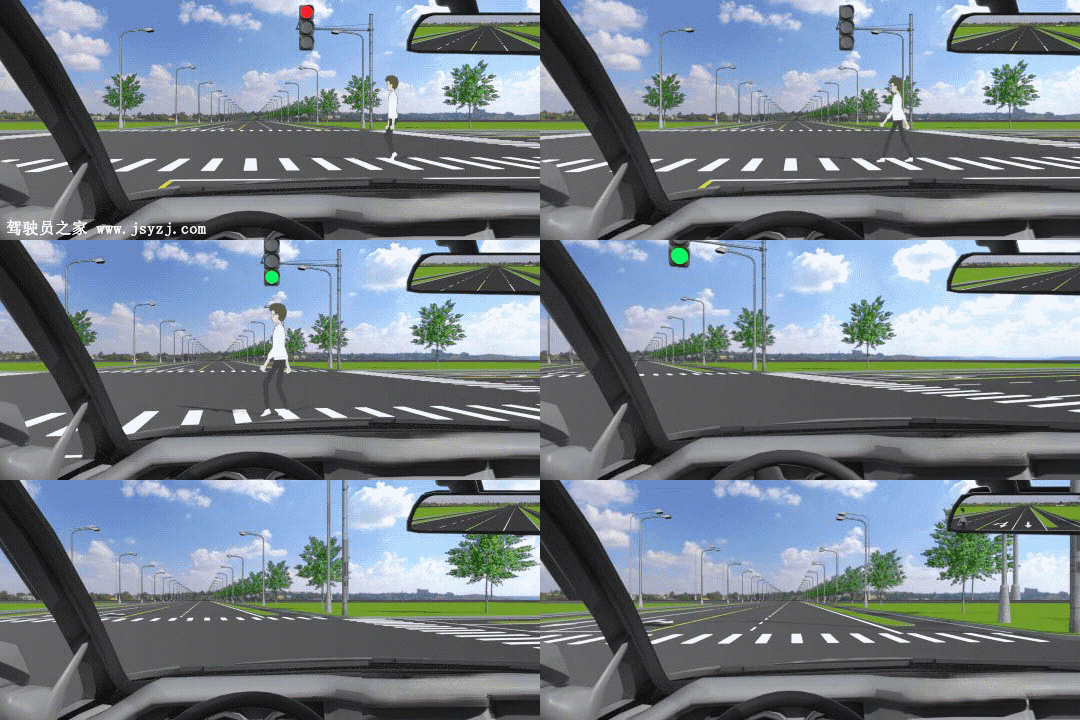
Answer:N
40、When the engine suddenly stalls on the road and cannot be restarted, the driver should pull over in a timely fashion and identify the cause of the stalling.
Answer:Y
41、In such circumstances, which one of the following statements is the safest measure for a motor vehicle driver to take?
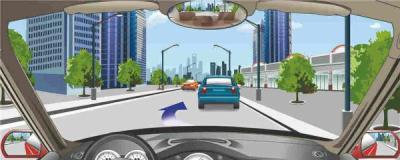
A、Accelerate to overtake the vehicle in front as soon as possibl
B、Voluntarily reduce speed and refrain from overtaking
C、Sound the horn to warn the vehicle in front to yield
D、Turn on the headlamp to warn the oncoming vehicle to yield
Answer:B
42、The motor vehicle should slow down and pass slowly in this situation.
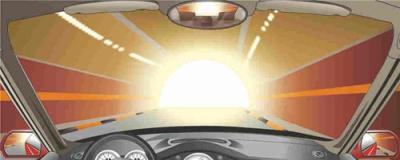
Answer:Y
43、The sign on the right indicates that vehicles from the primary road have priority.
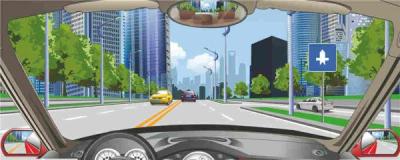
Answer:Y
44、When there is a sudden braking failure on the road, what should be done by the driver?
A、Firmly holding the steering wheel and controlling the direction
B、Immediately changing to a low gear to reduce speed
C、Using the stopping brake to reduce speed
D、Turning on the hazard lamps
Answer:ABCD
45、Under such circumstances, what should be done by the motor vehicle driver?
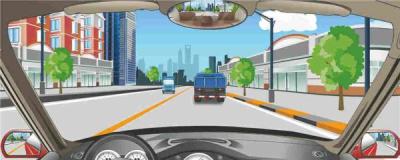
A、Overtaking the vehicle in front on its left
B、Overtaking by occupying the opposite lane
C、Overtaking the vehicle in front on its right
D、Following the vehicle in front
Answer:D
46、A correct measure to avoid tire burst of motor vehicles is to lower the tire pressure.
Answer:N
47、When a bicycle borrows the motor vehicle lane, the motor vehicle may sound the horn hurriedly to warn the bicycle to yield.
Answer:N
48、When rescuing a person sustaining full-body burns the rescue personnel may spray cool water to his body to put out the fire.
Answer:Y
49、If the road condition behind is good, motor vehicle drivers should reverse rapidly.
Answer:N
50、When encountering a road like this, motor vehicle drivers should downshift in advance to maintain the dynamic of the motor vehicle.
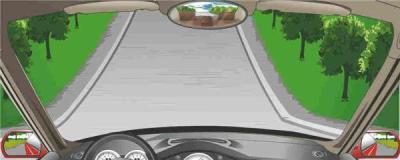
Answer:Y
- 湖北只认识英文可以考科目四吗 相关内容
- 甘肃科目四有英文版吗 浙江驾考科目一英语版书 北京驾考英语 海南驾考科目四英语版PDF 江苏英文驾考科目四题库PDF电子版 老外考驾照科三考什么 吉林科目一有英文版吗 贵州英文驾考PDF题库 四川科目四考题英文版 西藏英文驾考科目四题库PDF电子版 驾考英语版题库book 福建英文版考驾照 青海关于考驾照的英语 河北英文版考驾照 广西英文驾考书 广西科目一考试英文版
Copyright © 2025 驾考 版权所有