
- 科目一考试
- 顺序练习
- 随机练习
- 强化练习
- 模拟考试
- 科目四考试
- 顺序练习
- 随机练习
- 强化练习
- 模拟考试
- 外国语言版题库
- 英语题库
- 德语题库
- 韩语题库
- 日语题库
- 俄语题库
- 法语题库
- 西班牙语题库
- 阿拉伯语题库
- 摩托车英文题
科目四英文版题目
-
1、When driving, besides paying attention to keeping a safe distance from the vehicle in front, drivers should also be prudent when braking so as to avoid a rear-end collision caused by a vehicle behind.
Answer:Y
2、The right-front sign indicates a time-regulated pedestrian area.
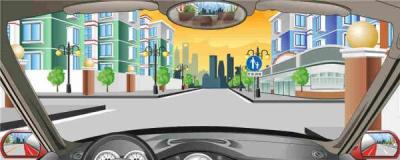
Answer:Y
3、What should the driver do to follow other motor vehicles on a mountain road?
A、Closely follow the vehicle in front
B、Increase the safety distance
C、Reduce the vertical distance between vehicles
D、Try to overtake the vehicle in front as soon as possible
Answer:B
4、What's the meaning of the sign on the right?
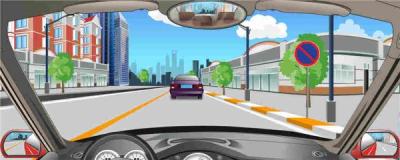
A、Long-time parking permitted
B、Temporary parking permitted
C、Long waiting for passengers permitted
D、No parking
Answer:B
5、As shown in this picture, the intersection guide line is designed to help drivers make turns.
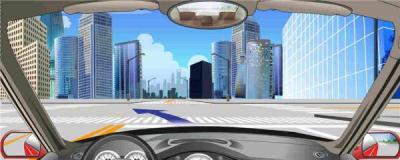
Answer:Y
6、When a motor vehicle encounters an emergency on an expressway, the driver should not swiftly turn the steering wheel to evade.
Answer:Y
7、It is a bad habit for a driver to put his left arm on the window of the vehicle or hold the gear lever in his right hand for a long time.
Answer:Y
8、Drivers may turn right at the intersection when traffic police give these hand signals.
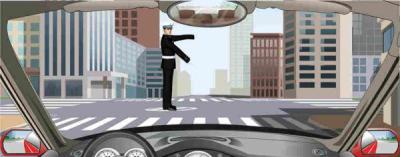
Answer:Y
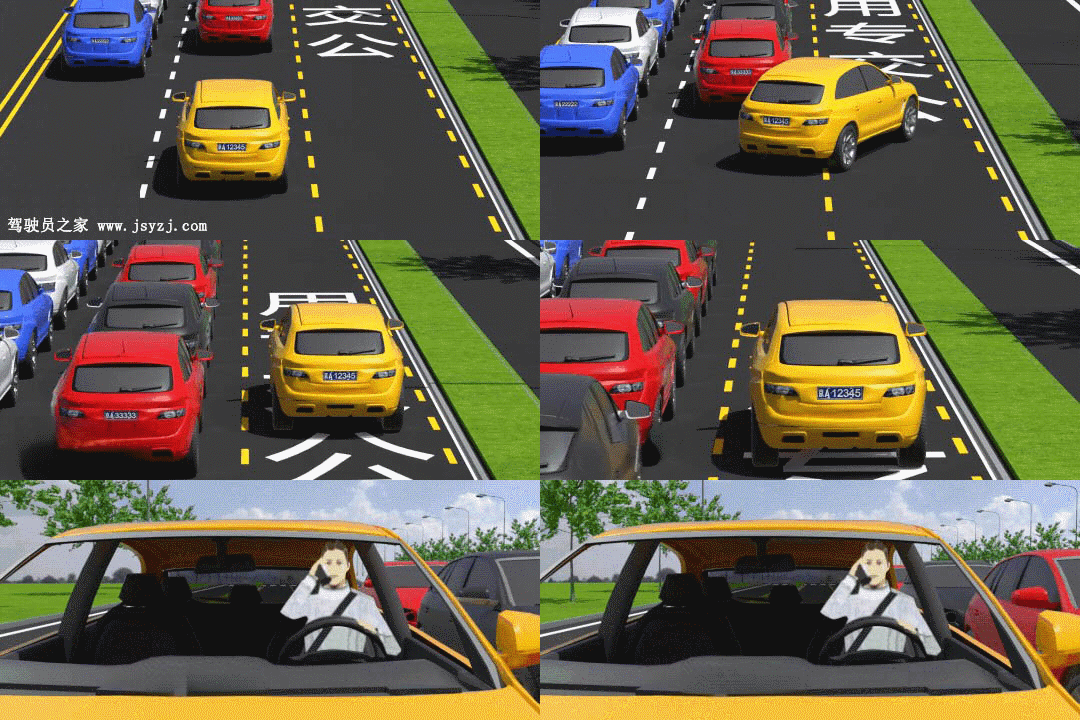
9、How many kinds of law-breaking acts are displayed in flash 2?
A、One
B、Two
C、Three
D、Four
Answer:B
10、These traffic police signals indicate that passing is prohibited.
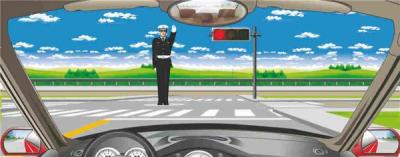
Answer:Y
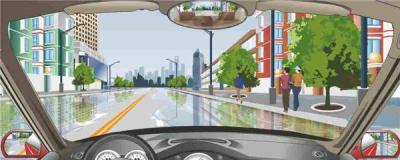
11、Under such circumstances, what should motor vehicle drivers do?
A、Pass slowly at a lower speed
B、Speed up and pass
C、Continuously sound the horn and pass
D、Pass at a normal speed
Answer:A
12、Under such circumstances, the motor vehicle is allowed to overtake.
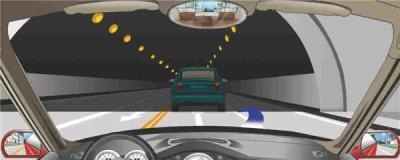
Answer:N
13、The driver may not change lanes when the motor vehicle turns right at this intersection.
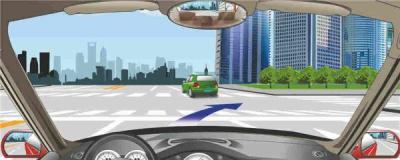
Answer:N
14、The sign on the right indicates that overtaking is allowed on the section ahead.
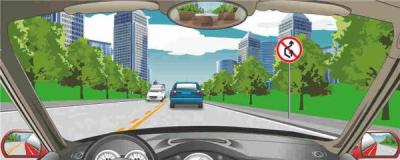
Answer:N
15、When a bicycle borrows the motor vehicle lane, the motor vehicle may sound the horn hurriedly to warn the bicycle to yield.
Answer:N
16、When encountering such pedestrians, motor vehicle drivers may continuously sound the horn to alert them to yield.
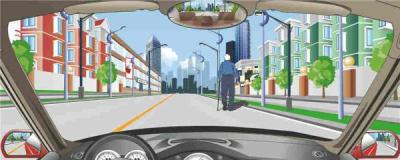
Answer:N
17、This sign warns to bypass from the right side to avoid the roadblock.
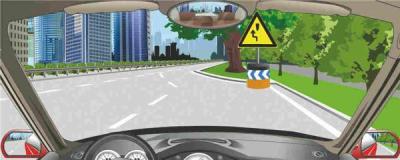
Answer:N
18、The sign on the right indicates that the speed limit of 40km/hour is lifted on the road ahead.
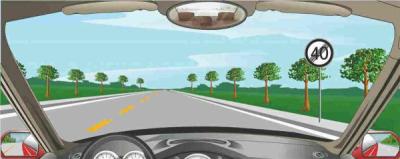
Answer:Y
19、Before setting off, it is necessary to check the driving cabin, engine cabin, external and tires of the motor vehicle.
Answer:Y
20、Under such circumstances, motor vehicle drivers lould follow the vehicle in front and drive into the Intersection to wait.
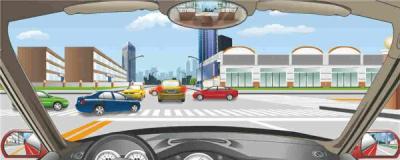
Answer:N
21、When parking temporarily in this situation, motor vehicle drivers are allowed to turn the steering wheel left to avoid sliding.
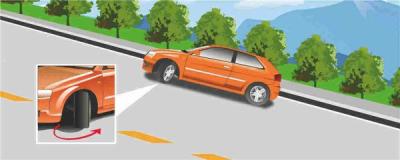
Answer:Y
22、Under this circumstance, motor vehicle drivers should give the right of way to oncoming vehicle.
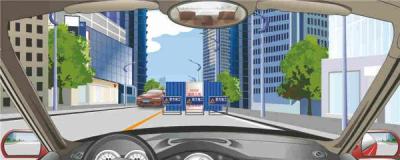
Answer:Y
23、The sign in front indicates a temporary parking lot on the right side of the highway.
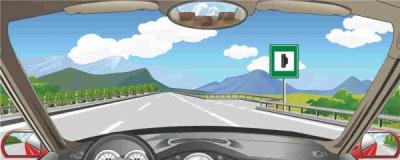
Answer:N
24、The sign above the tunnel indicates a height limit of 3.5 meters on the road ahead.
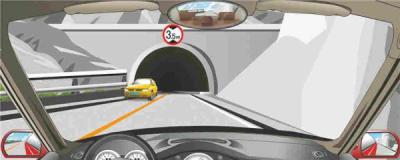
Answer:Y
25、What should the driver do when seeing these hand signals?
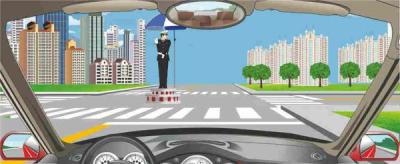
A、Go straight and pass through the intersection
B、Stop and wait
C、Turn right at the intersection
D、Turn left at the intersection
Answer:B
26、The motor vehicle may promptly overtake the vehicle in front from the left side in this situation.
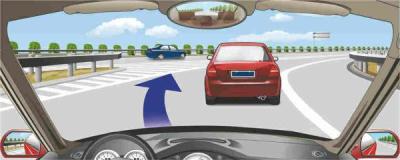
Answer:N
27、The sign on the right warns for disabled people ahead.
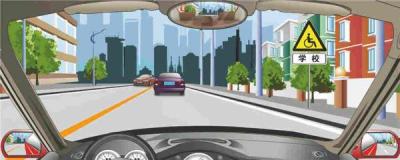
Answer:Y
28、How should the driver pass this place safely?
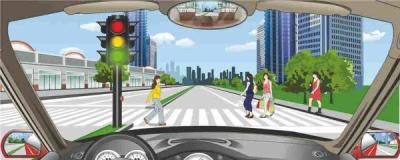
A、Speed up and pass in the front of the pedestrians
B、Bypass behind the pedestrians
C、Slow down and sound the horn
D、Stop and wait until the pedestrians pass
Answer:D
29、Motor vehicle drivers should use the windscreen wiper when setting off on a rainy day
Answer:Y
30、After a tire bursts and before the driver can control the speed of the vehicle, he/she should not risk using the foot brake to stop the vehicle. Otherwise, a horizontal swing of the vehicle can cause greater danger.
Answer:Y
31、When driving on a muddy road, what should drivers do to pass at an even speed without stopping?
A、Use the handbrake
B、Press the clutch pedal
C、Press the brake pedal
D、Use the accelerator pedal
Answer:D
32、The sign in front indicates a one-kilometer distance from the highway entry.
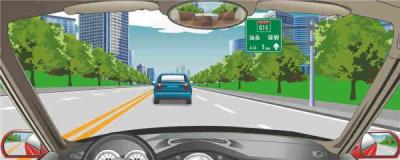
Answer:Y
33、When there is bleeding at the bone fracture of a wounded person, the first thing to do is to fix the wounded part in position, then stop the bleeding and dress the wound.
Answer:N
34、How should lamps be used when motor vehicle drivers pass through a two-way tunnel?
A、Turn on the hazard lamps
B、Turn on the high-beam
C、Turn on the fog lamp
D、Turn on the low-beam
Answer:D
35、When driving into the traffic flow on a main road from a relief road, drivers should speed up.
Answer:N
36、When rescuing a wounded person who has been poisoned by toxic gas, the first measure is to send him/her to a place with fresh air so that he/she will not continue to be poisoned.
Answer:Y
37、When encountering such a situation, motor vehicle drivers should take the left lane.
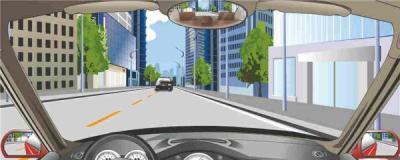
Answer:N
38、What should the driver pay attention to when the motor vehicle passes a school?
A、Observe the traffic signs and markings
B、Slow down and pass slowly
C、Prohibited from sounding the horn
D、Pass rapidly
Answer:ABC
39、When encountering this situation in a residential area the driver should sound the horn continuously.
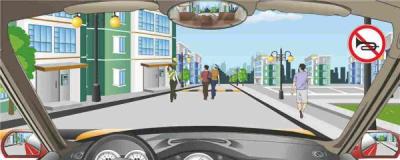
Answer:N
40、When a wounded person is beneath the wheel or cargo, we should help him/her out immediately by pulling the limbs of the wounded.
Answer:N
41、Matches, sulfur and red phosphorus belong to which of the following dangerous chemicals?
A、Explosives
B、Oxidizing materials
C、Self-igniting articles
D、Inflammable solid materials
Answer:D
42、What should be done first after getting into the vehicle?
A、Observe the surrounding traffic situation
B、No need to observe the traffic situation around
C、Open the door and get in directly
D、Take note of the weather
Answer:A
43、Motor vehicles are prohibited from turning left in this situation.
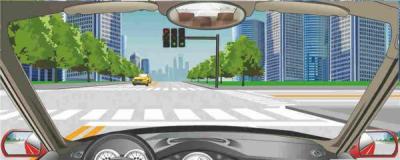
Answer:Y
44、The sign on the right warns that the road will narrow over the next 5 kilometers.
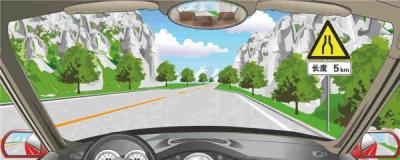
Answer:Y
45、When evading an emergency, except for being calm what principle should be held by drivers?
A、Evading people first and then objects
B、Evading objects first and then vehicles
C、Evading vehicles first and then people
D、Evading objects first and then people
Answer:A
46、When encountering this situation around a school, the driver should speed up and pass as quickly as possible.
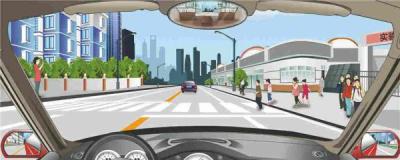
Answer:N
47、What should be taken note of by drivers in this situation?
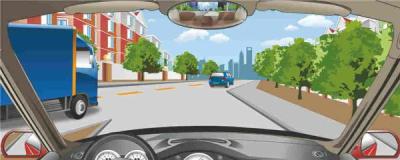
A、he motor vehicle(s)on the left side
B、The motor vehicle(s) on the right side
C、The motor vehicle(s) behind
D、The motor vehicle(s)in front
Answer:A
48、The guide arrow on the road surface of this lane indicates that U-turns and left turns are permitted at the intersection ahead.
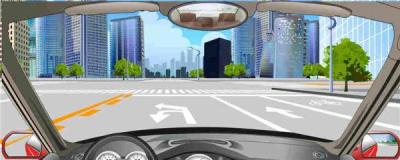
Answer:Y
49、The circle in the center of the intersection indicates that drivers should drive along the inner side when making a small left turn.
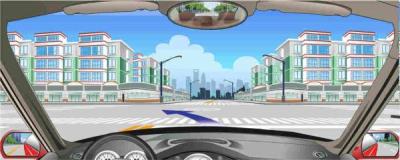
Answer:Y
50、When encountering such a situation, the vehicles should cut speed or stop to yield as approaching each other.
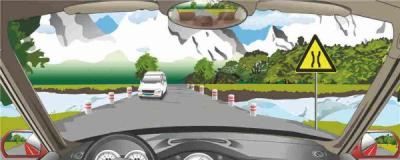
Answer:Y
- 科目四英文版题目 相关内容
- driving licence test 4 科目四英文版模拟 上海英文驾考科目四题库PDF电子版 山东驾考科目四英语版PDF 山西考驾照科目四有英文版 河北外国人考驾照科目一 北京只认识英文可以考科目一吗 新疆英文驾考app 山西驾考科目四英语版PDF 江西2025科目一考试英文 老外驾考电脑版下载教程 外国的考驾照跟中国的一样吗英语 上海驾考科目一英文版题库 浙江英文驾考科目四题库PDF电子版 云南外国人考驾照科目一 新疆2025英文驾考PDF题库
Copyright © 2025 驾考 版权所有