
- 科目一考试
- 顺序练习
- 随机练习
- 强化练习
- 模拟考试
- 科目四考试
- 顺序练习
- 随机练习
- 强化练习
- 模拟考试
- 外国语言版题库
- 英语题库
- 德语题库
- 韩语题库
- 日语题库
- 俄语题库
- 法语题库
- 西班牙语题库
- 阿拉伯语题库
- 摩托车英文题
湖北科目四英文版题目
-
1、Which of the following measures should be taken first when rescuing a wounded person suffering blood loss?
A、Observe
B、Dress the wounds
C、Stop bleeding
D、Inquire
Answer:C
2、Which one of the following is the safest way when driving a motor vehicle on this road?
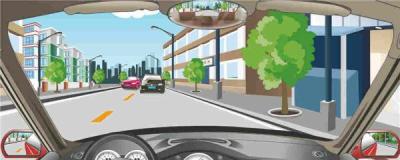
A、Cutting speed or stopping to yield
B、Driving along the center of the road
C、Keeping a normal speed
D、Approaching vehicles by taking the opposite lane
Answer:A
3、When such circumstances happen suddenly, what should the driver do?
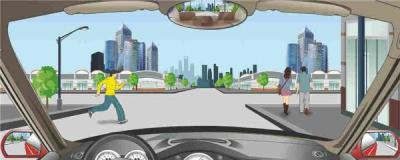
A、Reduce speed or stop to yield
B、Bypass in front of the pedestrians
C、Continuously sound the horn to alert the pedestrians
D、Bypass from behind the pedestrians
Answer:A
4、When driving on an expressway in rain, the driver should slow down to avoid steering failure arising from "water slide"
Answer:Y
5、The sign in front indicates that vehicles except large passenger vehicles are not allowed to drive on the right lane.
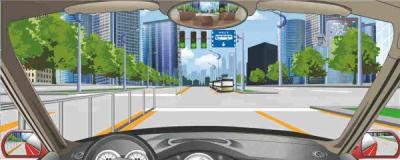
Answer:N
6、When approaching a vehicle on a narrow slope, which one of the following ways is correct?
A、The descending vehicle yields to the ascending
B、The vehicle which is further from the slope crest should yield
C、The ascending vehicle yields to the descending
D、If the descending vehicle has reached the midpoint while the ascending vehicle has not yet set out, the descending vehicle must yield.
Answer:A
7、Which one of the following measures is correct when a motor vehicle encounters this situation at night?
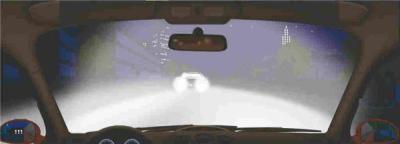
A、Keep driving at a normal speed
B、Drive at an increased speed to avoid light
C、Cut speed or stop to yield
D、Turn on high-beam to reject
Answer:C
8、How to ensure motor vehicles have sufficient power when driving uphill?
A、Downshift before reducing speed
B、Downshift after reducing speed
C、Downshift when the speed is excessively low
D、Downshift to the fullest extent
Answer:A
9、How many kinds of law-breaking acts are displayed in flash 4?
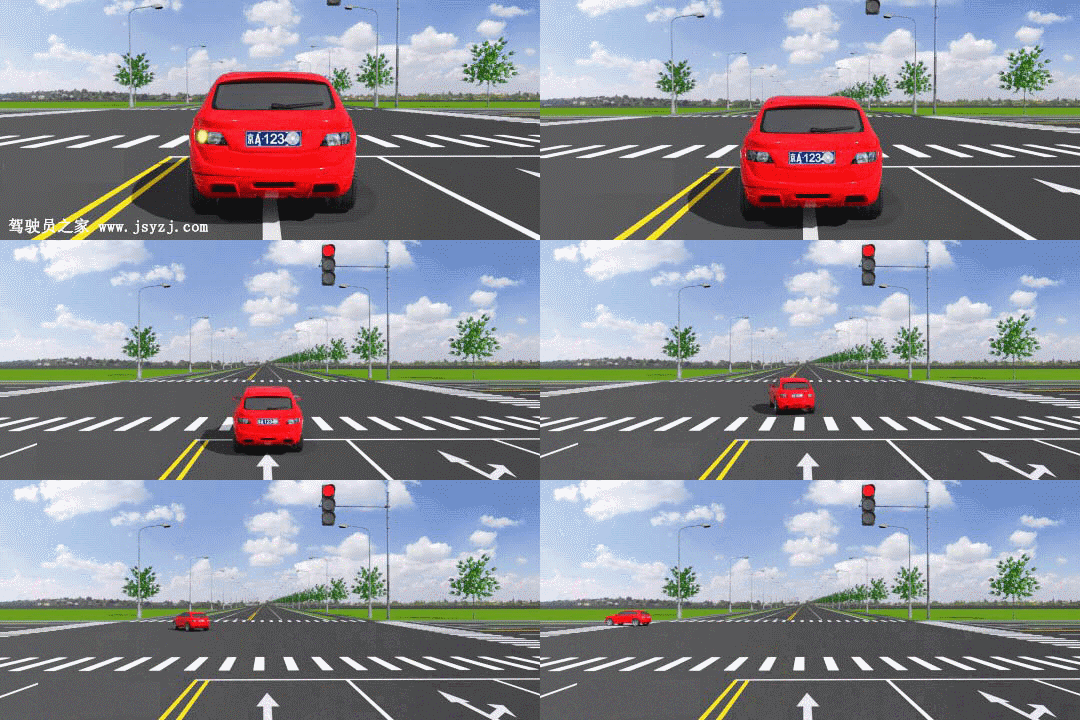
A、One
B、Two
C、Three
D、Four
Answer:C
10、The slanted filled-in yellow marking in the middle of the road warns that there is a stationary obstacle ahead.
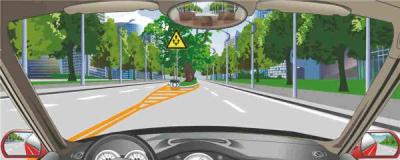
Answer:Y
11、When driving on a road covered with ice and snow, the motor vehicle may spin or slide when increasing the speed urgently, due to the loss of vehicle stability.
Answer:Y
12、Which one of following ways is the safest when driving a motor vehicle on this road?
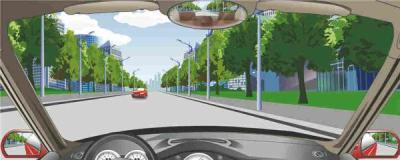
A、Driving along the central line of the road
B、Driving along the right side of the road
C、Driving at the middle of the road
D、Driving along the left side of the road
Answer:B
13、The sign on the right warns of a village 200 meters ahead.
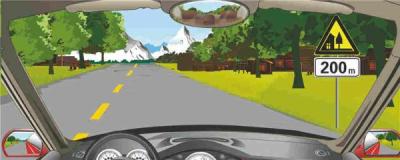
Answer:Y
14、During normal driving, the driver should do his/her best to run close to or on the central line so as not to allow oncoming vehicles any opportunity to occupy his own route.
Answer:N
15、The sign on the right warns of a wet road surface ahead.
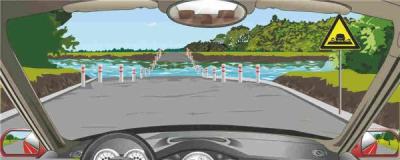
Answer:Y
16、When approaching another vehicle at night, why should the driver alternate between high-and-low-beam at a distance more than 150 meters?
A、Warn each other before passing
B、Driving habit
C、Easy to observe the situation ahead from either side
D、Courtesy
Answer:C
17、The broken white line on the right side of the road indicates that drivers are allowed to change lanes by crossing the line.
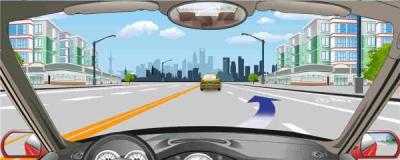
Answer:Y
18、This sign warns that the section ahead is under traffic monitoring.
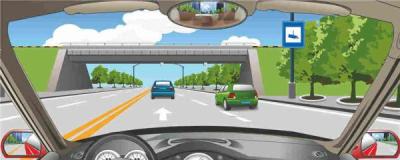
Answer:Y
19、When driving in a residential area, the driver should not exceed the speed indicated by the speed limit sign.
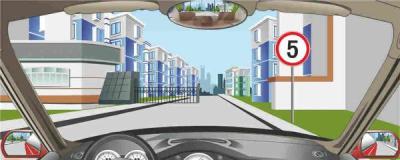
Answer:Y
20、When a motor vehicle passes over an inundated road what should the driver do?
A、Stop and look at the situation
B、Make sure it's safe and pass over at a low speed
C、Intermittently and gently depress the brake pedal then wading across the water
D、Continuously but gently depress the brake pedal then wading across the water
Answer:ABC
21、Motor vehicle drivers don't need to fasten their seatbelt
Answer:N
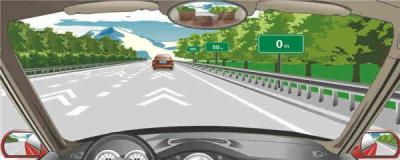
22、The distance-ascertaining section of an expressway is used for the drivers to ascertain the safety distance when the speed is 100 kilometers per hour.
Answer:Y
23、When driving on a muddy road, what should drivers do to pass at an even speed without stopping?
A、Use the handbrake
B、Press the clutch pedal
C、Press the brake pedal
D、Use the accelerator pedal
Answer:D
24、How to ensure safe driving at night?
A、Drive at speed limit
B、Cut speed and drive carefully
C、Maintain the current speed
D、Drive above the speed limit
Answer:B
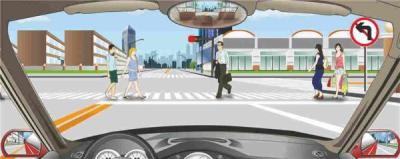
25、Motor vehicle drivers may make a U-turn in this area as long as it will not affect the passing of pedestrians.
Answer:N
26、Under such circumstances at a congested intersection, what should motor vehicle drivers do?
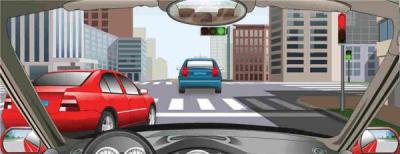
A、Force the vehicle to go back to its original lane
B、Closely follow the vehicle in front and refuse to yield
C、Politely yield and pass through
D、Sound the horn and turn on the head lamps
Answer:C
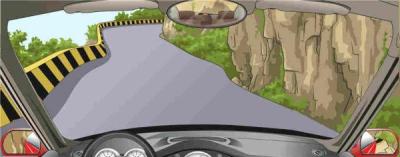
27、When driving on this dangerous mountainside road, motor vehicles should drive along the right side of the road.
Answer:Y
28、When a motor vehicle leaves an expressway, which of the following lamp should be turned on?
A、The left-turn indicator
B、The right-turn indicator
C、The hazard warning lamp
D、The headlamp
Answer:B
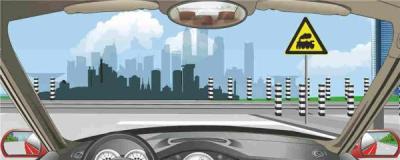
29、The sign on the right warns of a guarded railway intersection ahead.
Answer:N
30、When encountering a school bus which stops at the right roadside and students are embarking or disembarking, and there is only one motor vehicle lane in each direction, motor vehicle drivers behind the bus should stop and wait.
Answer:Y
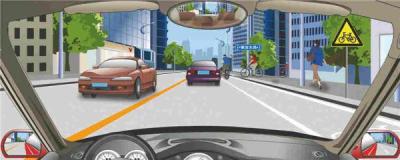
31、The sign on the right warns of a non-motor vehicle lane.
Answer:N
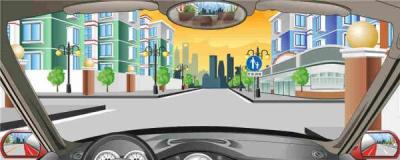
32、The right-front sign indicates a time-regulated pedestrian area.
Answer:Y
33、How many kinds of law-breaking acts are displayed in flash 2?
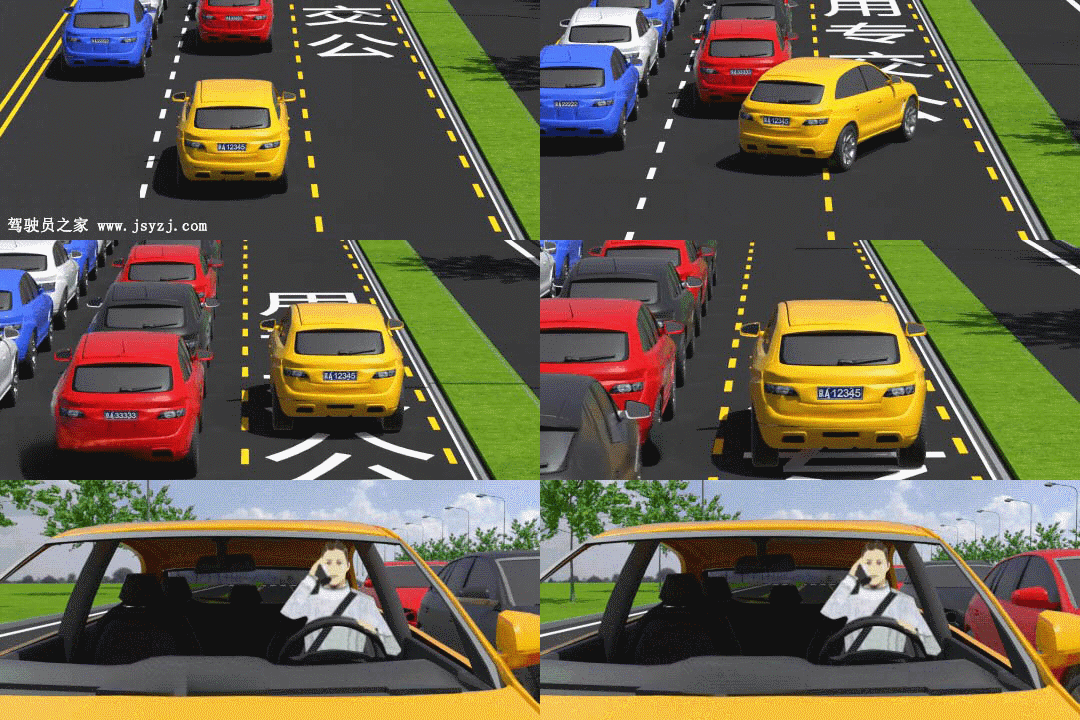
A、One
B、Two
C、Three
D、Four
Answer:B
34、When the driver discovers a tire is leaking and steers the vehicle off the main driving lane, he/she should refrain from applying emergency braking so as to avoid a vehicle turnover or a rear-end collision arising from the late braking of the vehicle behind.
Answer:Y
35、When driving on the expressway in a heavy rain, what should the driver do to avoid "water sliding" phenomenon?
A、Install slide-proof devices
B、Speed up
C、Slow down
D、Continue to depress the brake
Answer:C
36、The sign on the right indicates that overtaking is allowed on the section ahead.
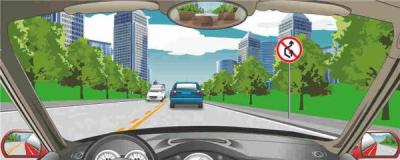
Answer:N
37、When a motor vehicle enters an expressway from the ramp, which of the following lamps should be turned on?
A、The left-turn indicator
B、The right-turn indicator
C、The hazard warning lamp
D、The headlamp
Answer:A
38、Motor vehicle drivers should rush to the top of the slope in this situation.
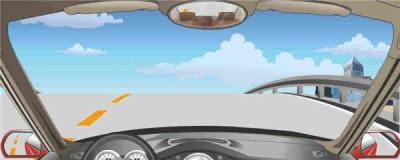
Answer:N
39、The white zig-zag line on the highway serves as a reference for the speed of a driver.
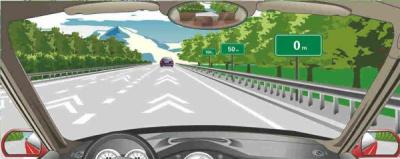
Answer:N
40、Under such circumstances, what should be done by the motor vehicle driver?
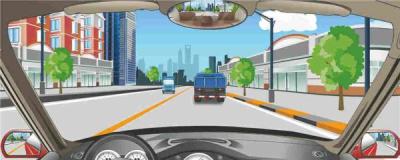
A、Overtaking the vehicle in front on its left
B、Overtaking by occupying the opposite lane
C、Overtaking the vehicle in front on its right
D、Following the vehicle in front
Answer:D
41、Motor vehicles should accelerate when driving into an intersection with this traffic signal.
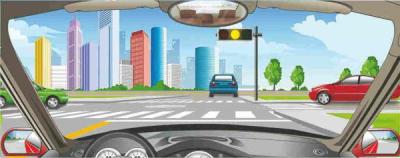
Answer:N
42、When a motor vehicle on an expressway stops in an emergency due to breakdown or an accident, what should the driver and the passengers do?
A、Stand in front of the motor vehicle
B、Wait in the motor vehicle for rescue
C、Stand behind the motor vehicle
D、Promptly move to the road shoulder on the right side or the emergency lane
Answer:D
43、The sign on the right indicates that sounding the horn is prohibited here.
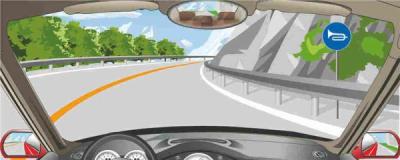
Answer:N
44、As shown in this picture, the intersection guide line is designed to help drivers make turns.
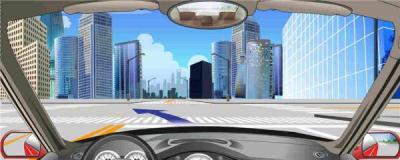
Answer:Y
45、vehicles may stop temporarily in this area.
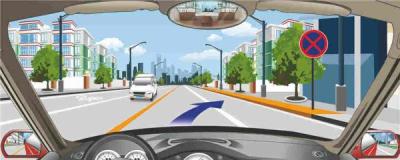
Answer:N
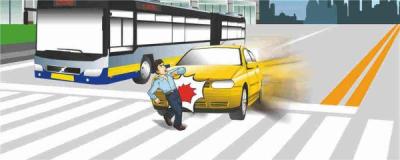
46、The main reason for this accident is that the pedestrian crossed the street in front of the motor vehicle.
Answer:N
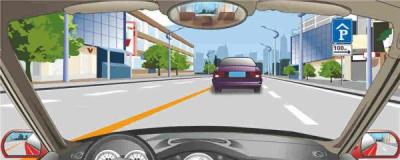
47、The sign in front indicates an indoor parking ground 100 meters ahead.
Answer:Y
48、When driving on a foggy day, what kind of lamps should the driver turn on?
A、Fog lamp and hazard lamp
B、Fog lamp and indicator
C、Fog lamp and high-beam
D、Fog lamp and low-beam
Answer:A
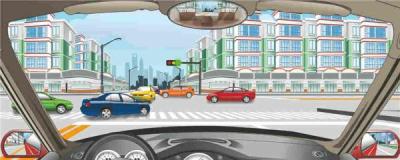
49、Under such circumstance at an intersection. motor vehicle drivers should be prepared to stop and yieldat any time.
Answer:Y
50、When a motor vehicle skids sideways on a muddy road, the driver should turn the steering wheel in the direction of the rear wheel skidding to properly adjust the direction.
Answer:Y
- 湖北科目四英文版题目 相关内容
- 中国人在外国考驾驶证在中国能用吗 江西英文考驾照用语 新疆驾考科目四英文版题库 宁夏驾考科目四英语版书 黑龙江科目四考试英文版 云南科目一考题英文版 江苏外国人考科目四 英文 吉林科目四考试英文版 天津2025科目一考试英文 广东驾考科目四英语版PDF 驾考科目四英语版PDF 浙江驾校考试英文版 江西考驾照的英文单词 河南驾校一点科目一英文版 甘肃外国人考科目四 英文
Copyright © 2025 驾考 版权所有