
- 科目一考试
- 顺序练习
- 随机练习
- 强化练习
- 模拟考试
- 科目四考试
- 顺序练习
- 随机练习
- 强化练习
- 模拟考试
- 外国语言版题库
- 英语题库
- 德语题库
- 韩语题库
- 日语题库
- 俄语题库
- 法语题库
- 西班牙语题库
- 阿拉伯语题库
- 摩托车英文题
江西科目四英文版在哪里找
-
1、Under such circumstances, what should motor vehicle drivers do?
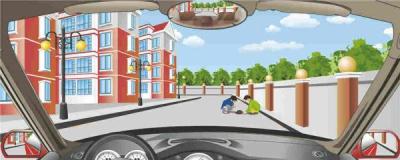
A、Continuously sound the horn
B、Pass quickly
C、Pass at a lower speed
D、Bypass from either side
Answer:C
2、The sign on the right indicates that driving along left side only.
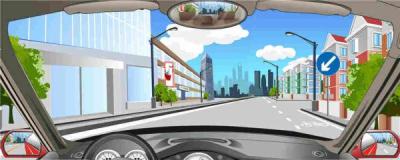
Answer:Y
3、Before setting off, it is necessary to check the driving cabin, engine cabin, external and tires of the motor vehicle.
Answer:Y
4、The red car is allowed to drive on this lane.
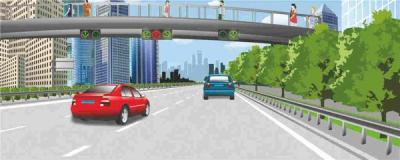
Answer:N
5、How to run when encountering this situation at the intersection?
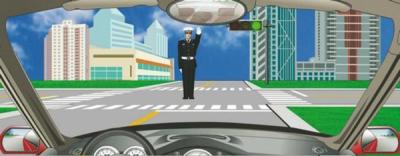
A、stop and wait
B、obey the traffic lights
C、run straight on the right side
D、may turn right
Answer:A
6、The sign on the right warns of low-lying road ahead.
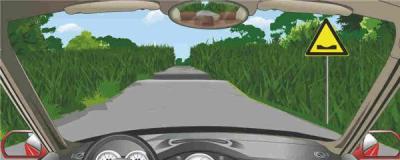
Answer:Y
7、When parking temporarily in this situation, motor vehicle drivers are allowed to turn the steering wheel right to avoid sliding.
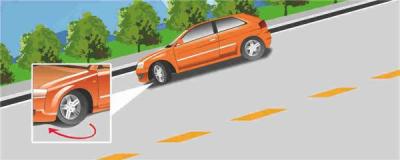
Answer:Y
8、Which of the following is a basic requirement for rescuing the injured at the scene of a traffic accident?
A、Treat wounds first and safe life later
B、Save life first and treat wounds later
C、Help lightly wounded persons first
D、Help seriously wounded persons later
Answer:B
9、The sign on the right warns for children on the section ahead.
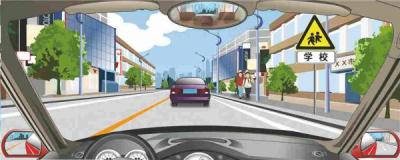
Answer:Y
10、The sign on the right indicates notice by sounding the horn.
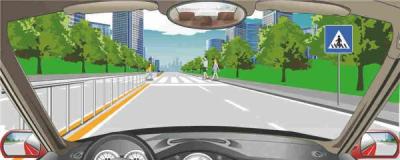
Answer:N
11、When driving on an expressway, where should the driver park?
A、The service area
B、The acceleration lane
C、The deceleration lane
D、On the ramp
Answer:A
12、When reversing in this condition, in which of the following ways can motor vehicle drivers keep safe?
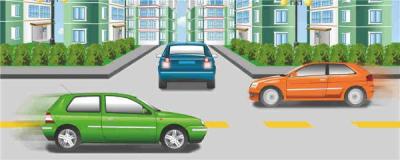
A、Reverse at a lower speed
B、Voluntarily stop and yield
C、Continuously sound the horn to alert
D、Reverse in a clockwise direction
Answer:B
13、Which is the wrong measure to avoid tire burst?
A、Reduce tire pressure
B、Check tires regularly
C、Remove foreign matters from the tire tread grooves timely
D、Replace tires that have cracks or deep cuts
Answer:A
14、At 3: 40 a.m. one day, Mr. Sun drove a large bus with 54 passengers(capacity 55 people). At the spot of 229 kilometers mark by 300 meters on Suiyue Expressway, the bus had a rear-end collision with a heavy semi-trailer driven by Mr. Li when passengers were getting off from the bus. As a result of the accident, 26 people were killed and 29 injured. According to the investigation afterwards, Mr. Li had been driving the bus since he left the place of departure at 6 p.m. the day before without any rest. What are the main illegal acts of the two drivers?
A、Mr. Sun illegally parked
B、Mr. Sun carried more passengers than permitted
C、Mr. Li exceeded speed limit
D、Mr. Li kept driving when tired
Answer:AD
15、When a motor vehicle stops in snow, which lamp should be turned on?
A、Front and rear fog lamps, clearance lamp and rear position lamp
B、Reverse lamp, clearance lamp and rear position lamp
C、Headlamp, clearance lamp and rear position lamp
D、Hazard lamps, clearance lamp and rear position lamp
Answer:D
16、As shown in the flash, the motor vehicle chooses a correct way to pass through the level crossing.
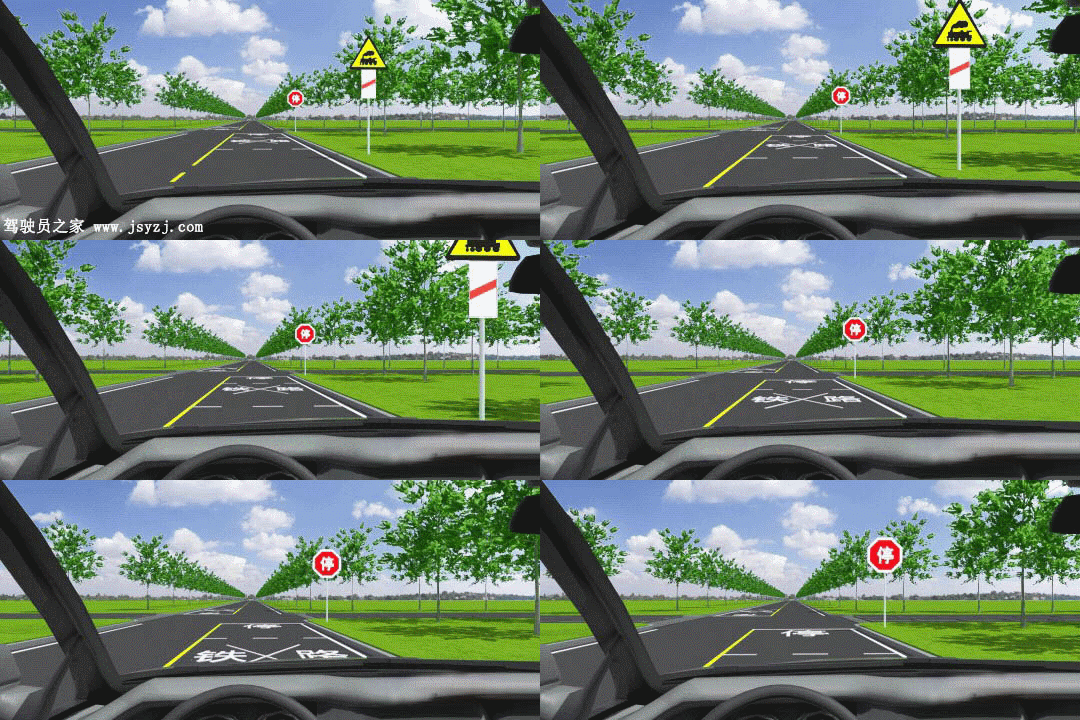
Answer:Y
17、Which of the following is an inflammable solid material?
A、Matches
B、Gun powder
C、Calcium carbide
D、Explosives
Answer:A
18、The driver should pay attention to the left side when the motor vehicle passes this intersection.
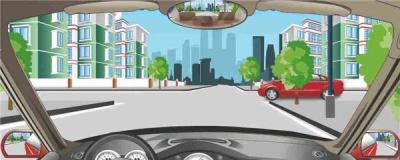
Answer:N
19、When a tire suddenly bursts on the road, what should not be done by the driver?
A、Keep calm and release the accelerator pedal slowly
B、Hold the steering wheel firmly to ensure the vehicle goes straight
C、Apply emergency braking and stop the vehicle in the shortest possible time
D、Gently depress the brake pedal after the vehicle slows down
Answer:C
20、Rescue personnel should check the breath of the unconscious person before applying any other emergency treatment.
Answer:Y
21、Crossing the broken white line on the right edge of the road is allowed.
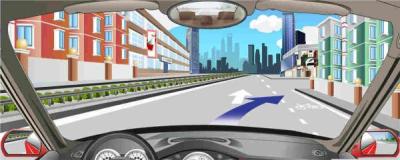
Answer:Y
22、When driving on a damp and slippery road, drivers should avoid using the emergency brake to his/her best ability.
Answer:Y
23、Motor vehicle drivers may reverse at an intersection.
Answer:N
24、The sign on the right indicates the road width ahead is limited to 3 meters.
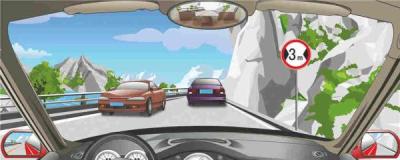
Answer:Y
25、When approaching the turning point of a road, in which of the following ways will motor vehicle drivers easily cause a traffic accident?
A、Driving ahead by occupying the opposite lane
B、Turning the steering wheel quickly when passing through the curve
C、Not reducing speed until driving onto the curve
D、Driving by the right side
Answer:ABC
26、When encountering such a situation, motor vehicle drivers should take the left lane.
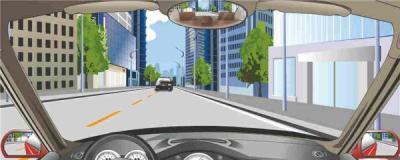
Answer:N
27、The driver should drive on the left in this kind of tunnel.
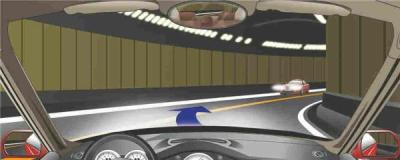
Answer:N
28、On which of the following roads may the wheels be most easily locked when braking?
A、Concrete road
B、Dirt road
C、Road covered by ice and snow
D、Sand road
Answer:C
29、When driving on a muddy road, the driver should hold the steering wheel firmly and speed up to pass through.
Answer:N
30、When driving on an expressway in rain, the driver should slow down to avoid steering failure arising from "water slide"
Answer:Y
31、When leaving an expressway, drivers should enter the ramp after slowing down in the deceleration lane.
Answer:Y
32、Under such circumstances, what should motor vehicle drivers do?
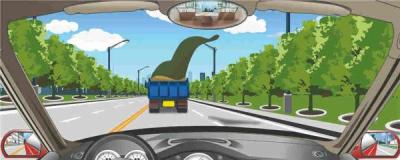
A、Follow the vehicle closely
B、Overtake the vehicle quickly on its left
C、Keep a long braking distance
D、Overtake the vehicle quickly on its right
Answer:C
33、It is illegal to change lanes without turning on indicators.
Answer:Y
34、The sign on the right indicates to stop and yield at the intersection ahead.
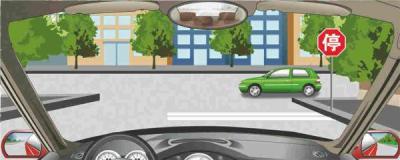
Answer:Y
35、When a bicycle occupies the motor vehicle lane and obstructs the traffic, the driver should sound the horncontinuously and speed up to bypass on the left of the bicycle.
Answer:N
36、As shown in this picture, the intersection guide line is designed to help drivers make turns.
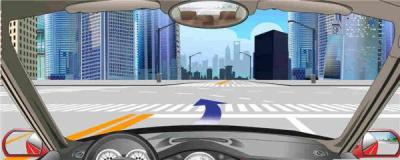
Answer:Y
37、The sign on the right warns of an unguarded railway crossing 150 meters ahead.
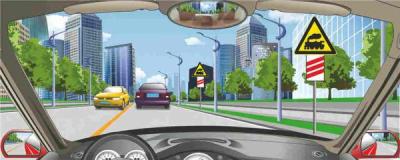
Answer:Y
38、When there is no bandage for rescuing a wounded person, towels, handkerchiefs, bed sheets and stockings can all be used for dressing.
Answer:Y
39、The signs on each side warn of changes in road alignment ahead.
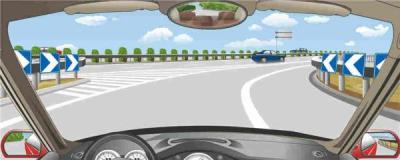
Answer:Y
40、When encountering a situation like changing to a left lane, motor vehicle drivers should vield.
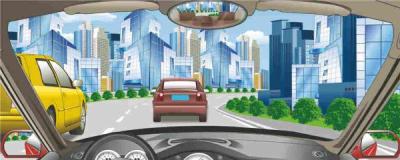
Answer:Y
41、When passing a sharp curve, motor vehicle drivers may overtake if there are few other vehicles on the road.
Answer:N
42、The sign on the right indicates a 2-kilometer distance from the Donglushan Service Area on the highway.
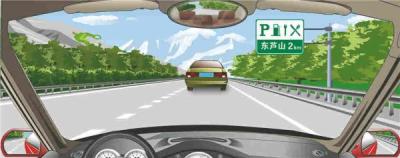
Answer:Y
43、The sign on the right warns of an abrupt slope section ahead.
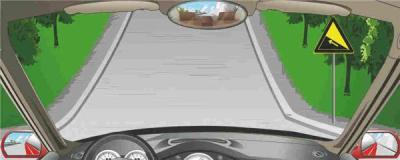
Answer:Y
44、Under such circumstances, motor vehicle drivers should bypass on the left quickly.
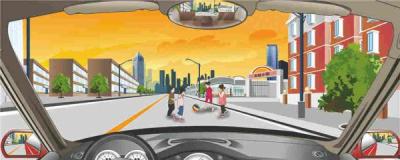
Answer:N
45、The road marker on the right side indicates that drivers may overtake by borrowing this road.
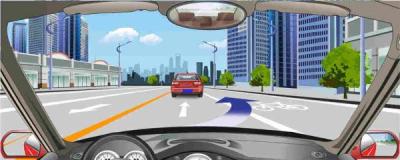
Answer:N
46、When running on an expressway with three lanes in each direction, which one of the following lanes is not appropriate for the motor vehicle to use if its speed ranges between 90 kilometers per hour and 110 kilometers per hour?
A、The far left lane
B、The middle lane
C、The far right lane
D、Any lane
Answer:A
47、How many kinds of law-breaking acts are displayed in flash 3?

A、One
B、Two
C、Three
D、Four
Answer:B
48、The sign on the right warns of a dangerous mountainside road ahead.
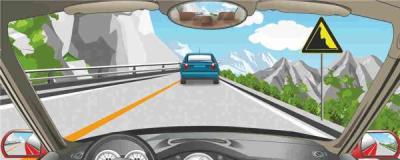
Answer:Y
49、The sign on the right indicates a bypass flow intersection ahead.
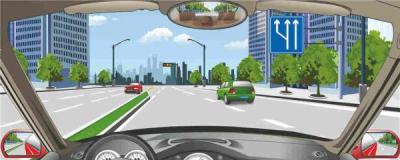
Answer:N
50、Motor vehicles should stop and wait when encountering two red lights flashing alternately at evel crossings.
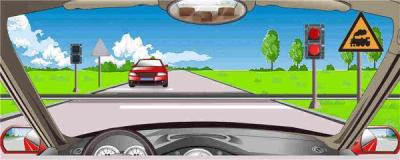
Answer:Y
- 江西科目四英文版在哪里找 相关内容
- 外国怎么考驾照 上海驾考科目四英文版题库 北京驾考科目四英语 外国学车 四川驾考科目四英语 天津科目四英文版 湖南英文驾考题库PDF电子版 福建驾照科目四英文版题库 海南英文驾考书 安徽驾考英文版题库 广东英文驾考科目四题库PDF电子版 江西2025科目四考题英文版 山西英语c1考试 海南英文驾考app 老外在中国考驾照需要什么材料 西藏科目四英文版练习题库
Copyright © 2025 驾考 版权所有