
- 科目一考试
- 顺序练习
- 随机练习
- 强化练习
- 模拟考试
- 科目四考试
- 顺序练习
- 随机练习
- 强化练习
- 模拟考试
- 外国语言版题库
- 英语题库
- 德语题库
- 韩语题库
- 日语题库
- 俄语题库
- 法语题库
- 西班牙语题库
- 阿拉伯语题库
- 摩托车英文题
新疆外国人考科目四 英文
-
1、What's the main impact of foggy weather on safe driving?
A、Easy to slide sideways
B、Low visibility
C、Increase the resistance
D、Widen the field of vision
Answer:B
2、When encountering this situation in a residential area, the driver should follow them closely.
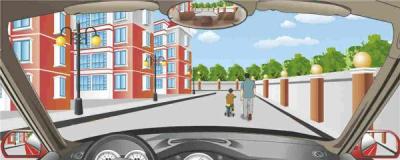
Answer:N
3、what should motor vehicle drivers do under the circumstances shown in the flash?
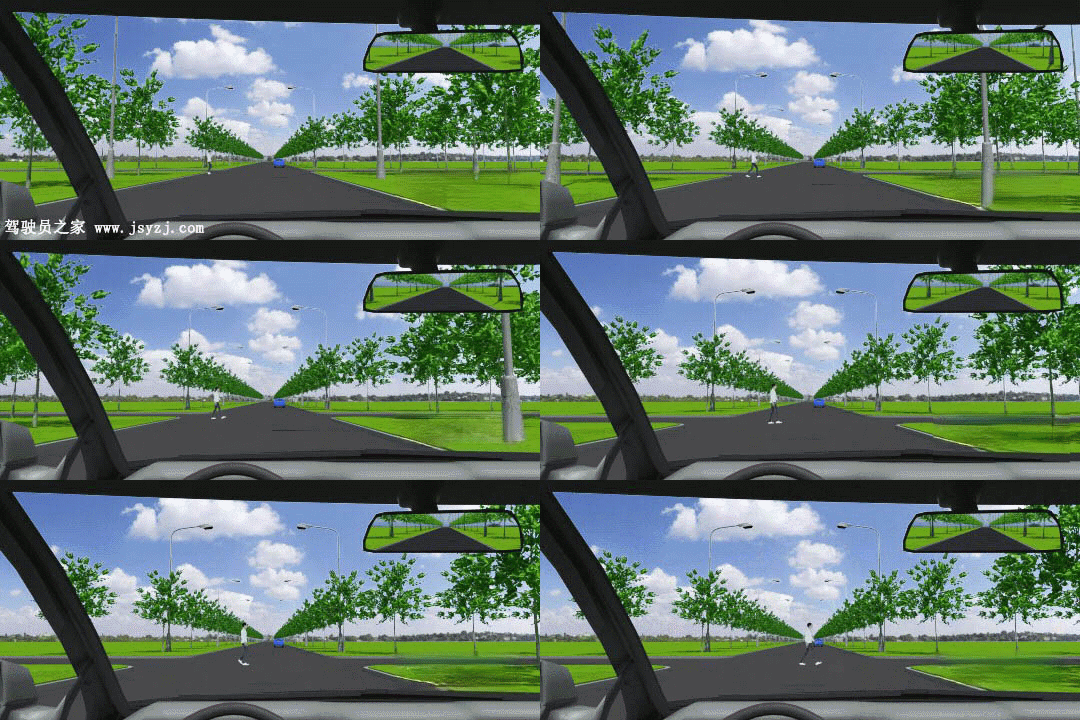
A、Reduce speed or stop to yield
B、Sound the horn to warn the pedestrians to yield
C、Pass before the pedestrians
D、Immediately change to another lane to bypass the pedestrians
Answer:A
4、The sign on the right warns of no passing due to collapse on the road ahead.
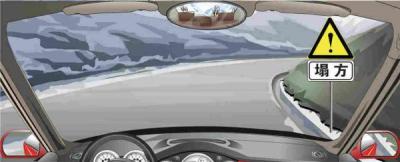
Answer:N
5、Motor vehicle drivers may make a U-turn in the broken line area as long as it will not affect the normal traffic flow.
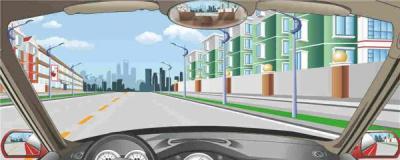
Answer:Y
6、When two vehicles approach each other on a foggy day, what is the best method of safe driving?
A、Turn on the high-beam
B、Slowdown and maintain a large safety distance
C、Turn on the low-beam
D、Turn on the fog lamp
Answer:B
7、When driving on a damp and slippery road, drivers should avoid using the emergency brake to his/her best ability.
Answer:Y
8、For a temporary stop on a foggy day, the driver should only turn on the fog lamp and the low-beam
Answer:N
9、When rescuing a wounded person suffering from bone fracture, which of the following should be kept in mind?
A、Immediately send him/her to the hospital on a stretcher
B、Properly change the original posture when the injured person wounded
C、Dress the fracture with a bandage
D、Do not move the fractured body-part
Answer:D
10、What should motor vehicle drivers do when going straight and passing through the intersection ahead?
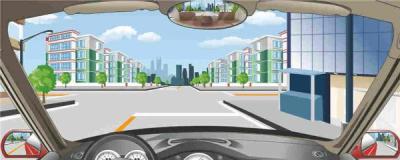
A、Reduce speed when approaching the intersection
B、Reduce speed after entering the intersection
C、May pass through the intersection without speed reduction
D、Accelerate in advance to pass through the intersection
Answer:A
11、When evading an emergency, except for being calm what principle should be held by drivers?
A、Evading people first and then objects
B、Evading objects first and then vehicles
C、Evading vehicles first and then people
D、Evading objects first and then people
Answer:A
12、When a motor vehicle breaks down on a mountain road, what should the driver do?
A、Park on a downhill section
B、Park on an uphill section
C、Park on a gentle section of the mountain road
D、Park on the crest of a slope
Answer:C
13、How many kinds of law-breaking acts are displayed in flash 5?
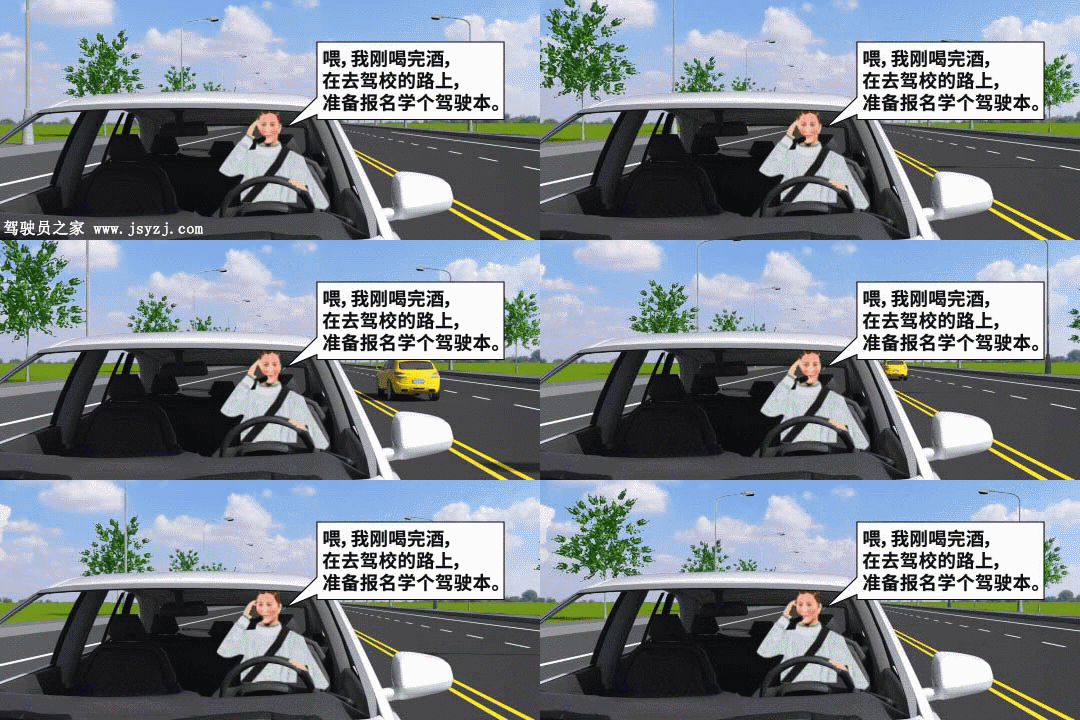
A、One
B、Two
C、Three
D、Four
Answer:C
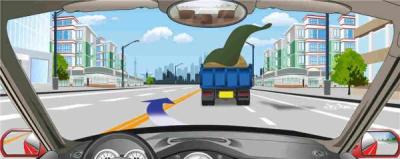
14、Drivers may temporarily cross these central solid double yellow lines when overtaking.
Answer:N
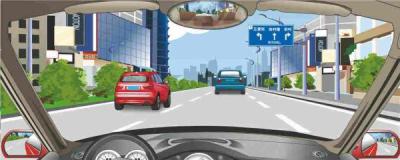
15、The sign in front is an advance announcement of the directions led by this intersection.
Answer:Y
16、The guide arrow on the road surface of this lane indicates that only right turns are permitted at the intersection ahead.
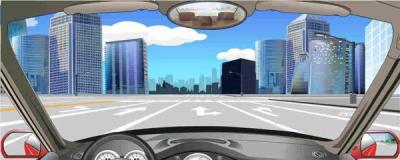
Answer:N
17、When a motor vehicle accidentally hits a guardrail of a highway, the driver should stabilize and adjust the steering wheel properly, and refrain from turning the steering wheel drastically.
Answer:Y
18、What should drivers keep in mind when driving on amountainous road?
A、Keep a safe distance
B、Avoid occupancy of another lane when making a turn
C、Downshift in advance when ascending an abrupt slope
D、Taking full advantage of engine braking when descending a long slope
Answer:ABCD
19、When the speed indicated by the speed limit sign on the highway contradicts the speed indicated for the specific lanes the speed indicated for the specific lanes should prevail.
Answer:N
20、Mr. Tang drove a large bus with 74 passengers (capacity 30 people). When descending a long curving slope at a speed of 38 kilometers per hour, the bus overturned to a brook beside the road. As a result of the accident, 17 people were killed and 57 people injured. What's the main illegal act committed by Mr. Tang?
A、Driving after drinking
B、Carrying more passengers than permitted
C、Fatigued driving
D、Speeding
Answer:BD
21、It is illegal to change lanes without turning on indicators.
Answer:Y
22、vehicles may stop temporarily in this area.
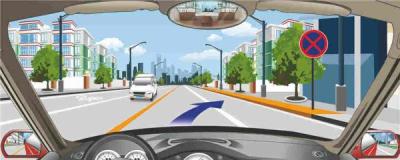
Answer:N
23、What should the driver do in case the public bus suddenly pulls out from this bus station?
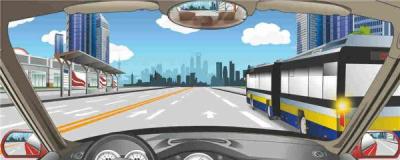
A、Stop behind the public bus
B、Overtake the public bus rapidly
C、Slow down and overtake the public bus slowly
D、Sound the horn continuously to warn the public bus
Answer:C
24、After a motor vehicle enters the ramp from an expressway, it should reduce its speed below the prescribed speed limit.
Answer:Y
25、At this moment, the driver may speed up and pass the intersection rapidly.
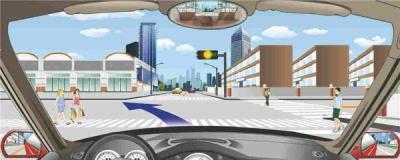
Answer:N
26、When such circumstances happen suddenly, what should the driver do?
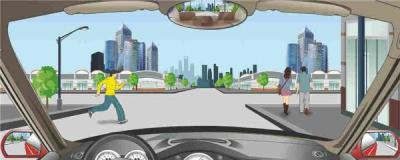
A、Reduce speed or stop to yield
B、Bypass in front of the pedestrians
C、Continuously sound the horn to alert the pedestrians
D、Bypass from behind the pedestrians
Answer:A
27、What should the driver do upon seeing this sign?
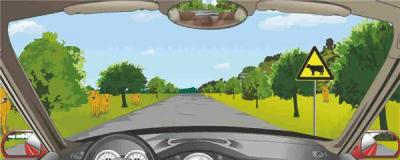
A、Slow down, look and pass slowly
B、Sound the horn to drive them away
C、Go through from the spaces between animals
D、Drive slowly and drive them away from the motor venicle
Answer:A
28、When a motor vehicle skids sideways on a muddy road, the driver should turn the steering wheel in the direction of the rear wheel skidding to properly adjust the direction.
Answer:Y
29、How many kinds of law-breaking acts are displayed in flash 1?
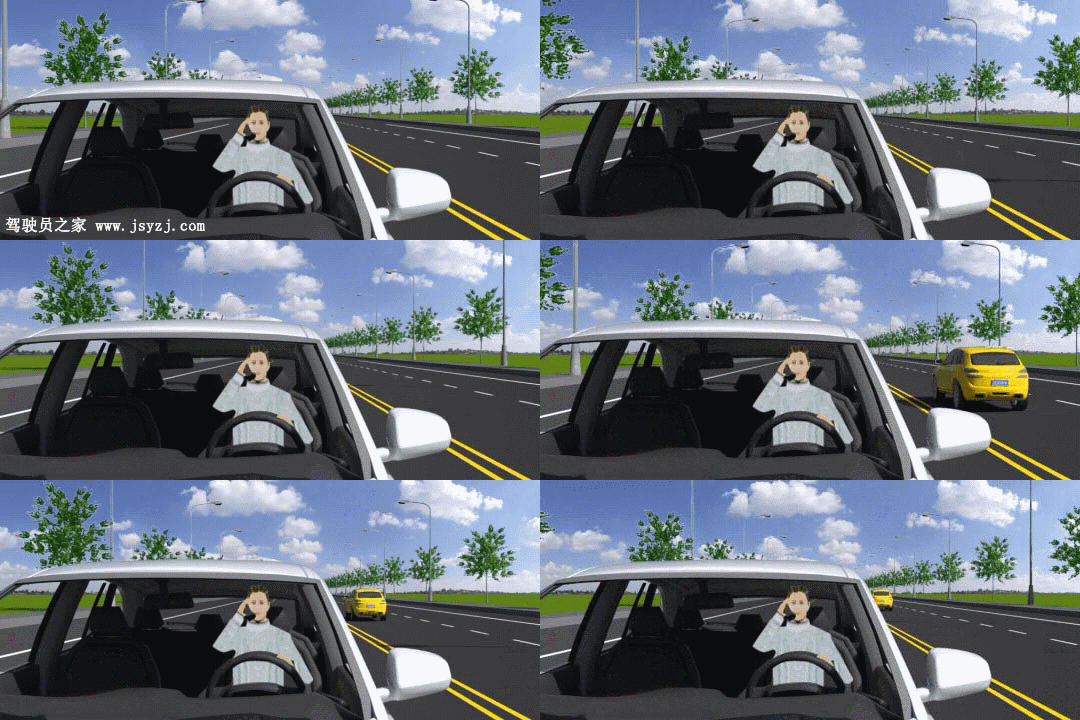
A、One
B、Two
C、Three
D、Four
Answer:B
30、When a motor vehicle breaks down and cannot be moved away from the expressway, the driver and all passengers should stay in the vehicle and wait for the rescue personnel.
Answer:N
31、When extinguishing fire, the synthetic-made garments should not be taken off in order to protect the exposed skin from burning.
Answer:N
32、Under the circumstances shown in the flash, what should the driver do?
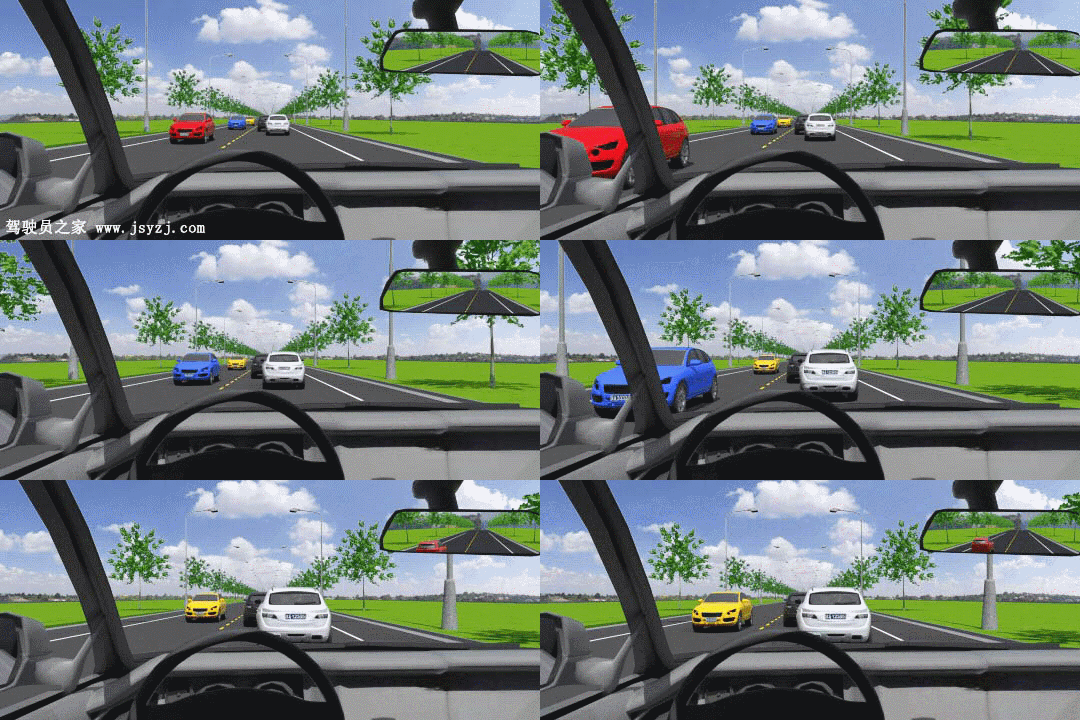
A、Find a chance to overtake the vehicle in front
B、Weave through motor vehicles ahead and pass
C、Reduce speed, stop, and wait in line
D、Sound the horn to urge vehicles in front
Answer:C
33、The sign on the right indicates that turning right is not permitted at the intersection ahead.
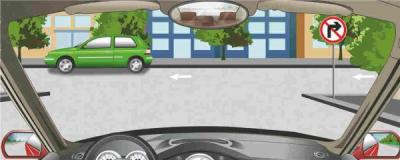
Answer:Y
34、The sign on the left indicates U-turn is allowed here.
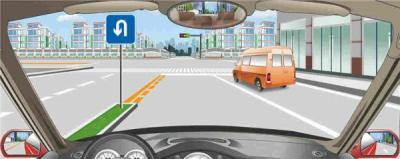
Answer:Y
35、Gun powder, explosives and detonating powder belong to which of the following dangerous chemicals?
A、Oxidizing materials
B、Inflammable solid materials
C、Explosives
D、Self-igniting articles
Answer:C
36、When driving on a foggy day, what kind of lamps should the driver turn on?
A、Fog lamp and hazard lamp
B、Fog lamp and indicator
C、Fog lamp and high-beam
D、Fog lamp and low-beam
Answer:A
37、A motor vehicle may stop and yield if it encounters any problem when changing to the driving lane from an acceleration lane.
Answer:N
38、The sign on the right warns of an embankment road 200 meters ahead.
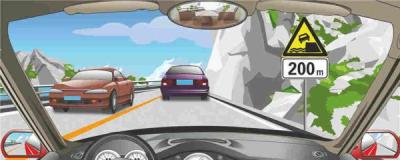
Answer:Y
39、When a motor vehicle leaves an expressway, which of the following lamp should be turned on?
A、The left-turn indicator
B、The right-turn indicator
C、The hazard warning lamp
D、The headlamp
Answer:B
40、How should the driver pass this place safely?
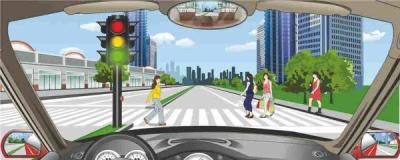
A、Speed up and pass in the front of the pedestrians
B、Bypass behind the pedestrians
C、Slow down and sound the horn
D、Stop and wait until the pedestrians pass
Answer:D
41、hen there is a braking failure on a downhill road the driver should immediately try to find and drive to an emergency lane; after stopping the vehicle on the emergency lane, the driver should pull up the stopping brake so as to prevent a second danger arising from the vehicle sliding.
Answer:Y
42、When encountering an obstacle on one side of the road, what should vehicles do as they approach each other?
A、The vehicle not encountering an obstacle should Yield to the other vehicle
B、The slower vehicle should yield to the faster
C、The vehicle encountering an obstacle should yield to the other vehicle
D、The faster vehicle should yield to the slower
Answer:C
43、The sign on the right warns of entering a tunnel, and requires reduced speed.
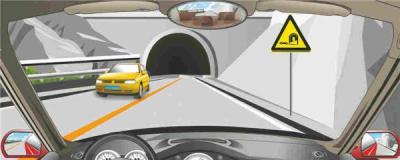
Answer:N
44、The motor vehicle should slow down and pass slowly in this situation.
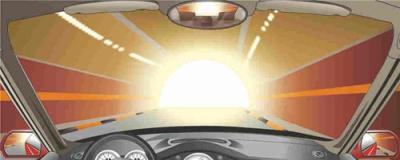
Answer:Y
45、Drivers may cross these central solid and broken yellow lines when overtaking.
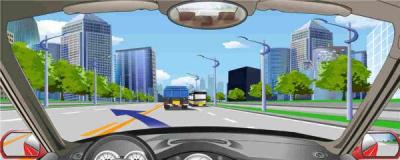
Answer:N
46、The sign on the right warns of an abrupt slope section ahead.
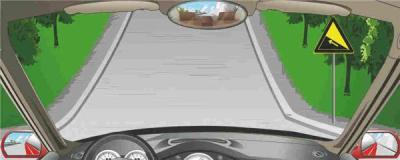
Answer:Y
47、The marking on the road surface indicates that the speed limit of this road section is 80 km/hour.
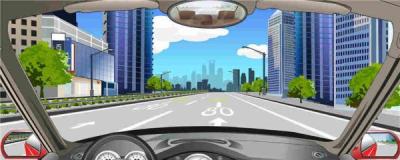
Answer:N
48、The sign on the right warns for children on the section ahead.
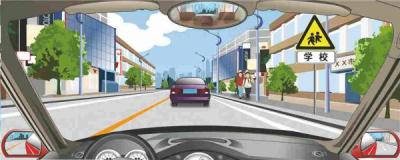
Answer:Y
49、When driving on an expressway in rain, the driver should slow down to avoid steering failure arising from "water slide"
Answer:Y
50、The sign on the right indicates that the speed limit of 40km/hour is lifted on the road ahead.
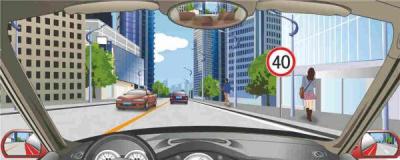
Answer:N
- 新疆外国人考科目四 英文 相关内容
- 海南外国人考驾照科目一 重庆驾考科目四英语版PDF 海南驾考有英文版吗 内蒙古驾考科目一英语版书 北京英文驾考PDF题库 贵州英文版驾考 重庆外国人考驾照科目一 天津驾考英语版PDF题库 广西英文驾考PDF题库 广东科目四考试英文版 四川驾考英语版PDF题库 广西英文版驾考 黑龙江外国人考驾照科目四 青海科目一考题英文版 安徽英语c1科目四考试 老外考驾照的理论考题有哪些内容和题目
Copyright © 2025 驾考 版权所有