
- 科目一考试
- 顺序练习
- 随机练习
- 强化练习
- 模拟考试
- 科目四考试
- 顺序练习
- 随机练习
- 强化练习
- 模拟考试
- 外国语言版题库
- 英语题库
- 德语题库
- 韩语题库
- 日语题库
- 俄语题库
- 法语题库
- 西班牙语题库
- 阿拉伯语题库
- 摩托车英文题
四川驾照科目四英文版题库
-
1、The guide arrow on the road surface of this lane indicates that only U-turns are permitted at the intersection ahead.
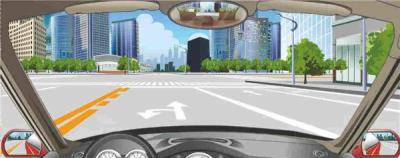
Answer:N
2、Mr. Zhao (with an A2 driving license) drove a large sleeper coach on the No. 219 National Road in Yecheng County. When passing a curve at the spot of 226 kilometers mark by 215 meters on the road, the coach fell into the ravine on one side, killing16 people and injuring 26. What's the main illegal act committed by Mr Zhao?
A、Carrying more passengers than permitted
B、Driving a motor vehicle having failed to accept inspection in time
C、Driving an unpermitted vehicle type
D、Fatigued driving
Answer:C
3、The sign on the right warns of a non-motor vehicle lane.
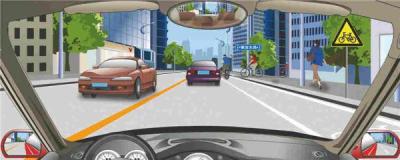
Answer:N
4、What should the driver pay attention to in this situation?
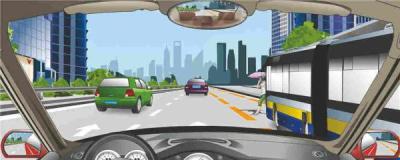
A、Pedestrians passing behind the vehicle
B、Pedestrians passing in front of the vehicle
C、Public buses suddenly reversing
D、Public buses suddenly setting off
Answer:B
5、When the motor vehicle encounters a crosswalk in this situation, the driver may speed up and pass rapidly.
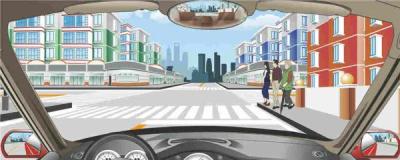
Answer:N
6、When encountering a road like this, motor vehicle drivers should downshift in advance to maintain the dynamic of the motor vehicle.
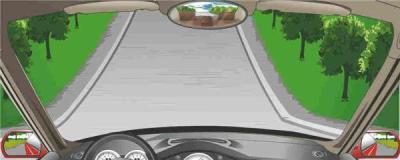
Answer:Y
7、The sign on the right indicates that the number of the lanes ahead will increase.
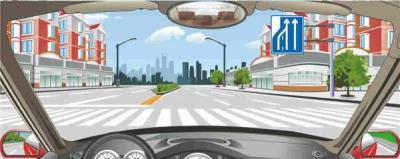
Answer:N
8、Motor vehicles are prohibited from stopping on the ramp of an expressway.
Answer:Y
9、What caused this drivers death in an accident?
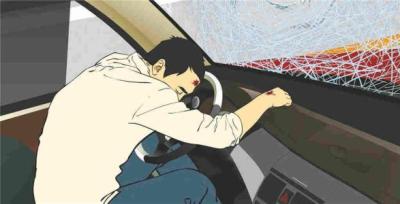
A、Failing to fasten seatbelt
B、Positioned too close to the steering wheel
C、Failing to hold the steering wheel
D、Failing to turn on SRS
Answer:A
10、How many kinds of law-breaking acts are displayed in flash 2?
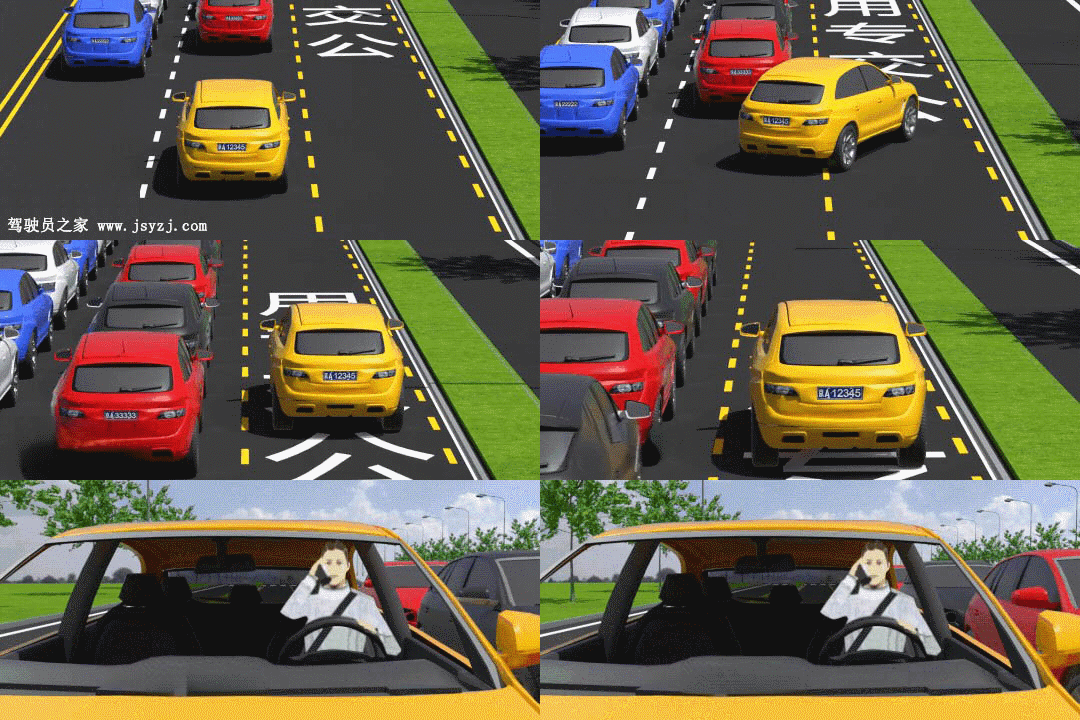
A、One
B、Two
C、Three
D、Four
Answer:B
11、If the road condition behind is good, motor vehicle drivers should reverse rapidly.
Answer:N
12、When a motor vehicle enters an expressway from the ramp, which of the following lamps should be turned on?
A、The left-turn indicator
B、The right-turn indicator
C、The hazard warning lamp
D、The headlamp
Answer:A
13、The sign on the right indicates that the vehicle should yield to the oncoming traffic as approaching each other.
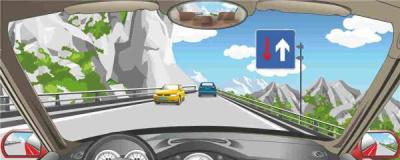
Answer:N
14、Under such circumstances, motor vehicle drivers may sound the horn at the proper time and speed up to pass through.
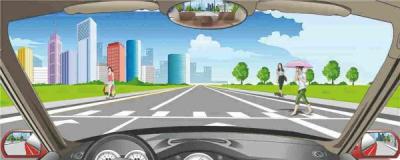
Answer:N
15、How to run when encountering this situation at the intersection?
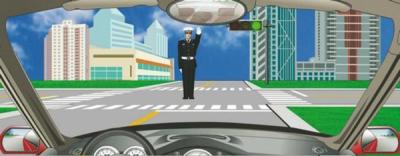
A、stop and wait
B、obey the traffic lights
C、run straight on the right side
D、may turn right
Answer:A
16、Those traffic police signals mean turning right.
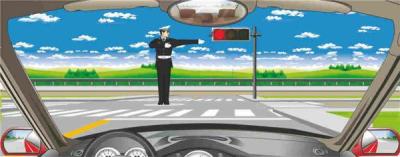
Answer:N
17、The sign on the right warns of a guarded crossing 150 meters ahead.
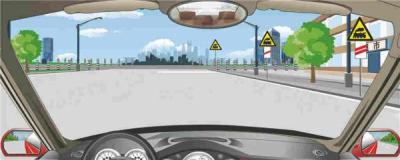
Answer:N
18、The sign on the left indicates no U-turn at the intersection ahead.
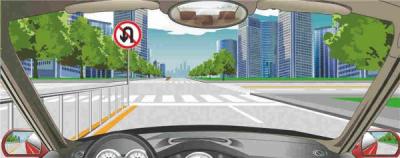
Answer:Y
19、When driving on the expressway in a heavy rain, what should the driver do to avoid "water sliding" phenomenon?
A、Install slide-proof devices
B、Speed up
C、Slow down
D、Continue to depress the brake
Answer:C
20、After a motor vehicle falls into water, the driver won't be able to open the side doors or windows to escape until water nearly fills up the compartment.
Answer:Y
21、What should the driver do if the back wheel slides to the right on a muddy road?
A、Continuously speed up
B、Turn right
C、Turn left
D、Apply emergency brake
Answer:B
22、Motor vehicle drivers are allowed to overtake as long as there are no oncoming vehicles.
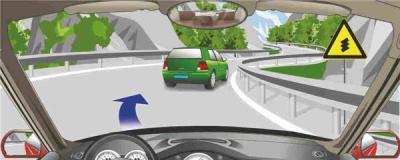
Answer:N
23、The driver should drive on the left in this kind of tunnel.
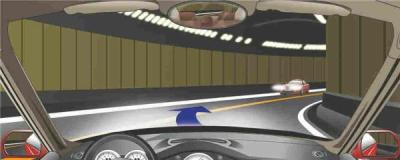
Answer:N
24、Motor vehicles drivers may overtake by borrowing the opposite lane on this kind of road.
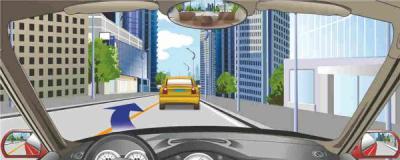
Answer:N
25、Which one of following ways is the safest when driving a motor vehicle on this road?
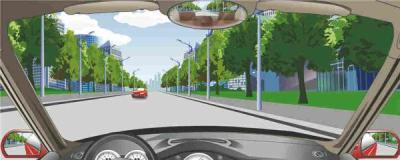
A、Driving along the central line of the road
B、Driving along the right side of the road
C、Driving at the middle of the road
D、Driving along the left side of the road
Answer:B
26、How many kinds of law-breaking acts are displayed in flash 6?
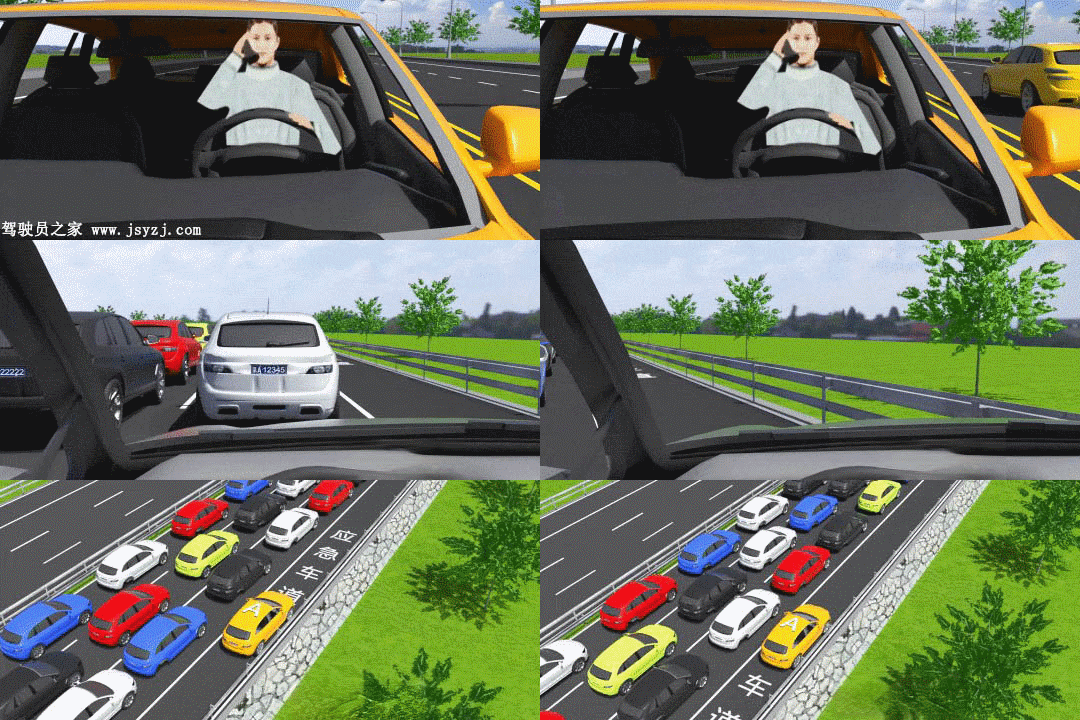
A、One
B、Two
C、Three
D、Four
Answer:C
27、Drivers may turn left when traffic police give these hand signals.
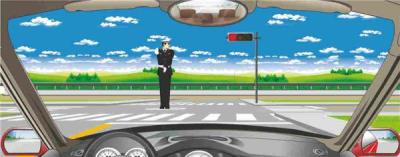
Answer:N
28、When braking, side skid or tail swing may occur if the rear wheels are blocked.
Answer:Y
29、When driving on road sections where safe sight distance is affected, such as the top of a ramp, what should drivers do to ensure safety?
A、Rush through
B、Use hazard lamp
C、Cut speed and sound the horn
D、Drive at will
Answer:C
30、When encountering this situation at the gate of a school, the driver should prepare to stop.
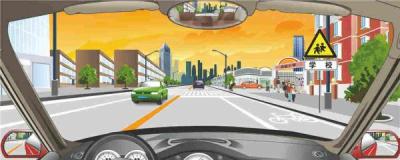
Answer:Y
31、When rescuing a wounded person suffering from spinal fracture, which of the following measuresshould be taken?
A、Prevent heat loss
B、Rescue the wounded person with a soft stretcher
C、Keep the wounded part in position with a sling
D、Help the wounded person when walking
Answer:C
32、When a motor vehicle encounters an accident on an expressway, the driver and all passengers should not get off the vehicle and walk around at will.
Answer:N
33、Which of the following is a safe way for motor vehicles to pass the intersection marked with this sign?
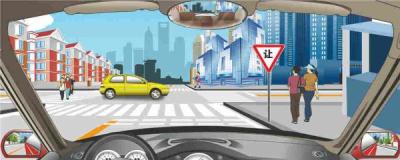
A、Stop and observe the traffic situation around the intersection
B、Approach the intersection by speeding up
C、Observe the traffic situation on the left rear side
D、Approach the intersection at a reduced speed
Answer:D
34、When driving on a foggy day, what kind of lamps should the driver turn on?
A、Fog lamp and hazard lamp
B、Fog lamp and indicator
C、Fog lamp and high-beam
D、Fog lamp and low-beam
Answer:A
35、When a gas tanker is leaking heavily, which of the following measures is wrong?
A、Cut off the power
B、Wear gas mask and protect gloves
C、Turn off the valve to stop leaking
D、Evacuate people to the leeward side
Answer:D
36、When a motor vehicle slides sideways, how should the driver adiust the direction?
A、If the front wheels skid sideways, turn the steering wheel in the direction of the skid
B、If the front wheels skid sideways, turn the steering wheel in the opposite direction of the skid
C、If the rear wheels skid sideways, turn the steering wheel in the direction of the skid
D、If the rear wheels skid sideways, turn the steering wheel in the opposite direction of the skid
Answer:BC
37、What should the driver pay attention to when the motor vehicle on the main road approaches a junction with a feeder road?
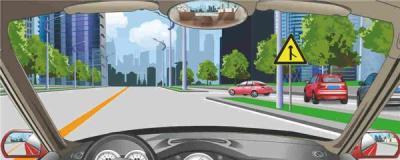
A、Slow down in advance and pay attention to other motor vehicles
B、Maintain the normal speed
C、Sound the horn and pass rapidly
D、Speed up and pass rapidly
Answer:A
38、What should the driver do when seeing these hand signals?
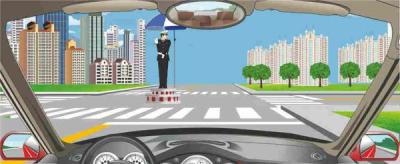
A、Go straight and pass through the intersection
B、Stop and wait
C、Turn right at the intersection
D、Turn left at the intersection
Answer:B
39、Having driven his truck at 90km/hour on an urban road without road lamps, Mr. Zhou is passing a narrow road using the high-beam and cutting off the way of an oncoming passenger car that runs into the right guardrail as a consequence. Which of the following law-breaking acts did Mr Zhou commit?
A、Speeding
B、Approaching a vehicle not in accordance with related regulations and rules
C、Fatigued driving
D、Using lamps not in accordance with related regulations and rules
Answer:ABD
40、On which of the following roads may the wheels be most easily locked when braking?
A、Concrete road
B、Dirt road
C、Road covered by ice and snow
D、Sand road
Answer:C
41、If a motor vehicle encounters a strong side wind when it leaves the opening of an expressway tunnel, what will happen?
A、A feeling of deceleration
B、A feeling of acceleration
C、A feeling of pressure
D、Deviation in direction
Answer:D
42、The sign in front indicates the name and number of the highway.
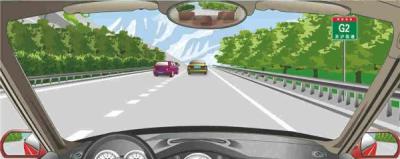
Answer:Y
43、Motor vehicle drivers should rush to the top of the slope in this situation.
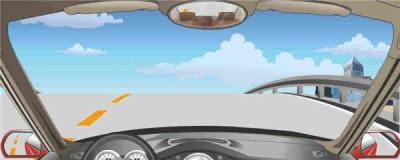
Answer:N
44、The sign on the right warns of a widened right-hand road ahead.
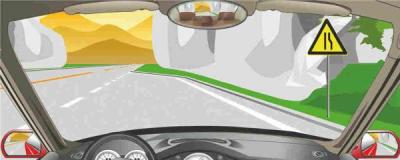
Answer:N
45、When a motor vehicle turns at an excessively high speed, it can easily slide sideways.
Answer:Y
46、Under such circumstances, motor vehicles are not allowed to overtake.
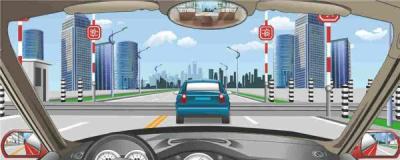
Answer:Y
47、A driver should speed up when passing through road sections with this traffic marking.
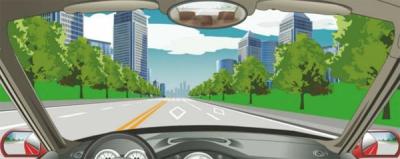
Answer:N
48、The motor vehicle should speed up and pass rapidly under this situation.
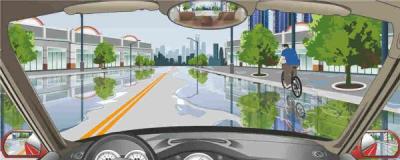
Answer:N
49、When the driver discovers a tire is leaking and steers the vehicle off the main driving lane, he/she should refrain from applying emergency braking so as to avoid a vehicle turnover or a rear-end collision arising from the late braking of the vehicle behind.
Answer:Y
50、The sign on the right warns of no passing due to collapse on the road ahead.
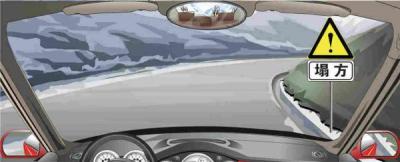
Answer:N
- 四川驾照科目四英文版题库 相关内容
- 北京科目一考题英文版 云南英文版考驾照 江苏英文驾考科目四题库PDF电子版 宁夏考驾照的英文单词 天津科目四考试英文版 北京驾考科目四英语 西藏驾考英文版题库 四川英文驾考书 天津驾照考试科目一英文版 北京驾照科目一英文版题库 贵州2025科目四英文版 江西2025科目一考试英文 内蒙古外国人考科目一 英文 广东外国人考驾照科目一 吉林外国人考驾照科目四 外国人驾照考试题库及答案大全视频
Copyright © 2025 驾考 版权所有