
- 科目一考试
- 顺序练习
- 随机练习
- 强化练习
- 模拟考试
- 科目四考试
- 顺序练习
- 随机练习
- 强化练习
- 模拟考试
- 外国语言版题库
- 英语题库
- 德语题库
- 韩语题库
- 日语题库
- 俄语题库
- 法语题库
- 西班牙语题库
- 阿拉伯语题库
- 摩托车英文题
宁夏科目四考题英文版
-
1、When encountering an obstacle on one side of the road, what should vehicles do as they approach each other?
A、The vehicle not encountering an obstacle should Yield to the other vehicle
B、The slower vehicle should yield to the faster
C、The vehicle encountering an obstacle should yield to the other vehicle
D、The faster vehicle should yield to the slower
Answer:C
2、When a front tire bursts, after controlling the driving direction, what should be done by the driver in order to slow down and stop?
A、Immediately change to a high gear
B、Immediately change to a low gear
C、Immediately change to the neutral gear
D、Apply emergency braking
Answer:B
3、The sign on the right indicates notice by sounding the horn.
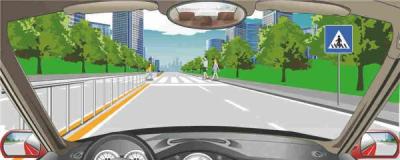
Answer:N
4、The broken white line rectangle area on the right side of the road indicates that long stopping is permitted here.
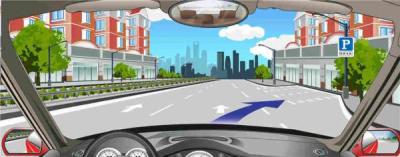
Answer:N
5、The sign on the right warns of an unguarded railway intersection ahead.
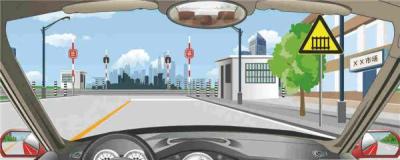
Answer:N
6、The sign on the right warns of a dangerous mountainside road on the left of the road ahead.
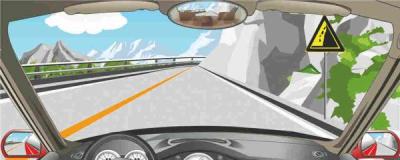
Answer:N
7、The red car is allowed to drive on this lane.
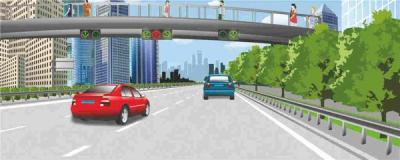
Answer:N
8、How will the adhesive force of road change when speed increases on a damp and slippery road?
A、Increase sharply
B、increase gradually
C、decrease sharply
D、No change
Answer:C
9、Motor vehicle drivers may make a U-turn in the broken line area as long as it will not affect the normal traffic flow.
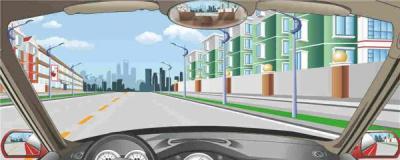
Answer:Y
10、Mr. Zhou drove a light van (with 22 passengers) on the Bingcha Highway. At the spot of 79 kilometers mark by 150 meters of the highway, the van fell into the valley on one side, killing 12 people and injuring 10. What's the main illegal act committed by Mr.Zhou?
A、Driving a motor vehicle having failed to accept inspection in time
B、Carrying passengers on a freight motor vehicle
C、Speeding
D、Fatigued driving
Answer:B
11、How many kinds of law-breaking acts are displayed in flash 2?
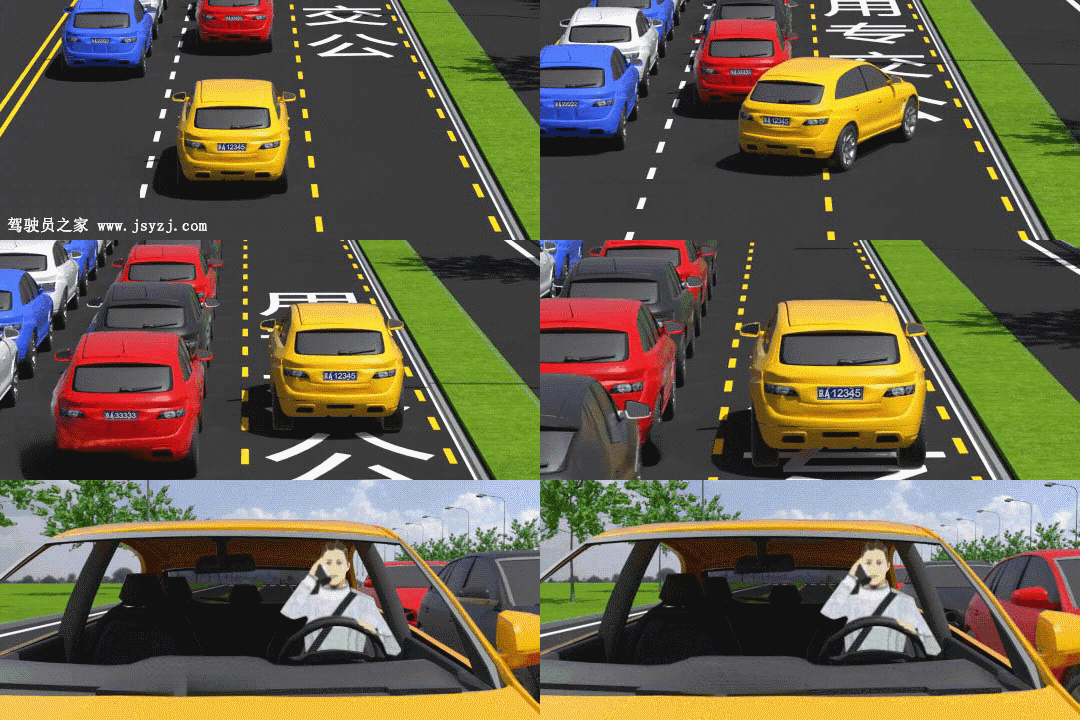
A、One
B、Two
C、Three
D、Four
Answer:B
12、Motor vehicles should stop and wait when encountering two red lights flashing alternately at evel crossings.
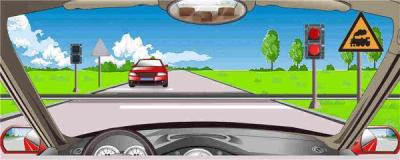
Answer:Y
13、Mr. Shi drove a low-speed cargo vehicle (capacity 1.2 tons)with 4.05 tons of cargo. At the spot of 51 kilometers mark by 260 meters on the No. 314 County Road in Ningjin County, the cargo vehicle had a head-on collision with a normally running midsize bus( capacity 11 people and carrying12) from the opposite direction after passing the central line of the road and overtaking the front vehicle in the same direction. As a result of this accident, 10 people were killed and 2 injured. What are the illegal acts in this case?
A、The cargo vehicle carried more cargo than capacity
B、The cargo vehicle illegally overtook other vehicles
C、The bus carried more passengers than capacit
D、The driver of the bus kept driving when tired
Answer:ABC
14、As shown in this picture, the vehicles intending to turn left are not allowed to drive into left-turn waiting area directly to wait for green light.
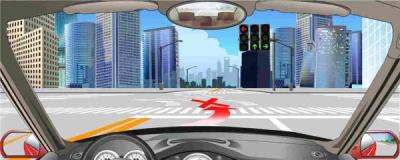
Answer:N
15、When driving on an expressway in rain, the driver should slow down to avoid steering failure arising from "water slide"
Answer:Y
16、The sign on the right warns of traffic signals ahead.
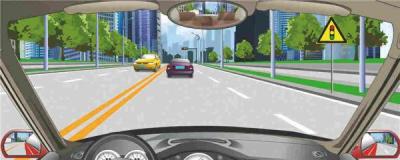
Answer:Y
17、When leaving an expressway, drivers should enter the ramp after slowing down in the deceleration lane.
Answer:Y
18、Motor vehicles drivers may overtake by borrowing the opposite lane on this kind of road.
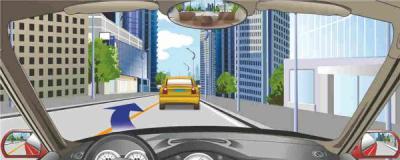
Answer:N
19、When driving a motor vehicle not equipped with the anti-lock braking system(ABS), what should the driver do if he/she brakes on a road covered by ice and snow?
A、Gently or intermittently depress the brake pedal
B、Depress the brake pedal as on other roads
C、Violently depress the brake pedal
D、Suddenly depress the pedal with force
Answer:A
20、Before driving, it is necessary to check whether the cooling liquid, engine oil and fuel oil, are leaking.
Answer:Y
21、When making a turn on a mountainous road, drivers should cut speed, sound the horn and drive along the right side.
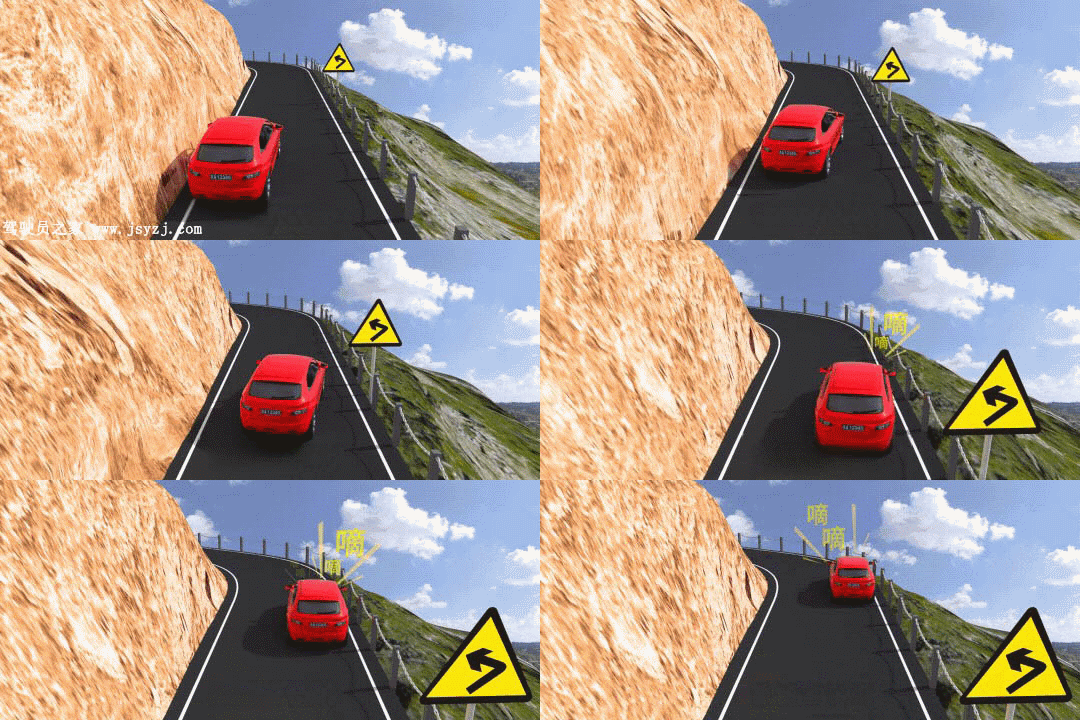
Answer:Y
22、When a motor vehicle passes over an inundated road drivers should change to a high gear and pass rapidly.
Answer:N
23、Under such circumstances, what should motor vehicle drivers do?
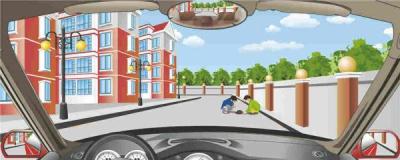
A、Continuously sound the horn
B、Pass quickly
C、Pass at a lower speed
D、Bypass from either side
Answer:C
24、When parking temporarily on a snowy day, drivers should turn on the headlamp and fog lamp.
Answer:N
25、Which of the following measures is correct for rescuing a person sustaining full-body burns?
A、Cover the fire with sandy soil
B、Spray cool water to his body
C、Put out the fire by extinguisher
D、Help to remove the burning clothes
Answer:B
26、In which ones of the following ways can motor vehicle drivers effectively prevent braking failure?
A、Maintaining the braking system periodically
B、Checking the free brake pedal travel before driving
C、Using the braking system correctly to avoid brake-fade
D、For vehicles with hydraulic braking system, checking if the brake fluid leaks before driving
Answer:ABCD
27、When a motor vehicle has deviated from the straight moving direction and an accident is unavoidable, the driver should decisively and continuously depress the brake pedal so as to shorten the stopping distance and reduce the impact of vehicle collision.
Answer:Y
28、When braking failure happens to a fast-moving motor vehicle, what should be done by the driver to brake?
A、Continuously depressing the brake pedal
B、Immediately changing to a low gear to reduce speed and using the handbrake
C、Swiftly depressing the clutch pedal
D、Swiftly pulling up the handbrake
Answer:B
29、A motor vehicle should not pass the level crossing rapidly in this situation.
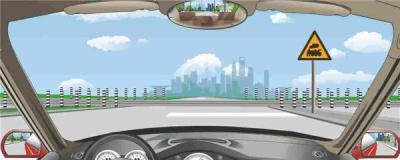
Answer:Y
30、What's the main impact of foggy weather on safe driving?
A、Easy to slide sideways
B、Low visibility
C、Increase the resistance
D、Widen the field of vision
Answer:B
31、The road marker indicates that vehicles are not allowed to make a U-turn at the intersection ahead.
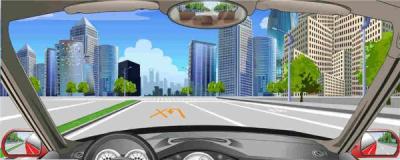
Answer:Y
32、Turning on the high-beam is an effective way to improve visibility in fog weather.
Answer:N
33、What should a driver do before entering a tunnel on an expressway
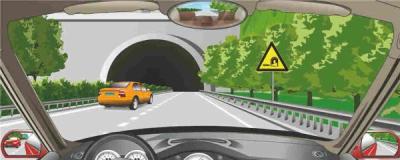
A、Turn on the high-beam
B、Turn on the width lamp and the tail lamp
C、Turn on the low-beam
D、Sound the horn before entering the tunnel
Answer:C
34、Drivers may temporarily cross these central broken and solid yellow lines when overtaking.
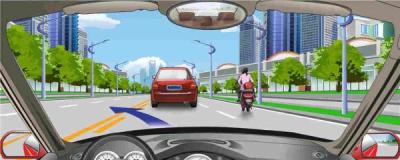
Answer:Y
35、The sign in front indicates a 2-kilometer distance from the destination of the highway ahead.
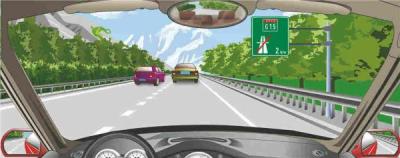
Answer:Y
36、When there is a braking failure on a downhill road, what should not be done by the driver?
A、Steering the motor vehicle to the uphill direction
B、Stopping the vehicle by rubbing the vehicle body against the rocks or trees on roadside
C、Driving to the emergency lane and stop the vehicle there
D、Pulling up the stopping brake or change the gear to two positions lower
Answer:D
37、At this moment, the driver may speed up and pass the intersection rapidly.
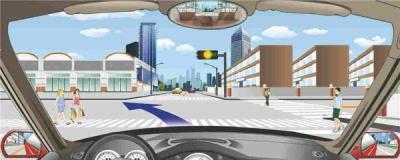
Answer:N
38、When passing an intersection, vehicle motor drivers are not allowed to overtake.
Answer:Y
39、The sign on the right warns of a guarded crossing 150 meters ahead.
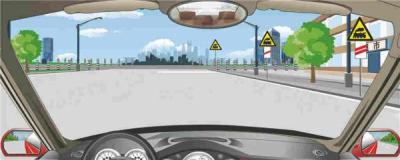
Answer:N
40、Having driven a medium passenger vehicle (carrying 27 passengers) to the southern end of Qianling Village of Sidu Town, Mr Xu drove upslope but the vehicle slid backward and dropped from an 80-meter cliff, killing 11 people and injuring 7. Which of the following law-breaking acts did Mr Luo commit?
A、Fatigued driving
B、Drunk driving
C、Exceeding the carrying capacity of the passenger vehicle
D、Speeding
Answer:C
41、The sign on the right warns that the road will narrow over the next 5 kilometers.
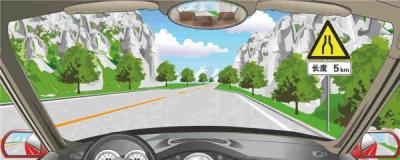
Answer:Y
42、As shown in this picture, the intersection guide line is designed to help drivers make turns.
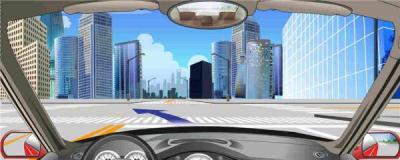
Answer:Y
43、How should lamps be used when setting off in this situation?
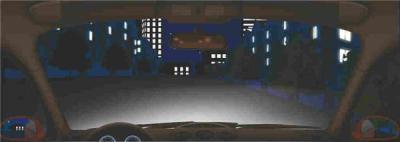
A、Turn on the high-beam
B、Turn on the left indicator only
C、Turn on the left indicator and low-beam
D、Turn on hazard lamp
Answer:C
44、When there is a braking failure on a downhill road the driver should change the gear to one position or two positions lower, and control the speed by taking advantage of the braking role of the engine.
Answer:Y
45、Sideslip happens most easily on which one of the following road surfaces?
A、Dry concrete road
B、Road surface at the beginning of rain
C、Damp concrete road surface
D、Road in heavy rain
Answer:B
46、The road marker on the right side indicates that drivers may overtake by borrowing this road.
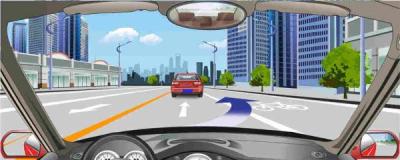
Answer:N
47、It is illegal to change lanes without turning on indicators.
Answer:Y
48、When driving on a long downhill road, which is the best way to control driving speed?
A、Coast in neutral gear
B、Depress the clutch and coast
C、Use the engine to brake
D、Depress the brake pedal continuously
Answer:C
49、When driving on a snowy day, drivers should follow the tracks on the road before them.
Answer:Y
50、The driver may turn right directly at this intersection.
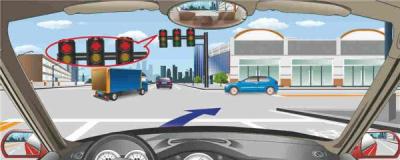
Answer:N
- 宁夏科目四考题英文版 相关内容
- 老外可以在中国考驾照吗 外国人考驾照语言怎么说 江苏驾考科目四英语 海南科目四英文版 江苏驾考科目一英语 安徽科目一英文版在哪里找 辽宁英文驾考书 河北考驾照科目一有英文版 重庆英文驾考科目四题库PDF电子版 云南考驾照科目一有英文版 安徽外国人考科目四 英文 河北英文考驾照用语 吉林科目一考题英文版 吉林驾照科目四英文版题库 科目一考试英文版 上海考驾照科目四有英文版
Copyright © 2025 驾考 版权所有