
- 科目一考试
- 顺序练习
- 随机练习
- 强化练习
- 模拟考试
- 科目四考试
- 顺序练习
- 随机练习
- 强化练习
- 模拟考试
- 外国语言版题库
- 英语题库
- 德语题库
- 韩语题库
- 日语题库
- 俄语题库
- 法语题库
- 西班牙语题库
- 阿拉伯语题库
- 摩托车英文题
北京科目四英文版题目
-
1、The cross-hatched marking indicates an area where vehicle drivers are allowed to stop and wait.
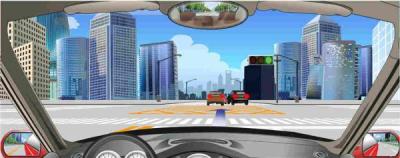
Answer:N
2、The red car is allowed to drive on this lane.
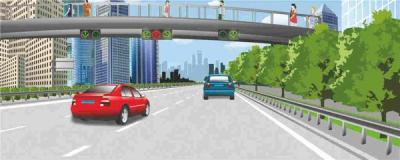
Answer:N
3、When a motor vehicle skids sideways on a muddy road, the driver should turn the steering wheel in the direction of the rear wheel skidding to properly adjust the direction.
Answer:Y
4、When encountering such pedestrians, what should motor vehicle drivers do?
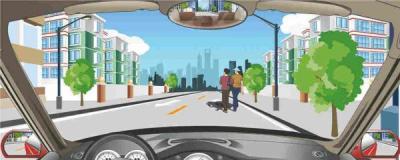
A、Go ahead along the middle line of the road
B、Continuously sound the horn
C、Speed up and overtake
D、Pay attention to the actions of such pedestrians
Answer:D
5、When a motor vehicle stops in snow, which lamp should be turned on?
A、Front and rear fog lamps, clearance lamp and rear position lamp
B、Reverse lamp, clearance lamp and rear position lamp
C、Headlamp, clearance lamp and rear position lamp
D、Hazard lamps, clearance lamp and rear position lamp
Answer:D
6、When a motor vehicle moves through water, the driver should try to maintain a constant speed and sufficient power and pass through without stopping.
Answer:Y
7、What is the intersection ahead indicated by the right sign?
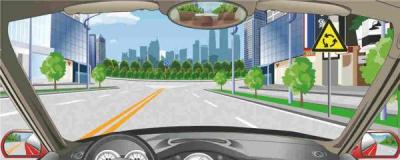
A、T-shaped intersection
B、Y-shaped intersection
C、Cross-shaped intersection
D、Roundabout
Answer:D
8、The signs on each side warn of changes in road alignment ahead.
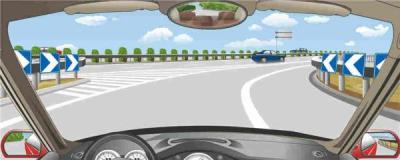
Answer:Y
9、The road marker indicates that vehicles are not allowed to make a U-turn at the intersection ahead.
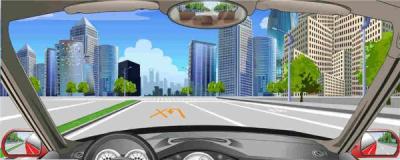
Answer:Y
10、Motor vehicle drivers may make a U-turn in the broken line area as long as it will not affect the normal traffic flow.
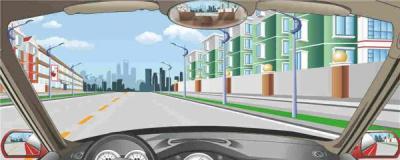
Answer:Y
11、What should motor vehicle drivers do under such circumstances at night?
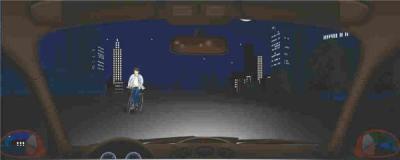
A、Turn off the headlamp when approaching
B、Use low-beam
C、Use high-beam
D、Turn off all lamps in advance
Answer:B
12、When a motor vehicle accidentally hits a guardrail of a highway, the driver should stabilize and adjust the steering wheel properly, and refrain from turning the steering wheel drastically.
Answer:Y
13、Which of the following is a safe way for motor vehicles to pass the intersection marked with this sign?
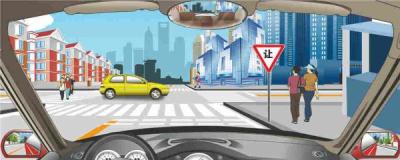
A、Stop and observe the traffic situation around the intersection
B、Approach the intersection by speeding up
C、Observe the traffic situation on the left rear side
D、Approach the intersection at a reduced speed
Answer:D
14、Mr. Zhou drove a light van (with 22 passengers) on the Bingcha Highway. At the spot of 79 kilometers mark by 150 meters of the highway, the van fell into the valley on one side, killing 12 people and injuring 10. What's the main illegal act committed by Mr.Zhou?
A、Driving a motor vehicle having failed to accept inspection in time
B、Carrying passengers on a freight motor vehicle
C、Speeding
D、Fatigued driving
Answer:B
15、What matters need attention when driving on a rainy day?
A、Avoid using the emergency brake or making sharp turns
B、Keep a safe enough distance
C、Observe the traffic situation of non-motor vehicles and surrounding pedestrians
D、Drive at a safe speed
Answer:ABCD
16、When encountering a road like this, motor vehicle drivers should downshift in advance and- control speed by braking the engine.
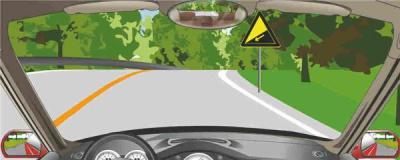
Answer:Y
17、When driving on an expressway which of the following statements is correct?
A、Drivers may stop to pick up or drop off passengers in the emergency lane
B、Drives may load or unload cargo in the emergency lane
C、Drives may overtake other vehicles or stop in the deceleration or acceleration lane
D、Drives are prohibited from driving or stopping in the emergency lane in a non-emergency case
Answer:D
18、Under the circumstances shown in the flash, what should be done by the vehicle in front?
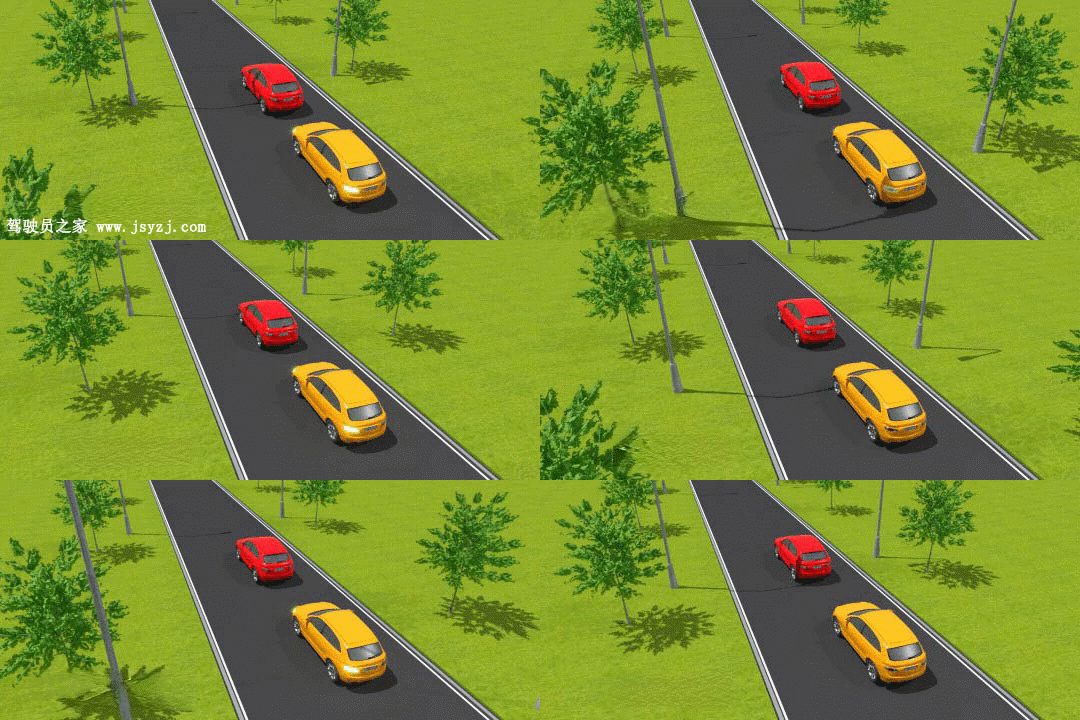
A、Reduce speed swiftly or apply emergency brake
B、Drive at a higher speed after giving a proper space
C、Reduce speed and yield by the right side of the road
D、Drive at a higher speed by the right side of the road
Answer:C
19、When a motor vehicle equipped with ABS makes an emergency brake, the driver can tread the brake pedal heavily.
Answer:Y
20、The sign on the right warns of a dangerous mountainside road on the left of the road ahead.
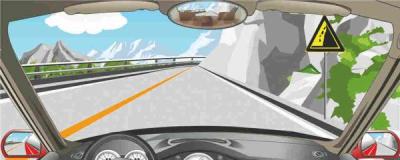
Answer:N
21、When encountering such pedestrians while driving, a longer safety distance should be kept by drivers.
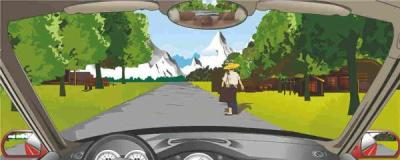
Answer:Y
22、When driving a motor vehicle into a traffic flow, drivers should not hold up other vehicles.
Answer:Y
23、As shown in the flash, the actions of the driver are correct.
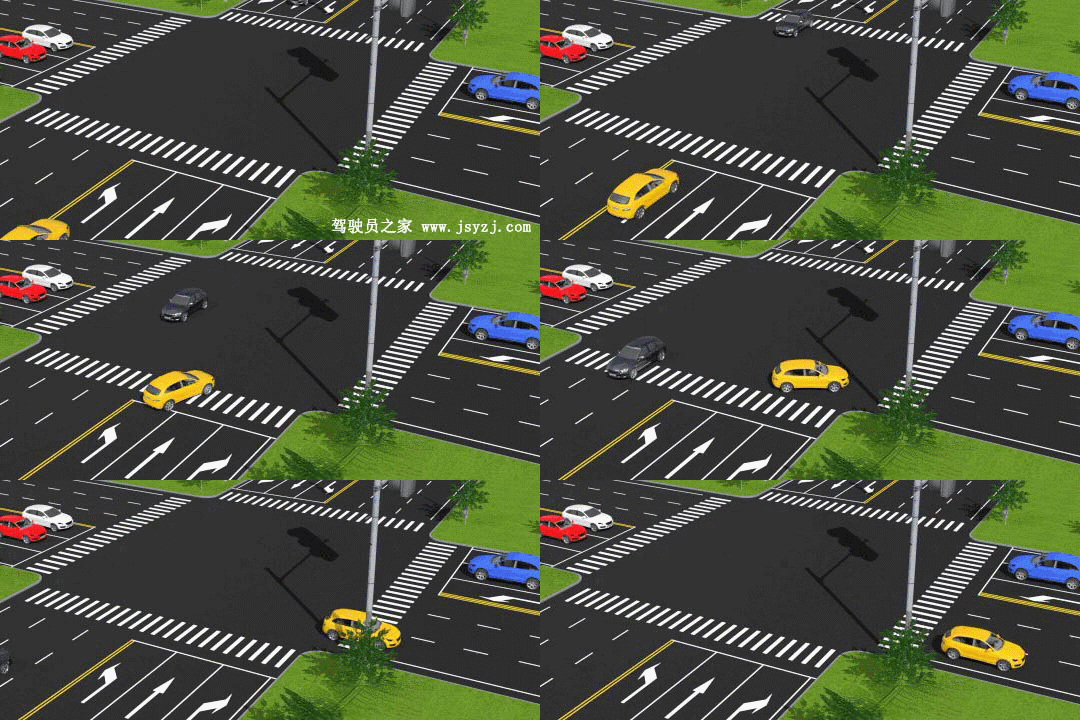
Answer:N
24、The sign on the right indicates left turn only at the intersection ahead.
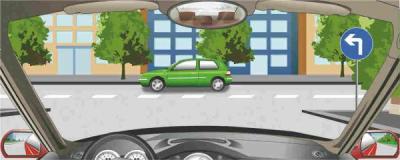
Answer:Y
25、Drivers are not allowed to cross these lane-dividing lines when overtaking in the same direction.
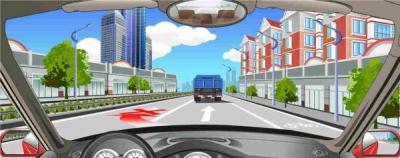
Answer:Y
26、What should the driver do on this kind of curving mountain road?
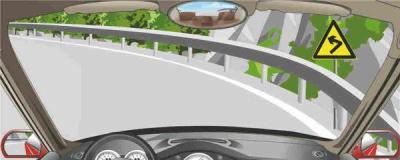
A、Borrow the opposite lane
B、Slow down and drive on the right
C、Stick to the central line of the road
D、Drive close to the right side
Answer:B
27、Motor vehicle drivers are allowed to overtake on this road section.
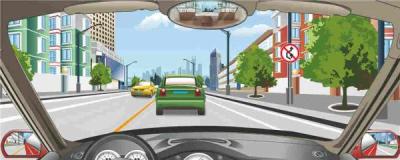
Answer:N
28、The sign on the right indicates an ETC lane at toll station ahead.
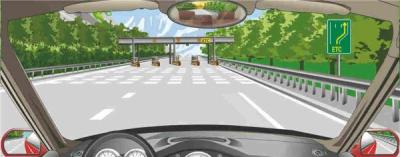
Answer:Y
29、The sign on the right warns of entering a tunnel, and requires reduced speed.
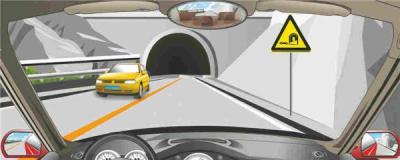
Answer:N
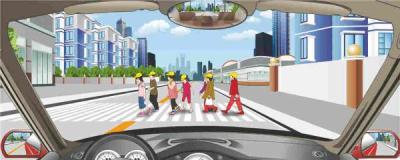
30、Under such circumstances, motor vehicle drivers should stop and yield
Answer:Y
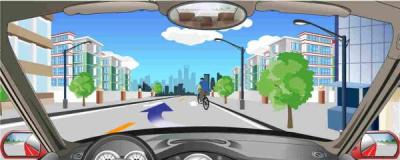
31、The broken yellow line in the center of the road indicates that overtaking by crossing the line is permitted in safe situations.
Answer:Y
32、When a motor vehicle catches fire, the driver should te to park the vehicle in an open place far away from urban areas, buildings, trees, other motor vehicles and flammable materials.
Answer:Y
33、Which one of the following vehicle types is not allowed to pass, as indicated by the right-hand sign?
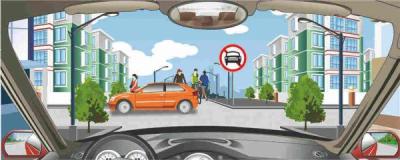
A、Large trucks
B、Large buses
C、Motor vehicles of all kinds
D、Small vans
Answer:C
34、When a head-on collision with another vehicle is unavoidable, what should the driver do?
A、Change head-on collision to side collision
B、Immediately turn the steering wheel to the right side to evade
C、Immediately apply emergency braking
D、Immediately turn the steering wheel to the left side to evade
Answer:C
35、It is not safe for a female driver to wear high heels to drive a vehicle.
Answer:Y
36、What should motor vehicle drivers do when going straight and passing through the intersection ahead?
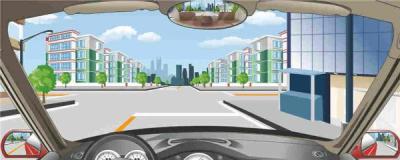
A、Reduce speed when approaching the intersection
B、Reduce speed after entering the intersection
C、May pass through the intersection without speed reduction
D、Accelerate in advance to pass through the intersection
Answer:A
37、When driving on a road covered with ice and snow, the motor vehicle may spin or slide when increasing the speed urgently, due to the loss of vehicle stability.
Answer:Y
38、When disembarking, what should be done by drivers in order to keep safe?
A、Opening the door and disembarking immediately after stopping
B、Observing the traffic situation ahead
C、Opening the door first and then observing the situation beside and behind the vehicle
D、Observing the situation beside and behind the vehicle before opening the door slowly
Answer:D
39、When driving on the highway in foggy, rainy, or snowy weather with a range of visibility between 100 meters and 200 meters, what should motor vehicle drivers do?
A、Turn on the fog lamp, low-beam, clearance lamp and front and rear position lamp
B、Drive at a speed of no more than 60 km/hour
C、Keep a breaking distance of more than 100 meters from the vehicle in front in the same lane
D、Leave the highway from the nearest exit as soon as possible
Answer:ABC
40、The sign on the right warns of a continuous downhill section ahead.
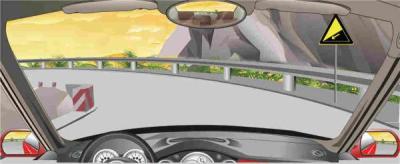
Answer:N
41、When carrying a wounded person in a coma, rescue personnel should try to let the unconscious person remain in the supine position.
Answer:N
42、How many kinds of law-breaking acts are displayed in flash 3?

A、One
B、Two
C、Three
D、Four
Answer:B
43、The slow-down-and-yield line at the intersection ahead indicates that vehicle drivers should stop and give the right of way to vehicles on the trunk road.
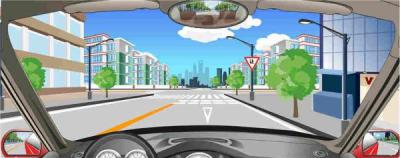
Answer:N
44、The sign in front is an advance announcement of the directions led by the interchange.
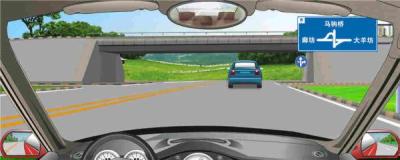
Answer:Y
45、When encountering this situation around a school, the driver should speed up and pass as quickly as possible.
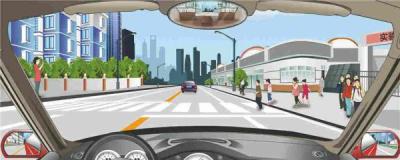
Answer:N
46、What influence does smoking have upon driving?
A、Harmful for safe driving
B、Increase concentration
C、Help relaxation
D、No effect on driving
Answer:A
47、When encountering a situation like changing to a left lane, motor vehicle drivers should vield.
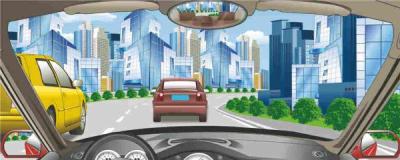
Answer:Y
48、The sign on the right indicates a bypass flow intersection ahead.
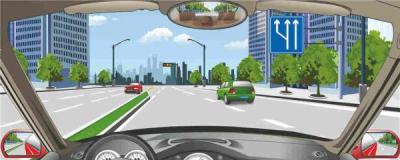
Answer:N
49、Drivers may go ahead when traffic polices posture is like this.
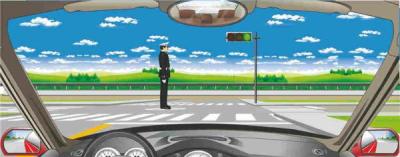
Answer:Y
50、The sign on the right warns of an uneven road ahead.
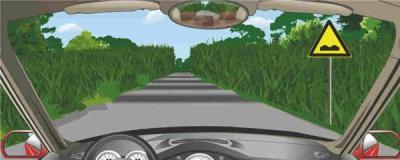
Answer:Y
- 北京科目四英文版题目 相关内容
- 内蒙古考驾照科目四有英文版 老外考驾照需要准备什么东西 国外人在中国考驾照要多久 广西驾照科目四英文版题库 山西科目四有英文版吗 新疆英语c1科目四考试 广西英文考驾照用语 老外考驾照的理论考题是什么样的 湖北驾照科目一英文版题库 黑龙江驾考英语版书 黑龙江驾照考试科目四英文版 福建驾校一点科目一英文版 内蒙古关于考驾照的英语 湖北驾考英语 老外考驾照科三需要准备什么证件呢图片 湖北驾校一点科目一英文版
Copyright © 2025 驾考 版权所有