
- 科目一考试
- 顺序练习
- 随机练习
- 强化练习
- 模拟考试
- 科目四考试
- 顺序练习
- 随机练习
- 强化练习
- 模拟考试
- 外国语言版题库
- 英语题库
- 德语题库
- 韩语题库
- 日语题库
- 俄语题库
- 法语题库
- 西班牙语题库
- 阿拉伯语题库
- 摩托车英文题
青海2025科目四考题英文版
-
1、What should be done by motor vehicle drivers in order to yield politely to such pedestrians?
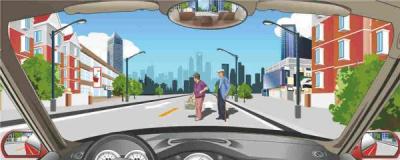
A、Speed up and bypass in front of the pedestrians
B、Speed up and bypass from behind the pedestrians
C、Reduce speed or stop to yield
D、Continuously sound the horn to alert the pedestrians
Answer:C
2、Motor vehicles are permitted to follow the guidance of the arrow in this picture and enter the lane of an expressway.
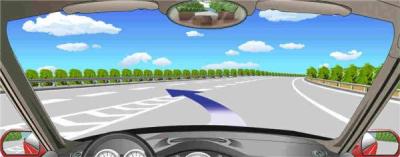
Answer:N
3、When driving on a foggy day, the driver should turn on the fog lamp.
Answer:Y
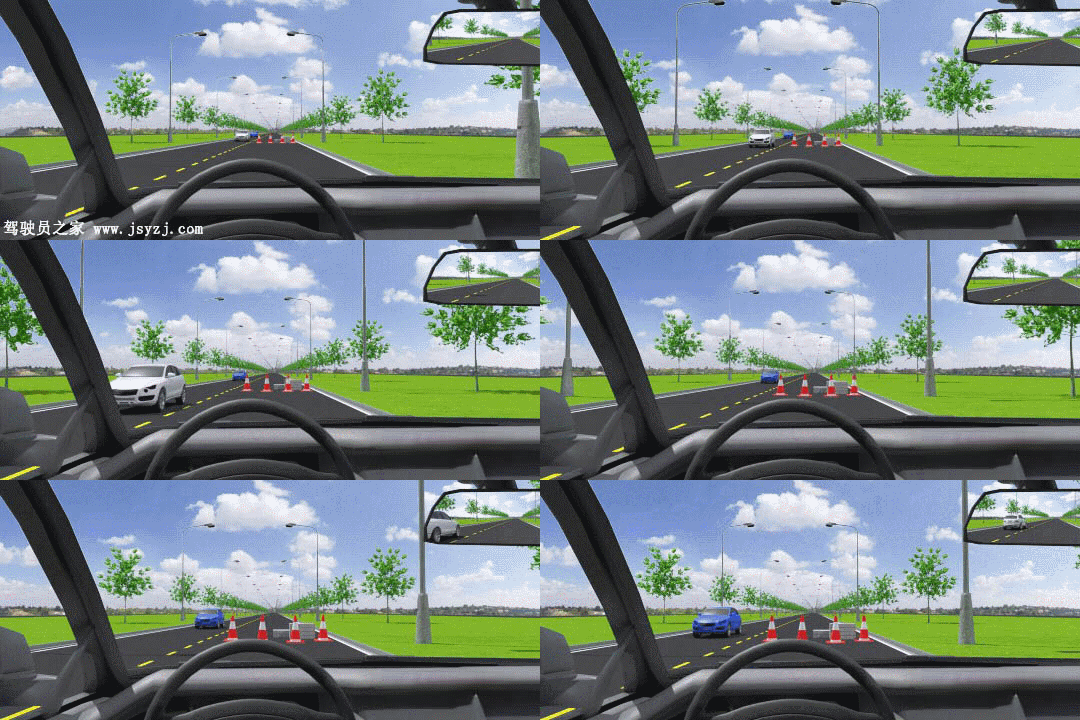
4、As shown in this flash, what should the motor vehicle driver do when encounters this situation?
A、Use the mergency brake
B、Turn sharply and pass rapidly
C、Slide over rapidly without encountering collision
D、Stop smoothly
Answer:D
5、The motor vehicle should speed up and pass rapidly under this situation.
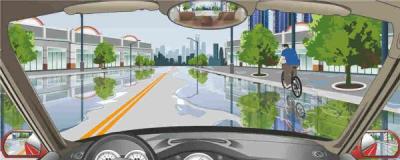
Answer:N
6、The sign in front indicates a 4-kilometer distance from the next exit.
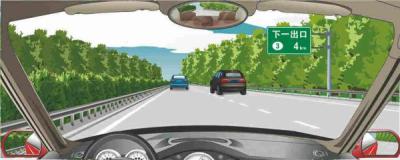
Answer:Y
7、When reversing in this condition, in which of the following ways can motor vehicle drivers keep safe?
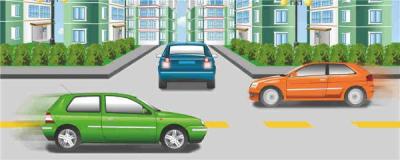
A、Reverse at a lower speed
B、Voluntarily stop and yield
C、Continuously sound the horn to alert
D、Reverse in a clockwise direction
Answer:B
8、The driver should pay attention to the left side when the motor vehicle passes this intersection.
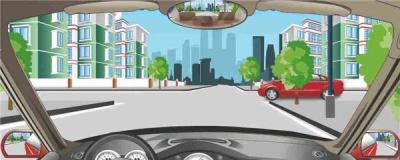
Answer:N
9、When the motor vehicle encounters a crosswalk in this situation, the driver may speed up and pass rapidly.
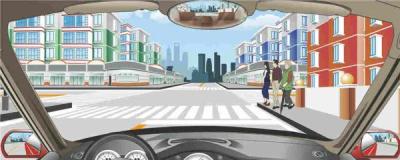
Answer:N
10、Having driven a large passenger vehicle (carrying 44 passengers, permitted carrying capacity 44) equipped with sleepers at 44km/hour on a frozen road, at 58 km mark by 500m on 540 County Road in Yanhe County, Mr. Luo sideslipped and left the road, killing 15 people and injuring 2 7. Which of the following law-breaking acts did Mr Luo commit?
A、Exceeding the carrying capacity of the passenger vehicle
B、Speeding
C、Fatigued driving
D、Improper driving
Answer:B
11、When finding a tire suddenly burst on the road, the driver should firmly hold the steering wheel with both hands to ensure the vehicle goes straight.
Answer:Y
12、When a motor vehicle turns left at this intersection the driver should change to the left lane in advance by the guide arrow.
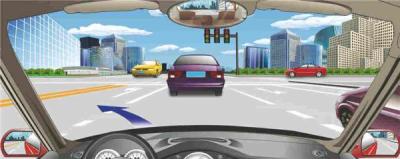
Answer:Y
13、What should the driver do when the motor vehicle counters this situation?
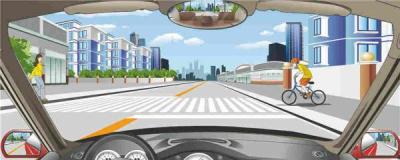
A、Sound the horn continuously to warn
B、Speed up and bypass from the front
C、Slow down when encountering any risks
D、Slow down voluntarily and yield
Answer:D
14、After entering the acceleration lane of an expressway, the driver should increase the speed to how many kilometers per hour?
A、More than 30 km/hour
B、More than 40 km/hour
C、More than 50 km/hour
D、More than 60 km/hour
Answer:D
15、The sign on the right side indicates that turning left is not permitted at the intersection ahead.
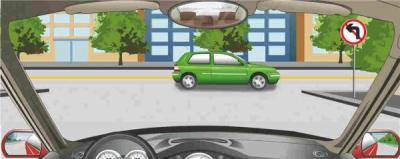
Answer:Y
16、The motor vehicle should slow down and pass slowly in this situation.
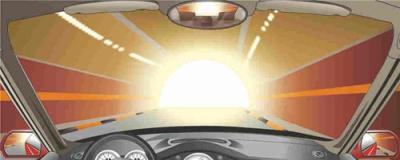
Answer:Y
17、What should the driver do in case the public bus suddenly pulls out from this bus station?
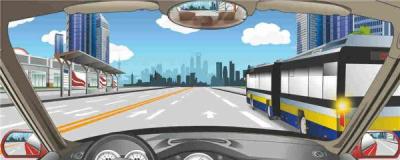
A、Stop behind the public bus
B、Overtake the public bus rapidly
C、Slow down and overtake the public bus slowly
D、Sound the horn continuously to warn the public bus
Answer:C
18、What should be done when drivers evade an emergency on the highway?
A、Take braking measures to reduce speed
B、Yield by turning to the left side
C、Evade by swiftly turning the steering wheel
D、Yield by turning to the right side
Answer:A
19、What action is important on this kind of mountain road?
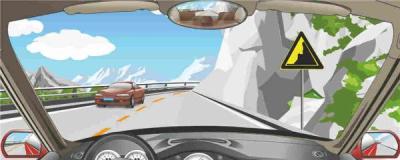
A、Take care of the dangerous hillside road on the left
B、Drive on the left
C、Drive along the central line of the road
D、Drive on the right side and pass slowly
Answer:D
20、The main reason for this accident is that the pedestrian crossed the street in front of the motor vehicle.
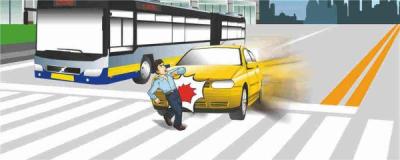
Answer:N
21、Under such circumstances at a congested intersection, what should motor vehicle drivers do?
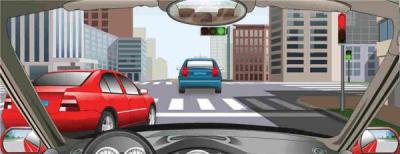
A、Force the vehicle to go back to its original lane
B、Closely follow the vehicle in front and refuse to yield
C、Politely yield and pass through
D、Sound the horn and turn on the head lamps
Answer:C
22、Rescue personnel should check the breath of the unconscious person before applying any other emergency treatment.
Answer:Y
23、When encountering such a situation, the motor vehicle driver should change to the left lane rapidly.
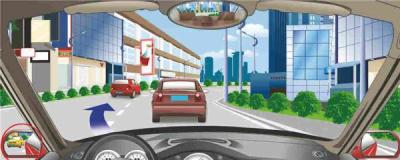
Answer:N
24、The sign on the right indicates a bypass route at the intersection ahead.
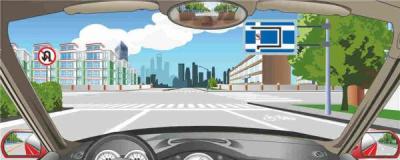
Answer:Y
25、The sign in front indicates an open-air parking lot with rest area is 200 meters ahead.
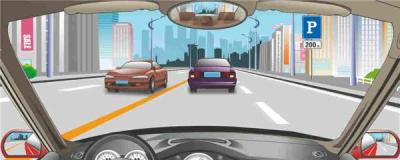
Answer:Y
26、How many kinds of law-breaking acts are displayed in flash 3?

A、One
B、Two
C、Three
D、Four
Answer:B
27、When parking temporarily in this situation, motor vehicle drivers are allowed to turn the steering wheel right to avoid sliding.
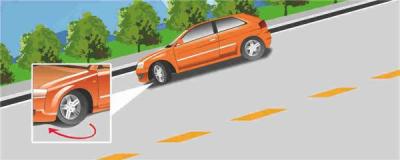
Answer:Y
28、Those traffic police signals mean turning right.
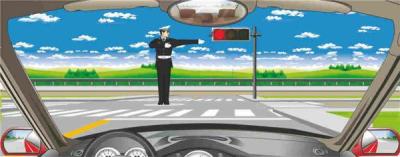
Answer:N
29、When encountering such a situation, motor vehicle drivers should take the left lane.
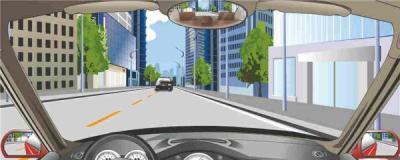
Answer:N
30、At this intersection, motor vehicle drivers may directly make a U-turn along the U-turn turning lane.
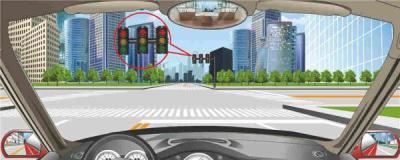
Answer:N
31、What is the best way to make turns on this kind of curving mountain road?
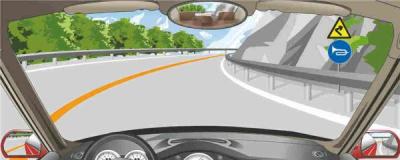
A、Drive along the outer side of the curve
B、Slow down, sound the horn and drive on the right
C、Borrow the opposite lane
D、Drive along the central line of the road
Answer:B
32、What should the driver do in this condition?
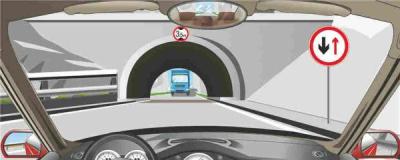
A、Go through normally on the right side
B、Sound the horn and speed up to go through the tunnel
C、Stop and yield to the oncoming vehicle
D、Turn on the headlamp to warn the oncoming vehicle to yield
Answer:C
33、Which of the following is a bad driving habit?
A、Using lights in accordance with relevant rules
B、Carrying both vehicle and driving license
C、Discarding rubbish from the side window
D、Follow the guidance of the traffic signals
Answer:C
34、The sign on the left indicates the destinations of two highway directions
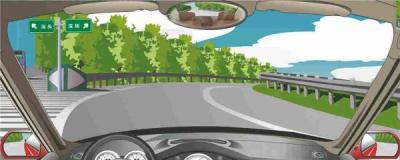
Answer:Y
35、When approaching a vehicle on a narrow slope, which one of the following ways is correct?
A、The descending vehicle yields to the ascending
B、The vehicle which is further from the slope crest should yield
C、The ascending vehicle yields to the descending
D、If the descending vehicle has reached the midpoint while the ascending vehicle has not yet set out, the descending vehicle must yield.
Answer:A
36、This sign warns that the section ahead is under traffic monitoring.
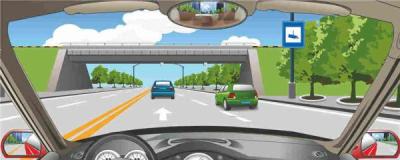
Answer:Y
37、The driver should speed up to 40 kilometers per hour when he/she sees this traffic sign.
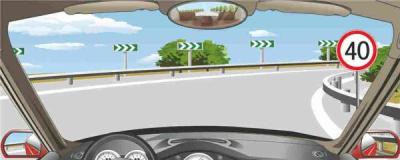
Answer:N
38、What should the driver do upon finding a burst rear tire?
A、Adjust by swiftly turning the steering wheel
B、Control the direction while reducing speed slowly
C、Swiftly turn the steering wheel to the opposi direction
D、Swiftly take braking measures
Answer:B
39、The sign on the right indicates notice by sounding the horn.
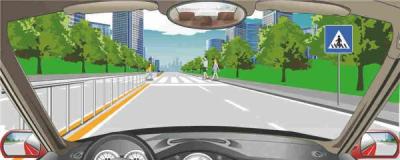
Answer:N
40、Which of the following is an inflammable solid material?
A、Matches
B、Gun powder
C、Calcium carbide
D、Explosives
Answer:A
41、In this situation, motor vehicles are permitted to stop temporarily at bus stations.
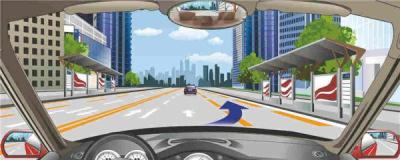
Answer:N
42、Which one of the following is the safest way to pass the oncoming vehicle on this road?
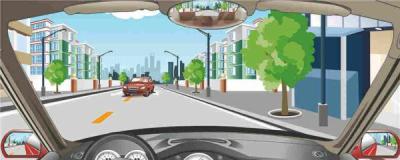
A、Driving along the central line
B、Driving with headlamp on
C、Yielding by the right side of the road
D、Yielding by the left side of the oncoming vehicle
Answer:C
43、The sign on the right indicates that driving along left side only.
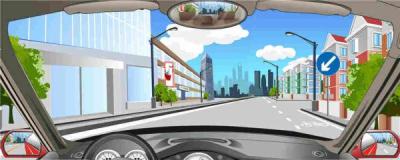
Answer:Y
44、Matches, sulfur and red phosphorus belong to which of the following dangerous chemicals?
A、Explosives
B、Oxidizing materials
C、Self-igniting articles
D、Inflammable solid materials
Answer:D
45、Which of the following measures is correct for rescuing a person sustaining full-body burns?
A、Cover the fire with sandy soil
B、Spray cool water to his body
C、Put out the fire by extinguisher
D、Help to remove the burning clothes
Answer:B
46、Which of the following is a safe way for motor vehicles to pass the intersection marked with this sign?
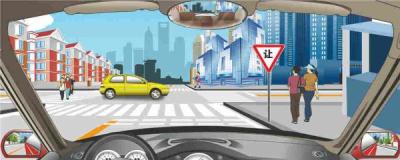
A、Stop and observe the traffic situation around the intersection
B、Approach the intersection by speeding up
C、Observe the traffic situation on the left rear side
D、Approach the intersection at a reduced speed
Answer:D
47、The sign on the right indicates that overtaking is allowed on the section ahead.
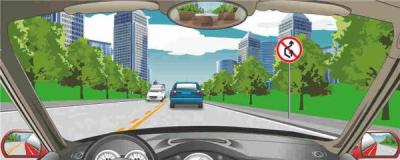
Answer:N
48、The sign on the left warns of no passing on the right-hand road ahead.
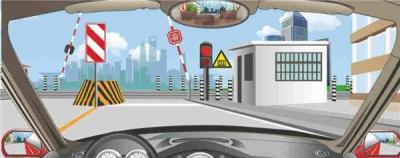
Answer:N
49、When driving a motor vehicle equipped with power steering, the driver should firmly hold the steering wheel and drive slowly if he/she suddenly finds that steering is difficult.
Answer:N
50、In which ones of the following ways can motor vehicle drivers effectively prevent braking failure?
A、Maintaining the braking system periodically
B、Checking the free brake pedal travel before driving
C、Using the braking system correctly to avoid brake-fade
D、For vehicles with hydraulic braking system, checking if the brake fluid leaks before driving
Answer:ABCD
- 青海2025科目四考题英文版 相关内容
- 吉林科目四考试英文版 安徽驾照科目一英文版题库 陕西英文考驾照用语 吉林科目四英文版练习题库 海南2025科目一考试英文 山东英文驾考app 河南关于考驾照的英语 国外人在中国考驾照要多久 外国驾照考试视频教程大全 陕西外国人考驾照英文模拟试题 老外考中国驾照需要中文能力测试吗 广东驾考英文版题库 甘肃驾考科目四英语版书 西藏英文版驾考 上海驾校考试英文版
Copyright © 2025 驾考 版权所有