
- 科目一考试
- 顺序练习
- 随机练习
- 强化练习
- 模拟考试
- 科目四考试
- 顺序练习
- 随机练习
- 强化练习
- 模拟考试
- 外国语言版题库
- 英语题库
- 德语题库
- 韩语题库
- 日语题库
- 俄语题库
- 法语题库
- 西班牙语题库
- 阿拉伯语题库
- 摩托车英文题
河北驾考科目四英语
-
1、If a motor vehicle misses an exit on the expressway, the driver may reverse along the road shoulder.
Answer:N
2、What should the driver do when the motor vehicle counters this situation?
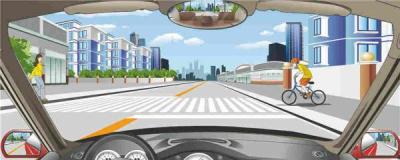
A、Sound the horn continuously to warn
B、Speed up and bypass from the front
C、Slow down when encountering any risks
D、Slow down voluntarily and yield
Answer:D
3、When a motor vehicle encounters a group of youngsters bypassing the motor vehicles parking beside the road, the driver should slow down voluntarily and yield.
Answer:Y
4、When there is a braking failure on a downhill road the driver should change the gear to one position or two positions lower, and control the speed by taking advantage of the braking role of the engine.
Answer:Y
5、Two parallel broken double-yellow lines indicate the position of a diversion lane.
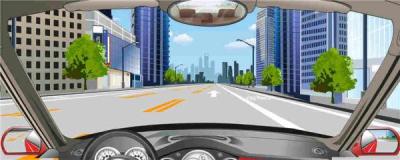
Answer:Y
6、The sign on the right warns of a non-motor vehicle lane.
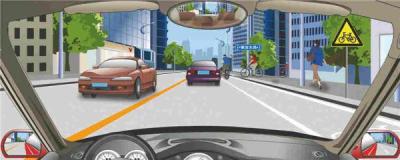
Answer:N
7、When a tire suddenly bursts on the road, the driver should violently depress the brake pedal to reduce speed and stop the vehicle.
Answer:N
8、How many kinds of law-breaking acts are displayed in flash 2?
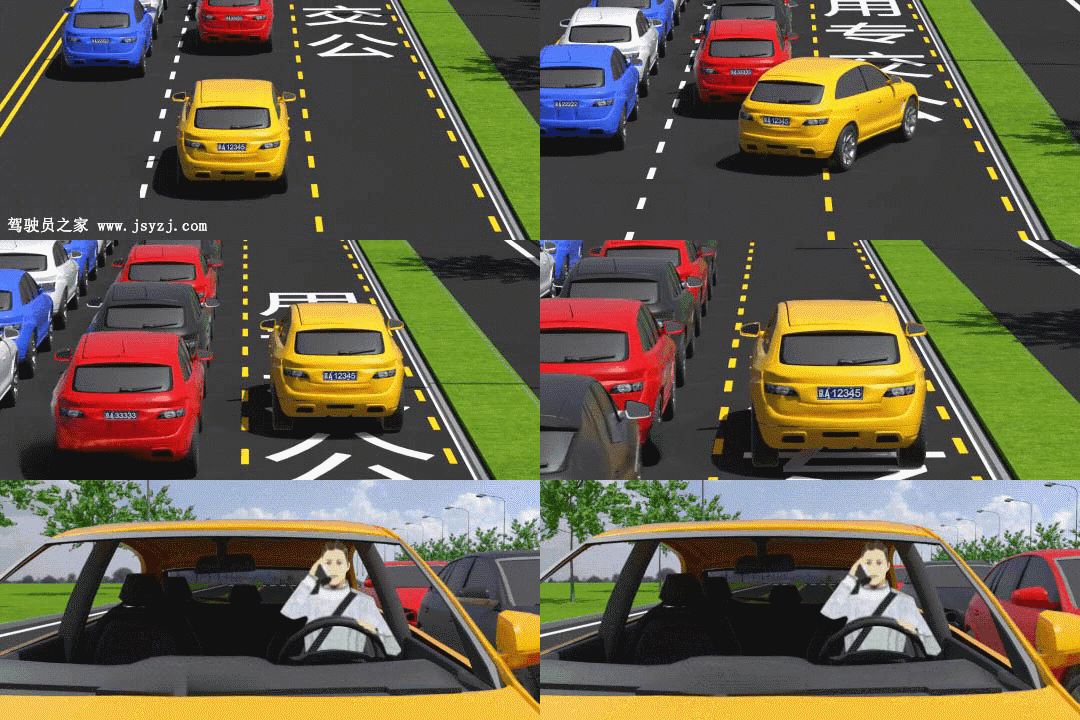
A、One
B、Two
C、Three
D、Four
Answer:B
9、Which one of the following is the safest way to pass the oncoming vehicle on this road?
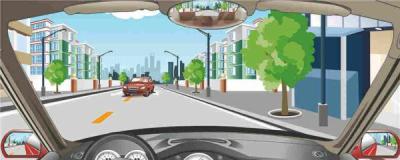
A、Driving along the central line
B、Driving with headlamp on
C、Yielding by the right side of the road
D、Yielding by the left side of the oncoming vehicle
Answer:C
10、Which of the following method is correct to rescue an unconscious person?
A、Apply cardio-pulmonaryresuscitation immediately
B、Press the philtrum of the wounded person with force
C、Continuously slap the face of the wounded person
D、Check the breath of the wounded person before other emergency treatments
Answer:D
11、What should the driver do when seeing these hand signals.
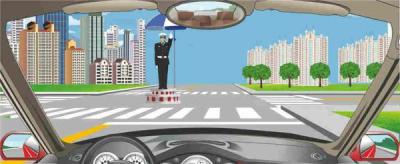
A、Stop and wait
B、Go straight and pass through the intersection
C、Turn right at the intersection
D、Turn left at the intersection
Answer:A
12、The sign on the right indicates that the number of the lanes ahead will increase.
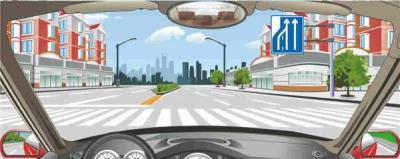
Answer:N
13、What should the driver pay attention to when the motor vehicle on the main road approaches a junction with a feeder road?
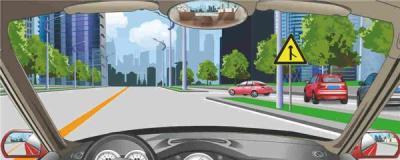
A、Slow down in advance and pay attention to other motor vehicles
B、Maintain the normal speed
C、Sound the horn and pass rapidly
D、Speed up and pass rapidly
Answer:A
14、When a motor vehicle passes over an inundated road, what should the driver do for safe driving?
A、Slow down and drive with special care
B、Speed up and pass rapidly
C、Maintain a normal speed and pass through
D、Change to a low gear and speed up to pass
Answer:A
15、This sign warns that the section ahead is under traffic monitoring.
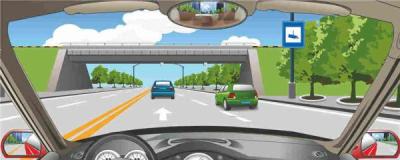
Answer:Y
16、Under the circumstances shown in the flash, what should be done by the vehicle in front?
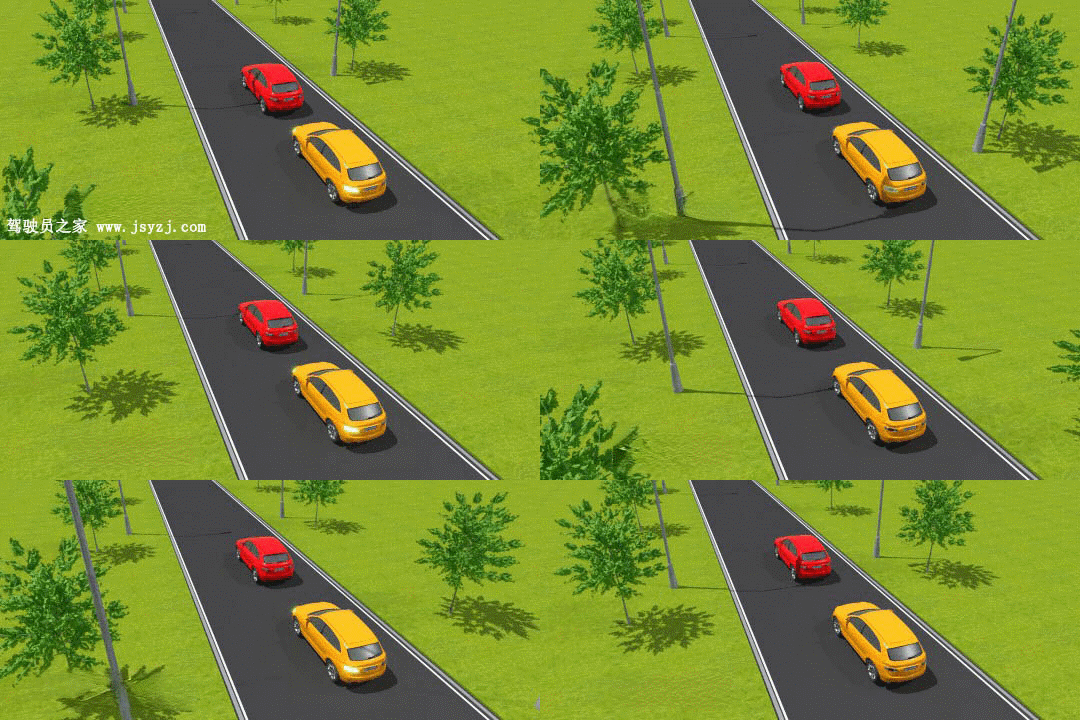
A、Reduce speed swiftly or apply emergency brake
B、Drive at a higher speed after giving a proper space
C、Reduce speed and yield by the right side of the road
D、Drive at a higher speed by the right side of the road
Answer:C
17、When entering an expressway ramp, which of the following statements is correct?
A、Drivers are allowed to overtake other vehicles
B、Drivers are prohibited from making U-turns
C、Drivers are allowed to stop
D、Drivers are allowed to reverse
Answer:B
18、Mr. Tong drove a large bus(capacity 55 people and carrying 54)to Taiyuan City. When he drove on a muddy road at the speed of 45 kilometers per hour, the bus skidded into a deep ditch, killing 14 people dead and badly injuring 40 What's the main illegal act committed by Mr Tong?
A、Overloaded
B、Speeding
C、Driving after drinking
D、Fatigued driving
Answer:B
19、When driving on this dangerous mountainside road motor vehicle drivers should drive along the left side of the road.
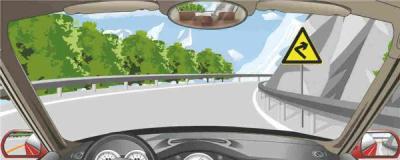
Answer:N
20、Under such circumstances, motor vehicle drivers should bypass on the left quickly.
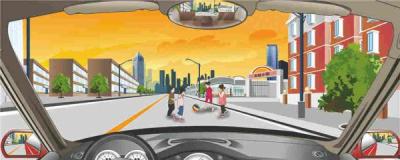
Answer:N
21、When rescuing a wounded person suffering blood loss in an emergency, it is necessary to first stop the bleeding by compression before other treatments are taken in accordance with the conditions of bleeding.
Answer:Y
22、If a fast moving vehicle has a steering failure, using emergency braking can easily cause an overturn.
Answer:Y
23、When leaving an expressway, drivers should enter the ramp after slowing down in the deceleration lane.
Answer:Y
24、The sign on the right warns of a guarded railway crossing 100 meters ahead.
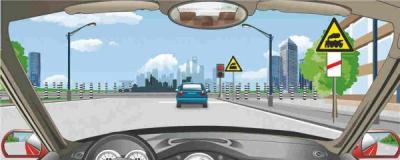
Answer:N
25、When finding a tire burst on the road, the driver should use emergency braking while controlling the direction of the vehicle at the same time to stop the vehicle qulckly.
Answer:N
26、It is safest for a motor vehicle driver to overtake the vehicle in front from its righthand on this kind of road.
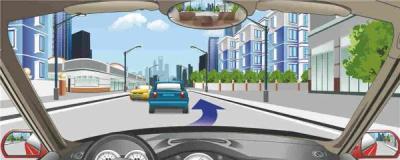
Answer:N
27、The sign on the right warns of children on the section ahead.
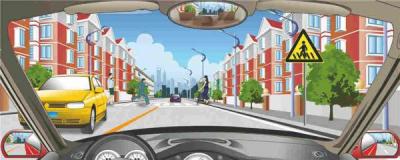
Answer:N
28、The sign in front indicates that vehicles except public buses are not allowed to drive in this lane.
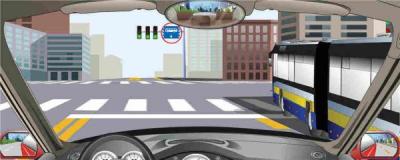
Answer:Y
29、When a motor vehicle encounters an accident on an expressway, the driver and all passengers should not get off the vehicle and walk around at will.
Answer:N
30、If a motor vehicle has an accident on a foggy day and stops on an expressway, which of the following acts is dangerous?
A、Leaving the motor vehicle as soon as possible
B、Standing outside the guardrail as much as possible
C、Turning on the hazard lamp and fog lamp
D、Placing a warning sign behind the vehicle in the oncoming direction
Answer:D
31、When driving on a road covered with ice and snow drivers should not use the emergency brake but can apply a sharp turn.
Answer:N
32、What does this sign on the fly-over junction indicate?
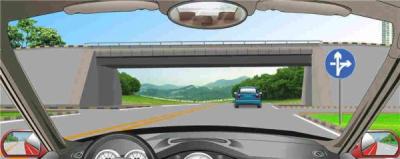
A、Turn right
B、Drive straight or turn left
C、Drive straight or turn right
D、Take a U-turn under bridge
Answer:C
33、How should the driver use vehicle lights when the motor vehicle enters this intersection?
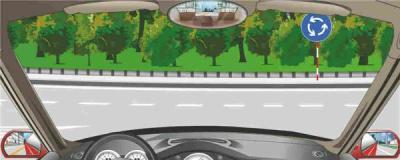
A、Turn on the right-turn indicator
B、Turn on the hazard lamps
C、No need to turn on any indicators
D、Turn on the left indicator
Answer:C
34、What should the driver do if he/she encounters pedestrians in this situation at an intersection?
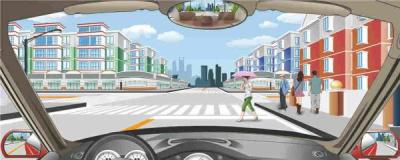
A、Slow down promptly and stop to yield
B、Sound the horn to warn the pedestrians to yield
C、Speed up and pass in front of the pedestrians
D、Turn on the headlamps to warn the pedestrians to yield
Answer:A
35、What should the driver do when the motor vehicle encounters this situation in front of a school?
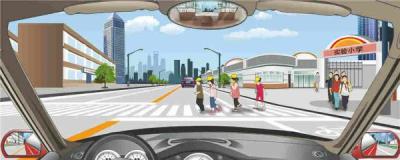
A、Bypass before the queue
B、Slow down and pass slowl
C、Stop promptly and yield
D、Go through in the spaces between the queues
Answer:C
36、The sign on the right indicates that overtaking is allowed on the section ahead.
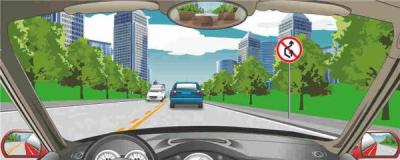
Answer:N
37、When driving a vehicle equipped with power steering what should the driver do upon finding that steering is difficult?
A、Stop and identify the cause
B、Control the steering and drive slowly
C、Drive at a lower speed
D、Keep the vehicle going straight
Answer:A
38、When a motor vehicle passes over an inundated road what should the driver do?
A、Stop and look at the situation
B、Make sure it's safe and pass over at a low speed
C、Intermittently and gently depress the brake pedal then wading across the water
D、Continuously but gently depress the brake pedal then wading across the water
Answer:ABC
39、Matches, sulfur and red phosphorus belong to which of the following dangerous chemicals?
A、Explosives
B、Oxidizing materials
C、Self-igniting articles
D、Inflammable solid materials
Answer:D
40、What is the best way to make turns on this kind of curving mountain road?
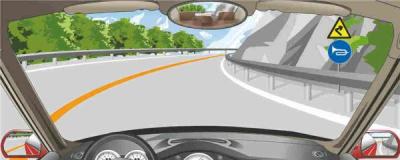
A、Drive along the outer side of the curve
B、Slow down, sound the horn and drive on the right
C、Borrow the opposite lane
D、Drive along the central line of the road
Answer:B
41、What is the function of ABS during emergency braking?
A、Shortening the braking distance
B、Keeping steering capacity of the motor vehicle
C、Relief the braking inertia
D、Controlling directions automatically
Answer:B
42、When encountering an obstacle on one side of the road, what should vehicles do as they approach each other?
A、The vehicle not encountering an obstacle should Yield to the other vehicle
B、The slower vehicle should yield to the faster
C、The vehicle encountering an obstacle should yield to the other vehicle
D、The faster vehicle should yield to the slower
Answer:C
43、Under such circumstances, what should be done by motor vehicle drivers in order to maintain safe driving?
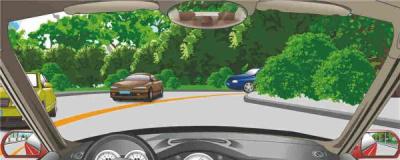
A、Sound the horn or turn on the headlamps
B、Reduce speed or drive on the right side
C、Keep to the central line as best as possible
D、Drive on the left side of the road
Answer:B
44、When following other vehicles on the uphill section of a mountain road, what should the driver do if the vehicle in front stops?
A、Overtake from either side of the front vehicle
B、Stop close to the vehicle in front
C、Stop with a larger space from the vehicle in front
D、Sound the horn continuously to warn the other driver
Answer:C
45、When driving in a heavy rain, drivers should contro their speed to prevent their vehicles from sliding.
Answer:Y
46、The slow-down-and-yield line at the intersection ahead indicates that vehicle drivers should stop and give the right of way to vehicles on the trunk road.
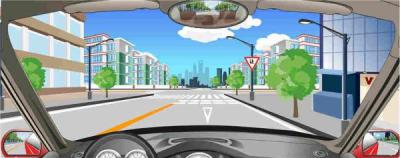
Answer:N
47、When temporarily parking on a raining day, what kind of lamp should the driver turn on?
A、Front and back fog lamps
B、Hazard warning lamp
C、Headlamp
D、Reversing lamp
Answer:B
48、It is an illegal act for the driver to make calls while driving.
Answer:Y
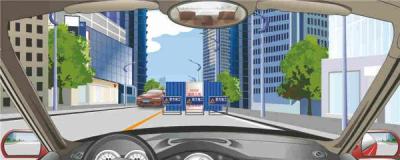
49、Under this circumstance, motor vehicle drivers should give the right of way to oncoming vehicle.
Answer:Y
50、When the wounded person is suffering main artery bleeding, where should the rescue personnel press by thumb to stop the bleeding?
A、The artery near the heart
B、The artery lower to the wound
C、The artery further from the heart
D、The artery in the center of the wound
Answer:A
- 河北驾考科目四英语 相关内容
- 广东英语c1考试 广东驾考科目四英文版题库 上海英文驾考app 云南2025科目四考试英文 山东驾校考试英文版 广东英文驾考科目4 内蒙古驾照考试科目四英文版 四川驾考科目四英语版PDF 浙江考驾照的英文单词 辽宁科目四有英文版吗 天津外国人考驾照英文模拟试题 重庆2025科目四考题英文版 浙江英文驾考app 西藏驾考英语版PDF题库 吉林外国人考科目四 英文 甘肃驾考科目四英语版书
Copyright © 2025 驾考 版权所有