
- 科目一考试
- 顺序练习
- 随机练习
- 强化练习
- 模拟考试
- 科目四考试
- 顺序练习
- 随机练习
- 强化练习
- 模拟考试
- 外国语言版题库
- 英语题库
- 德语题库
- 韩语题库
- 日语题库
- 俄语题库
- 法语题库
- 西班牙语题库
- 阿拉伯语题库
- 摩托车英文题
山东科目四考题英文版
-
1、Having driven a large passenger vehicle (carrying 44 passengers, permitted carrying capacity 44) equipped with sleepers at 44km/hour on a frozen road, at 58 km mark by 500m on 540 County Road in Yanhe County, Mr. Luo sideslipped and left the road, killing 15 people and injuring 2 7. Which of the following law-breaking acts did Mr Luo commit?
A、Exceeding the carrying capacity of the passenger vehicle
B、Speeding
C、Fatigued driving
D、Improper driving
Answer:B
2、Where is the proper parking place for breakdown motor vehicles stopping for examination?
A、In the far outer lane
B、In the inner lane
C、In the emergency lane
D、Entrance area of the ramp
Answer:C
3、The guide arrow on the road surface of this lane indicates that only right turns are permitted at the intersection ahead.
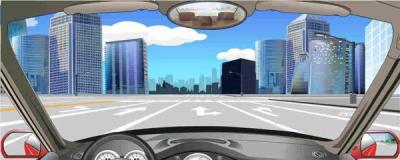
Answer:N
4、The broken yellow line in the center of the road indicates that overtaking by crossing the line is permitted in safe situations.
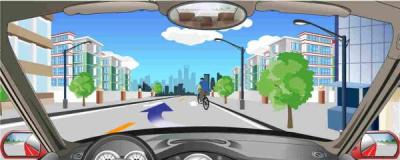
Answer:Y
5、After speeding up to more than 60 km/hour, a motor vehicle driver may drive onto the driving lane directly.
Answer:N
6、When a motor vehicle breaks down and cannot be moved away from the expressway, the driver and all passengers should stay in the vehicle and wait for the rescue personnel.
Answer:N
7、When approaching motor vehicles ahead running at a normal speed on the highway, drivers behind may find a chance and weave through them swiftly.
Answer:N
8、These traffic police signals indicate that passing is prohibited.
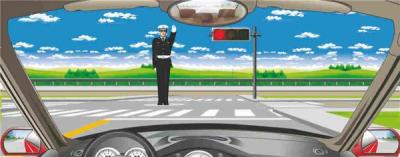
Answer:Y
9、Which one of the following measures is correct when a motor vehicle encounters this situation at night?
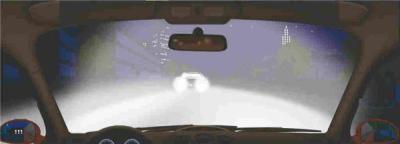
A、Keep driving at a normal speed
B、Drive at an increased speed to avoid light
C、Cut speed or stop to yield
D、Turn on high-beam to reject
Answer:C
10、This road marker indicates that the minimum speed for this road section is 60 km/hour.
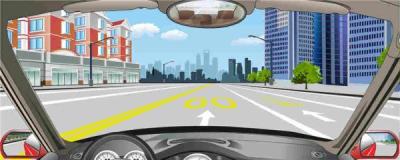
Answer:N
11、Motor vehicles should stop and wait when encountering two red lights flashing alternately at evel crossings.
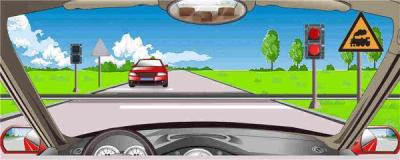
Answer:Y
12、The sign on the right indicates that the vehicle should yield to the oncoming traffic as approaching each other.
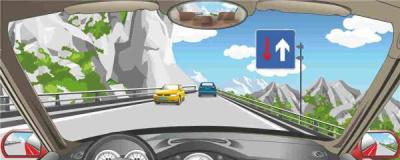
Answer:N
13、Which one of the following ways to pass this intersection is correct?
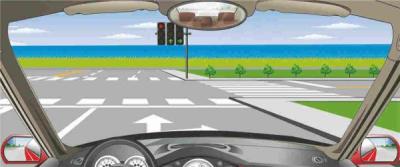
A、Turn left or right
B、Drive straight or turn left
C、Turn left
D、Drive straight or turn right
Answer:D
14、The sign on the right warns of an unguarded railway crossing 150 meters ahead.
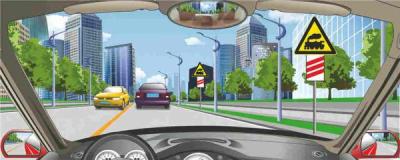
Answer:Y
15、The sign on the right warns of a danger from rockfall on the left side.
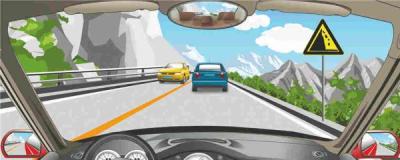
Answer:Y
16、Before making a U-turn at the intersection ahead, motor vehicle drivers should drive to the lane for turning left and going straight.
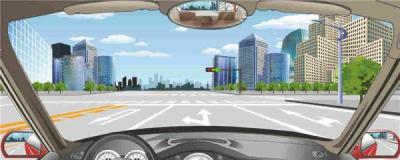
Answer:N
17、When driving a vehicle equipped with power steering what should the driver do upon finding that steering is difficult?
A、Stop and identify the cause
B、Control the steering and drive slowly
C、Drive at a lower speed
D、Keep the vehicle going straight
Answer:A
18、When the motor vehicle stops on a downhill section how should the driver use the foot brake?
A、Earlier than on a level road
B、Later than on a level road
C、As timely as on a level road
D、Gently depress the foot brake pedal
Answer:A
19、The sign on the right indicates that sounding the horn is prohibited here.
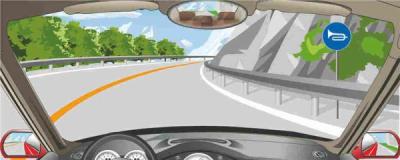
Answer:N
20、When a motor vehicle needs to stop for inspection after having an accident on an expressway, where should the driver park?
A、On the far outer lane
B、On the inner lane
C、On the emergency lane
D、In the triangle area on the ramp
Answer:C
21、hen there is a braking failure on a downhill road the driver should immediately try to find and drive to an emergency lane; after stopping the vehicle on the emergency lane, the driver should pull up the stopping brake so as to prevent a second danger arising from the vehicle sliding.
Answer:Y
22、The sign on the right indicates a bypass route at the intersection ahead.
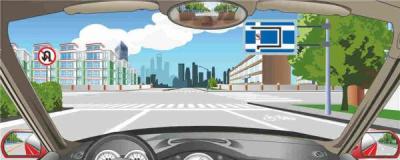
Answer:Y
23、The sign in front is an advance announcement of famous places and distances en route.
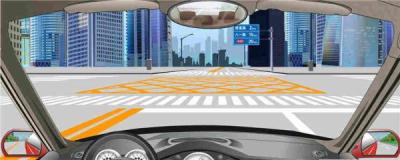
Answer:Y
24、The sign on the left indicates no U-turn at the intersection ahead.
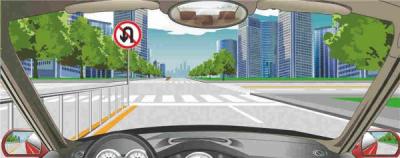
Answer:Y
25、The sign above the tunnel indicates a height limit of 3.5 meters on the road ahead.
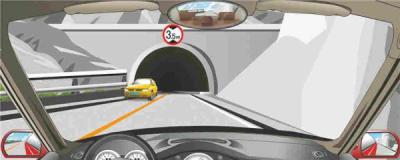
Answer:Y
26、Which one of the following is the safest way when driving a motor vehicle on this kind of road surface?
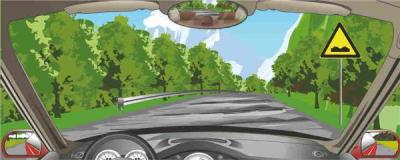
A、Slide over by using neutral gear
B、Pass with a high speed
C、Pass by speeding up
D、Pass with a low speed
Answer:D
27、The sign on the right indicates notice by sounding the horn.
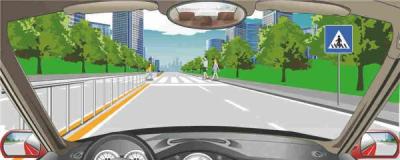
Answer:N
28、How many kinds of law-breaking acts are displayed in flash 2?
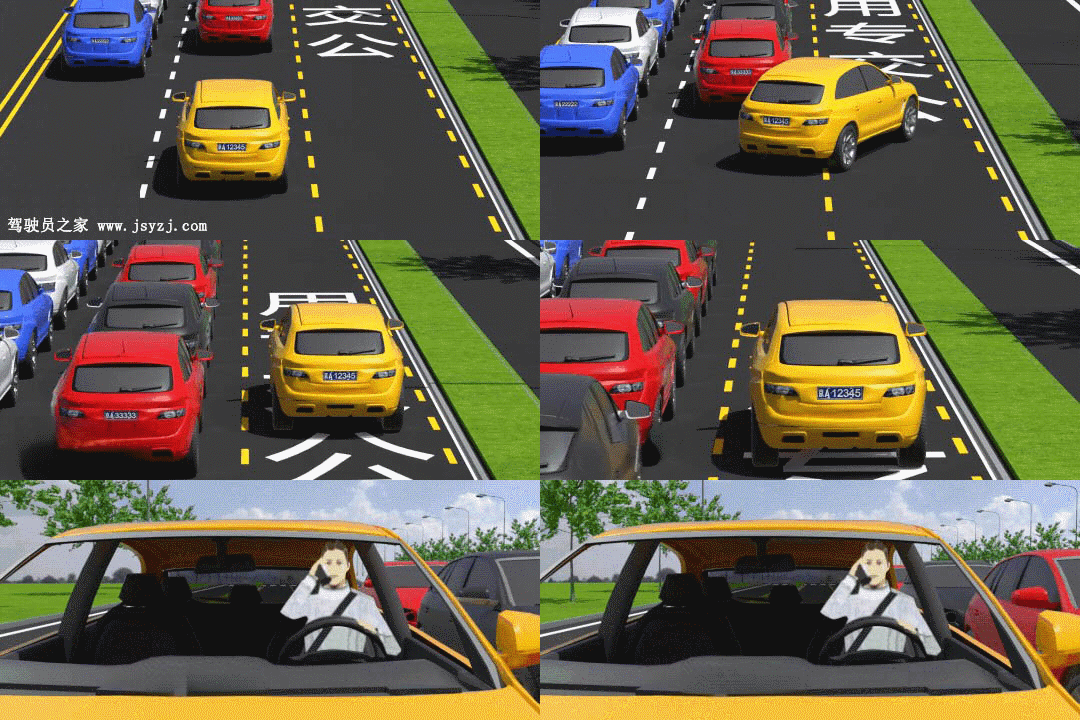
A、One
B、Two
C、Three
D、Four
Answer:B
29、When there is a sudden braking failure on a downhill road, in which ones of the following ways can drivers reduce speed?
A、Driving onto the emergency lane and reduce speed and stop there
B、Rubbing the vehicle body against the rocks or trees on roadside
C、Pulling up the handbrake first
D、Immediately changing to a low gear
Answer:ABD
30、Two parallel broken double-yellow lines indicate the position of a diversion lane.
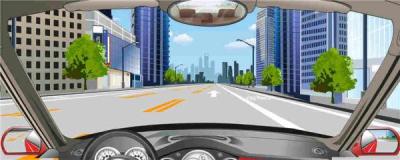
Answer:Y
31、What should motor vehicle drivers do when parking temporarily on a rainy day?
A、Turn on hazard lamp
B、Turn on front and back fog lamp
C、Turn on low-beam
D、Set up warning sign at the back of the vehicle
Answer:A
32、When there is a braking failure, the driver should first control the direction and then try to control the speed.
Answer:Y
33、Motor vehicle drivers don't need to fasten their seatbelt
Answer:N
34、How to run when encountering this situation at the intersection?
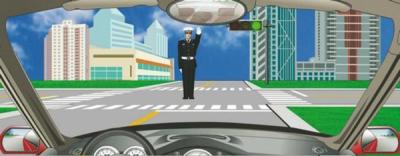
A、stop and wait
B、obey the traffic lights
C、run straight on the right side
D、may turn right
Answer:A
35、The sign on the right warns of an unguarded railway intersection ahead.
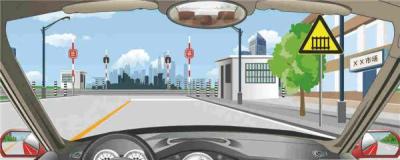
Answer:N
36、The sign on the right warns of no passing due to collapse on the road ahead.
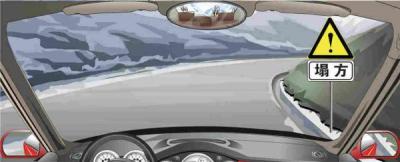
Answer:N
37、The sign in front indicates a 4-kilometer distance from the next exit.
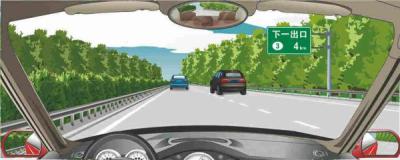
Answer:Y
38、What should the driver do on this kind of curving mountain road?
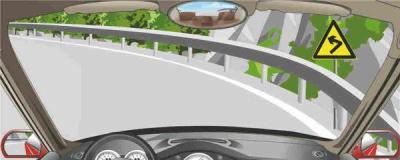
A、Borrow the opposite lane
B、Slow down and drive on the right
C、Stick to the central line of the road
D、Drive close to the right side
Answer:B
39、Drivers may go straight and pass through when traffic police give these hand signals
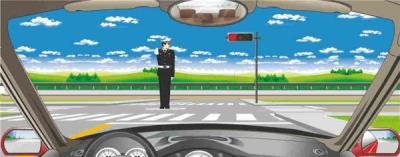
Answer:N
40、The sign on the right warns for livestock on the road ahead.
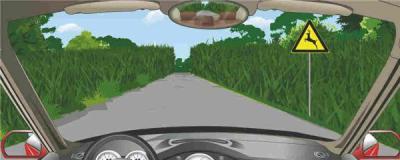
Answer:N
41、Motor vehicle drivers may make a U-turn in this area as long as it will not affect the passing of pedestrians.
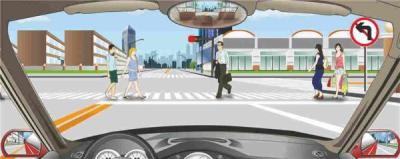
Answer:N
42、The sign in front is an advance announcement of the directions led by this intersection.
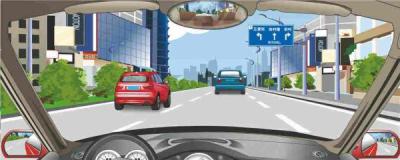
Answer:Y
43、When passing a sharp curve, motor vehicle drivers may overtake if there are few other vehicles on the road.
Answer:N
44、When rescuing a wounded person in coma causing by excessive blood loss, it is necessary to take measures to prevent heat loss.
Answer:Y
45、How should motor vehicle drivers make a U-turn at the intersection ahead?
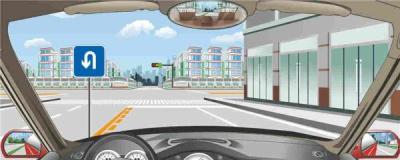
A、Make a U-turn in the waiting area for turning left
B、Make a U-turn at the broken line area of the Intersection
C、Wait until the left-turn indicator is on
D、Wait until the straight-going signal is on
Answer:B
46、How should lamps be used when setting off in this situation?
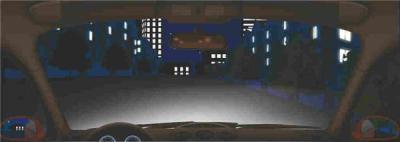
A、Turn on the high-beam
B、Turn on the left indicator only
C、Turn on the left indicator and low-beam
D、Turn on hazard lamp
Answer:C
47、The sign on the right warns of a narrowed road on both sides ahead.
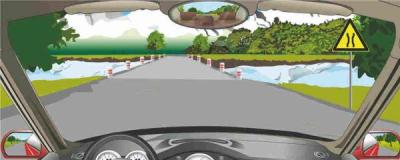
Answer:N
48、The sign in front indicates a temporary parking lot on the right side of the highway.
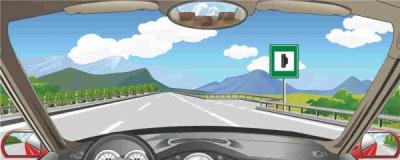
Answer:N
49、When driving in a strong wind, what should the driver do if he/she feels the steering wheel is suddenly out of control due to the frequent changes in speed and direction of the wind?
A、Turn the steering wheel against the wind
B、Turn the steering wheel with the wind
C、Use emergency brake
D、Firmly hold the steering wheel with both hands
Answer:D
50、The sign on the right warns of no passing on either side of the road ahead.
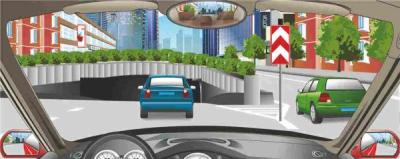
Answer:N
- 山东科目四考题英文版 相关内容
- 湖南英文驾考书 云南外国人考科目一 英文 北京驾照考试科目四英文版 浙江英文驾考书 云南驾考英文版题库 湖北只认识英文可以考科目一吗 天津科目一英文版在哪里找 广东驾照考试科目一英文版 天津英语c1科目四考试 湖北科目四考题英文版 宁夏外国人考科目四 英文 西藏英语c1科目四考试 贵州驾考有英文版吗 浙江外国人考科目四 英文 宁夏驾考科目四英语版书 黑龙江外国人考驾照英文模拟试题
Copyright © 2025 驾考 版权所有