
- 科目一考试
- 顺序练习
- 随机练习
- 强化练习
- 模拟考试
- 科目四考试
- 顺序练习
- 随机练习
- 强化练习
- 模拟考试
- 外国语言版题库
- 英语题库
- 德语题库
- 韩语题库
- 日语题库
- 俄语题库
- 法语题库
- 西班牙语题库
- 阿拉伯语题库
- 摩托车英文题
重庆科目四考题英文版
-
1、The drivers, loaders and supercargoes responsible for dangerous chemicals transportation should all full understand the chemical characteristics, potential risks, features of the packaging containers and emergency measures for any unexpected accidents.
Answer:Y
2、How many kinds of law-breaking acts are displayed in flash 6?
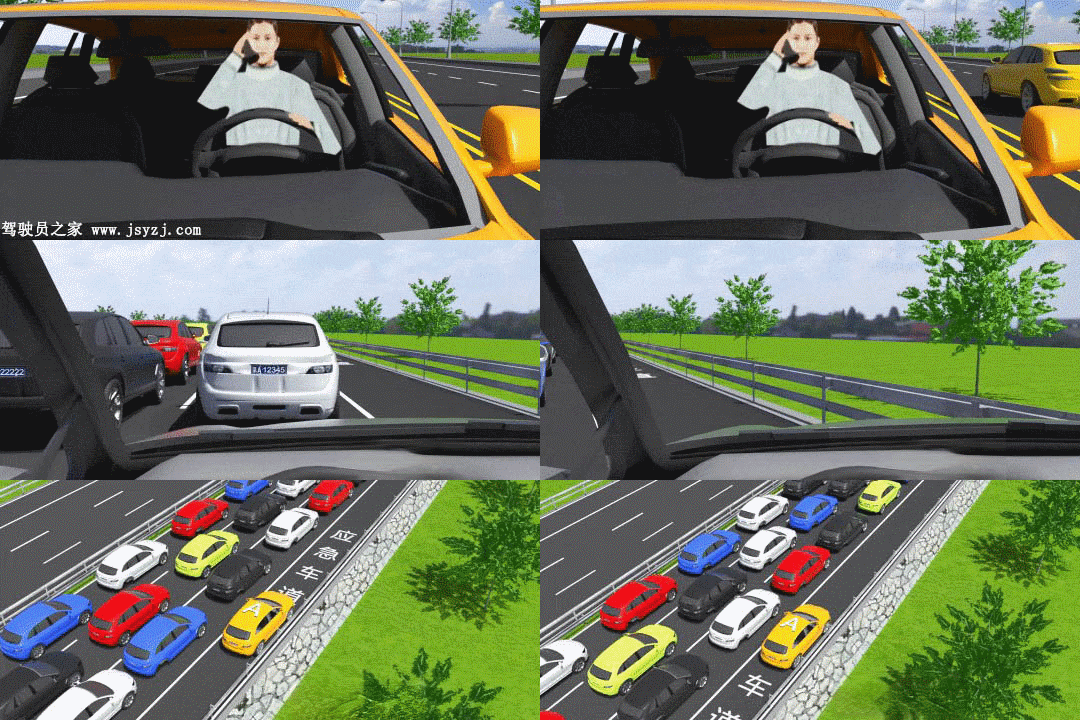
A、One
B、Two
C、Three
D、Four
Answer:C
3、If a motor vehicle breaks down or causes a traffic accident on the expressway and cannot run normally the vehicle may be towed by any accompanying motor vehicles.
Answer:N
4、Which one of the following vehicle types is not allowed to pass, as indicated by the right-hand sign?
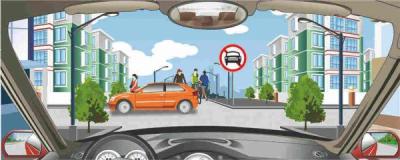
A、Large trucks
B、Large buses
C、Motor vehicles of all kinds
D、Small vans
Answer:C
5、The driver may turn right directly at this intersection.
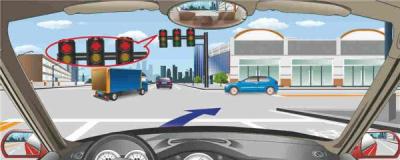
Answer:N
6、Motor vehicles are permitted to follow the guidance of the arrow in this picture and enter the lane of an expressway.
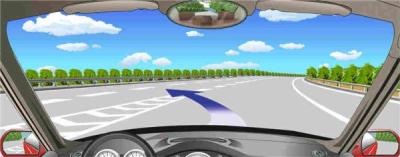
Answer:N
7、Driving and smoking has no negative effect on safe driving
Answer:N
8、Which is the correct way to use a fire extinguisher?
A、Stand on the leeward side
B、Direct the fire extinguisher at the source of fire
C、Try to approach the source of fire as close as possible
D、Direct the fire extinguisher at the flames
Answer:B
9、When driving in thick fog causing poor visibility on the expressway, the driver should apply emergency braking to stop at once.
Answer:N
10、The sign in front is an advance announcement of famous places and distances en route.
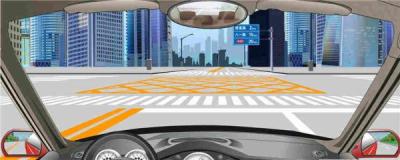
Answer:Y
11、Motor vehicles should stop and yield rapidly when encountering this situation at a bus station.
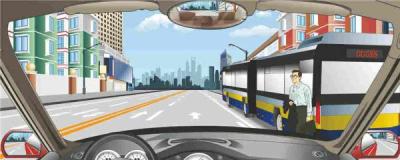
Answer:Y
12、When passing a sharp curve, motor vehicle drivers may overtake if there are few other vehicles on the road.
Answer:N
13、It is a bad habit for a driver to put his left arm on the window of the vehicle or hold the gear lever in his right hand for a long time.
Answer:Y
14、Under such circumstances, the motor vehicle is allowed to overtake.
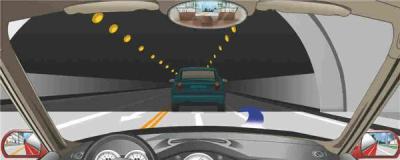
Answer:N
15、When making a turn on a mountainous road, drivers should cut speed, sound the horn and drive along the right side.
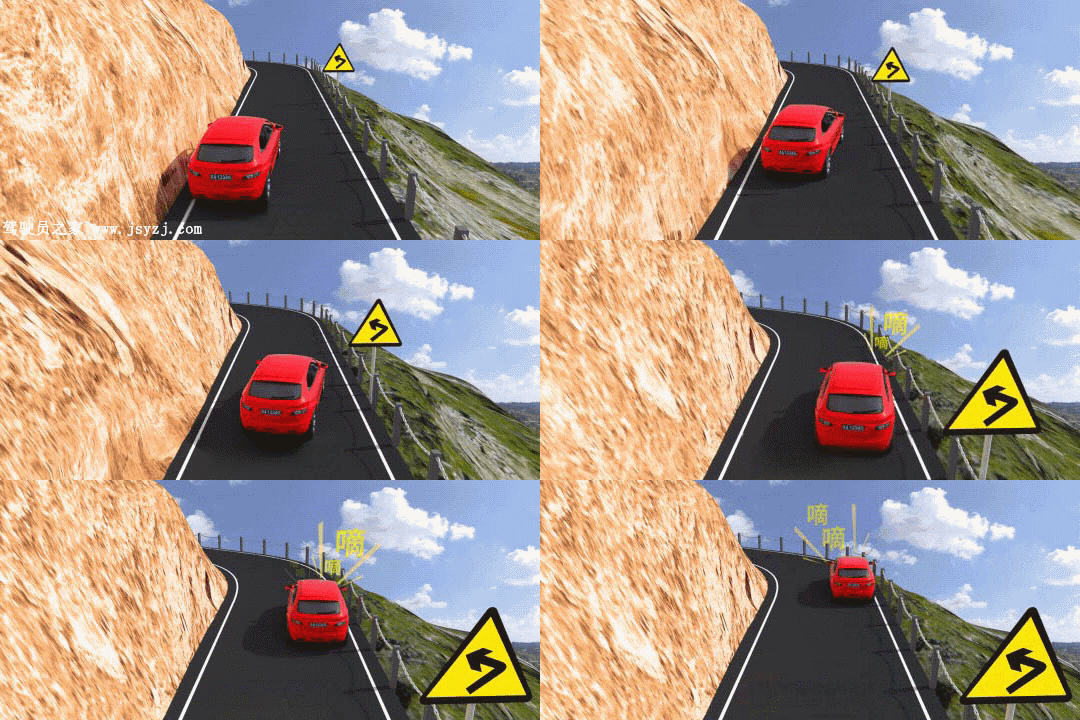
Answer:Y
16、What should a driver do before entering a tunnel on an expressway
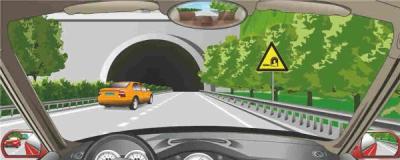
A、Turn on the high-beam
B、Turn on the width lamp and the tail lamp
C、Turn on the low-beam
D、Sound the horn before entering the tunnel
Answer:C
17、Motor vehicle drivers should rush to the top of the slope in this situation.
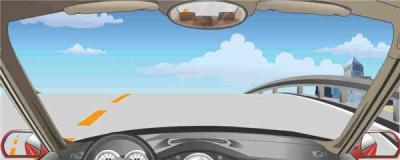
Answer:N
18、When following other vehicles on the uphill section of a mountain road, what should the driver do if the vehicle in front stops?
A、Overtake from either side of the front vehicle
B、Stop close to the vehicle in front
C、Stop with a larger space from the vehicle in front
D、Sound the horn continuously to warn the other driver
Answer:C
19、When encountering this situation in a residential area the driver should sound the horn continuously.
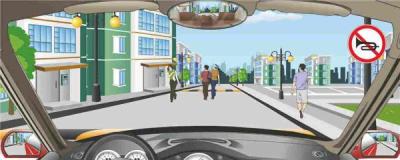
Answer:N
20、When driving in a strong wind, drivers should abruptly turn the steering wheel to return to the original direction if they feel the vehicle deviates horizontally due to a strong gale.
Answer:N
21、When a motor vehicle breaks down and cannot be moved away from the emergency lane or the road shoulder, the driver and all passengers should get off the vehicle and wait on the road side instead of leaving the expressway.
Answer:N
22、The sign on the left indicates U-turn is allowed here.
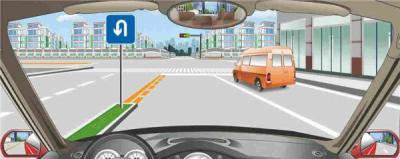
Answer:Y
23、vehicles may stop temporarily in this area.
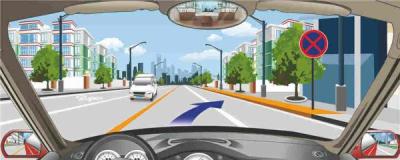
Answer:N
24、The sign on the left indicates the destinations of two highway directions
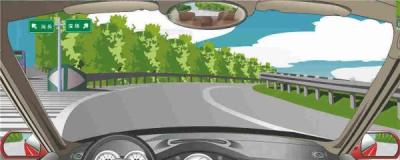
Answer:Y
25、Under such circumstances at an intersection. what should motor vehicle drivers do?
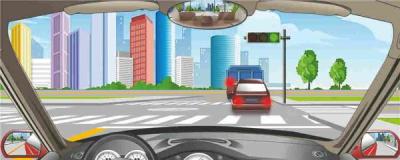
A、Drive into the intersection and wait
B、Wait in front of the intersection stop-line
C、Pass through in the right non-motor vehicle lane
D、Pass through the intersection by borrowing the opposite lane
Answer:B
26、Under such circumstances, what should be done bY motor vehicle drivers in order to yield to the pedestrians politely?
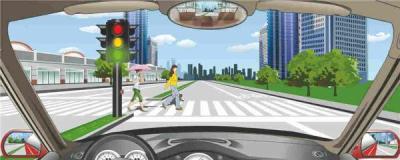
A、Set off after pedestrians pass
B、Set off and bypass in front of the pedestrians
C、Sound the horn to warn the pedestrians to yield
D、Set off and approach the pedestrians slowly
Answer:A
27、When approaching another vehicle at night, why should the driver alternate between high-and-low-beam at a distance more than 150 meters?
A、Warn each other before passing
B、Driving habit
C、Easy to observe the situation ahead from either side
D、Courtesy
Answer:C
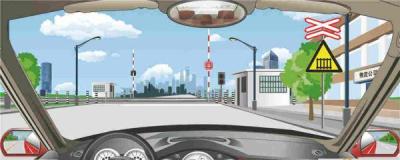
28、This sign warns of an intersection of railways and highways ahead.
Answer:Y
29、When driving on a muddy road, the driver should hold the steering wheel firmly and speed up to pass through.
Answer:N
30、When such circumstances happen suddenly, what should the driver do?
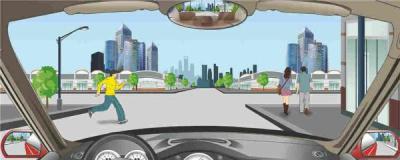
A、Reduce speed or stop to yield
B、Bypass in front of the pedestrians
C、Continuously sound the horn to alert the pedestrians
D、Bypass from behind the pedestrians
Answer:A
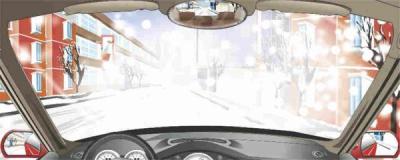
31、In the condition of low visibility, drivers should turn on the low-beam when setting off
Answer:Y
32、When the tire pressure is too low, what will happen if the tire changes its shape in waves and increases in temperature due to fast movement?
A、Unstable tire pressure
B、Even lower tire pressure
C、Driving resistance increases
D、Tire burst
Answer:D
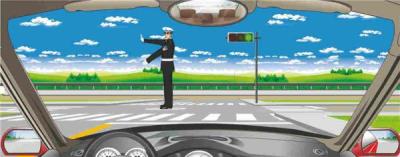
33、Drivers may turn left when seeing these hand signals.
Answer:Y
34、What should the driver do if he/she encounters this situation at the intersection when driving straight?
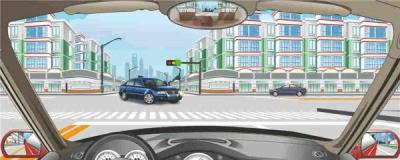
A、Sound the horn to warn the other vehicle to yield
B、Speed up and pass in the front of the vehicle
C、Turn on the headlamp to warn the other vehicle to yield
D、Slow down or stop to yield
Answer:D
35、When driving on this dangerous mountainside road, motor vehicles should drive along the right side of the road.
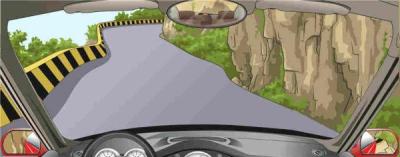
Answer:Y
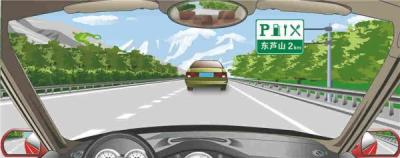
36、The sign on the right indicates a 2-kilometer distance from the Donglushan Service Area on the highway.
Answer:Y
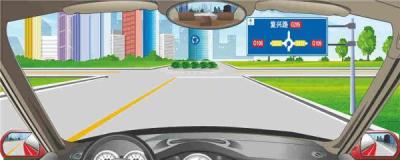
37、The sign in front gives information about the direction of road exits.
Answer:Y
38、When driving on a damp and slippery road, drivers should avoid using the emergency brake to his/her best ability.
Answer:Y
39、Turning on the high-beam is an effective way to improve visibility in fog weather.
Answer:N
40、When driving in a strong wind, what should the driver do if he/she feels the steering wheel is suddenly out of control due to the frequent changes in speed and direction of the wind?
A、Turn the steering wheel against the wind
B、Turn the steering wheel with the wind
C、Use emergency brake
D、Firmly hold the steering wheel with both hands
Answer:D
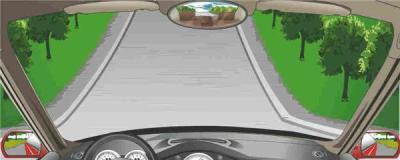
41、When encountering a road like this, motor vehicle drivers should downshift in advance to maintain the dynamic of the motor vehicle.
Answer:Y
42、Sounding the horn on a foggy daY can arouse the attention of the opposite side. After hearing the horn from the opposite side, the driver should also sound their own horn to respond.
Answer:Y
43、When the motor vehicle stops on an uphill section, how should the driver use the foot brake?
A、Earlier than on a level road
B、Later than on a level road
C、As timely as on a level road
D、Strongly depress the foot brake pedal
Answer:B
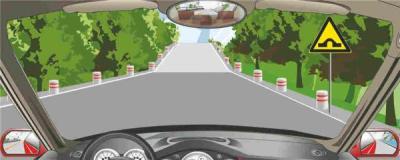
44、The sign on the right warns of a bumpy road ahead.
Answer:N
45、What should the driver do when seeing these hand signals.
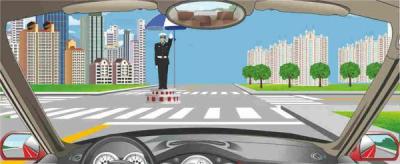
A、Stop and wait
B、Go straight and pass through the intersection
C、Turn right at the intersection
D、Turn left at the intersection
Answer:A
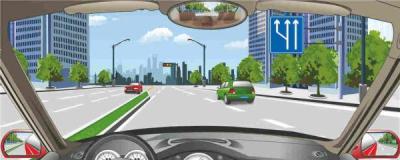
46、The sign on the right indicates a bypass flow intersection ahead.
Answer:N
47、When following other vehicles on a foggy day, what should the driver do?
A、Maintain a large safety distance
B、Turn on the high-beam
C、Turn on the low-bea
D、Sound the horn in due time
Answer:A
48、What should motor vehicle drivers do under such circumstances at night?
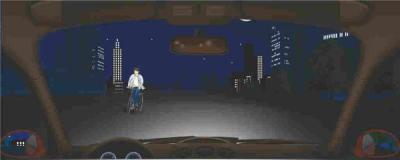
A、Turn off the headlamp when approaching
B、Use low-beam
C、Use high-beam
D、Turn off all lamps in advance
Answer:B
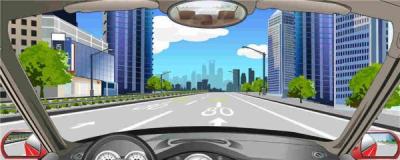
49、The marking on the road surface indicates that the speed limit of this road section is 80 km/hour.
Answer:N
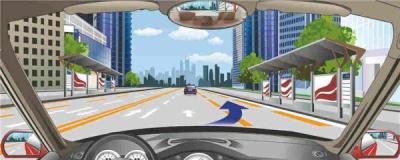
50、In this situation, motor vehicles are permitted to stop temporarily at bus stations.
Answer:N
- 重庆科目四考题英文版 相关内容
- 海南驾考科目三英文 老外考中国驾照需要中文能力测试吗 江西科目四考试英文版 广西2025科目四考题英文版 山东科目一有英文版吗 河南驾考英语版PDF题库 外国驾照考试视频教程下载 浙江驾考英文版题库 河北英文版考驾照 浙江驾照科目一英文版题库 新疆科目四英文版在哪里找 新疆只认识英文可以考科目四吗 安徽2025驾考英文题库 辽宁驾考科目四英语 吉林只认识英文可以考科目一吗 老外考驾照的理论考题有哪些内容呢
Copyright © 2025 驾考 版权所有