
- 科目一考试
- 顺序练习
- 随机练习
- 强化练习
- 模拟考试
- 科目四考试
- 顺序练习
- 随机练习
- 强化练习
- 模拟考试
- 外国语言版题库
- 英语题库
- 德语题库
- 韩语题库
- 日语题库
- 俄语题库
- 法语题库
- 西班牙语题库
- 阿拉伯语题库
- 摩托车英文题
江西科目四考试英文版
-
1、When a motor vehicle slides sideways, how should the driver adiust the direction?
A、If the front wheels skid sideways, turn the steering wheel in the direction of the skid
B、If the front wheels skid sideways, turn the steering wheel in the opposite direction of the skid
C、If the rear wheels skid sideways, turn the steering wheel in the direction of the skid
D、If the rear wheels skid sideways, turn the steering wheel in the opposite direction of the skid
Answer:BC
2、The right-front sign indicates a time-regulated pedestrian area.
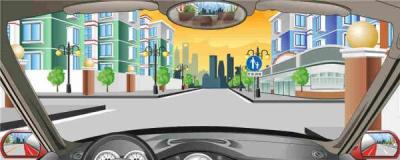
Answer:Y
3、Motor vehicles should stop and wait when encountering two red lights flashing alternately at evel crossings.
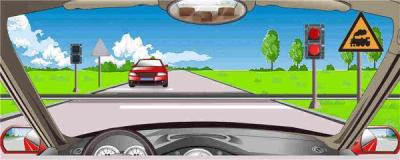
Answer:Y
4、When the vehicle behind gives a notice of overtaking at night, the vehicle in front should not yield blindly.
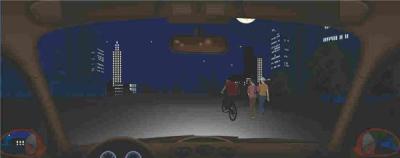
Answer:Y
5、Once inflammable gas causes a fire disaster, it should be put out with water in good time.
Answer:N
6、Under this circumstance, motor vehicle drivers should give the right of way to oncoming vehicle.
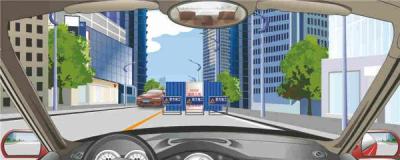
Answer:Y
7、How to reduce speed or stop when driving on a road covered with snow and ice?
A、Take full advantage of driving brake
B、Take full advantage of the control power from engine
C、Take full advantage of parking brake
D、Take full advantage of speed retarder
Answer:B
8、The braking distance will be shortened greatly when the motor vehicle is equipped with ABS brakes.
Answer:N
9、The sign on the right indicates an inspection station 100 meters ahead.
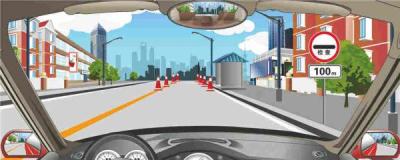
Answer:Y
10、How many kinds of law-breaking acts are displayed in flash 8?
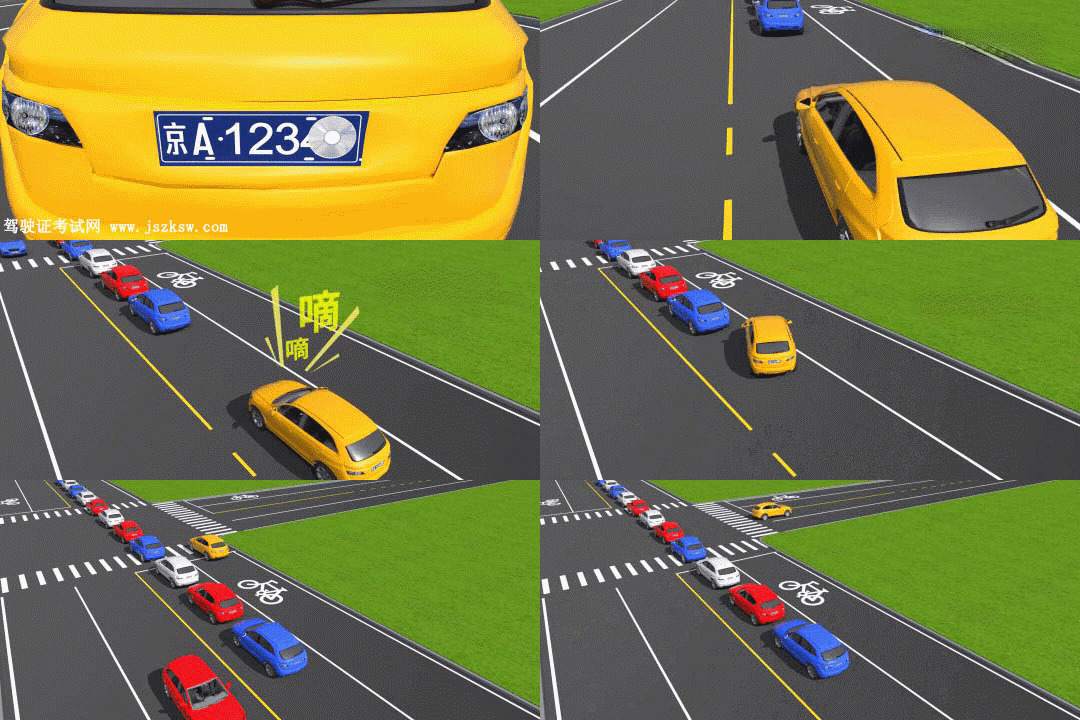
A、One
B、Two
C、Three
D、Four
Answer:B
11、When a motor vehicle reaches a muddy or burst-and-muddy section of the road, the driver should stop, observe and select a level and solid section or a section with vehicle tracks.
Answer:Y
12、The guide arrow on the road surface of this lane indicates that there is an intersection on the right side of the road.
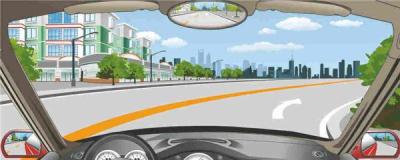
Answer:N
13、The sign on the right indicates a bypass flow intersection ahead.
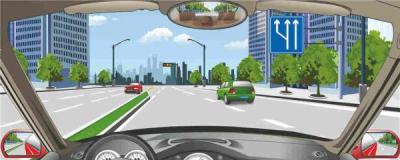
Answer:N
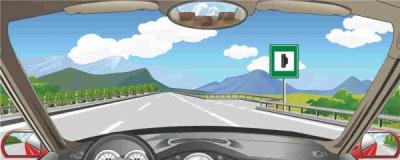
14、The sign in front indicates a temporary parking lot on the right side of the highway.
Answer:N
15、When driving on a muddy road, what should the driver do?
A、Try to avoid using the foot brake
B、Drive slowly in mid or low gear
C、Firmly hold the steering wheel
D、Speed up and pass through
Answer:ABC
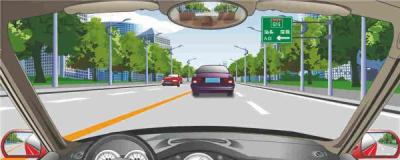
16、The sign in front indicates that the highway entry is on the right side of the road.
Answer:N
17、After a traffic accident, what is the most effective measure to prevent secondary accidents?
A、Evacuate all passengers
B、Turn on the hazard lamps
C、Mark the original place of the injured persons
D、Properly place the danger warning sign
Answer:ABD
18、When reversing in this condition, in which of the following ways can motor vehicle drivers keep safe?
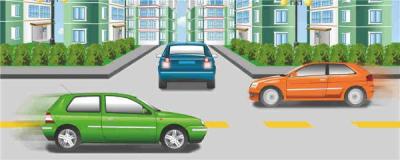
A、Reverse at a lower speed
B、Voluntarily stop and yield
C、Continuously sound the horn to alert
D、Reverse in a clockwise direction
Answer:B
19、What should the driver do upon finding a burst rear tire?
A、Adjust by swiftly turning the steering wheel
B、Control the direction while reducing speed slowly
C、Swiftly turn the steering wheel to the opposi direction
D、Swiftly take braking measures
Answer:B
20、When a motor vehicle breaks down and cannot be moved away from the expressway, the driver and all passengers should stay in the vehicle and wait for the rescue personnel.
Answer:N
21、When a motor vehicle enters an expressway from the ramp, which of the following lamps should be turned on?
A、The left-turn indicator
B、The right-turn indicator
C、The hazard warning lamp
D、The headlamp
Answer:A
22、What kind of harmful effect will be brought about by continuously using the foot brake on a long downhill road?
A、Shorten the engine's service life
B、Make the driver feel tired
C、Easily cause the vehicle to overturn
D、Reduce the braking efficiency
Answer:D
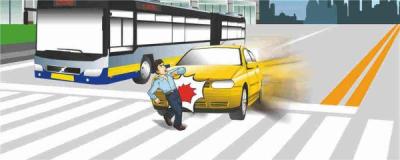
23、The main reason for this accident is that the pedestrian crossed the street in front of the motor vehicle.
Answer:N
24、What should be done first after getting into the vehicle?
A、Observe the surrounding traffic situation
B、No need to observe the traffic situation around
C、Open the door and get in directly
D、Take note of the weather
Answer:A
25、When finding a tire burst on the road, the driver should gently depress the brake pedal, reduce speed and stop the vehicle slowly.
Answer:Y
26、What should the driver do when the motor vehicle counters this situation?
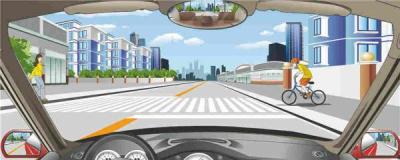
A、Sound the horn continuously to warn
B、Speed up and bypass from the front
C、Slow down when encountering any risks
D、Slow down voluntarily and yield
Answer:D
27、What should the driver do when the motor vehicle encounters this situation in front of a school?
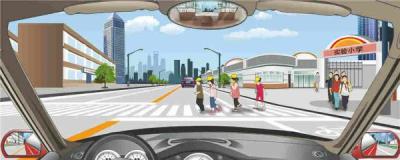
A、Bypass before the queue
B、Slow down and pass slowl
C、Stop promptly and yield
D、Go through in the spaces between the queues
Answer:C
28、When parking temporarily on a snowy day, drivers should turn on the headlamp and fog lamp.
Answer:N
29、What should the driver do when the motor vehicle encounters this situation?
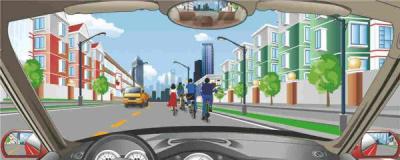
A、Overtake immediatel
B、Sound the horn continuously to warn
C、Maintain safety distance and overtake
D、Sound horn and speed up to overtake
Answer:C
30、When a motor vehicle stops temporarily in a rainy day,which lamp should be turned on?
A、Front and rear fog lamps
B、Hazard lamps
C、Headlamps
D、Reverse lamps
Answer:B
31、Before making a U-turn at the intersection ahead, motor vehicle drivers should drive to the lane for turning left and going straight.
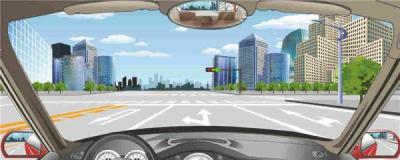
Answer:N
32、Sounding the horn on a foggy daY can arouse the attention of the opposite side. After hearing the horn from the opposite side, the driver should also sound their own horn to respond.
Answer:Y
33、The stop-and-yield line at the intersection ahead indicates that vehicle drivers should reduce speed and give the right of way to vehicles on the trunk road.
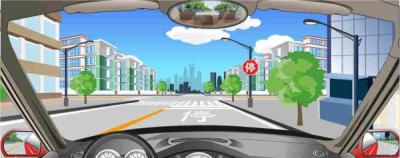
Answer:N
34、The sign on the right warns of a widened left-hand road ahead.
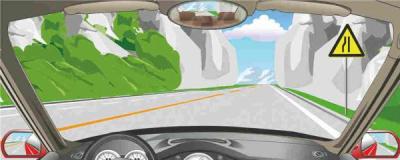
Answer:N
35、When driving in a heavy rain, drivers should contro their speed to prevent their vehicles from sliding.
Answer:Y
36、The sign on the right indicates a T-shaped intersection head.
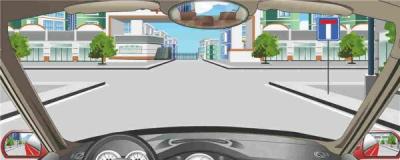
Answer:N
37、Under such circumstances, the motor vehicle is allowed to overtake.
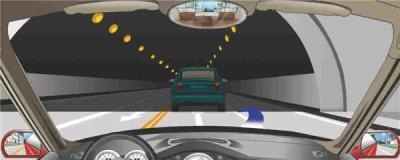
Answer:N
38、What should the driver pay attention to when the motor vehicle on the main road approaches a junction with a feeder road?
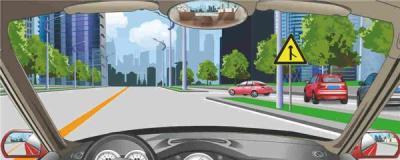
A、Slow down in advance and pay attention to other motor vehicles
B、Maintain the normal speed
C、Sound the horn and pass rapidly
D、Speed up and pass rapidly
Answer:A
39、The broken and solid white line on the road indicates that crossing is allowed on the solid line side.
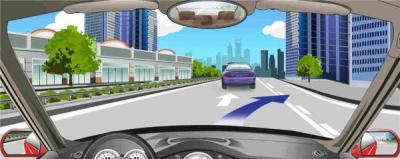
Answer:N
40、When there is a braking failure on a downhill road, what should not be done by the driver?
A、Steering the motor vehicle to the uphill direction
B、Stopping the vehicle by rubbing the vehicle body against the rocks or trees on roadside
C、Driving to the emergency lane and stop the vehicle there
D、Pulling up the stopping brake or change the gear to two positions lower
Answer:D
41、A driver should speed up when passing through road sections with this traffic marking.
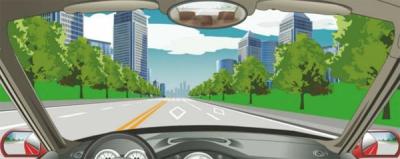
Answer:N
42、When there is no bandage for rescuing a wounded person, towels, handkerchiefs, bed sheets and stockings can all be used for dressing.
Answer:Y
43、In which ones of the following ways can motor vehicle drivers effectively prevent braking failure?
A、Maintaining the braking system periodically
B、Checking the free brake pedal travel before driving
C、Using the braking system correctly to avoid brake-fade
D、For vehicles with hydraulic braking system, checking if the brake fluid leaks before driving
Answer:ABCD
44、On which of the following roads may the wheels be most easily locked when braking?
A、Concrete road
B、Dirt road
C、Road covered by ice and snow
D、Sand road
Answer:C
45、What should be done by motor vehicle drivers in order to yield politely to such pedestrians?
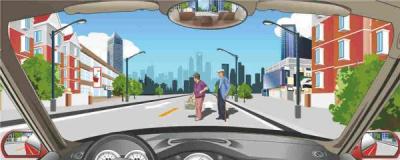
A、Speed up and bypass in front of the pedestrians
B、Speed up and bypass from behind the pedestrians
C、Reduce speed or stop to yield
D、Continuously sound the horn to alert the pedestrians
Answer:C
46、The guide arrow on the road surface of this lane indicates that only U-turns are permitted at the intersection ahead.
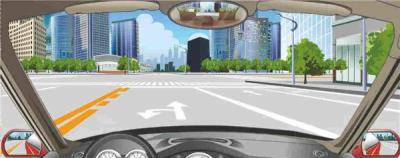
Answer:N
47、What needs attention when a motor vehicle drives on a road covered with ice and snow?
A、Braking length is extended
B、Anti-skating resistance will be greater
C、The adhesive force of the road will be greater
D、The braking length will be shorter
Answer:A
48、Mr. Zhao (with an A2 driving license) drove a large sleeper coach on the No. 219 National Road in Yecheng County. When passing a curve at the spot of 226 kilometers mark by 215 meters on the road, the coach fell into the ravine on one side, killing16 people and injuring 26. What's the main illegal act committed by Mr Zhao?
A、Carrying more passengers than permitted
B、Driving a motor vehicle having failed to accept inspection in time
C、Driving an unpermitted vehicle type
D、Fatigued driving
Answer:C
49、When a tire suddenly bursts on the road, in which of the following ways can motor vehicle drivers keep safe?
A、Applying emergency braking and pulling over
B、Firmly holding the steering wheel and keeping the vehicle going straight
C、Immediately releasing the accelerator pedal
D、Gently depressing the brake pedal
Answer:BCD
50、When making a turn on a mountainous road, drivers should cut speed, sound the horn and drive along the right side.
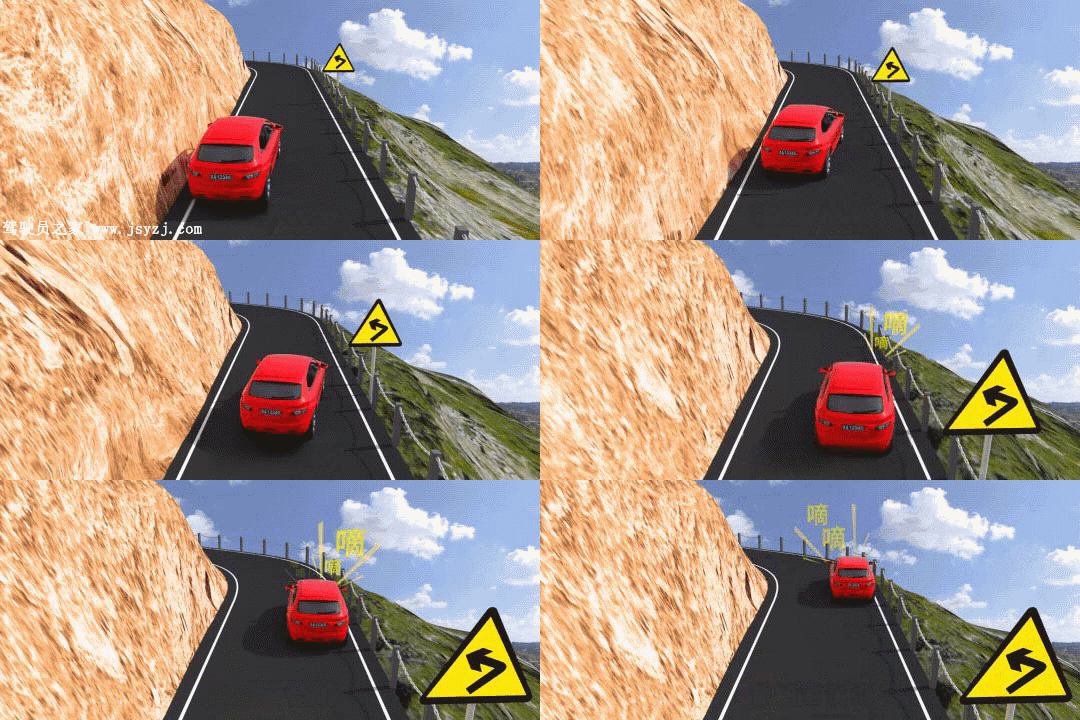
Answer:Y
- 江西科目四考试英文版 相关内容
- 陕西英文驾考科目4 甘肃外国人考驾照英文模拟试题 江西驾考科目四英语版书 安徽科目四考试英文版 内蒙古只认识英文可以考科目一吗 外国人考科目一 英文 河南科目一英文版在哪里找 云南驾考科目一英文版题库 四川驾考有英文版吗 海南2025科目一考试英文 安徽只认识英文可以考科目一吗 外国驾照考试那些项目 吉林英文驾考科目4 浙江英文驾考app 北京英文驾考app 陕西英文驾考科目四app
Copyright © 2025 驾考 版权所有