
- 科目一考试
- 顺序练习
- 随机练习
- 强化练习
- 模拟考试
- 科目四考试
- 顺序练习
- 随机练习
- 强化练习
- 模拟考试
- 外国语言版题库
- 英语题库
- 德语题库
- 韩语题库
- 日语题库
- 俄语题库
- 法语题库
- 西班牙语题库
- 阿拉伯语题库
- 摩托车英文题
辽宁英文驾考科目四app
-
1、When there is bleeding at the bone fracture of a wounded person, the first thing to do is to fix the wounded part in position, then stop the bleeding and dress the wound.
Answer:N
2、As shown in this picture, the intersection guide line is designed to help drivers make turns.
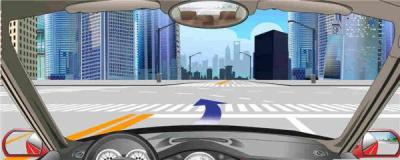
Answer:Y
3、Which one of the following is the safest way when driving a motor vehicle on this road?
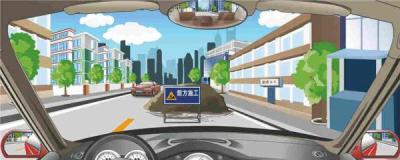
A、Speed up and bypass the obstacle
B、Take the opposite lane and compel the other vehicle to yield
C、Stop and yield to the oncoming vehicle
D、Sound the horn or turn on the headlamp
Answer:C
4、Motor vehicles are not permitted to change lanes in this position.
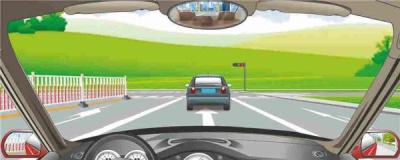
Answer:Y
5、The guide arrow on the road surface of this lane indicates that there is an intersection on the right side of the road.
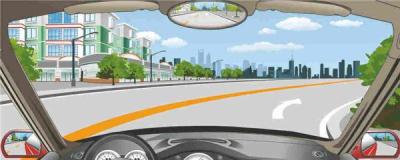
Answer:N
6、Which of the following measures is correct for rescuing a person sustaining full-body burns?
A、Cover the fire with sandy soil
B、Spray cool water to his body
C、Put out the fire by extinguisher
D、Help to remove the burning clothes
Answer:B
7、After a motor vehicle falls into water, the driver won't be able to open the side doors or windows to escape until water nearly fills up the compartment.
Answer:Y
8、Motor vehicles drivers may overtake by borrowing the opposite lane on this kind of road.
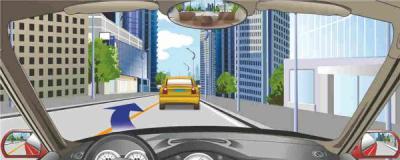
Answer:N
9、Which is the correct way to use a fire extinguisher?
A、Stand on the leeward side
B、Direct the fire extinguisher at the source of fire
C、Try to approach the source of fire as close as possible
D、Direct the fire extinguisher at the flames
Answer:B
10、Before a motor vehicle enters a tunnel, the driver should adjust the speed in accordance with the indication of the traffic sign at the entrance of the tunnel.
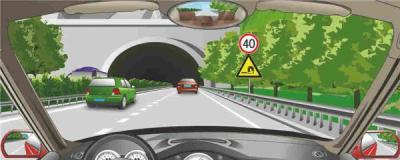
Answer:Y
11、The driver should yield to other non-motor vehicles when the motor vehicle turns right at this Intersection.
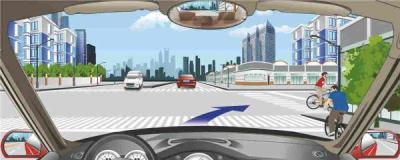
Answer:Y
12、Which one of the following vehicle types is not allowed to pass, as indicated by the right-hand sign?
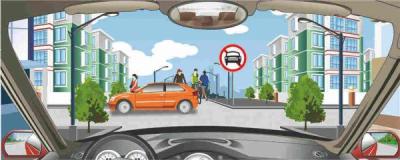
A、Large trucks
B、Large buses
C、Motor vehicles of all kinds
D、Small vans
Answer:C
13、Under such circumstances, what should motor vehicle drivers do?
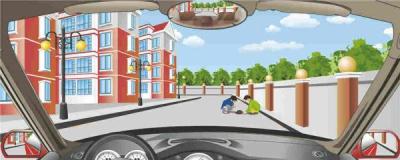
A、Continuously sound the horn
B、Pass quickly
C、Pass at a lower speed
D、Bypass from either side
Answer:C
14、Under this circumstance, motor vehicle drivers should give the right of way to oncoming vehicle.
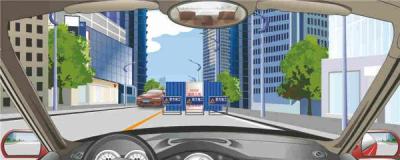
Answer:Y
15、The diamond-shaped sign on the road indicates a crosswalk on the road ahead.
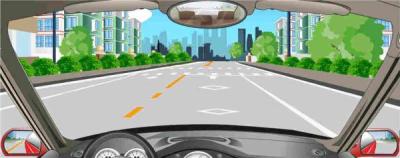
Answer:Y
16、The guide arrow on the road surface of this lane indicates that the lanes ahead will merge to the left side.
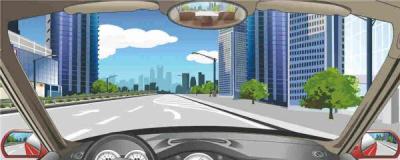
Answer:Y
17、Having driven a large passenger vehicle (carrying 44 passengers, permitted carrying capacity 44) equipped with sleepers at 44km/hour on a frozen road, at 58 km mark by 500m on 540 County Road in Yanhe County, Mr. Luo sideslipped and left the road, killing 15 people and injuring 2 7. Which of the following law-breaking acts did Mr Luo commit?
A、Exceeding the carrying capacity of the passenger vehicle
B、Speeding
C、Fatigued driving
D、Improper driving
Answer:B
18、Drivers may cross these lane-dividing lines to change lanes in the same direction.
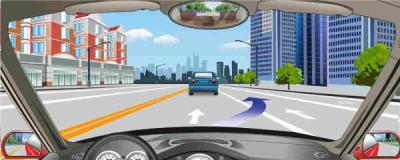
Answer:N
19、The sign on the left warns that there are vehicles converging into the intersection on the left.
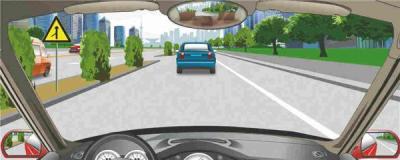
Answer:Y
20、Under such circumstances, what should be done by motor vehicle drivers in order to maintain safe driving?
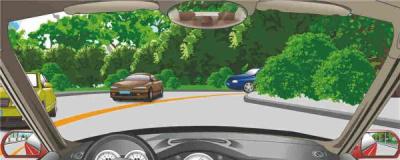
A、Sound the horn or turn on the headlamps
B、Reduce speed or drive on the right side
C、Keep to the central line as best as possible
D、Drive on the left side of the road
Answer:B
21、When seeing this sign, the driver should slow down promptly.
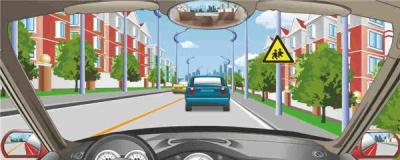
Answer:Y
22、This sign warns to bypass from the left side to avoid the roadblock.
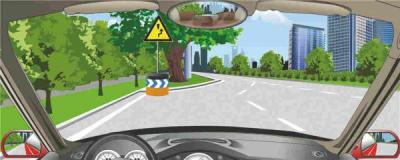
Answer:N
23、When there is bleeding at the bone fracture of a wounded person, the first thing to do is to fix the wounded part in position, then stop the bleeding and dress the wound.
Answer:N
24、The sign on the right warns of an embankment road 200 meters ahead.
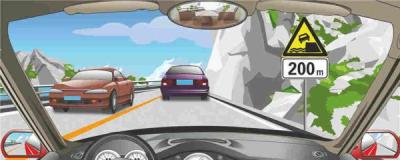
Answer:Y
25、When driving on an expressway which of the following statements is correct?
A、Drivers may stop to pick up or drop off passengers in the emergency lane
B、Drives may load or unload cargo in the emergency lane
C、Drives may overtake other vehicles or stop in the deceleration or acceleration lane
D、Drives are prohibited from driving or stopping in the emergency lane in a non-emergency case
Answer:D
26、The sign in front indicates the distance to highway destination.
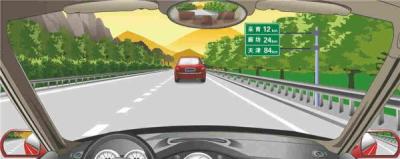
Answer:N
27、What should be done first after getting into the vehicle?
A、Observe the surrounding traffic situation
B、No need to observe the traffic situation around
C、Open the door and get in directly
D、Take note of the weather
Answer:A
28、When a motor vehicle encounters an accident on an expressway, the driver and all passengers should not get off the vehicle and walk around at will.
Answer:N
29、The road marker indicates that vehicles are not allowed to make a U-turn at the intersection ahead.
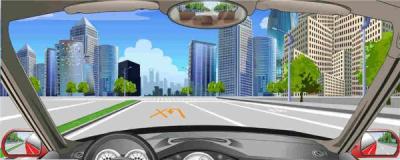
Answer:Y
30、The sign on the right warns of children on the section ahead.
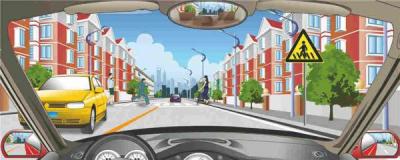
Answer:N
31、It is not a bad habit for a driver to frequently change lanes.
Answer:N
32、Which one of the following statements is correct in this situation?
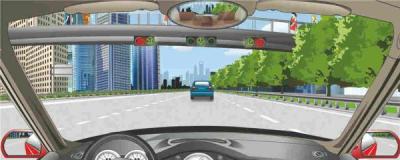
A、Vehicles are prohibited from passing in the lanes on either side
B、Move into the lane on either side at a reduced speed
C、Move into the lane on the right side
D、Move into the lane on either side at an increased speed
Answer:A
33、When driving on an expressway, drivers should not frequently change lanes.
Answer:Y
34、Which is the wrong measure to avoid tire burst?
A、Reduce tire pressure
B、Check tires regularly
C、Remove foreign matters from the tire tread grooves timely
D、Replace tires that have cracks or deep cuts
Answer:A
35、When a fast-moving vehicle encounters an emergency the driver should turn to evade first and then brake to slow down so as to mitigate the damage.
Answer:N
36、The sign in front indicates that the highway entry is on the right side of the road.
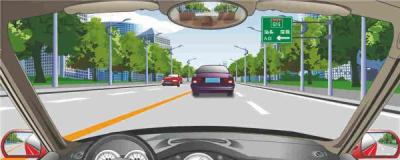
Answer:N
37、The marking on the road surface indicates that the speed limit of this road section is 50 km/hour.
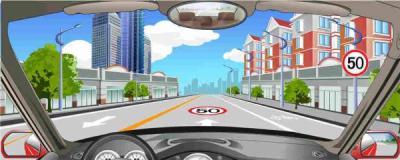
Answer:Y
38、Drivers may turn left when traffic police give these hand signals.
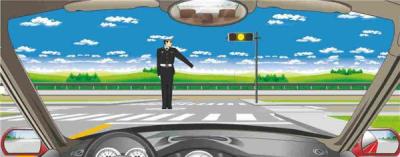
Answer:N
39、When driving on road sections where safe sight distance is affected, such as the top of a ramp, what should drivers do to ensure safety?
A、Rush through
B、Use hazard lamp
C、Cut speed and sound the horn
D、Drive at will
Answer:C
40、Where is the proper parking place for breakdown motor vehicles stopping for examination?
A、In the far outer lane
B、In the inner lane
C、In the emergency lane
D、Entrance area of the ramp
Answer:C
41、What should motor vehicle drivers do under the circumstance shown in the flash?

A、Drive by borrowing the opposite lane
B、Brake suddenly and pass through at a lower speed
C、Drive by the outer side of the curve
D、Reduce speed fully and drive by the right side
Answer:D
42、When a motor vehicle passes over an inundated road what should the driver do?
A、Stop and look at the situation
B、Make sure it's safe and pass over at a low speed
C、Intermittently and gently depress the brake pedal then wading across the water
D、Continuously but gently depress the brake pedal then wading across the water
Answer:ABC
43、The sign on the right indicates that the speed limit is 50km/hour.
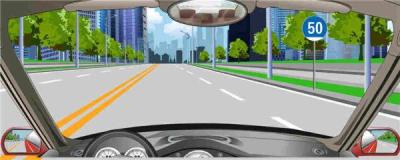
Answer:N
44、When a motor vehicle accidentally hits a guardrail of a highway, the driver should stabilize and adjust the steering wheel properly, and refrain from turning the steering wheel drastically.
Answer:Y
45、When such circumstances happen suddenly, drivers should reduce speed in a timely fashion or stop to yield.
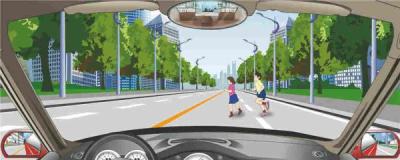
Answer:Y
46、After a traffic accident, what is the most effective measure to prevent secondary accidents?
A、Evacuate all passengers
B、Turn on the hazard lamps
C、Mark the original place of the injured persons
D、Properly place the danger warning sign
Answer:ABD
47、The driver may not change lanes when the motor vehicle turns right at this intersection.
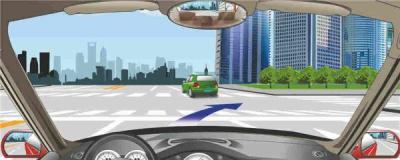
Answer:N
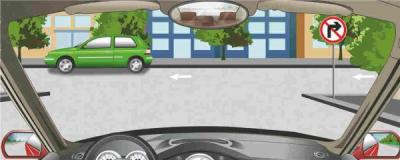
48、The sign on the right indicates that turning right is not permitted at the intersection ahead.
Answer:Y
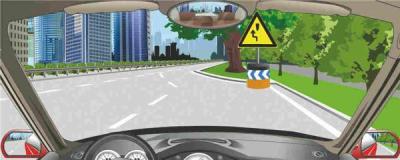
49、This sign warns to bypass from the right side to avoid the roadblock.
Answer:N
50、What should the driver do upon finding that one ofthe right tires is leaking while driving?
A、Brake swiftly to slow down
B、Brake slowly to slow down
C、Turn to the left side swiftly
D、Apply emergency braking
Answer:B
- 辽宁英文驾考科目四app 相关内容
- 内蒙古英文驾考PDF题库 贵州外国人考科目一 英文 广西驾校一点科目一英文版 新疆驾考英文版题库 山东驾考有英文版吗 陕西外国人考驾照科目四 北京驾考科目四英语 四川2025科目四考试英文 上海外国人考科目四 英文 黑龙江英文版考驾照 四川科目四英文版练习题库 湖北外国人考驾照科目一 云南驾校一点科目一英文版 新疆驾考科目四英语版书 陕西驾考科目一英语版PDF题库 四川2025科目四英文版
Copyright © 2025 驾考 版权所有