
- 科目一考试
- 顺序练习
- 随机练习
- 强化练习
- 模拟考试
- 科目四考试
- 顺序练习
- 随机练习
- 强化练习
- 模拟考试
- 外国语言版题库
- 英语题库
- 德语题库
- 韩语题库
- 日语题库
- 俄语题库
- 法语题库
- 西班牙语题库
- 阿拉伯语题库
- 摩托车英文题
辽源摩托车驾照考试科目四英语题
-
1、It is unsafe to ride a motorcycle by high-heel shoes.
Answer:Y
2、Matches, sulfur and red phosphorus are _________.
A、Explosives
B、Inflammable solid materials
C、Self-igniting articles
D、Oxidizing materials
Answer:B
3、When a tire blowout on the road, the driver should swiftly depress the brake pedal to reduce speed, do all his can to control the steering wheel and stop the vehicle as soon as possible.
Answer:N
4、Whats the meaning of the white horizontal solid line in the circle?
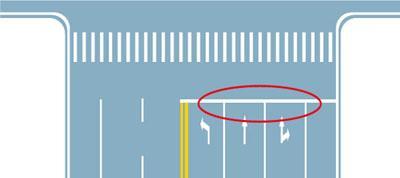
A、Turning waiting line
B、Deceleration line
C、Yielding line
D、Stop line
Answer:D
5、When driving a motor vehicle near an intersection, the vehicle may speed up and honk to pass.
Answer:N
6、What should the driver pay attention to when the motor vehicle passes a school?
A、Observe the traffic signs and markings
B、Slow down and pass slowly
C、Prohibited from sounding the horn
D、Pass rapidly
Answer:ABC
7、When the engine suddenly stalls on the road, what should the driver do?
A、Stop the vehicle and overhaul it immediately
B、Immediately turn on the hazard lamps
C、Move the vehicle to a place where it will not obstruct the traffic flow
D、Set up a breakdown warning sign
Answer:BCD
8、Before riding a motorcycle, the driver should wear a safety helmet and adjust the angle of the rearview mirror till he can clearly watch the left side and the right side of the back.
Answer:Y
9、When removing a wounded person suffering spinal fracture, the rescuer should never help the wounded person to walk. He may be carried away with a soft stretcher.
Answer:N
10、It is not a bad habit for a driver to frequently change lanes.
Answer:N
11、When there is no bondage for rescuing a wounded person, towels, handkerchiefs, bed sheets and stockings can be used for dressing.
Answer:Y
12、How to do in this situation?
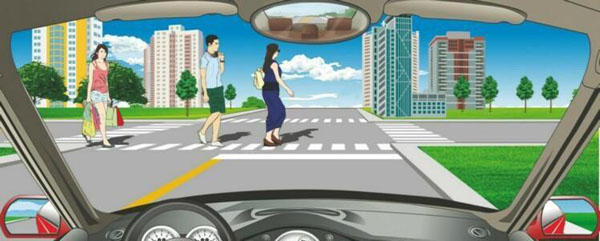
A、Stop and yield to the pedestrians
B、Bypass from the front of the pedestrians
C、Honk to remind the pedestrians
D、Bypass from the rear of the pedestrians
Answer:A
13、When a motor vehicle moves through water, the driver should try to maintain a constant speed and sufficient power and pass through without stopping.
Answer:Y
14、Violent wind can cause a sideways swerve to a running vehicle.
Answer:Y
15、Whats the meaning of this mark on the road?
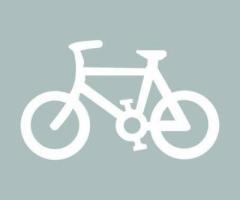
A、The lane for non-motorized vehicles
B、The special lane for motorcycles
C、The special lane for battery bicycles
D、the special lane for bicycles
Answer:A
16、What is the meaning of this sign?
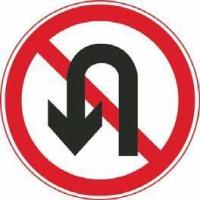
A、No changing lane
B、No left turn
C、No going straight
D、No U turn
Answer:D
17、What is the meaning of this sign?
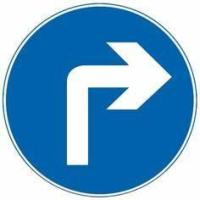
A、Turn right
B、One-way road
C、Going straight only
D、Straight-going lane
Answer:A
18、When discovering animals crossing the expressway on the highway, the driver should not drastically turn to evade.
Answer:Y
19、When driving a motorcycle, the driver may wear slippers for the sake of safety.
Answer:N
20、When a vehicle approaches an intersection without crosswalk, the driver should _______ if he finds people are crossing the street.
A、Reduce speed or stop to yield
B、Honk to indicate them to yield
C、Pass before the pedestrians
D、Immediately change lane and bypass the pedestrians
Answer:A
21、When passing a turn or a curve section, the driver should slow down and disengage the clutch.
Answer:N
22、When a vehicle encounters a strong side wind in a mountain valley, the driver should drastically turn the steering handlebar to adjust the direction of the vehicle if he feels the vehicle deviates from the normal direction.
Answer:N
23、When encountering a vehicle in front ascending on a mountainous road covered with ice and snow, what should the motor vehicle driver do?
A、Ascend after the vehicle in front passes the slope
B、Overtake the vehicle in front swiftly and drive on
C、Overtake the vehicle in front with a slow speed and drive on
D、Follow the vehicle in front closely
Answer:A
24、Turning on the high-beam is an effective way to improve visibility in fog weather.
Answer:N
25、When a vehicle stops temporarily at the roadside at night, the wrong measure is to ______.
A、Turn on the warning flash light
B、Turn on the contour light
C、Turn on the high beam light
D、Turn off all lights
Answer:CD
26、What matters need attention when driving on a rainy day?
A、Avoid using the emergency brake or making sharp turns
B、Keep a safe enough distance
C、Observe the traffic situation of non-motor vehicles and surrounding pedestrians
D、Drive at a safe speed
Answer:ABCD
27、What is the meaning of this sign?
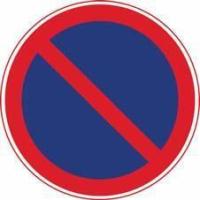
A、No stopping temporarily
B、No long stopping
C、No stopping
D、Long stopping is allowed
Answer:B
28、When a wounded person is under the wheel or cargo, the wrong method is to pull the limbs of the wounded.
Answer:N
29、When driving in a strong wind, drivers should abruptly turn the steering wheel to return to the original direction if they feel the vehicle deviates horizontally due to a strong gale.
Answer:N
30、When driving in thick or extremely thick fog, what should the driver do due to the low visibility in such weather?
A、Turn on the headlamp and drive slowly
B、Turn on the fog lamp and drive slowl
C、Park in a safe place
D、Drive slowly close to the roadside
Answer:C
31、Which of the following measures is incorrect when a motor vehicle stops?
A、Stop at a stipulated place
B、Avoid stopping on pedestrian streets
C、Avoid obstructing the passing of other motor vehicles and pedestrians when temporarily stops on the road
D、Stop on the non-motor vehicle lane
Answer:D
32、vehicles to pass an intersection marked with this sign?
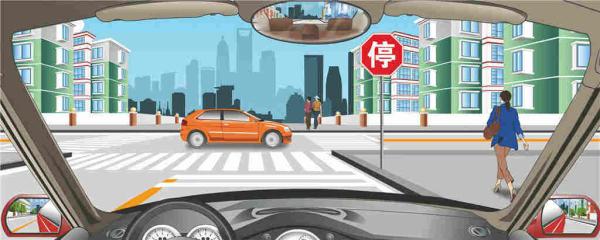
A、Stopping and observing the traffic situation around the intersection
B、Approaching the intersection by speeding up
C、Approaching the intersection at a reduced speed
D、Observing the traffic situation on the left rear side
Answer:A
33、When approaching a vehicle on a narrow slope, which one of the following ways is correct?
A、The descending vehicle yields to the ascending
B、The vehicle which is further from the slope crest should yield
C、The ascending vehicle yields to the descending
D、If the descending vehicle has reached the midpoint while the ascending vehicle has not yet set out, the descending vehicle must yield.
Answer:A
34、When driving on a road covered with ice and snow drivers should not use the emergency brake but can apply a sharp turn.
Answer:N
35、What influence does smoking have upon driving?
A、Harmful for safe driving
B、Increase concentration
C、Help relaxation
D、No effect on driving
Answer:A
36、How to follow a motor vehicle safely on the road?
A、Observe the front vehicle conditions
B、Drive on the left side of the road as far as possible
C、Be ready to slow down at any time
D、Keep a safe distance
Answer:ACD
37、How should lamps be used when motor vehicle drivers pass through a two-way tunnel?
A、Turn on the hazard lamps
B、Turn on the high-beam
C、Turn on the fog lamp
D、Turn on the low-beam
Answer:D
38、Motor vehicle drivers may make a U-turn in this area as long as it will not affect the passing of pedestrians.
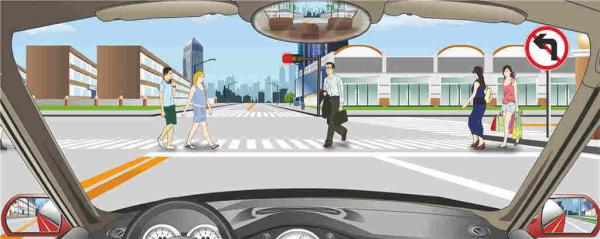
Answer:N
39、Drivers should wear shoes or boots, which have heels and not skid soles, to ensure the acute, accurate, and reliable gear-shifting by feet.
Answer:Y
40、Whats the meaning of the double white broken lines in far front of the intersection?
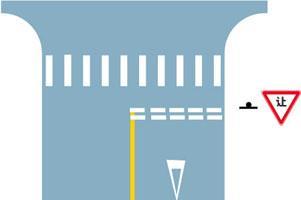
A、Waiting to run line
B、Stopping and yield line
C、Slowdown and yield line
D、Left-turn waiting line
Answer:C
41、When the tire pressure is too low, what can happen when driving at a high speed?
A、Tire pressure will be unstable
B、Tire pressure will increase
C、Driving resistance will decrease
D、The tire will burst
Answer:D
42、When the driver discovers a tire is leaking and steers the vehicle off the main driving lane, he/she should refrain from applying emergency braking so as to avoid a vehicle turnover or a rear-end collision arising from the late braking of the vehicle behind.
Answer:Y
43、When driving on a muddy roads, it is easy for wheels to sideslip or skid, which leads to traffic accidents.
Answer:Y
44、When rescuing a person sustaining full-body burns the rescue personnel may spray cool water to his body to put out the fire.
Answer:N
45、When a fast-running vehicle makes a sharp turn, it can very easily cause side collision or an overturn due to the centrifugal force.
Answer:Y
46、The drivers, loaders and supercargoes responsible for dangerous chemicals transportation should all full understand the chemical characteristics, potential risks, features of the packaging containers and emergency measures for any unexpected accidents.
Answer:Y
47、What is the meaning of this sign?
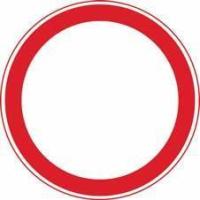
A、No passing
B、Driving at reduced speed
C、Time limit for entering
D、No entering
Answer:A
48、What is the meaning of this sign?
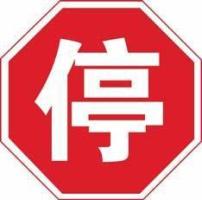
A、Stop to yield
B、No stopping temporarily
C、No entry
D、No long stopping
Answer:A
49、When running in a high speed, if only use the front brake, the driver can be easily thrown out due to the inertia.
Answer:Y
50、When two vehicles approach each other on a foggy day, what is the best method of safe driving?
A、Turn on the high-beam
B、Slowdown and maintain a large safety distance
C、Turn on the low-beam
D、Turn on the fog lamp
Answer:B
- 辽源摩托车驾照考试科目四英语题 相关内容
- 湛江摩托车考试英语题库 泉州用英文考摩托车驾驶证 梅州用英文考摩托车驾驶证 廊坊摩托车驾照考试英文题库 长春摩托车英语考试题 淮安摩托车考试英语理论试题 凯里摩托车驾照理论试题英语版 云南用英语考摩托车驾照科目四 大庆摩托车考试英语理论试题 成都摩托车英语考试题 盘锦摩托车驾考英语手机APP 扬州摩托车驾照考试英文题库 巴彦淖尔摩托车驾照考试科目四英语题 吉林摩托车驾照考试英文题库 肇庆摩托车驾照理论试题英语版 朝阳摩托车英语考试题
Copyright © 2025 驾考 版权所有