
- 科目一考试
- 顺序练习
- 随机练习
- 强化练习
- 模拟考试
- 科目四考试
- 顺序练习
- 随机练习
- 强化练习
- 模拟考试
- 外国语言版题库
- 英语题库
- 德语题库
- 韩语题库
- 日语题库
- 俄语题库
- 法语题库
- 西班牙语题库
- 阿拉伯语题库
- 摩托车英文题
克孜勒苏州摩托车驾照考试科目四英语题
-
1、What marking is the road mark?
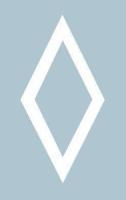
A、Crosswalk ahead
B、Intersection ahead
C、Reduce speed and yield ahead
D、Stop to yield ahead
Answer:A
2、The wrong method about parking is to _______.
A、Parking on a railway crossing
B、Parking on a level crossing
C、Parking on a parking lot
D、Parking on rocky sections in Mountainous Areas
Answer:ABD
3、When the vehicles cross each other at night, what should the driver do if the vehicle coming in the opposite direction don’t turn off the high beam light?
A、Reduce speed for yield or stop on the right side.
B、Continuous change lights to remind the vehicle coming in the opposite direction
C、Turn on the high lights and force the coming car to change the lights
D、Move his sight to the right side to evade the light
Answer:ABD
4、What is the meaning of this sign?
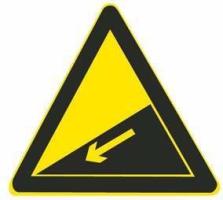
A、Embankment road
B、Steep uphill road
C、Continuous up slopes
D、Steep downhill road
Answer:D
5、Matches, sulfur and red phosphorus are _________.
A、Explosives
B、Inflammable solid materials
C、Self-igniting articles
D、Oxidizing materials
Answer:B
6、What is the meaning of this sign?
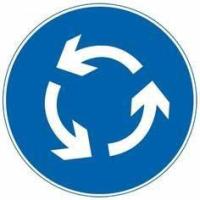
A、Passing by the right side
B、Passing by the left side
C、Running to right side
D、Running the roundabout
Answer:D
7、When the tire pressure is too low, what can happen when driving at a high speed?
A、Tire pressure will be unstable
B、Tire pressure will increase
C、Driving resistance will decrease
D、The tire will burst
Answer:D
8、When using emergency brake, be aware of keeping the body of the motorcycle being perpendicular to the ground to avoid sideslip.
Answer:Y
9、When finding a tire burst on the road, the driver should gently depress the brake pedal, reduce speed and stop the vehicle slowly.
Answer:Y
10、What is the meaning of this sign?
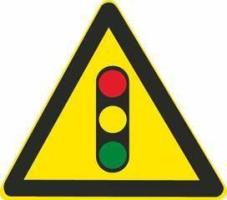
A、Crosswalk lights
B、Watch for pedestrians
C、Attention to traffic lights
D、Intersection
Answer:C
11、What is the meaning of this sign?
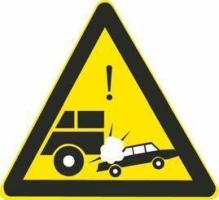
A、Accident-prone section
B、Construction section
C、Reducing speed and going slowly section
D、Jammed section
Answer:A
12、When driving on a snowy day, drivers should follow the tracks on the road before them.
Answer:Y
13、When a motor vehicle passes over an inundated road the driver should change to a low gear and pass at a constant speed.
Answer:Y
14、Where should we choose to park?
A、Parking spaces on roads
B、Construction section
C、Crosswalk
D、Parking lot
Answer:AD
15、The article that cannot be used to stop bleeding by dressing is _________.
A、Bondage
B、Sling
C、Tourniquet
D、Hemp rope
Answer:D
16、When passing through a tunnel, the wrong measure is to ___________.
A、Keep safe distance when two vehicles cross each other
B、Driving with the low beam light
C、Use the hight beam light when two vehicles cross each other
D、Overtaking in the tunnel
Answer:CD
17、When a motor vehicle passes over an inundated road drivers should change to a high gear and pass rapidly.
Answer:N
18、What is the meaning of this sign?
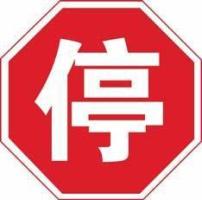
A、Stop to yield
B、No stopping temporarily
C、No entry
D、No long stopping
Answer:A
19、When overtaking a motor vehicles on uphill sections of a mountain road, the driver should _____.
A、Honk in advance
B、Forward cars are allowed to overtake before overtaking.
C、Turn on the left-turn signal in advance
D、Speed up direct and overtake
Answer:ABC
20、How should a motor vehicle follow the other vehicle In front when driving on a road covered with ice and snow?
A、Keep a long safe distance
B、Turn on hazard lamp
C、Change between high-and-low beam alternatively
D、Sound the horn in due time to give a notice to the vehicle in front
Answer:A
21、When a motor vehicle temporarily stops at night, which lamp should be turned on?
A、Front and rear fog lamp, clearance lamp and rear position lamp
B、Head lamp, clearance lamp and rear position lamp
C、Hazard lamp, clearance lamp and rear position lamp
D、Reverse lamp, clearance lamp and rear position lamp
Answer:C
22、When driving on a muddy road, what should the driver do?
A、Try to avoid using the foot brake
B、Stop and observe the road ahead
C、Avoid shifting halfway as much as possible
D、Put in low gear ahead of time
Answer:ABCD
23、When a motorcycle goes downhill on a mountain road, it is not allowed to overtake.
Answer:Y
24、When evading an emergency, except for being calm what principle should be held by drivers?
A、Evading people first and then objects
B、Evading objects first and then vehicles
C、Evading vehicles first and then people
D、Evading objects first and then people
Answer:A
25、What is the meaning of this sign?
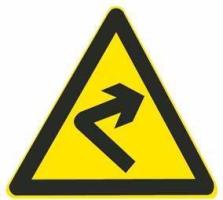
A、Sharp right curve
B、Bypass from right side
C、Continuous curves
D、Sharp left curve
Answer:A
26、When rescuing a wounded person in coma, it is necessary to take warm-keeping measures to prevent heat loss.
Answer:Y
27、What matters need attention when driving on a rainy day?
A、Avoid using the emergency brake or making sharp turns
B、Keep a safe enough distance
C、Observe the traffic situation of non-motor vehicles and surrounding pedestrians
D、Drive at a safe speed
Answer:ABCD
28、When driving in a strong wind, drivers should abruptly turn the steering wheel to return to the original direction if they feel the vehicle deviates horizontally due to a strong gale.
Answer:N
29、What should the driver do when he/she sees this sign on the road?
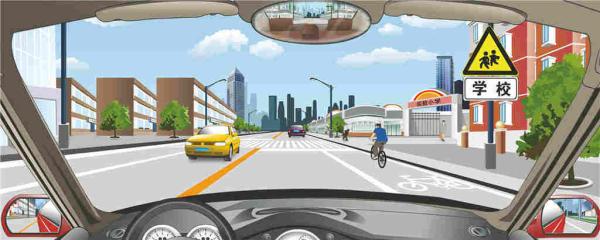
A、Use emergency braking
B、Slow down and take a look
C、Sound the horn intermittently
D、Prepare to bypass
Answer:B
30、What is the meaning of this sign?
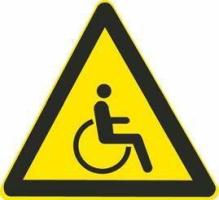
A、Exit and entry for disabled people
B、Watch for disabled people
C、Rest area for disabled people
D、Special passage for disabled people
Answer:B
31、When a motorcycle braking on a road covered by ice and snow, the driver should adopt point braking and prepare their feet for landing when braking.
Answer:Y
32、What is the meaning of this sign?
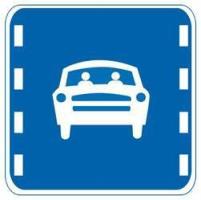
A、Special lane for small vehicles
B、Special lane for motorized vehicles
C、Special lane for taxis
D、Special lane for multi-passenger vehicles
Answer:D
33、What should the driver do when the motor vehicle encounters this situation in front of a school?
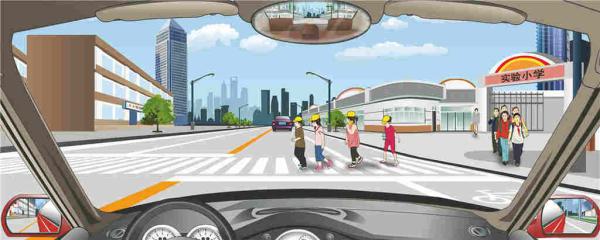
A、Bypass before the queue
B、Slow down and pass slowl
C、Stop promptly and yield
D、Go through in the spaces between the queues
Answer:C
34、When there is bleeding at the bone fracture of a wounded person, the first thing to do is to keep it in position before stopping the bleeding and dress the wound.
Answer:N
35、What is the meaning of this sign?
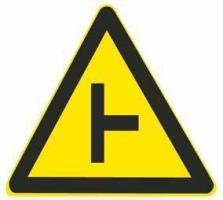
A、Y-shaped intersection
B、T-shaped intersection
C、Intersection
D、Ring intersection
Answer:B
36、When encountering a vehicle in front ascending on a mountainous road covered with ice and snow, what should the motor vehicle driver do?
A、Ascend after the vehicle in front passes the slope
B、Overtake the vehicle in front swiftly and drive on
C、Overtake the vehicle in front with a slow speed and drive on
D、Follow the vehicle in front closely
Answer:A
37、What is the meaning of this sign?
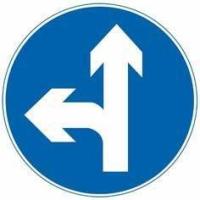
A、Going straight and right turn
B、Going straight and left turn
C、No going straight and no left turn
D、Right turn and left turn only
Answer:B
38、What is the meaning of this sign?
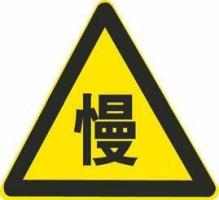
A、More vehicles section
B、Passing slowly
C、Jammed section
D、Construction section
Answer:B
39、How will the adhesive force of road change when speed increases on a damp and slippery road?
A、Increase sharply
B、Increase gradually
C、Decrease sharply
D、No change
Answer:C
40、When a tire bursts suddenly on the road, the driver should refrain from violently depressing the brake pedal in panic. Instead, he/she should try his/her best to change to a low gear and use engine braking to reduce the speed of the vehicle.
Answer:Y
41、What should the driver do to follow other motor vehicles on a mountain road?
A、Closely follow the vehicle in front
B、Increase the safety distance
C、Reduce the vertical distance between vehicles
D、Try to overtake the vehicle in front as soon as possible
Answer:B
42、What is the meaning of this sign?
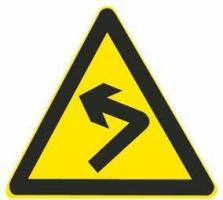
A、Bypass from left side
B、Continuous curves
C、Sharp left curve
D、Sharp right curve
Answer:C
43、What is the meaning of this sign?
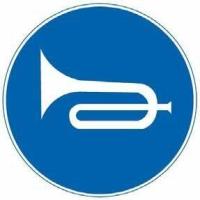
A、No honking the tweeter
B、No honking the woofer
C、Should honk
D、No honking
Answer:C
44、What is the meaning of this sign?
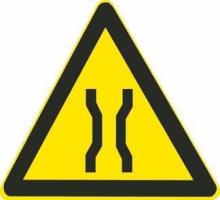
A、Road narrows on the left side
B、Narrow bridge
C、Narrow road
D、Road narrows on the right side
Answer:B
45、Rescue personnel should check the breath of the unconscious person before applying any other emergency treatment.
Answer:Y
46、What should the driver do if he/she encounters pedestrians in this situation at an intersection?
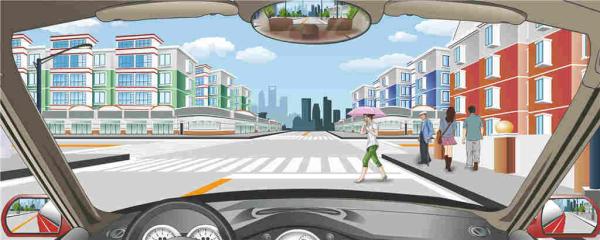
A、Slow down promptly and stop to yield
B、Sound the horn to warn the pedestrians to yield
C、Speed up and pass in front of the pedestrians
D、Turn on the headlamps to warn the pedestrians to yield
Answer:A
47、What are the main reason for not applying emergency braking when driving on rainy days?
A、Increase fuel consumption
B、Reduce fuel consumption
C、The tires can easily spin
D、Easy to cause rear-end collision
Answer:CD
48、Gun powder, explosives and detonating powder belong to which of the following dangerous chemicals?
A、Oxidizing materials
B、Inflammable solid materials
C、Explosives
D、Self-igniting articles
Answer:C
49、When a motorcycle goes down a long slope, it should run at a lower gear and fully use the engine to brake.
Answer:Y
50、When encountering children on the road, the driver should _________.
A、Reduce speed and go slowly, or stop to yield when necessary
B、Continuously honk to urge
C、Swiftly bypass from one side
D、Speed up and bypass
Answer:A
- 克孜勒苏州摩托车驾照考试科目四英语题 相关内容
- 铜仁摩托车英语考试题 邯郸摩托车驾照考试英文题库 开封摩托车驾考英语手机APP 西宁摩托车驾照考试科目四英语题 连云港用英文考摩托车驾驶证 张掖摩托车科目四英文题库 海西州摩托车考试英语题库 佛山摩托车驾照考试科目四英语题 那曲用英文考摩托车驾驶证 舟山摩托车驾考英语手机APP 湛江摩托车驾照考试科目一英语题 兰州摩托车考试英语题库 宜宾摩托车考试英语题库 南京外国人考摩托车驾照 百色外国人考摩托车驾照 安庆摩托车驾照考试科目四英语题
Copyright © 2025 驾考 版权所有