
- 科目一考试
- 顺序练习
- 随机练习
- 强化练习
- 模拟考试
- 科目四考试
- 顺序练习
- 随机练习
- 强化练习
- 模拟考试
- 外国语言版题库
- 英语题库
- 德语题库
- 韩语题库
- 日语题库
- 俄语题库
- 法语题库
- 西班牙语题库
- 阿拉伯语题库
- 摩托车英文题
中卫摩托车驾照考试科目四英语题
-
1、The main impact of muddy roads on safe driving is that the wheels may easily spin and skid
Answer:Y
2、When the wounded person is suffering main artery bleeding, where should the rescue personnel press by thumb to stop the bleeding?
A、The artery near the heart
B、The artery lower to the wound
C、The artery further from the heart
D、The artery in the center of the wound
Answer:A
3、When a motorcycle reaches a muddy or burst-and-muddy section, the driver should stop, observe and select the level and solid section or the section with vehicle tracks.
Answer:Y
4、Which measures is correct when a motor vehicle intends to overtake
A、Use the high and low beam lights alternately to indicate the intention
B、Honk to indicate the vehicle
C、Speed up and overtake on the right side
D、Turn on the left-turn signal in advance
Answer:ABD
5、When encountering children on the road, the driver should _________.
A、Reduce speed and go slowly, or stop to yield when necessary
B、Continuously honk to urge
C、Swiftly bypass from one side
D、Speed up and bypass
Answer:A
6、What is the meaning of this sign?
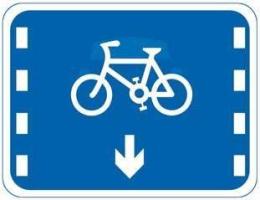
A、No entry for bicycles
B、Lane for non-motorized vehicles
C、Special lane for bicycles
D、Bicycle stopping area
Answer:B
7、When using emergency brake, be aware of keeping the body of the motorcycle being perpendicular to the ground to avoid sideslip.
Answer:Y
8、when passing an intersection without traffic lights, the driver finds people are crossing the street, the wrong measure for the driver to take is to __________.
A、Reduce speed or stop and yield
B、Honk to urge the pedestrians
C、Bypass
D、Weave through the pedestrians
Answer:BCD
9、What should the driver do to follow other motor vehicles on a mountain road?
A、Closely follow the vehicle in front
B、Increase the safety distance
C、Reduce the vertical distance between vehicles
D、Try to overtake the vehicle in front as soon as possible
Answer:B
10、What is the meaning of this sign?
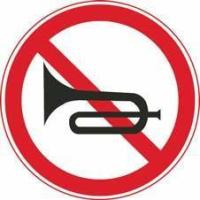
A、No long time honking
B、Honk discontinuously
C、Reduce speed and honk
D、No honking
Answer:D
11、When a wounded person is unable to get off the vehicle by himself, he should be removed from the vehicle so as to avoid a secondary injury.
Answer:Y
12、When overtaking on a rainy day, drivers should turn on headlamps and sound a long horn.
Answer:N
13、Under such circumstances, what should be done by motor vehicle drivers in order to yield to the pedestrians politely?
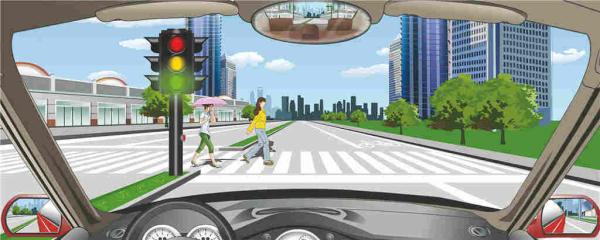
A、Set off after pedestrians pass
B、Set off and bypass in front of the pedestrians
C、Sound the horn to warn the pedestrians to yield
D、Set off and approach the pedestrians slowly
Answer:A
14、The wrong method about parking is to _______.
A、Parking on a railway crossing
B、Parking on a level crossing
C、Parking on a parking lot
D、Parking on rocky sections in Mountainous Areas
Answer:ABD
15、What is the meaning of this sign?
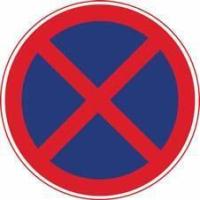
A、Stopping temporarily is allowed
B、Long stopping is allowed
C、No long stopping
D、No stopping
Answer:D
16、When rescuing the injured, it is necessary to ________.
A、Save life first and treat the wounds later
B、Treat the wounds first and safe life later
C、Help the slightly wounded persons first
D、Help the seriously wounded persons later
Answer:A
17、When rescuing a wounded person who has been poisoned by toxic gas, the first measure is to send him/her to a place with fresh air so that he/she will not continue to be poisoned.
Answer:Y
18、Which of the following measures is incorrect when a motor vehicle stops?
A、Stop at a stipulated place
B、Avoid stopping on pedestrian streets
C、Avoid obstructing the passing of other motor vehicles and pedestrians when temporarily stops on the road
D、Stop on the non-motor vehicle lane
Answer:D
19、When overtaking a motor vehicles on uphill sections of a mountain road, the driver should _____.
A、Honk in advance
B、Forward cars are allowed to overtake before overtaking.
C、Turn on the left-turn signal in advance
D、Speed up direct and overtake
Answer:ABC
20、What should driver do when students crossing the road in line?
A、Speed up and pass in the front of the students
B、Sound the horn to warn the students to yield
C、Slow down and pass
D、Stop and wait until the students pass
Answer:D
21、When encountering pedestrians slowly cross the road in a residential area, the driver should sound the horn continuously.
Answer:N
22、Which measures is correct when a motor vehicle intends to overtake
A、After overtaking, turn on the right turning light and drive back to the original lane after the necessary safe distance has been pulled away by overtaking.
B、Overtaking from the left side of the previous car
C、After overtaking, turn on the right turn light and drive back to the original Lane immediately.
D、Overtake on the right side
Answer:AB
23、When a motorcycle passing through an interchange discovers it has chosen a wrong route, it should immediately make a U turn from where it is or reverse to change route.
Answer:N
24、Which of the following measures is correct for rescuing a person sustaining full-body burns?
A、Cover the fire with sandy soil
B、Spray cool water to his body
C、Put out the fire by extinguisher
D、Help to remove the burning clothes
Answer:B
25、A driver should accelerate in advance to overtake then it is likely to meet with oncoming vehicles.
Answer:N
26、When following other vehicles on the uphill section of a mountain road, what should the driver do if the vehicle in front stops?
A、Overtake from either side of the front vehicle
B、Stop close to the vehicle in front
C、Stop with a larger space from the vehicle in front
D、Sound the horn continuously to warn the other driver
Answer:C
27、When rescuing the persons who are losing blood, it is necessary to ______ first.
A、Observe
B、Dress the wounds
C、Stop bleeding
D、Inquire
Answer:C
28、When following other vehicles on a foggy day, what should the driver do?
A、Maintain a large safety distance
B、Turn on the high-beam
C、Turn on the low-bea
D、Sound the horn in due time
Answer:A
29、What is the meaning of this sign?
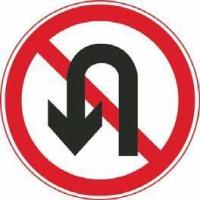
A、No changing lane
B、No left turn
C、No going straight
D、No U turn
Answer:D
30、When using splints, sticks or tree branches to keep the unexposed bones in position, it is necessary that these things should exceed the upper and lower joints of the wound.
Answer:Y
31、What should the driver pay attention to when the motor vehicle passes a residential area?
A、Observe the traffic signs and markings
B、Pass slowly
C、Prohibited from sounding the horn
D、Avoidance of residents
Answer:ABCD
32、How to follow a motor vehicle safely on the road?
A、Observe the front vehicle conditions
B、Drive on the left side of the road as far as possible
C、Be ready to slow down at any time
D、Keep a safe distance
Answer:ACD
33、What is the meaning of this sign?
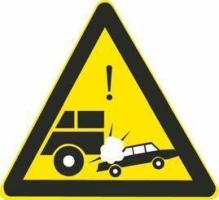
A、Accident-prone section
B、Construction section
C、Reducing speed and going slowly section
D、Jammed section
Answer:A
34、A light motorcycle is only permitted to carry preschoolers.
Answer:N
35、A correct measure to avoid tire burst of motor vehicles is to lower the tire pressure.
Answer:N
36、When finding a tire burst on the road, the driver should gently depress the brake pedal, reduce speed and stop the vehicle slowly.
Answer:Y
37、Motor vehicle drivers may borrow a special lane for other vehicle types, if one exists, to overtake.
Answer:N
38、What needs attention when a motor vehicle drives on a road covered with ice and snow?
A、Braking length is extended
B、Anti-skating resistance will be greater
C、The adhesive force of the road will be greater
D、The braking length will be shorter
Answer:A
39、When driving on a snowy day, drivers should follow the tracks on the road before them.
Answer:Y
40、Keep enough safe distance When a motor vehicle follows another vehicle, because ______.
A、Avoke a rear-end collision
B、The closer you get to the vehicle, the less easy it is to grasp the situation ahead of the vehicle.
C、Enough distance to avoid emergencies
D、Prevent being unable to detect the front vehicle brake in time due to the damage rear lamp of the front vehicle
Answer:ABCD
41、When there is bleeding at the bone fracture of a wounded person, the first thing to do is to fix the wounded part in position, then stop the bleeding and dress the wound.
Answer:N
42、What is the meaning of this sign?
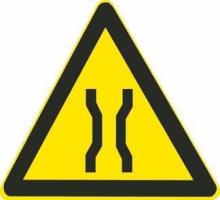
A、Road narrows on the left side
B、Narrow bridge
C、Narrow road
D、Road narrows on the right side
Answer:B
43、The first-aid measure to rescue a poisoned person is to _______.
A、Take warming-up measures
B、Bring him to a place where air is fresh
C、Give him artificial respiration
D、Depress the heart over the chest
Answer:B
44、When driving into the traffic flow on a main road from a relief road, drivers should speed up.
Answer:N
45、What is the meaning of this sign?
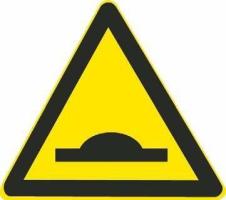
A、Bump road
B、High outburst road
C、Low-lying road
D、Hump bridge
Answer:B
46、What is the meaning of this sign?
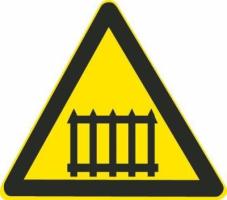
A、A manned level crossing
B、Multi-crossing of railway and road
C、Grade separation level crossing
D、An unmanned level crossing
Answer:A
47、Whats the meaning of the white horizontal solid line in the circle?
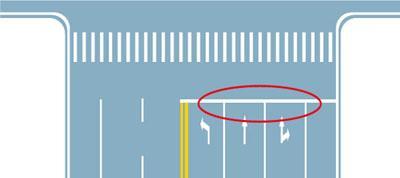
A、Turning waiting line
B、Deceleration line
C、Yielding line
D、Stop line
Answer:D
48、When a motorcycle goes downhill, it may fully use the neutral gear and slide.
Answer:N
49、Under such circumstances, motor vehicle drivers should slow down and yield
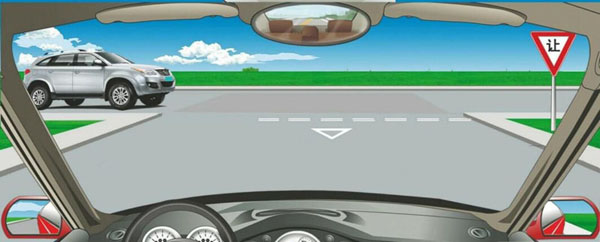
Answer:Y
50、Before driving, it is necessary to check whether the cooling liquid, engine oil and fuel oil, are leaking.
Answer:Y
- 中卫摩托车驾照考试科目四英语题 相关内容
- 新乡摩托车考试英语题库 日照摩托车考试英语题库 泸州摩托车驾考英语手机APP 眉山摩托车驾照考试英文题库 三门峡摩托车驾照考试科目一英语题 恩施州外国人考摩托车驾照 荆门摩托车英语考试题 上饶摩托车驾照考试英文题库 大同用英文考摩托车驾驶证 西藏用英文考摩托车驾驶证 长春摩托车驾照考试科目四英语题 朝阳摩托车考试英语题库 昭通摩托车驾考英语手机APP 平顶山摩托车考试英语题库 榆林摩托车科目四英文题库 梅州摩托车驾照理论试题英语版
Copyright © 2025 驾考 版权所有