
- 科目一考试
- 顺序练习
- 随机练习
- 强化练习
- 模拟考试
- 科目四考试
- 顺序练习
- 随机练习
- 强化练习
- 模拟考试
- 外国语言版题库
- 英语题库
- 德语题库
- 韩语题库
- 日语题库
- 俄语题库
- 法语题库
- 西班牙语题库
- 阿拉伯语题库
- 摩托车英文题
邢台用英语考摩托车驾照科目四
-
1、What are the main reasons why driving a motor vehicle should not overtake on rainy days?
A、It is not easy for drivers around to see the overtaking signal.
B、Can not accurately judge the distance of vehicles around
C、Road is wet and slippery, and vehicles are prone to sideslip
D、The driver can not detect dangerous in time
Answer:ABCD
2、When driving in rain and encountering pedestrians with umbrellas or wearing raincoats, what should be done by motor vehicle drivers in order to yield?
A、Drive at a normal speed
B、Sound the horn to alert when approaching the pedestrians
C、Speed up and bypass on the left
D、Reduce speed and sound the horn in advance
Answer:D
3、When the driver discovers a tire is leaking and steers the vehicle off the main carriageway, he should refrain from applying emergency so as to avoid a vehicle turnover or a rear-end collision arising from the late braking of the following vehicle.
Answer:Y
4、What is the meaning of this sign?
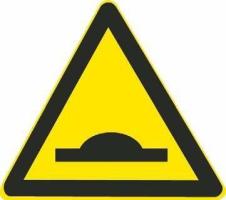
A、Bump road
B、High outburst road
C、Low-lying road
D、Hump bridge
Answer:B
5、How should a motor vehicle follow the other vehicle In front when driving on a road covered with ice and snow?
A、Keep a long safe distance
B、Turn on hazard lamp
C、Change between high-and-low beam alternatively
D、Sound the horn in due time to give a notice to the vehicle in front
Answer:A
6、When driving on a muddy road, what should the driver do?
A、Try to avoid using the foot brake
B、Stop and observe the road ahead
C、Avoid shifting halfway as much as possible
D、Put in low gear ahead of time
Answer:ABCD
7、when passing an intersection without traffic lights, the driver finds people are crossing the street, the wrong measure for the driver to take is to __________.
A、Reduce speed or stop and yield
B、Honk to urge the pedestrians
C、Bypass
D、Weave through the pedestrians
Answer:BCD
8、Sounding the horn on a foggy daY can arouse the attention of the opposite side. After hearing the horn from the opposite side, the driver should also sound their own horn to respond.
Answer:Y
9、What is the meaning of this sign?
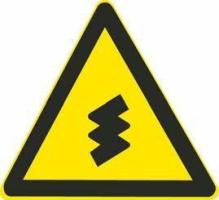
A、Slippery section
B、Sharp curve
C、Inverse curve
D、Continuous curves
Answer:D
10、What is the meaning of this sign?
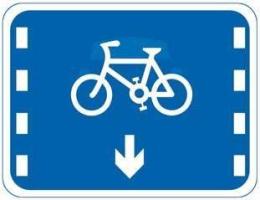
A、No entry for bicycles
B、Lane for non-motorized vehicles
C、Special lane for bicycles
D、Bicycle stopping area
Answer:B
11、When approaching a sharp curve, motor vehicle drivers should reduce speed only after entering the curve.
Answer:N
12、The main impact of muddy roads on safe driving is that the wheels may easily spin and skid
Answer:Y
13、What is the meaning of this sign?
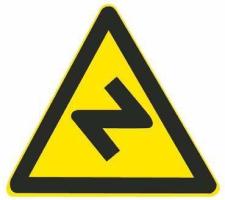
A、Slippery section
B、Sharp curve
C、Inverse curve
D、Continuous curves
Answer:C
14、Where should we choose to park?
A、Parking spaces on roads
B、Construction section
C、Crosswalk
D、Parking lot
Answer:AD
15、When parking temporarily on a snowy day, drivers should turn on the headlamp and fog lamp.
Answer:N
16、What is the meaning of this sign?
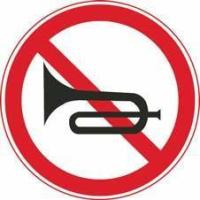
A、No long time honking
B、Honk discontinuously
C、Reduce speed and honk
D、No honking
Answer:D
17、When evading an emergency, except for being calm what principle should be held by drivers?
A、Evading people first and then objects
B、Evading objects first and then vehicles
C、Evading vehicles first and then people
D、Evading objects first and then people
Answer:A
18、In which of the following ways can motor vehicles avoid a tire burst?
A、Lowering tire pressure
B、Checking tires regularly
C、Removing foreign matters from the tire tread grooves timely
D、Replacing the tires that have cracks or deep cuts
Answer:BCD
19、When driving a motor vehicle following anther vehicle, What should the driver pay attention to?
A、When following a taxi, it is necessary to prevent it from pulling over at any time to get on and off passengers.
B、For large trucks loaded with goods, we should increase the distance between cars and avoid long time follow ups to prevent the risk of cargo spilling and blind areas.
C、When the current side of the vehicle has an internship sign, it should increase the distance with the vehicle to prevent the front vehicle emergency braking.
D、Follow a vehicle in foggy weather, pay attention to the emergency braking of the front vehicle
Answer:ABCD
20、What is the meaning of this sign?
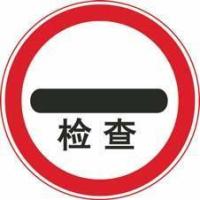
A、Customs inspection
B、Stop-for-inspection
C、Frontier inspection
D、No passing
Answer:B
21、What is the meaning of this sign?
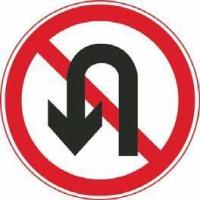
A、No changing lane
B、No left turn
C、No going straight
D、No U turn
Answer:D
22、When a motor vehicle passes over an inundated road the driver should change to a low gear and pass at a constant speed.
Answer:Y
23、When driving on a snowy day, drivers should follow the tracks on the road before them.
Answer:Y
24、When rescuing a person sustaining full-body burns the rescue personnel may spray cool water to his body to put out the fire.
Answer:N
25、When a tire blowout on the road, the driver should swiftly depress the brake pedal to reduce speed and stop the vehicle.
Answer:N
26、When following a vehicle on the road, the distance from the vehicle in front is not important. As long as the driver goes forward at the same speed as the vehicle in front does, he/she can avoid a rear-end collision.
Answer:N
27、When such circumstances happen suddenly, what should the driver do?
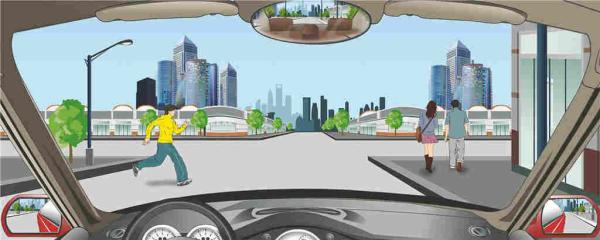
A、Reduce speed or stop to yield
B、Bypass in front of the pedestrians
C、Continuously sound the horn to alert the pedestrians
D、Bypass from behind the pedestrians
Answer:A
28、Which of the following measures is correct for rescuing a person sustaining full-body burns?
A、Cover the fire with sandy soil
B、Spray cool water to his body
C、Put out the fire by extinguisher
D、Help to remove the burning clothes
Answer:B
29、What is the meaning of this sign?
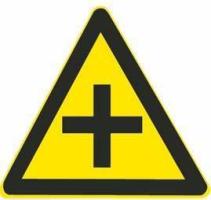
A、Intersection
B、Ring intersection
C、T-shaped intersection
D、Y-shaped intersection
Answer:A
30、What is the meaning of this sign?
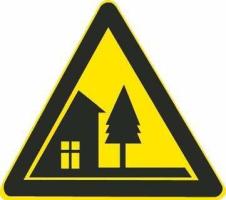
A、Watch for pedestrians
B、Crosswalk
C、Village or town
D、Primary school
Answer:C
31、What is the meaning of this sign?
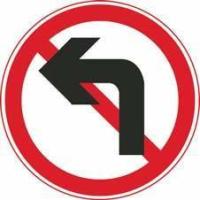
A、No U turn
B、No changing to left lane
C、No turning left
D、No entering the left lane
Answer:C
32、Under such circumstances, motor vehicle drivers should bypass on the left quickly.
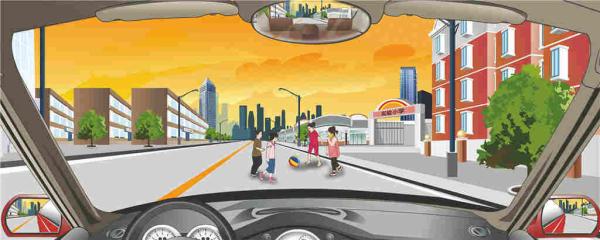
Answer:N
33、Driving a motor vehicle in the downhill section of a mountain road avoids overtaking as much as possible because _______.
A、Vehicle resistance in downhill section is very high
B、Vehicles on downhill sections are more difficult to control than on flat roads due to gravity.
C、In downhill section, the front speed is faster and it is difficult to overtake.
D、Vehicles on downhill sections tend to be too fast due to gravity
Answer:BD
34、Which of the following is a basic requirement for rescuing the injured at the scene of a traffic accident?
A、Treat wounds first and safe life later
B、Save life first and treat wounds later
C、Help lightly wounded persons first
D、Help seriously wounded persons later
Answer:B
35、Which of the following is a bad habit when changing lanes?
A、Turning on the indicator in advance
B、Observing closely before changing a lane
C、Change lanes at will
D、Not obstructing the passing of other normally moving vehicles
Answer:C
36、When a vehicle encounters a strong side wind in a mountain valley, the driver should drastically turn the steering handlebar to adjust the direction of the vehicle if he feels the vehicle deviates from the normal direction.
Answer:N
37、What needs attention when a motor vehicle drives on a road covered with ice and snow?
A、Braking length is extended
B、Anti-skating resistance will be greater
C、The adhesive force of the road will be greater
D、The braking length will be shorter
Answer:A
38、When a motor vehicle moves through water, the driver should try to maintain a constant speed and sufficient power and pass through without stopping.
Answer:Y
39、When a wounded person suffering burns is thirsty, he should only drink plain boiled water.
Answer:N
40、Which will affect the stopping distance?
A、Pavement conditions
B、Driver’s reaction time
C、The quantity of cargo and the structure of brake, etc.
D、The vehicle speed
Answer:ABCD
41、What is the meaning of this sign?
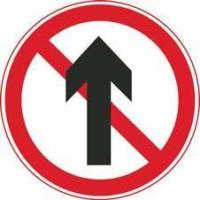
A、No right turn
B、No U turn
C、No going straight
D、No left turn
Answer:C
42、Which of the following measures is incorrect when a motor vehicle stops?
A、Stop at a stipulated place
B、Avoid stopping on pedestrian streets
C、Avoid obstructing the passing of other motor vehicles and pedestrians when temporarily stops on the road
D、Stop on the non-motor vehicle lane
Answer:D
43、What is the meaning of this sign?
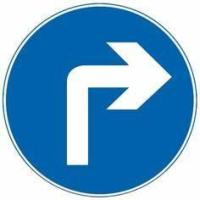
A、Turn right
B、One-way road
C、Going straight only
D、Straight-going lane
Answer:A
44、What is the meaning of this sign?
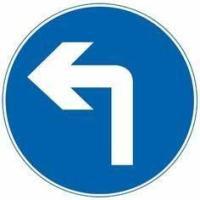
A、Turn left
B、No going straight
C、Straight-going lane
D、One-way road
Answer:A
45、Rescue personnel should check the breath of the unconscious person before applying any other emergency treatment.
Answer:Y
46、Under such circumstances, motor vehicle drivers should slow down and yield
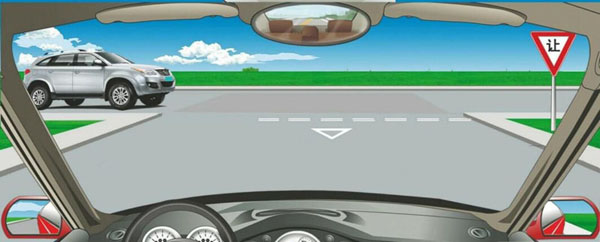
Answer:Y
47、When driving on a foggy day, the driver should turn on the fog lamp.
Answer:Y
48、When driving on a long downhill road, which is the best way to control driving speed?
A、Coast in neutral gear
B、Depress the clutch and coast
C、Use the engine to brake
D、Depress the brake pedal continuously
Answer:C
49、When rescuers enter the scene to rescue the wounded after harmful gas leakage caused by traffic accidents, they must wear air respirators or cover their mouth and nose with wet towels.
Answer:Y
50、When a tire bursts suddenly on the road, the driver should refrain from violently depressing the brake pedal in panic. Instead, he/she should try his/her best to change to a low gear and use engine braking to reduce the speed of the vehicle.
Answer:Y
- 邢台用英语考摩托车驾照科目四 相关内容
- 湖州外国人考摩托车驾照 泉州摩托车驾考英语手机APP 南宁摩托车考试英语题库 迪庆摩托车驾考英语手机APP 开封摩托车考试英语理论试题 抚州摩托车考试英语题库 邵阳摩托车驾照考试科目一英语题 北海摩托车驾考英语手机APP 驻马店摩托车英语考试题 平顶山用英语考摩托车驾照科目四 蚌埠用英文考摩托车驾驶证 眉山用英语考摩托车驾照科目四 钦州摩托车考试英语题库 广西摩托车驾照考试科目一英语题 合作摩托车考试英语题库 泰安外国人考摩托车驾照
Copyright © 2025 驾考 版权所有