
- 科目一考试
- 顺序练习
- 随机练习
- 强化练习
- 模拟考试
- 科目四考试
- 顺序练习
- 随机练习
- 强化练习
- 模拟考试
- 外国语言版题库
- 英语题库
- 德语题库
- 韩语题库
- 日语题库
- 俄语题库
- 法语题库
- 西班牙语题库
- 阿拉伯语题库
- 摩托车英文题
朝阳用英语考摩托车驾照科目四
-
1、When encountering an obstacle on one side of the road, what should vehicles do as they approach each other?
A、The vehicle not encountering an obstacle should Yield to the other vehicle
B、The slower vehicle should yield to the faster
C、The vehicle encountering an obstacle should yield to the other vehicle
D、The faster vehicle should yield to the slower
Answer:C
2、What should motor vehicle drivers do when approaching an oncoming vehicle on a frozen road?
A、Cut speed as approaching each other
B、Pass each other by speeding up properly
C、Pass each other slowly by cutting speed in advance
D、Pass each other along the central line to the best
Answer:C
3、What kind of harmful effect will be brought about by continuously using the foot brake on a long downhill road?
A、Shorten the engine’s service life
B、Make the driver feel tired
C、Easily cause the vehicle to overturn
D、Reduce the braking efficiency
Answer:D
4、When a wounded person is under the wheel or cargo, the wrong method is to pull the limbs of the wounded.
Answer:N
5、What is the meaning of this sign?
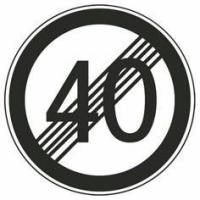
A、Driving at reduced speed in the section of 40 meters
B、Minimum speed is 40km/hr
C、Maximum speed is 40km/hr
D、40km/hr speed limit ban is lifted
Answer:D
6、Dangerous chemicals possess the characteristics of explosion, inflammation, poison, erosion and radiation.
Answer:Y
7、When driving on a road covered with ice and snow, drivers tend to encounter glare caused by reflection of light rays from the road surface.
Answer:Y
8、When driving in rain and encountering pedestrians with umbrellas or wearing raincoats, what should be done by motor vehicle drivers in order to yield?
A、Drive at a normal speed
B、Sound the horn to alert when approaching the pedestrians
C、Speed up and bypass on the left
D、Reduce speed and sound the horn in advance
Answer:D
9、Under such circumstances, motor vehicle drivers should stop and yield
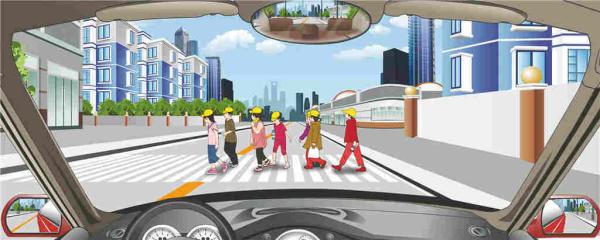
Answer:Y
10、How to drive a car safely when the sight of rain, snow, fog is not clear or the road is slippery?
A、Increase the horizontal distance
B、Reduce speed and run
C、Speed up and run
D、Stop to yield when necessary
Answer:ABD
11、The article that cannot be used to stop bleeding by dressing is _________.
A、Bondage
B、Sling
C、Tourniquet
D、Hemp rope
Answer:D
12、When passing a sharp curve, motor vehicle drivers may overtake if there are few other vehicles on the road.
Answer:N
13、When finding a tire burst on the road, the driver should gently depress the brake pedal, reduce speed and stop the vehicle slowly.
Answer:Y
14、If a driver finds there is no vehicle behind, he/she may change lanes without turning on the indicator.
Answer:N
15、Turning on the high-beam is an effective way to improve visibility in fog weather.
Answer:N
16、What is the meaning of this sign?
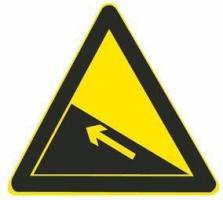
A、Steep downhill road
B、Continuous up slopes
C、Steep uphill road
D、Embankment road
Answer:C
17、Which lamp should be used when motor vehicles pass hrough an intersection at night where there is no traffic light signal?
A、High-beam
B、Low-beam
C、Hazard lamps
D、High-beam and low-beam should be used alternatively
Answer:D
18、When a motor vehicle moves through water, drivers should intermittently and gently depress the brake pedal in order to restore braking efficiency.
Answer:Y
19、What is the purpose of checking before driving?
A、Confirm whether the tyres of motor vehicles are damaged or not
B、Confirm whether there is a safety hazard near the vehicle.
C、Confirm whether there are obstacles around the vehicle
D、Confirm whether the road in front of the vehicle is safe
Answer:ABCD
20、Driving and smoking has no negative effect on safe driving
Answer:N
21、When passing an intersection, vehicle motor drivers are not allowed to overtake.
Answer:Y
22、When a tire blowout on the road, the driver should control the direction of the vehicle and use emergency braking to bring the motorcycle swiftly to a stop.
Answer:N
23、When encountering dangerous and complicated circumstance, the driver should keep medium or low speed and keep the balance of the motorcycle to pass it cautiously.
Answer:Y
24、When a motorcycle reaches a muddy or burst-and-muddy section, the driver should stop, observe and select the level and solid section or the section with vehicle tracks.
Answer:Y
25、How to do in this intersection?
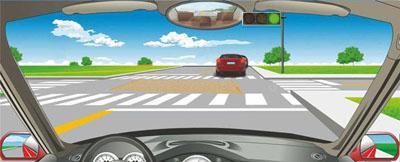
A、Wait in the cross-hatched marking area
B、stop and wait outside the intersection
C、Follow the vehicle in front and pass
D、Wait inside the intersection
Answer:B
26、When rescuing the persons who are losing blood, it is necessary to ______ first.
A、Observe
B、Dress the wounds
C、Stop bleeding
D、Inquire
Answer:C
27、Drivers neednt yield to pedestrians who display such behavior.
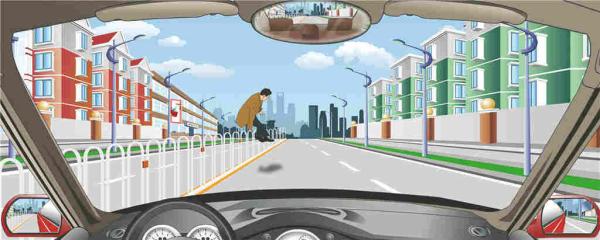
Answer:N
28、What is the meaning of this sign?
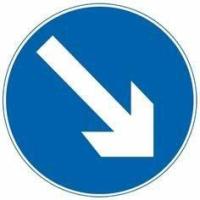
A、Downhill section on right side
B、Driving by the right side of the road
C、Stopping by the right side of the road
D、Right turn only
Answer:B
29、When a bicycle borrows the motor vehicle lane, the motor vehicle may sound the horn hurriedly to warn the bicycle to yield.
Answer:N
30、When a wounded person suffering bone fracture in the thigh, shank and spine, it is necessary to keep the fracture in position and refrain to move the wounded person.
Answer:Y
31、When two vehicles approach each other on a foggy day, what is the best method of safe driving?
A、Turn on the high-beam
B、Slowdown and maintain a large safety distance
C、Turn on the low-beam
D、Turn on the fog lamp
Answer:B
32、Whats the meaning of this sign?
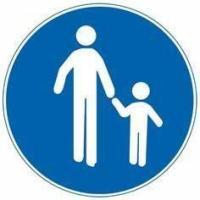
A、Pass with low speed
B、Watch for pedestrians
C、On foot
D、Pedestrians go first
Answer:C
33、When a motor vehicle stops temporarily in a rainy day,which lamp should be turned on?
A、Front and rear fog lamps
B、Hazard lamps
C、Headlamps
D、Reverse lamps
Answer:B
34、What is the meaning of this sign?
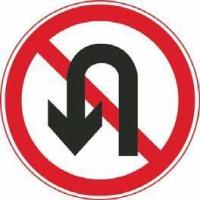
A、No changing lane
B、No left turn
C、No going straight
D、No U turn
Answer:D
35、It is extremely unsafe to take a motorcycle by the side; if the motorcycle sideslips, the passenger may be thrown out and led to death due to an unstable center of gravity.
Answer:Y
36、What is the meaning of this sign?
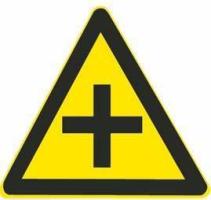
A、Intersection
B、Ring intersection
C、T-shaped intersection
D、Y-shaped intersection
Answer:A
37、The wrong measure to ride a motorcycle in summer is to __________.
A、Drive at a high speed for a long time
B、Control the speed by the accelerator
C、Avoid using the brake
D、Avoid loading people or cargoes
Answer:A
38、What should the driver do if he/she encounters pedestrians in this situation at an intersection?
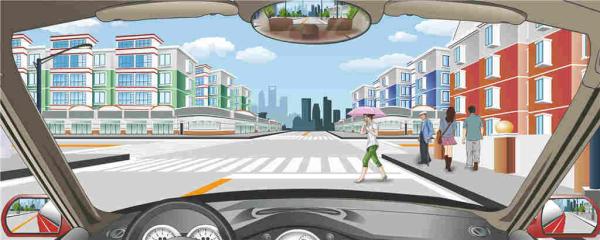
A、Slow down promptly and stop to yield
B、Sound the horn to warn the pedestrians to yield
C、Speed up and pass in front of the pedestrians
D、Turn on the headlamps to warn the pedestrians to yield
Answer:A
39、What are the main reasons why driving a motor vehicle should not overtake on rainy days?
A、It is not easy for drivers around to see the overtaking signal.
B、Can not accurately judge the distance of vehicles around
C、Road is wet and slippery, and vehicles are prone to sideslip
D、The driver can not detect dangerous in time
Answer:ABCD
40、When such circumstances happen suddenly, drivers should reduce speed in a timely fashion or stop to yield.
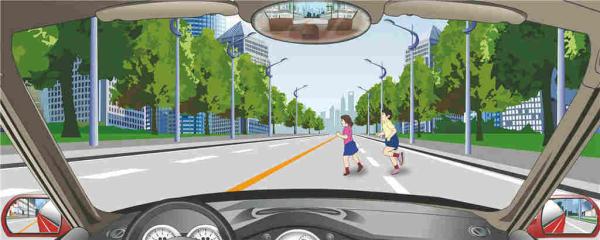
Answer:Y
41、What is the meaning of this sign?
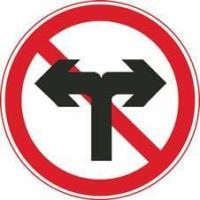
A、No U turn at intersection
B、No changing lane from both sides
C、No left or right turn
D、No going straight
Answer:C
42、When a motor vehicle encounters pedestrian is passing at a crosswalk, the driver must slow down and pass slowly.
Answer:N
43、What should the driver do when he/she sees this sign on the road?
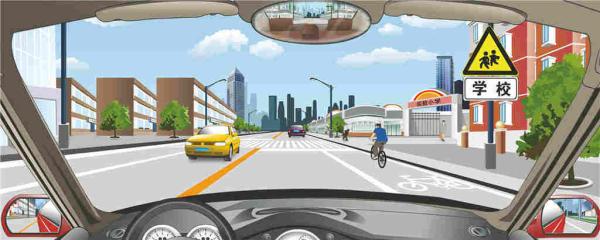
A、Use emergency braking
B、Slow down and take a look
C、Sound the horn intermittently
D、Prepare to bypass
Answer:B
44、When the driver discovers a tire is leaking and steers the vehicle off the main driving lane, he/she should refrain from applying emergency braking so as to avoid a vehicle turnover or a rear-end collision arising from the late braking of the vehicle behind.
Answer:Y
45、What should be done by the driver who intends to overtake but the motor vehicle in front neither reduces its speed nor allows the right of way?
A、Continuously sounding the horn and accelerating to overtake
B、Accelerating and continuing to overtake
C、Refraining from overtaking
D、Following the vehicle in front closely and finding a chance to overtake
Answer:C
46、What is the meaning of this sign?
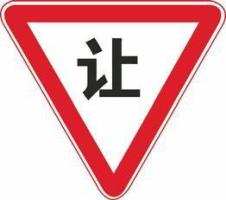
A、No yielding
B、Yield while crossing each other
C、Reduce speed and yield
D、Stop to yield
Answer:C
47、Whats the meaning of the white horizontal solid line in the circle?
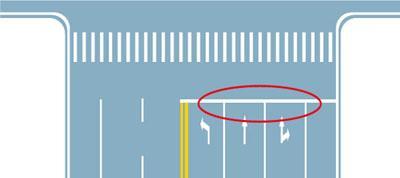
A、Turning waiting line
B、Deceleration line
C、Yielding line
D、Stop line
Answer:D
48、When a tire blowout on the road, the driver should swiftly depress the brake pedal to reduce speed, do all his can to control the steering wheel and stop the vehicle as soon as possible.
Answer:N
49、When driving a motor vehicle following anther vehicle, What should the driver pay attention to?
A、When following a taxi, it is necessary to prevent it from pulling over at any time to get on and off passengers.
B、For large trucks loaded with goods, we should increase the distance between cars and avoid long time follow ups to prevent the risk of cargo spilling and blind areas.
C、When the current side of the vehicle has an internship sign, it should increase the distance with the vehicle to prevent the front vehicle emergency braking.
D、Follow a vehicle in foggy weather, pay attention to the emergency braking of the front vehicle
Answer:ABCD
50、What is the meaning of this sign?
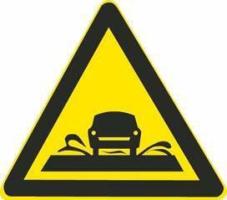
A、Muddy road
B、Low-lying road
C、Overflowing road
D、Ferry
Answer:C
- 朝阳用英语考摩托车驾照科目四 相关内容
- 甘肃摩托车考试英语理论试题 张家界摩托车考试英语理论试题 三门峡摩托车驾照考试科目一英语题 永州摩托车科目四英文题库 宣城摩托车驾照考试科目一英语题 塔城摩托车科目四英文题库 衡水摩托车英语考试题 淮安摩托车英语考试题 松原用英语考摩托车驾照科目四 天水摩托车科目四英文题库 兴安盟摩托车驾照考试英文题库 乌兰察布摩托车科目四英文题库 鄂州摩托车考试英语题库 张掖摩托车考试英语理论试题 鹤岗摩托车英语考试题 铁岭摩托车驾照考试科目一英语题
Copyright © 2025 驾考 版权所有