
- 科目一考试
- 顺序练习
- 随机练习
- 强化练习
- 模拟考试
- 科目四考试
- 顺序练习
- 随机练习
- 强化练习
- 模拟考试
- 外国语言版题库
- 英语题库
- 德语题库
- 韩语题库
- 日语题库
- 俄语题库
- 法语题库
- 西班牙语题库
- 阿拉伯语题库
- 摩托车英文题
四川科目四英文版模拟
-
1、When a motor vehicle deviates from the normal direction due to steering failure, what should the driver do?
A、Immediately steer and adjust
B、Reduce speed and stop the vehicle as early as possible
C、Steer to the side where there is no obstacle to evade
D、Steer to the side where there is an obstacle to evade
Answer:B
2、What action is important on this kind of mountain road?
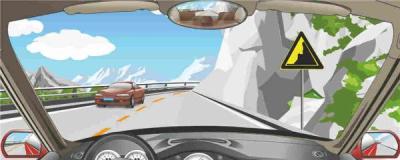
A、Take care of the dangerous hillside road on the left
B、Drive on the left
C、Drive along the central line of the road
D、Drive on the right side and pass slowly
Answer:D
3、When a motor vehicle catches fire, the driver should swiftly turn off the engine and open the hood to extinguish the fire.
Answer:N
4、What should the driver do if the back wheel slides to the right on a muddy road?
A、Continuously speed up
B、Turn right
C、Turn left
D、Apply emergency brake
Answer:B
5、When a motor vehicle stops temporarily in a rainy day,which lamp should be turned on?
A、Front and rear fog lamps
B、Hazard lamps
C、Headlamps
D、Reverse lamps
Answer:B
6、It is correct for the driver to drive on an expressway in the way shown in the flash.
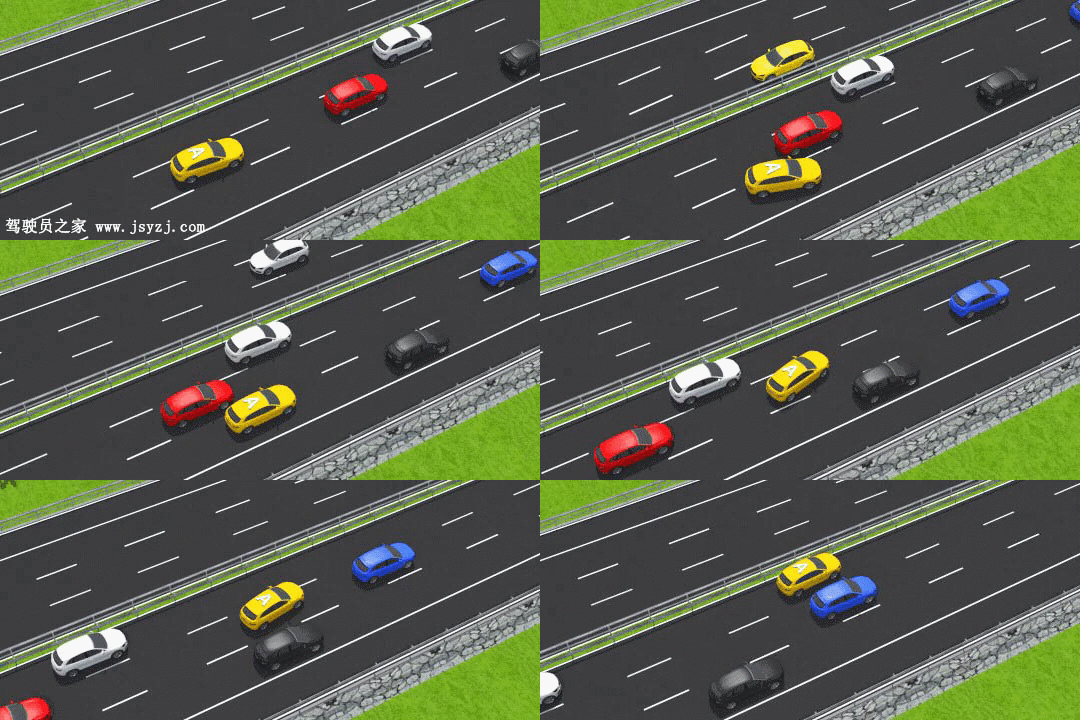
Answer:N
7、When there is bleeding at the bone fracture of a wounded person, the first thing to do is to fix the wounded part in position, then stop the bleeding and dress the wound.
Answer:N
8、Having driven a large passenger vehicle (carrying 44 passengers, permitted carrying capacity 44) equipped with sleepers at 44km/hour on a frozen road, at 58 km mark by 500m on 540 County Road in Yanhe County, Mr. Luo sideslipped and left the road, killing 15 people and injuring 2 7. Which of the following law-breaking acts did Mr Luo commit?
A、Exceeding the carrying capacity of the passenger vehicle
B、Speeding
C、Fatigued driving
D、Improper driving
Answer:B
9、The sign on the right warns to keep a safe distance on the road ahead.
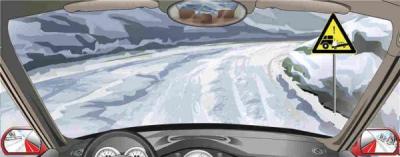
Answer:N
10、Which lamp should be used when motor vehicles pass hrough an intersection at night where there is no traffic light signal?
A、High-beam
B、Low-beam
C、Hazard lamps
D、High-beam and low-beam should be used alternatively
Answer:D
11、vehicles to pass an intersection marked with this sign?
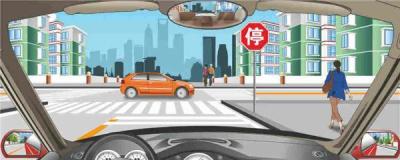
A、Stopping and observing the traffic situation around the intersection
B、Approaching the intersection by speeding up
C、Approaching the intersection at a reduced speed
D、Observing the traffic situation on the left rear side
Answer:A
12、The sign on the right indicates that the speed limit is 50km/hour.
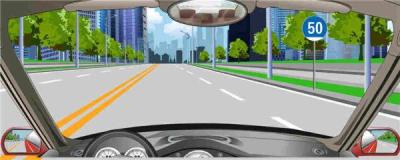
Answer:N
13、During normal driving, the driver should do his/her best to run close to or on the central line so as not to allow oncoming vehicles any opportunity to occupy his own route.
Answer:N
14、When the vehicle behind gives a notice of overtaking at night, the vehicle in front should not yield blindly.
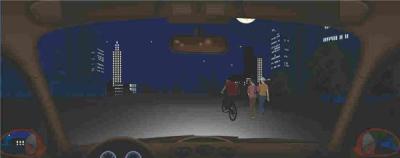
Answer:Y
15、Mr. He drove his large bus with 53 passengers (permitted carrying capacity 47) to 454 km mark by 100m along the Yining-hefei Expressway in Nanjing jurisdiction, where he was tailgated by a heavy-type semitrailer tractor. The bus left the road, breaking through the guardrail and catching fire. 17 people were killed and 27 injured. Which of the following law-breaking acts did Mr. He commit?
A、Speeding
B、Exceeding the carrying capacity of the motor bus
C、Driving a motor vehicle overdue for annual inspection
D、Improper operation
Answer:B
16、As shown in this picture, before driving to the intersection, vehicles are not allowed to change lanes by crossing the solid white line.
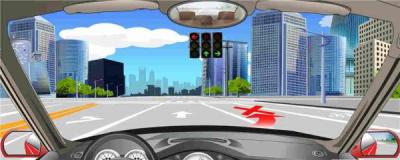
Answer:Y
17、Motor vehicles are prohibited from driving straight or turning left in this situation.
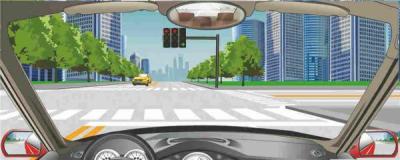
Answer:Y
18、When a motor vehicle encounters thick fog on an expressway and the visibility is poor, the driver should immediately brake and stop.
Answer:N
19、When passing another vehicle on a foggy day, what should drivers do?
A、Slow down and pass slowly
B、Maintain a safety distance
C、Properly use lamps
D、Drive at a high speed
Answer:ABC
20、What's the emergency measure to deal with a sudden tire burst on the road?
A、Swiftly braking to slow down
B、Firmly hold the steering wheel and steadily stop the vehicle as early as possible
C、Swiftly turn the steering wheel to adjust the direction
D、Go ahead at a low speed and find a place for tire change
Answer:B
21、The sign on the right warns of right-hand S-shaped bend ahead.
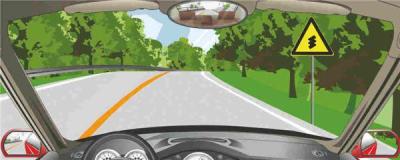
Answer:N
22、The driver may turn right directly at this intersection.
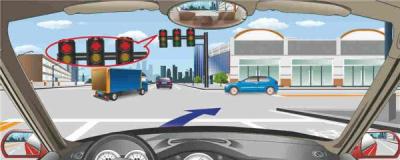
Answer:N
23、Motor vehicles are prohibited from turning left in this situation.
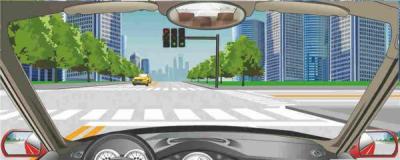
Answer:Y
24、If the road condition behind is good, motor vehicle drivers should reverse rapidly.
Answer:N
25、Which of the following acts are prohibited when passing through a tunnel?
A、Overtaking
B、Stopping
C、Making a U-turn
D、Reversing
Answer:ABCD
26、If a motor vehicle misses an exit on the expressway, the driver may reverse along the road shoulder.
Answer:N
27、hen there is a braking failure on a downhill road the driver should immediately try to find and drive to an emergency lane; after stopping the vehicle on the emergency lane, the driver should pull up the stopping brake so as to prevent a second danger arising from the vehicle sliding.
Answer:Y
28、When a motor vehicle reaches a muddy or burst-and-muddy section of the road, the driver should stop, observe and select a level and solid section or a section with vehicle tracks.
Answer:Y
29、When seeing this sign, the driver should slow down promptly.
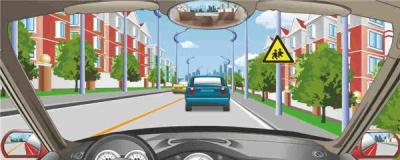
Answer:Y
30、One day, Mr. Yang drove a large bus with 57 passengers(bus capacity 55 people)from 7 pm to 1 am the following morning. At the spot of 3008 kilometers mark by 110 meters on the No. 050 National Road in Jin Chengjiang District, the bus had a malignant traffic accident caused by front left tire burst, killing12 people and injuring 22. What's the main illegal act committed by Mr Yang?
A、Fatigued driving
B、Carrying more passengers than permitted
C、Speeding
D、Misoperation
Answer:AB
31、When encountering this situation in a residential area, the driver should follow them closely.
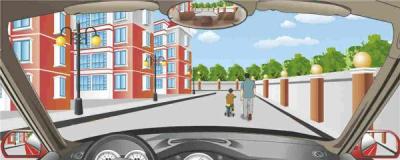
Answer:N
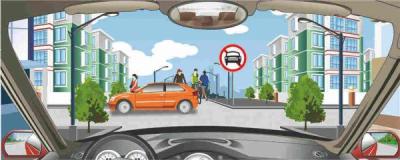
32、Which one of the following vehicle types is not allowed to pass, as indicated by the right-hand sign?
A、Large trucks
B、Large buses
C、Motor vehicles of all kinds
D、Small vans
Answer:C
33、If a motor vehicle enters a driving lane under this situation, what should the driver do?
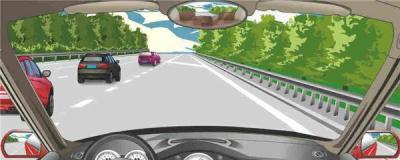
A、Control the driving speed and follow the last vehicle
B、Speed up and cut in front of the second vehicl
C、Speed up and cut in front of the first vehicle
D、Cut in between two vehicles at will
Answer:A
34、When encountering an emergency on a highway, the driver should not drastically turn to evade.
Answer:Y
35、The driver may not change lanes when the motor vehicle turns right at this intersection.
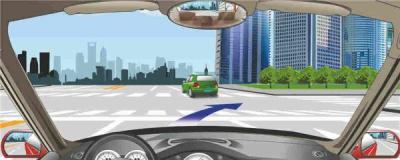
Answer:N
36、After a tire bursts and before the driver can control the speed of the vehicle, he/she should not risk using the foot brake to stop the vehicle. Otherwise, a horizontal swing of the vehicle can cause greater danger.
Answer:Y
37、Drivers may turn left when traffic police give these hand signals.
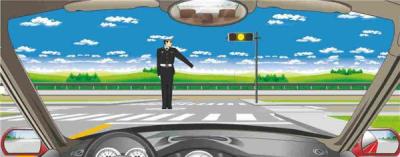
Answer:N
38、After a traffic accident, what is the most effective measure to prevent secondary accidents?
A、Evacuate all passengers
B、Turn on the hazard lamps
C、Mark the original place of the injured persons
D、Properly place the danger warning sign
Answer:ABD
39、What needs attention when a motor vehicle drives on a road covered with ice and snow?
A、Braking length is extended
B、Anti-skating resistance will be greater
C、The adhesive force of the road will be greater
D、The braking length will be shorter
Answer:A
40、When driving on an expressway in rain, the driver should slow down to avoid steering failure arising from "water slide"
Answer:Y
41、When encountering this situation in a residential area the driver should speed up and pass in front of the bicycle.
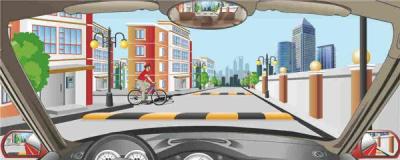
Answer:N
42、The diamond-shaped sign on the road indicates a crosswalk on the road ahead.
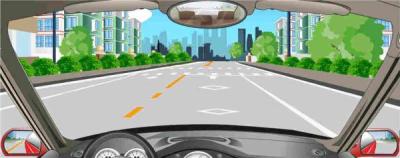
Answer:Y
43、The sign in front indicates that vehicles except large passenger vehicles are not allowed to drive on the right lane.
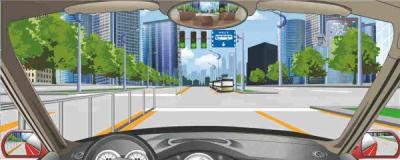
Answer:N
44、The sign in front indicates a 4-kilometer distance from the next exit.
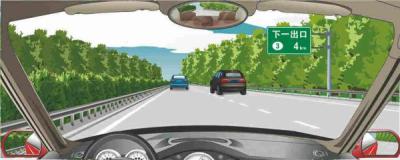
Answer:Y
45、The sign on the right warns of a village or town ahead suggesting a 30km/hour speed.
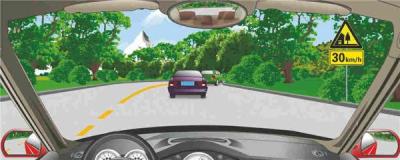
Answer:Y
46、When the speed indicated by the speed limit sign on the highway contradicts the speed indicated for the specific lanes the speed indicated for the specific lanes should prevail.
Answer:N
47、When an erosive material catches fire, it should not be put out with water cannon.
Answer:Y
48、When parking temporarily in this situation, motor vehicle drivers are allowed to turn the steering wheel right to avoid sliding.
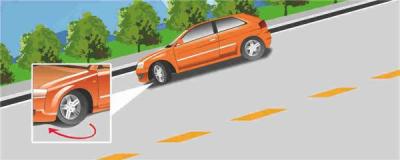
Answer:Y
49、The sign on the right warns of a dangerous mountainside road on the left of the road ahead.
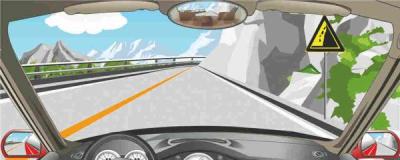
Answer:N
50、When driving on an expressway, what should the driver do if he/she has missed an exit but the next exit is far away?
A、Reverse along the road shoulder
B、Continue on
C、Stop immediately
D、Make a U-turn at the current location
Answer:B
- 四川科目四英文版模拟 相关内容
- 河北英文驾考PDF题库 湖北驾考英语版题库book 外国人可不可以在中国考驾照 四川驾考英语 云南驾考英语版书 浙江驾考英语版书 江西驾考科目三英文 西藏2025英文驾考PDF题库 外国人在中国考驾照是中文的吗 老外考驾照科三考什么项目 海南驾照考试科目一英文版 北京外国人考驾照科目四 广东驾考英文版题库 黑龙江驾照考试科目一英文版 安徽驾考科目一英语版PDF题库 老外驾考电脑版
Copyright © 2025 驾考 版权所有