
- 科目一考试
- 顺序练习
- 随机练习
- 强化练习
- 模拟考试
- 科目四考试
- 顺序练习
- 随机练习
- 强化练习
- 模拟考试
- 外国语言版题库
- 英语题库
- 德语题库
- 韩语题库
- 日语题库
- 俄语题库
- 法语题库
- 西班牙语题库
- 阿拉伯语题库
- 摩托车英文题
黑龙江外国人考驾照科目四
-
1、The sign on the right warns of traffic signals ahead.
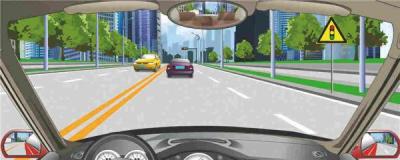
Answer:Y
2、When the vehicle behind gives a notice of overtaking at night, the vehicle in front should not yield blindly.
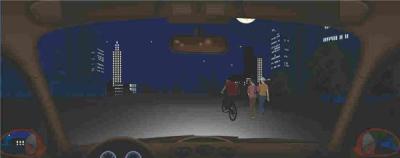
Answer:Y
3、When there is a sudden braking failure on a downhill road, what should be done by the driver?
A、Driving to an emergency lane and reducing speed to stop
B、Dropping the gear by two positions
C、Changing to the reverse gear to force the vehicle to stop
D、Reducing speed by pulling up the handbrake
Answer:A
4、What should the driver do upon finding a burst rear tire?
A、Adjust by swiftly turning the steering wheel
B、Control the direction while reducing speed slowly
C、Swiftly turn the steering wheel to the opposi direction
D、Swiftly take braking measures
Answer:B
5、When such circumstances happen suddenly, drivers should reduce speed in a timely fashion or stop to yield.
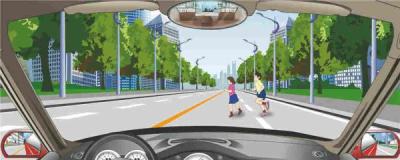
Answer:Y
6、When a motor vehicle breaks down and cannot be moved away from the emergency lane or the road shoulder, the driver and all passengers should get off the vehicle and wait on the road side instead of leaving the expressway.
Answer:N
7、When driving in thick or extremely thick fog, what should the driver do due to the low visibility in such weather?
A、Turn on the headlamp and drive slowly
B、Turn on the fog lamp and drive slowl
C、Park in a safe place
D、Drive slowly close to the roadside
Answer:C
8、The sign above the tunnel indicates a height limit of 3.5 meters on the road ahead.
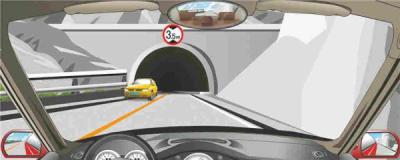
Answer:Y
9、Mr. Qian drove a large sleeper coach with 45 passengers (capacity 40 people) at a speed of more than 40 kilometers per hour. On a long slope with sharp curves in Basu County, the coach fell into a 100-meter-deep valley, killing 17 people and injuring 20. What's the main illegal act committed by MrQian?
A、Making a cellphone call while driving
B、Speeding
C、Carrying more people than permitted
D、Fatigued driving
Answer:BC
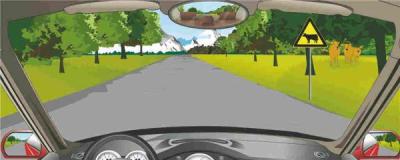
10、The sign on the right warns of a wildlife protection area ahead.
Answer:N
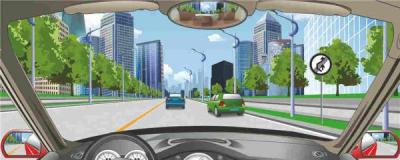
11、The sign indicates no overtaking on the section ahead.
Answer:N
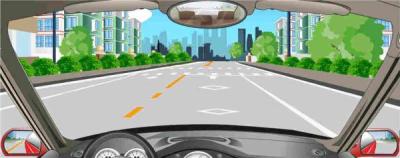
12、The diamond-shaped sign on the road indicates a crosswalk on the road ahead.
Answer:Y
13、Which one of the following measures is correct when a motor vehicle encounters this situation at night?
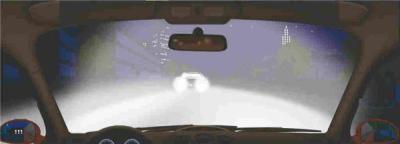
A、Keep driving at a normal speed
B、Drive at an increased speed to avoid light
C、Cut speed or stop to yield
D、Turn on high-beam to reject
Answer:C
14、vehicles to pass an intersection marked with this sign?
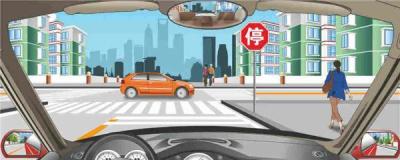
A、Stopping and observing the traffic situation around the intersection
B、Approaching the intersection by speeding up
C、Approaching the intersection at a reduced speed
D、Observing the traffic situation on the left rear side
Answer:A
15、At 3: 40 a.m. one day, Mr. Sun drove a large bus with 54 passengers(capacity 55 people). At the spot of 229 kilometers mark by 300 meters on Suiyue Expressway, the bus had a rear-end collision with a heavy semi-trailer driven by Mr. Li when passengers were getting off from the bus. As a result of the accident, 26 people were killed and 29 injured. According to the investigation afterwards, Mr. Li had been driving the bus since he left the place of departure at 6 p.m. the day before without any rest. What are the main illegal acts of the two drivers?
A、Mr. Sun illegally parked
B、Mr. Sun carried more passengers than permitted
C、Mr. Li exceeded speed limit
D、Mr. Li kept driving when tired
Answer:AD
16、The yellow broken line on the curb indicates that vehicles are not allowed to stop and let passengers embark or disembark or load and unload freight at the roadside.
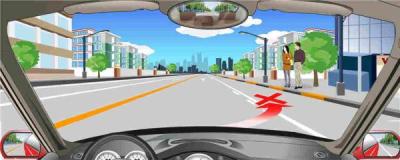
Answer:N
17、The driver may turn right directly at this intersection.
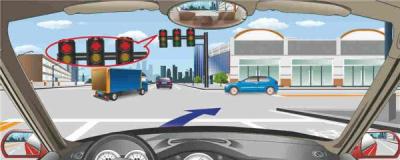
Answer:N
18、The broken white line on the right side of the road indicates that drivers are allowed to change lanes by crossing the line.
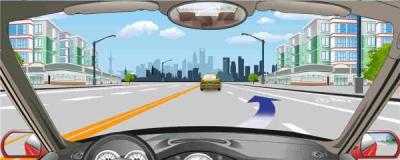
Answer:Y
19、When rescuing a wounded person suffering blood loss in an emergency, it is necessary to first stop the bleeding by compression before other treatments are taken in accordance with the conditions of bleeding.
Answer:Y
20、When driving on this dangerous mountainside road motor vehicle drivers should drive along the left side of the road.
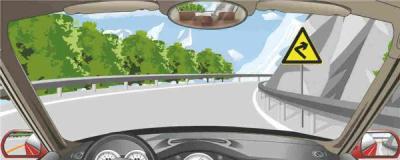
Answer:N
21、Under such circumstances, the motor vehicle driver should voluntarily reduce speed and let the vehicle behind overtake.
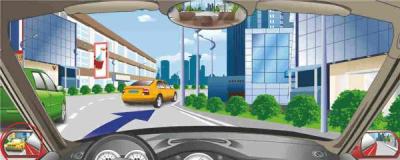
Answer:Y
22、The guide arrow on the road surface of this lane indicates that only left turns are permitted at the intersection ahead.
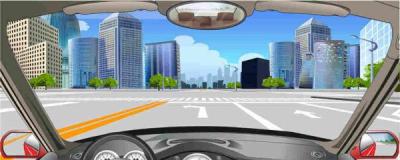
Answer:Y
23、The signs on each side warn of changes in road alignment ahead.
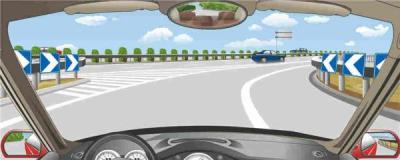
Answer:Y
24、How many kinds of law-breaking acts are displayed in flash 3?

A、One
B、Two
C、Three
D、Four
Answer:B
25、When a motor vehicle moves through water, drivers should intermittently and gently depress the brake pedal in order to restore braking efficiency.
Answer:Y
26、What influence does smoking have upon driving?
A、Harmful for safe driving
B、Increase concentration
C、Help relaxation
D、No effect on driving
Answer:A
27、How to run when encountering this situation at the intersection?
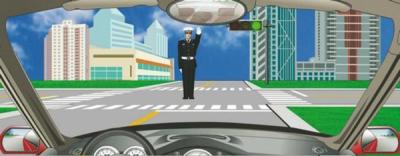
A、stop and wait
B、obey the traffic lights
C、run straight on the right side
D、may turn right
Answer:A
28、What should the driver do when seeing these hand signals?
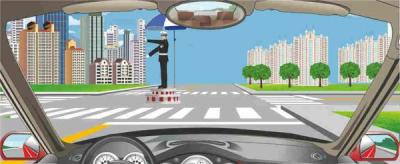
A、Go straight and pass through the intersection
B、Stop in front of the stop-line and wait
C、Turn left at the intersection
D、Drive at a lower speed at the intersection
Answer:C
29、When driving in rain and encountering pedestrians with umbrellas or wearing raincoats, what should be done by motor vehicle drivers in order to yield?
A、Drive at a normal speed
B、Sound the horn to alert when approaching the pedestrians
C、Speed up and bypass on the left
D、Reduce speed and sound the horn in advance
Answer:D
30、The sign on the right indicates the location of the highway emergency phone.
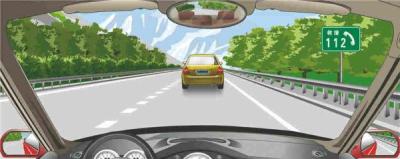
Answer:N
31、If a motor vehicle deviates from the straight direction due to steering failure, what should be done by thedriver in order to reduce speed and stop the vehicle as soon as possible?
A、Gently depressing the brake pedal
B、Pulling up the handbrake
C、Immediately changing to a low gear to reduce speed
D、Decisively and continuously depressing and releasing the brake pedal
Answer:D
32、The sign in front indicates a one-way lane after turning left.
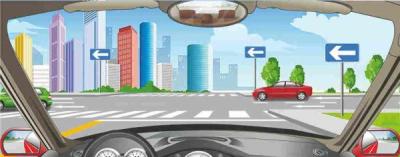
Answer:Y
33、Motor vehicles should accelerate when driving into an intersection with this traffic signal.
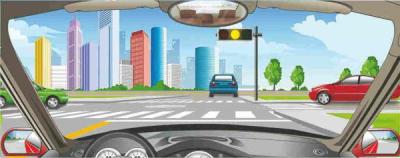
Answer:N
34、When the fuel of a motor vehicle catches fire, which of the following things cannot be used to put out the fire?
A、Sandy soil on the roadside
B、Cotton-padded clothes
C、Overalls
D、Water
Answer:D
35、When the windscreen of a motor vehicle on the highway is cracked by flying rocks or debris which makes visibility poor, the driver should reduce speed gradually, turn on the hazardlamps, drive to a place where it will not obstruct the traffic flow and stop there.
Answer:Y
36、When a motor vehicle equipped with ABS makes an emergency brake, the driver can tread the brake pedal heavily.
Answer:Y
37、As shown in the flash, what should the motor vehicle driver do when encountering this situation?

A、Reserve a safe crosswise distance and cut speed
B、Keep a normal speed
C、Use the emergency brake when approaching
D、Speed up and pass rapidly
Answer:A
38、What should motor vehicle drivers do under the circumstance shown in the flash?

A、Drive by borrowing the opposite lane
B、Brake suddenly and pass through at a lower speed
C、Drive by the outer side of the curve
D、Reduce speed fully and drive by the right side
Answer:D
39、When putting out a fire disaster that gives out corrosive steam or poisonous gas, the firefighters should wear gas masks and other related protective articles and operate from the windward side.
Answer:Y
40、Where is the proper parking place for breakdown motor vehicles stopping for examination?
A、In the far outer lane
B、In the inner lane
C、In the emergency lane
D、Entrance area of the ramp
Answer:C
41、It is not safe for a female driver to wear high heels to drive a vehicle.
Answer:Y
42、For a temporary stop on a foggy day, the driver should only turn on the fog lamp and the low-beam
Answer:N
43、Under such circumstances, motor vehicles are allowed to cross the central solid line to overtake.
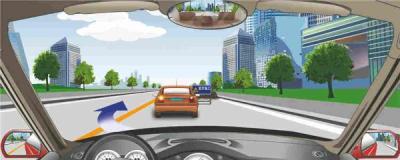
Answer:N
44、Drivers may go ahead when traffic polices posture is like this.
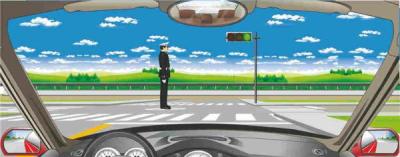
Answer:Y
45、The driver should speed up to 40 kilometers per hour when he/she sees this traffic sign.
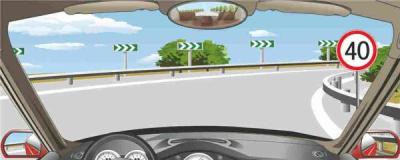
Answer:N
46、The motor vehicle equipped with ABS may sideslip during an emergency brake.
Answer:Y
47、The sign on the right side warns of an abrupt downhill section ahead.
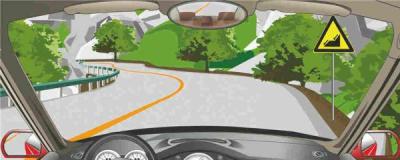
Answer:N
48、When driving a vehicle equipped with power steering what should the driver do upon finding that steering is difficult?
A、Stop and identify the cause
B、Control the steering and drive slowly
C、Drive at a lower speed
D、Keep the vehicle going straight
Answer:A
49、When approaching the turning point of a road, in which of the following ways will motor vehicle drivers easily cause a traffic accident?
A、Driving ahead by occupying the opposite lane
B、Turning the steering wheel quickly when passing through the curve
C、Not reducing speed until driving onto the curve
D、Driving by the right side
Answer:ABC
50、How should lamps be used when motor vehicle drivers pass through a two-way tunnel?
A、Turn on the hazard lamps
B、Turn on the high-beam
C、Turn on the fog lamp
D、Turn on the low-beam
Answer:D
- 黑龙江外国人考驾照科目四 相关内容
- 吉林2025驾考英文题库 辽宁关于考驾照的英语 湖南科目一有英文版吗 云南科目四英文版在哪里找 外国人学驾照需要什么手续和证件材料 宁夏驾校一点科目一英文版 驾考科目一英语 湖南2025科目四考题英文版 四川驾照科目一英文版题库 贵州科目四英文版在哪里找 江西科目四英文版模拟 外国驾考项目名称大全 重庆2025英文驾考PDF题库 河北驾考科目一英语版书 驾照考试科目一英文版 外国驾照过期了还能换证吗
Copyright © 2025 驾考 版权所有