
- 科目一考试
- 顺序练习
- 随机练习
- 强化练习
- 模拟考试
- 科目四考试
- 顺序练习
- 随机练习
- 强化练习
- 模拟考试
- 外国语言版题库
- 英语题库
- 德语题库
- 韩语题库
- 日语题库
- 俄语题库
- 法语题库
- 西班牙语题库
- 阿拉伯语题库
- 摩托车英文题
内蒙古驾考科目四英语版书
-
1、Motor vehicles are not permitted to change lanes in this position.
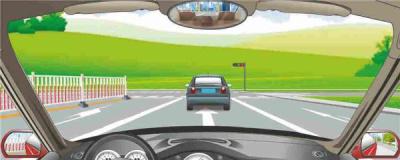
Answer:Y
2、What should the driver do if he/she encounters pedestrians in this situation at an intersection?
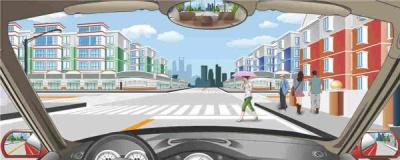
A、Slow down promptly and stop to yield
B、Sound the horn to warn the pedestrians to yield
C、Speed up and pass in front of the pedestrians
D、Turn on the headlamps to warn the pedestrians to yield
Answer:A
3、Which one of the following statements is correct in this situation?
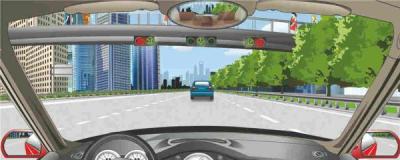
A、Vehicles are prohibited from passing in the lanes on either side
B、Move into the lane on either side at a reduced speed
C、Move into the lane on the right side
D、Move into the lane on either side at an increased speed
Answer:A
4、The cross-hatched marking indicates an area where vehicle drivers are not allowed to stop.
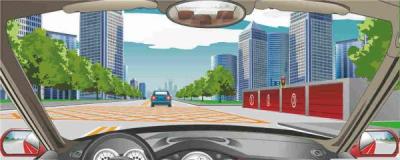
Answer:Y
5、The driver may not yield when the motor vehicle encounters this situation at the intersection.
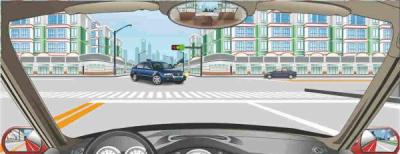
Answer:N
6、The driver should turn on the left-turn indicator after entering the acceleration lane on an expressway.
Answer:N
7、When driving on a damp and slippery road, drivers should avoid using the emergency brake to his/her best ability.
Answer:Y
8、When encountering this situation around a school, the driver should speed up and pass as quickly as possible.
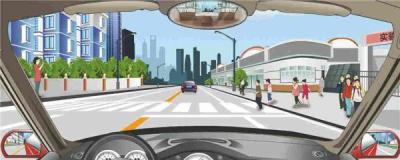
Answer:N
9、Mr. Yang drove an adapted minibus( capacity 9 people and carrying 64 passengers, including 62 kindergarten pupils). When driving in Ma Caogou Village of Yu Linzi County, the bus used the lane for oncoming traffic and had a head-on colision with a heavy dump truck. As a result of this accident, 22 people were killed and 44 injured. What are the main illegal acts in this case?
A、The truck exceeded the speed limit
B、Illegal adaptation of a motor vehicle
C、The minibus carried more passengers than capacity
D、Driving in the opposite direction lane
Answer:BCD
10、The sign on the right warns of a bumpy road ahead.
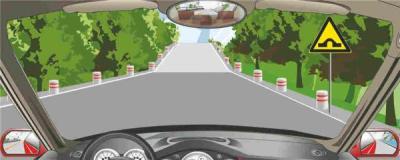
Answer:N
11、When approaching another vehicle at night, why should the driver alternate between high-and-low-beam at a distance more than 150 meters?
A、Warn each other before passing
B、Driving habit
C、Easy to observe the situation ahead from either side
D、Courtesy
Answer:C
12、When there is a braking failure on a downhill road, if there is no other alternative, the driver may rub the vehicle body against the rocks and trees on roadside to force the vehicle to slow down and stop.
Answer:Y
13、This sign warns to bypass from either side to avoid roadblock.
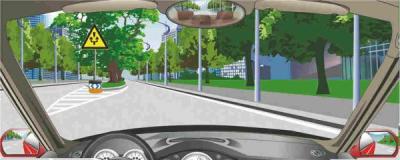
Answer:Y
14、Motor vehicle drivers may borrow a special lane for other vehicle types, if one exists, to overtake.
Answer:N
15、The sign on the right indicates a section for ascertaining the distance between the vehicles 200 meters ahead.
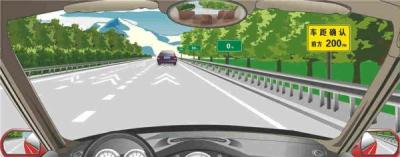
Answer:Y
16、As shown in the flash, the actions of the driver are correct.
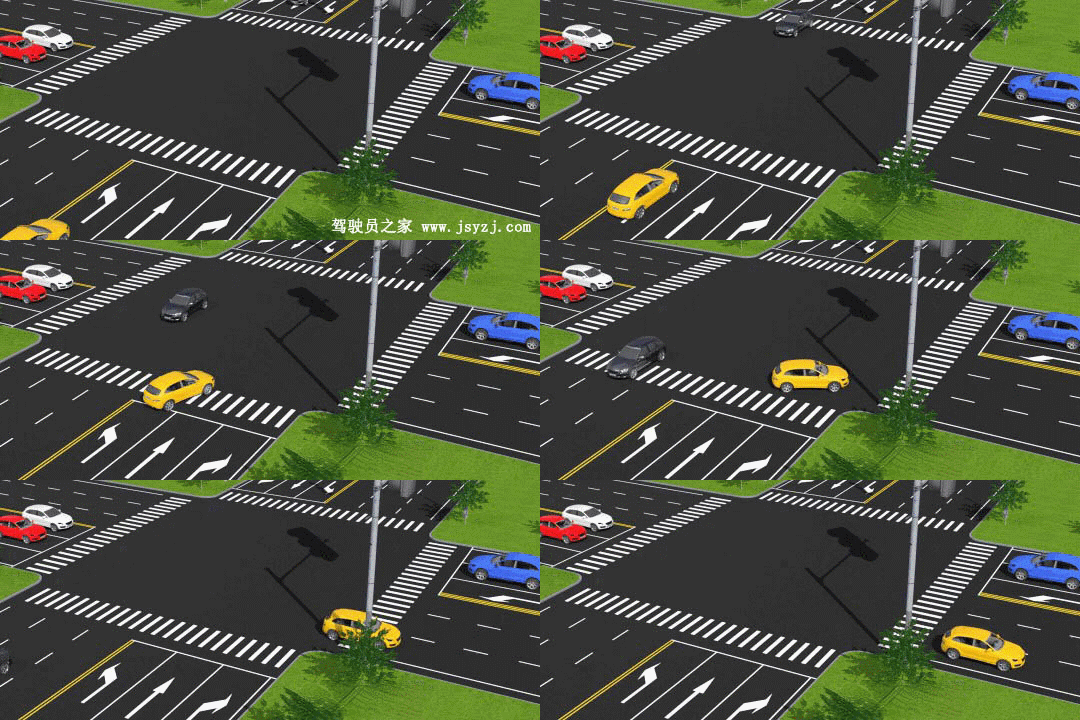
Answer:N
17、Drivers may temporarily cross these central solid double yellow lines when overtaking.
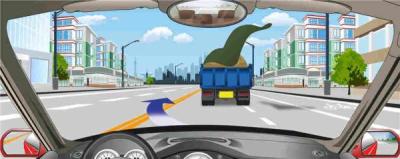
Answer:N
18、When driving on a long downhill road, which is the best way to control driving speed?
A、Coast in neutral gear
B、Depress the clutch and coast
C、Use the engine to brake
D、Depress the brake pedal continuously
Answer:C
19、At this moment, the driver may speed up and pass the intersection rapidly.
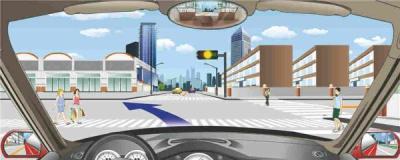
Answer:N
20、What does this sign on the fly-over junction indicate?
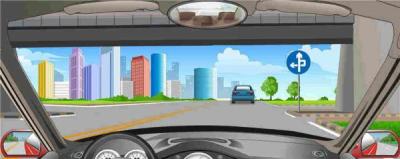
A、Turn right
B、Drive straight or turn left
C、Drive straight or turn right
D、Take a U-turn under bridge
Answer:B
21、When driving on an expressway, where should the driver park?
A、The service area
B、The acceleration lane
C、The deceleration lane
D、On the ramp
Answer:A
22、When parking for a long time on a downward slope due to breakdown on the road, drivers should use this method to stop up wheels.
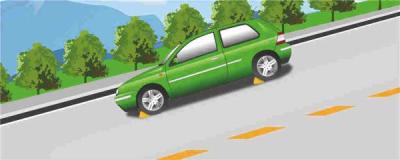
Answer:Y
23、When a motor vehicle passes over an inundated road, what should the driver do for safe driving?
A、Slow down and drive with special care
B、Speed up and pass rapidly
C、Maintain a normal speed and pass through
D、Change to a low gear and speed up to pass
Answer:A
24、It is illegal to change lanes without turning on indicators.
Answer:Y
25、When a motor vehicle deviates from the normal direction due to steering failure, what should the driver do?
A、Immediately steer and adjust
B、Reduce speed and stop the vehicle as early as possible
C、Steer to the side where there is no obstacle to evade
D、Steer to the side where there is an obstacle to evade
Answer:B
26、The sign on the right warns for disabled people ahead.
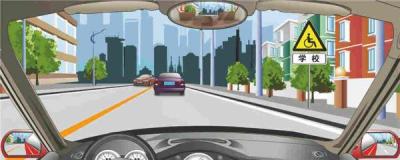
Answer:Y
27、Drivers may cross these lane-dividing lines to change lanes in the same direction.
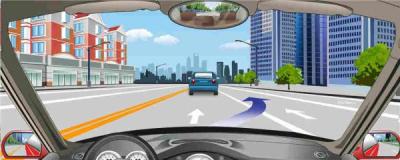
Answer:N
28、When rescuing a wounded person in coma causing by excessive blood loss, it is necessary to take measures to prevent heat loss.
Answer:Y
29、When a motor vehicle reaches a muddy or burst-and-muddy section of the road, the driver should stop, observe and select a level and solid section or a section with vehicle tracks.
Answer:Y
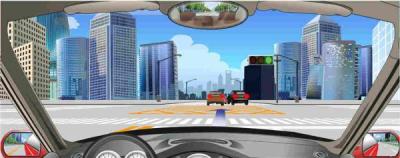
30、The cross-hatched marking indicates an area where vehicle drivers are allowed to stop and wait.
Answer:N
31、When following other vehicles on the uphill section of a mountain road, what should the driver do if the vehicle in front stops?
A、Overtake from either side of the front vehicle
B、Stop close to the vehicle in front
C、Stop with a larger space from the vehicle in front
D、Sound the horn continuously to warn the other driver
Answer:C
32、When a fast-moving vehicle is likely to collide with the vehicle in front, what should the driver do?
A、Brake to reduce speed first, and then steer to evade
B、Turn the steering wheel quickly to the left side to evade
C、Turn the steering wheel quickly to the right side to evade
D、Steer to evade first, and then brake to reduce speed
Answer:A
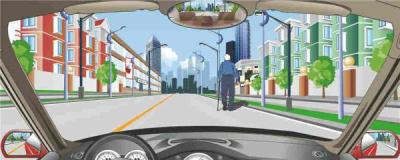
33、When encountering such pedestrians, motor vehicle drivers may continuously sound the horn to alert them to yield.
Answer:N
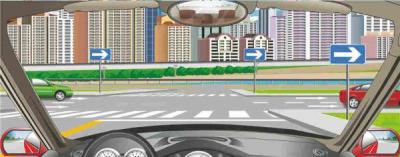
34、The sign in front indicates a one-way lane after turning right.
Answer:Y
35、When driving in thick or extremely thick fog, what should the driver do due to the low visibility in such weather?
A、Turn on the headlamp and drive slowly
B、Turn on the fog lamp and drive slowl
C、Park in a safe place
D、Drive slowly close to the roadside
Answer:C
36、The main impact of muddy roads on safe driving is that the wheels may easily spin and skid
Answer:Y
37、When driving in rain or snow, the driver should turn left to stabilize the vehicle if the motor vehicle slides to the right side.
Answer:N
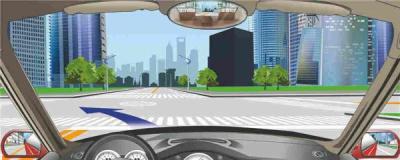
38、The driver should turn left by the left side of the intersection central point.
Answer:Y
39、The sign on the left warns of no passing on the right-hand road ahead.
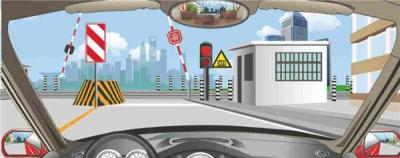
Answer:N
40、Crossing the broken white line on the right edge of the road is allowed.
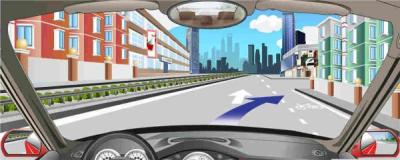
Answer:Y
41、The driver may not change lanes when the motor vehicle turns right at this intersection.
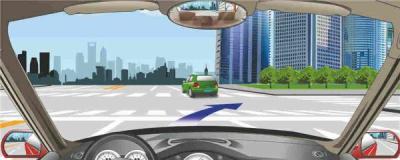
Answer:N
42、When approaching a sharp curve, motor vehicle drivers should reduce speed only after entering the curve.
Answer:N
43、As shown in the flash, what should the driver do when the motor vehicle encounters this situation?
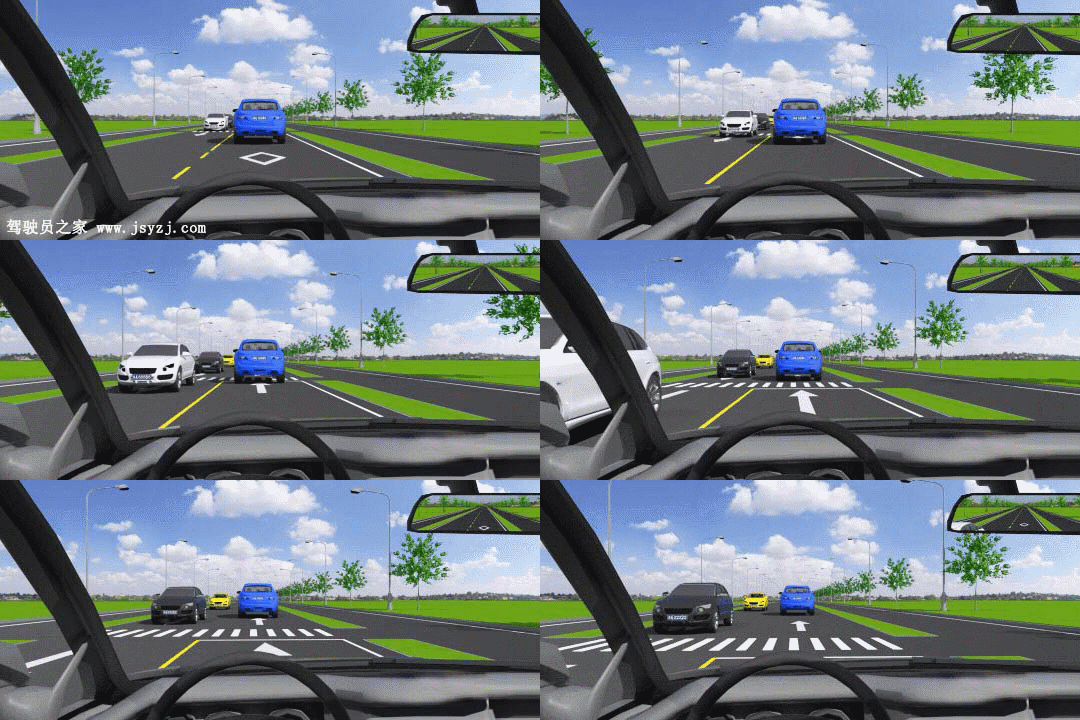
A、Speed up and pass rapidl
B、Stop immediately
C、Sound the horn to indicate the pedestrians to yield
D、Observe the movement of pedestrians and non-motor vehicles before passing
Answer:D
44、What should the driver do when a motor vehicle encounters this situation on a mountain road?
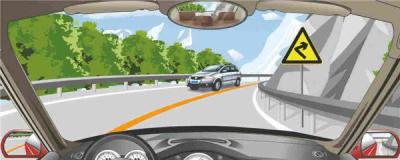
A、Stick to respective lanes and speed up to approach each other
B、Drive close to the central line of the road
C、Retain the normal speed
D、Slow down
Answer:D
45、When finding a tire burst on the road, the driver should gently depress the brake pedal, reduce speed and stop the vehicle slowly.
Answer:Y
46、When a motor vehicle moves through water, the driver should try to maintain a constant speed and sufficient power and pass through without stopping.
Answer:Y
47、vehicles may stop temporarily in this area.
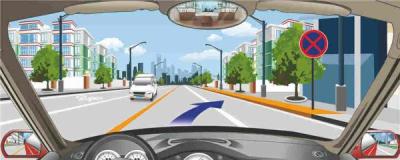
Answer:N
48、Drivers should drive at a lower speed when traffic police give these hand signals.
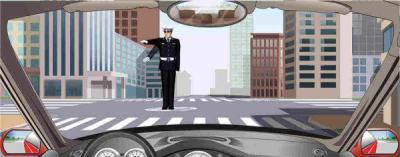
Answer:Y
49、The sign on the right warns that the road will narrow over the next 5 kilometers.
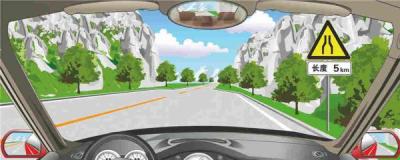
Answer:Y
50、Unless stopping due to obstacles or vehicle breakdown on an expressway, motor vehicles are not allowed to stop to pick up or drop off people or load and unload cargo.
Answer:Y
- 内蒙古驾考科目四英语版书 相关内容
- 山西2025科目四考题英文版 四川驾考英语版PDF题库 西藏科目四考题英文版 西藏科目四英文版在哪里找 北京驾考科目一英语版书 甘肃驾考科目四英语版PDF 新疆科目四考试英文版 吉林驾考英文版题库 福建外国人考科目四 英文 江西英文版驾考 贵州英文驾考书 北京考驾照的英文单词 贵州驾考科目四英语 北京驾考科目一英文版题库 吉林驾考科目三英文 上海驾校一点科目一英文版
Copyright © 2025 驾考 版权所有