
- 科目一考试
- 顺序练习
- 随机练习
- 强化练习
- 模拟考试
- 科目四考试
- 顺序练习
- 随机练习
- 强化练习
- 模拟考试
- 外国语言版题库
- 英语题库
- 德语题库
- 韩语题库
- 日语题库
- 俄语题库
- 法语题库
- 西班牙语题库
- 阿拉伯语题库
- 摩托车英文题
广西2025科目四考题英文版
-
1、When braking failure happens to a fast-moving motor vehicle, what should be done by the driver to brake?
A、Continuously depressing the brake pedal
B、Immediately changing to a low gear to reduce speed and using the handbrake
C、Swiftly depressing the clutch pedal
D、Swiftly pulling up the handbrake
Answer:B
2、When evading an emergency, except for being calm what principle should be held by drivers?
A、Evading people first and then objects
B、Evading objects first and then vehicles
C、Evading vehicles first and then people
D、Evading objects first and then people
Answer:A
3、If a fast-moving motor vehicle has a steering failure, using emergency braking will not cause an overturn.
Answer:N
4、As shown in this picture, the vehicles intending to turn left are not allowed to drive into left-turn waiting area directly to wait for green light.
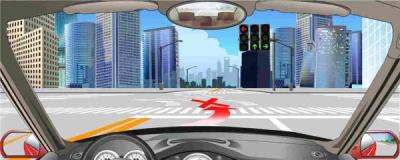
Answer:N
5、The sign on the right warns drivers to yield for oncoming motor vehicles.
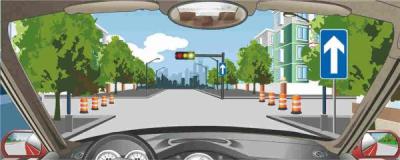
Answer:N
6、What should be done first after getting into the vehicle?
A、Observe the surrounding traffic situation
B、No need to observe the traffic situation around
C、Open the door and get in directly
D、Take note of the weather
Answer:A
7、The sign on the right indicates to stop and yield at the intersection ahead.
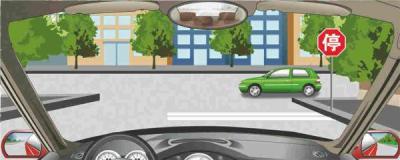
Answer:Y
8、On which of the following roads may the wheels be most easily locked when braking?
A、Concrete road
B、Dirt road
C、Road covered by ice and snow
D、Sand road
Answer:C
9、When a motor vehicle equipped with ABS makes an emergency brake, the driver can tread the brake pedal heavily.
Answer:Y
10、When driving, besides paying attention to keeping a safe distance from the vehicle in front, drivers should also be prudent when braking so as to avoid a rear-end collision caused by a vehicle behind.
Answer:Y
11、When steering failure happens suddenly, if the road condition permits straight movement, drivers should not apply emergency braking.
Answer:Y
12、Which of the following is a basic requirement for rescuing the injured at the scene of a traffic accident?
A、Treat wounds first and safe life later
B、Save life first and treat wounds later
C、Help lightly wounded persons first
D、Help seriously wounded persons later
Answer:B
13、Under such circumstances at a congested intersection, what should motor vehicle drivers do?
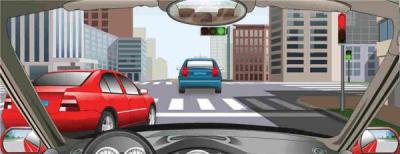
A、Force the vehicle to go back to its original lane
B、Closely follow the vehicle in front and refuse to yield
C、Politely yield and pass through
D、Sound the horn and turn on the head lamps
Answer:C
14、When a fast-moving vehicle is likely to collide with the vehicle in front, what should the driver do?
A、Brake to reduce speed first, and then steer to evade
B、Turn the steering wheel quickly to the left side to evade
C、Turn the steering wheel quickly to the right side to evade
D、Steer to evade first, and then brake to reduce speed
Answer:A
15、When finding a tire burst on the road, the driver should use emergency braking while controlling the direction of the vehicle at the same time to stop the vehicle qulckly.
Answer:N
16、Before setting off, it is necessary to check the driving cabin, engine cabin, external and tires of the motor vehicle.
Answer:Y
17、The sign on the right indicates a 2-kilometer distance from the Donglushan Service Area on the highway.
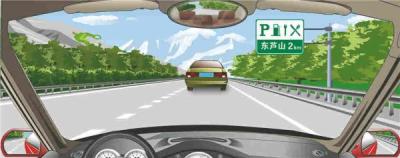
Answer:Y
18、The sign on the right warns of an unguarded railway intersection ahead.
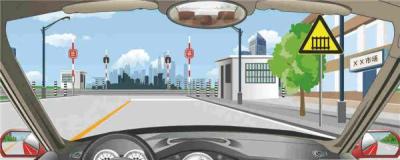
Answer:N
19、When encountering a situation like changing to a left lane, motor vehicle drivers should vield.
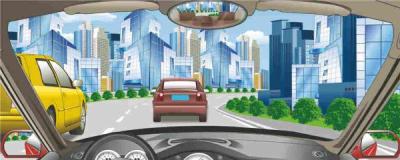
Answer:Y
20、The sign on the right indicates a one-kilometer distance from ETC toll station ahead.
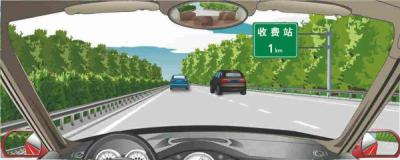
Answer:N
21、When reversing in this condition, in which of the following ways can motor vehicle drivers keep safe?
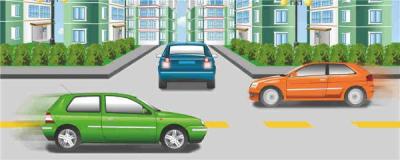
A、Reverse at a lower speed
B、Voluntarily stop and yield
C、Continuously sound the horn to alert
D、Reverse in a clockwise direction
Answer:B
22、The sign on the right warns of a wet road surface ahead.
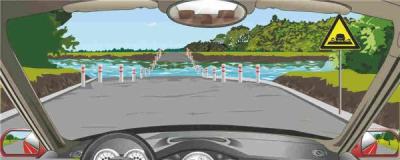
Answer:Y
23、The sign on the right indicates that the speed limit is 50km/hour.
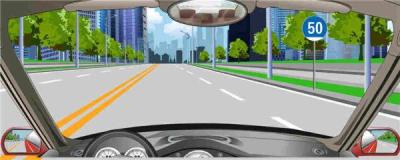
Answer:N
24、When driving on a snowy day, drivers should follow the tracks on the road before them.
Answer:Y
25、The area in the yellow rectangle markings on the right side of the road indicates that temporary stopping is permitted here.
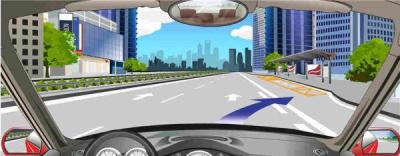
Answer:N
26、Under such circumstances, motor vehicle drivers should stop and yield
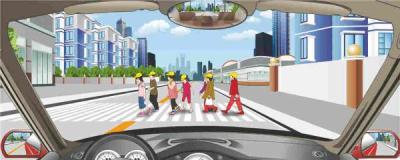
Answer:Y
27、Motor vehicle drivers may reverse at an intersection.
Answer:N
28、The sign on the right indicates that the vehicle should yield to the oncoming traffic as approaching each other.
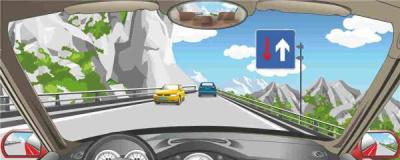
Answer:N
29、The sign indicates no overtaking on the section ahead.
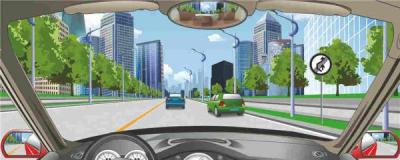
Answer:N
30、Crossing the broken white line on the right edge of the road is allowed.
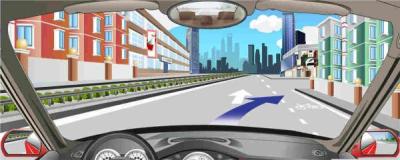
Answer:Y
31、When an erosive material catches fire, it should not be put out with water cannon.
Answer:Y
32、The motor vehicle should slow down and pass slowly in this situation.
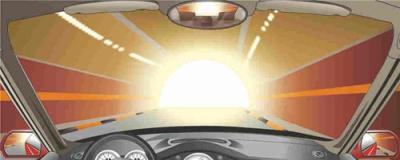
Answer:Y
33、Which one of the following statements is correct in this situation?
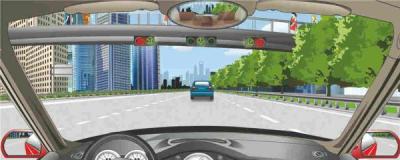
A、Vehicles are prohibited from passing in the lanes on either side
B、Move into the lane on either side at a reduced speed
C、Move into the lane on the right side
D、Move into the lane on either side at an increased speed
Answer:A
34、Which of the following is a bad habit when changing lanes?
A、Turning on the indicator in advance
B、Observing closely before changing a lane
C、Change lanes at will
D、Not obstructing the passing of other normally moving vehicles
Answer:C
35、Mr. He drove his large bus with 53 passengers (permitted carrying capacity 47) to 454 km mark by 100m along the Yining-hefei Expressway in Nanjing jurisdiction, where he was tailgated by a heavy-type semitrailer tractor. The bus left the road, breaking through the guardrail and catching fire. 17 people were killed and 27 injured. Which of the following law-breaking acts did Mr. He commit?
A、Speeding
B、Exceeding the carrying capacity of the motor bus
C、Driving a motor vehicle overdue for annual inspection
D、Improper operation
Answer:B
36、How should lamps be used when motor vehicle drivers pass through a two-way tunnel?
A、Turn on the hazard lamps
B、Turn on the high-beam
C、Turn on the fog lamp
D、Turn on the low-beam
Answer:D
37、Which one of the following is the safest way when driving a motor vehicle on this road?
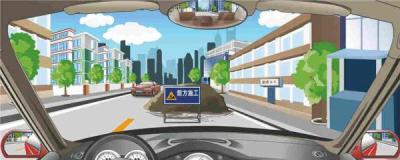
A、Speed up and bypass the obstacle
B、Take the opposite lane and compel the other vehicle to yield
C、Stop and yield to the oncoming vehicle
D、Sound the horn or turn on the headlamp
Answer:C
38、The broken and solid white line on the road indicates that crossing is allowed on the solid line side.
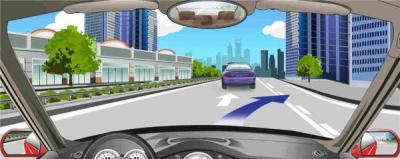
Answer:N
39、When driving on a road covered with ice and snow, drivers tend to encounter glare caused by reflection of light rays from the road surface.
Answer:Y
40、How many kinds of law-breaking acts are displayed in flash 4?
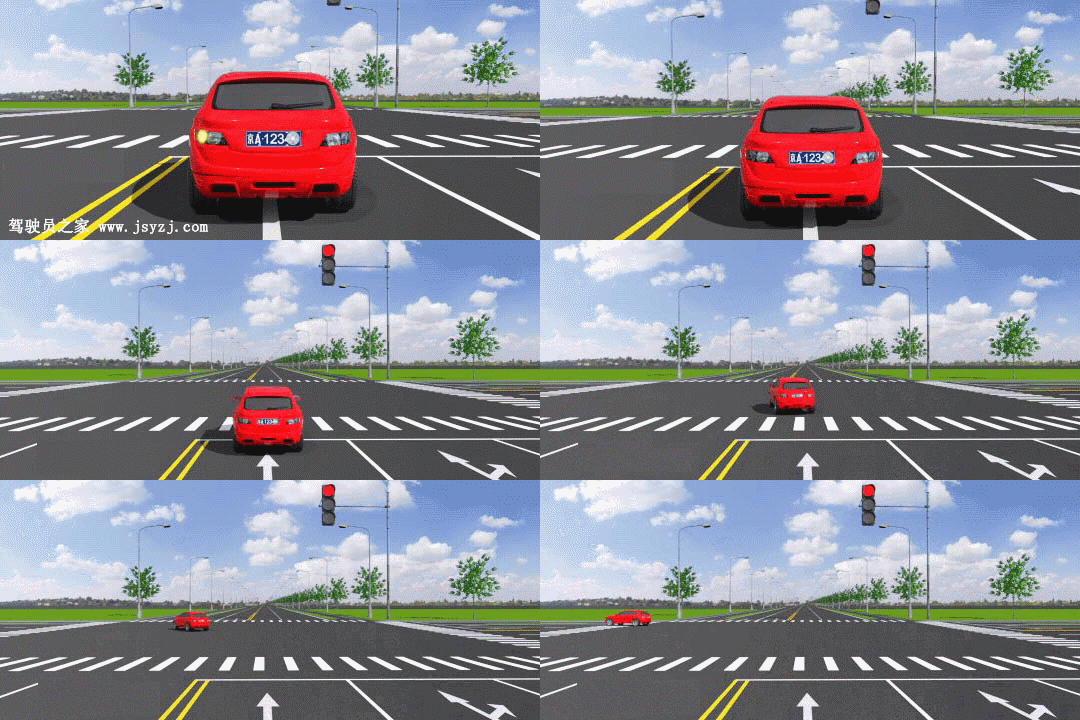
A、One
B、Two
C、Three
D、Four
Answer:C
41、In rain, the most effective way to avoid the danger arising from "water slide" is to drive at high speed
Answer:N
42、The driver should turn left by the left side of the intersection central point.
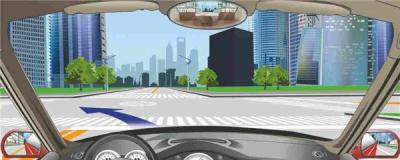
Answer:Y
43、When the motor vehicle encounters a crosswalk in this situation, the driver may speed up and pass rapidly.
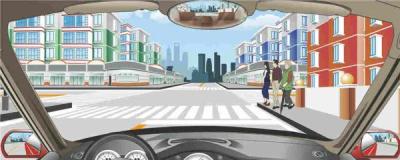
Answer:N
44、Sounding the horn on a foggy daY can arouse the attention of the opposite side. After hearing the horn from the opposite side, the driver should also sound their own horn to respond.
Answer:Y
45、The sign on the right indicates that the speed limit of 40km/hour is lifted on the road ahead.
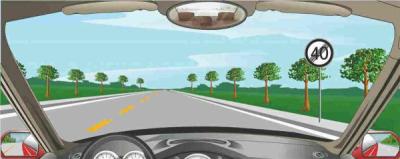
Answer:Y
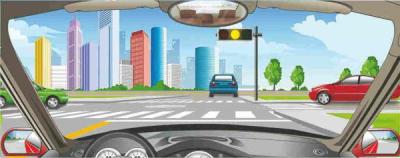
46、Motor vehicles should accelerate when driving into an intersection with this traffic signal.
Answer:N
47、Before driving, it is necessary to check whether the cooling liquid, engine oil and fuel oil, are leaking.
Answer:Y
48、Mr. Qi drove a large bus with 28 passengers(capacit 55 people). When arriving at an intersection without any traffic signals from south to north at a speed of 50 kilometers per hour, the bus had a side collision with Mr. Li's heavy semi-trailer tractor (capacity 40 tons and carrying 55.2 tons) running from east to west. As a result of this accident, 12 people were killed and 17 injured. What are the main illegal acts in this case?
A、The bus carried more passengers than capacity
B、The bus exceeded the speed limit
C、The tractor carried more cargo than capacity
D、The driver of the tractor was inexperienced
Answer:BC
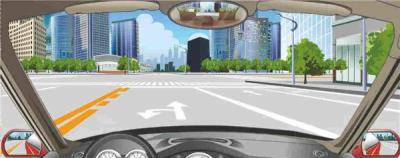
49、The guide arrow on the road surface of this lane indicates that only U-turns are permitted at the intersection ahead.
Answer:N
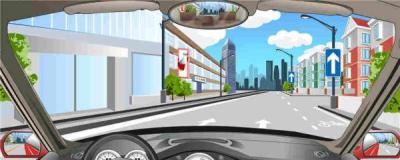
50、What's the meaning of the sign on the right?
A、Drive on the right side of the road ahead
B、No entry ahead
C、One-way road ahead
D、Watch for the right-hand intersection ahead
Answer:C
- 广西2025科目四考题英文版 相关内容
- 青海驾考英文版题库 贵州2025科目四英文版 湖南科目一考题英文版 宁夏关于考驾照的英语 辽宁外国人考驾照英文模拟试题 云南科目一有英文版吗 湖北科目一有英文版吗 广西驾考英文版题库 辽宁科目四英文版在哪里找 青海科目一考试英文版 山西科目四英文版 青海外国人考驾照科目四 浙江科目一有英文版吗 四川英文驾考题库PDF电子版 河南科目四英文版题目 宁夏英文版考驾照
Copyright © 2025 驾考 版权所有