
- 科目一考试
- 顺序练习
- 随机练习
- 强化练习
- 模拟考试
- 科目四考试
- 顺序练习
- 随机练习
- 强化练习
- 模拟考试
- 外国语言版题库
- 英语题库
- 德语题库
- 韩语题库
- 日语题库
- 俄语题库
- 法语题库
- 西班牙语题库
- 阿拉伯语题库
- 摩托车英文题
江西科目四英文版题目
-
1、Motor vehicles are prohibited from turning left in this situation.
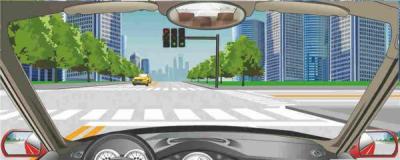
Answer:Y
2、As shown in this picture, the intersection guide line is designed to help drivers make turns.
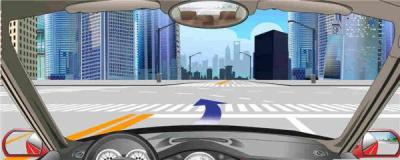
Answer:Y
3、The leading cause of this accident is that the driver failed to make sure that it was safe to reverse before doing so.
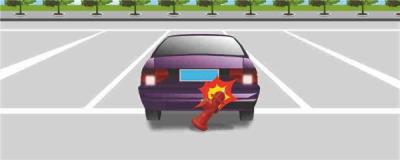
Answer:Y
4、Mr. Tao drove a midsize bus with 33 passengers. At the spot of 163 kilometers on the South Xuping Expressway, the bus clashed at a speed of 120 kilometers per hour with Mr. Ans minibus parked without any warning signs on the inside lane, due to breakdown after an accident. The midsize bus overturned after collided with the guardrail on the right-hand side. As a result of the accident, 16 people were killed and 15 injured. What are the main illega acts of the two drivers?
A、Mr. Tao carried more passengers than permitted
B、Mr. Tao exceeded speed limit
C、Mr. An failed to place any warning signs in accordance with relevant stipulations
D、Mr. An was illegally parked
Answer:ABC
5、Mr. Qi drove a large bus with 28 passengers(capacit 55 people). When arriving at an intersection without any traffic signals from south to north at a speed of 50 kilometers per hour, the bus had a side collision with Mr. Li's heavy semi-trailer tractor (capacity 40 tons and carrying 55.2 tons) running from east to west. As a result of this accident, 12 people were killed and 17 injured. What are the main illegal acts in this case?
A、The bus carried more passengers than capacity
B、The bus exceeded the speed limit
C、The tractor carried more cargo than capacity
D、The driver of the tractor was inexperienced
Answer:BC
6、When passing an intersection, vehicle motor drivers are not allowed to overtake.
Answer:Y
7、When rescuing a wounded person suffering from spinal fracture, which of the following measuresshould be taken?
A、Prevent heat loss
B、Rescue the wounded person with a soft stretcher
C、Keep the wounded part in position with a sling
D、Help the wounded person when walking
Answer:C
8、Motor vehicles are not allowed to reverse in a tunnel.
Answer:Y
9、The marking on the road surface indicates that the speed limit of this road section is 80 km/hour.
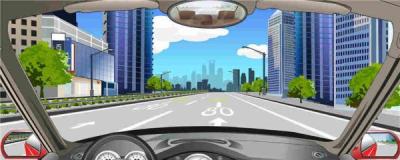
Answer:N
10、Under such circumstances, what should motor vehicle drivers do?
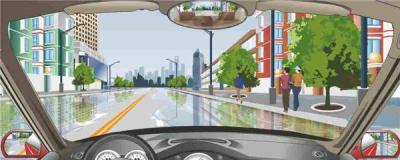
A、Pass slowly at a lower speed
B、Speed up and pass
C、Continuously sound the horn and pass
D、Pass at a normal speed
Answer:A
11、When braking, side skid or tail swing may occur if the rear wheels are blocked.
Answer:Y
12、The sign in front gives information about the direction of road exits.
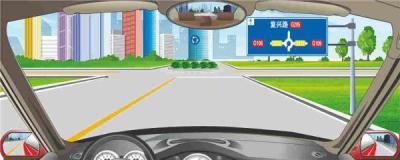
Answer:Y
13、Motor vehicle drivers should use the windscreen wiper when setting off on a rainy day
Answer:Y
14、The sign on the right indicates that driving along left side only.
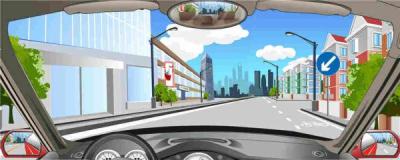
Answer:Y
15、The guide arrow on the road surface of this lane indicates that only left turns are permitted at the intersection ahead.
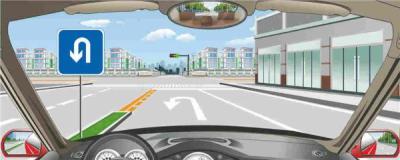
Answer:N
16、What's the main impact of foggy weather on safe driving?
A、Easy to slide sideways
B、Low visibility
C、Increase the resistance
D、Widen the field of vision
Answer:B
17、The road marker indicates that vehicles are not allowed to make a U-turn at the intersection ahead.
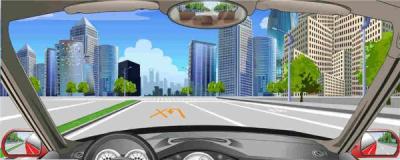
Answer:Y
18、How to ensure motor vehicles have sufficient power when driving uphill?
A、Downshift before reducing speed
B、Downshift after reducing speed
C、Downshift when the speed is excessively low
D、Downshift to the fullest extent
Answer:A
19、Drivers are not allowed to drive on or across these filled-in slanted yellow lines.
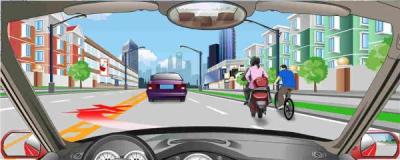
Answer:Y
20、The signs on each side warn of changes in road alignment ahead.
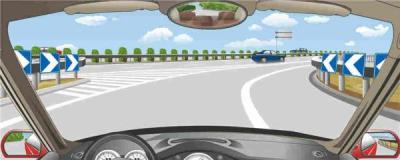
Answer:Y
21、How many kinds of law-breaking acts are displayed in flash 4?
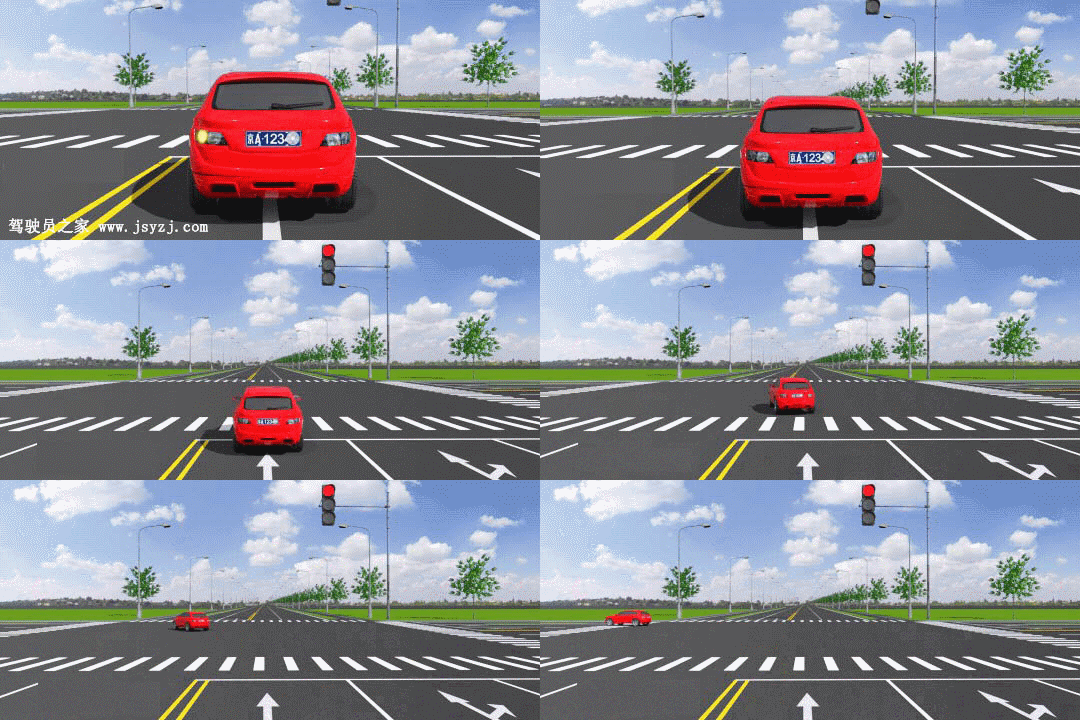
A、One
B、Two
C、Three
D、Four
Answer:C
22、The sign on the right warns of no passing due to collapse on the road ahead.
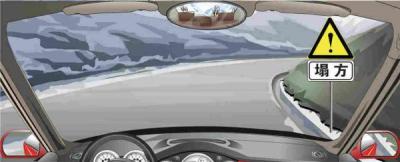
Answer:N
23、The sign on the right warns for livestock on the road ahead.
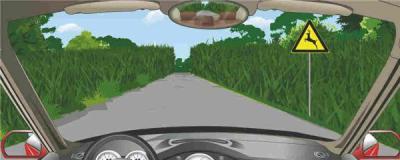
Answer:N
24、Which of the following acts are prohibited when passing through a tunnel?
A、Overtaking
B、Stopping
C、Making a U-turn
D、Reversing
Answer:ABCD
25、When driving on a long downhill road, which is the best way to control the speed?
A、Coast in neutral gear
B、Take a low gear
C、Depress the clutch
D、Pull up the handbrake
Answer:B
26、When a motor vehicle approaches the exit of a tunnel the driver should firmly hold the steering wheel to prevent any harmful effects of a strong side wind.
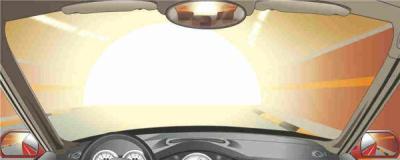
Answer:Y
27、When temporarily parking on a raining day, what kind of lamp should the driver turn on?
A、Front and back fog lamps
B、Hazard warning lamp
C、Headlamp
D、Reversing lamp
Answer:B
28、In the flash, it is correct for the driver to behave this way when there is a traffic jam caused by an accident on the expressway.?
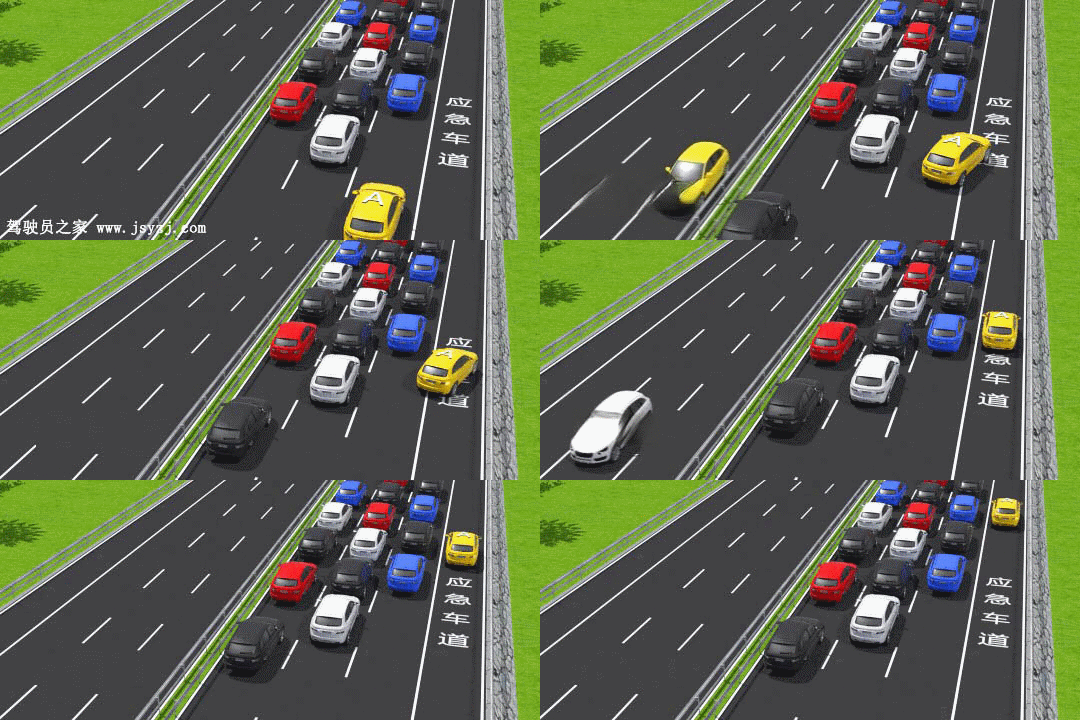
Answer:N
29、The road marker indicates that vehicles are only allowed to turn right at the intersection ahead.
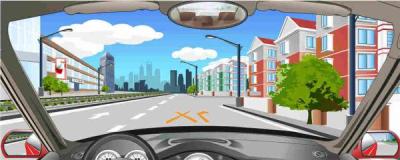
Answer:N
30、Two parallel broken double-yellow lines indicate the position of a diversion lane.
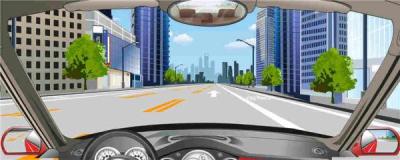
Answer:Y
31、The road marking on the right lane indicates that drivers may temporarily borrow the special lane for buses.
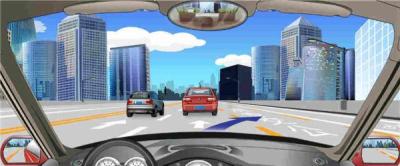
Answer:N
32、The yellow broken line on the curb indicates that vehicles are not allowed to stop and let passengers embark or disembark or load and unload freight at the roadside.
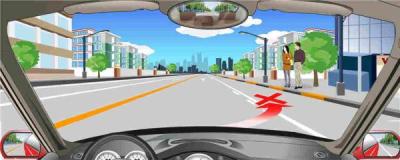
Answer:N
33、When extinguishing a fire, the driver should refrain from breathing through mouth or crying loudly Otherwise, the fire and smoke will scorch the upper respiratory tract.
Answer:Y
34、When driving on the expressway in a heavy rain, what should the driver do to avoid "water sliding" phenomenon?
A、Install slide-proof devices
B、Speed up
C、Slow down
D、Continue to depress the brake
Answer:C
35、The sign in front indicates a one-way lane after turning left.
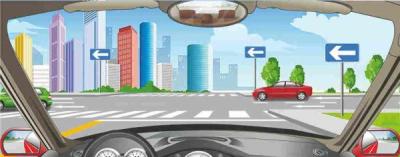
Answer:Y
36、vehicles may stop temporarily in this area.
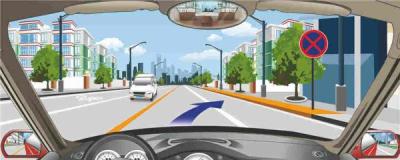
Answer:N
37、What should motor vehicle drivers do when approaching an oncoming vehicle on a frozen road?
A、Cut speed as approaching each other
B、Pass each other by speeding up properly
C、Pass each other slowly by cutting speed in advance
D、Pass each other along the central line to the best
Answer:C
38、When finding a tire suddenly burst on the road, the driver should firmly hold the steering wheel with both hands to ensure the vehicle goes straight.
Answer:Y
39、What matters need attention when driving on a rainy day?
A、Avoid using the emergency brake or making sharp turns
B、Keep a safe enough distance
C、Observe the traffic situation of non-motor vehicles and surrounding pedestrians
D、Drive at a safe speed
Answer:ABCD
40、Under such circumstances, motor vehicles are allowed to cross the central solid line to overtake.
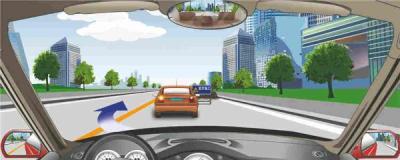
Answer:N
41、After setting off from the roadside, motor vehicle drivers should speed up as soon as possible and make a sharp left-turn in order to drive into the normal lane.
Answer:N
42、Mr. He drove his large bus with 53 passengers (permitted carrying capacity 47) to 454 km mark by 100m along the Yining-hefei Expressway in Nanjing jurisdiction, where he was tailgated by a heavy-type semitrailer tractor. The bus left the road, breaking through the guardrail and catching fire. 17 people were killed and 27 injured. Which of the following law-breaking acts did Mr. He commit?
A、Speeding
B、Exceeding the carrying capacity of the motor bus
C、Driving a motor vehicle overdue for annual inspection
D、Improper operation
Answer:B
43、When a head-on collision with another vehicle is unavoidable, what should the driver do?
A、Change head-on collision to side collision
B、Immediately turn the steering wheel to the right side to evade
C、Immediately apply emergency braking
D、Immediately turn the steering wheel to the left side to evade
Answer:C
44、When a motor vehicle catches fire, the driver should swiftly turn off the engine and open the hood to extinguish the fire.
Answer:N
45、What is the function of ABS during emergency braking?
A、Shortening the braking distance
B、Keeping steering capacity of the motor vehicle
C、Relief the braking inertia
D、Controlling directions automatically
Answer:B
46、The sign in front indicates a one-way lane after turning right.
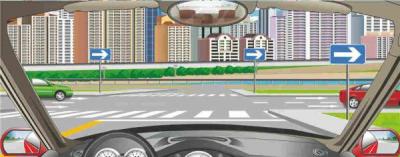
Answer:Y
47、The sign in the red circle indicates that the left road is only for small vehicles.
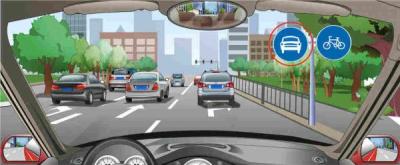
Answer:N
48、The sign on the left indicates that drivers should stop to take a pass card at the toll station ahead.
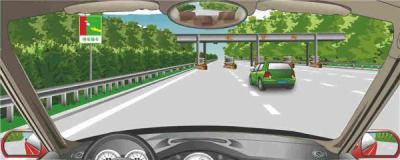
Answer:Y
49、As shown in the flash, what should the driver do when the motor vehicle encounters this situation?
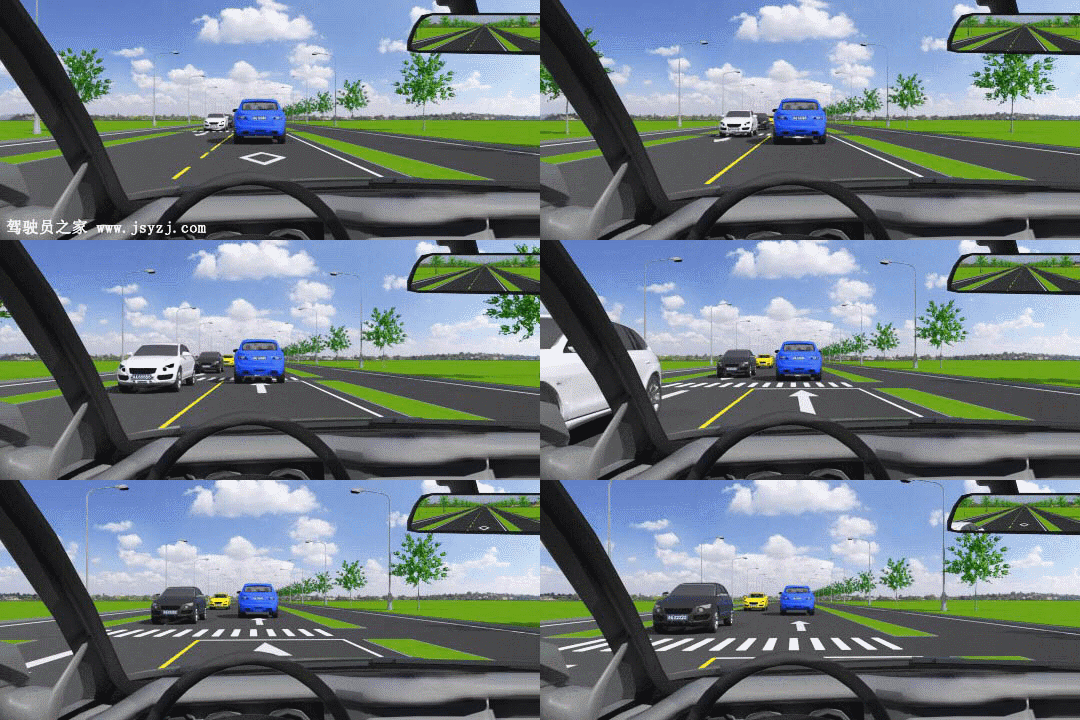
A、Speed up and pass rapidl
B、Stop immediately
C、Sound the horn to indicate the pedestrians to yield
D、Observe the movement of pedestrians and non-motor vehicles before passing
Answer:D
50、The driver should drive on the left in this kind of tunnel.
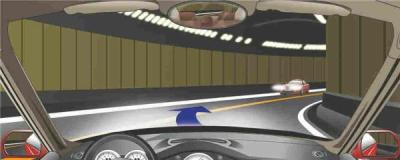
Answer:N
- 江西科目四英文版题目 相关内容
- 湖南驾考有英文版吗 西藏驾考科目四英语版PDF 天津英文版驾考 外国人考驾照吗 重庆驾考英语版PDF题库 广西2025科目一考试英文 甘肃驾照考试科目四英文版 山东科目四英文版练习题库 上海外国人考驾照科目一 陕西科目四英文版模拟 湖北2025驾考英文题库 湖南驾考英语 江西科目一考试英文版 湖北科目四英文版练习题库 西藏驾考科目一英语版PDF题库 浙江考驾照的英文单词
Copyright © 2025 驾考 版权所有