
- 科目一考试
- 顺序练习
- 随机练习
- 强化练习
- 模拟考试
- 科目四考试
- 顺序练习
- 随机练习
- 强化练习
- 模拟考试
- 外国语言版题库
- 英语题库
- 德语题库
- 韩语题库
- 日语题库
- 俄语题库
- 法语题库
- 西班牙语题库
- 阿拉伯语题库
- 摩托车英文题
甘肃科目四有英文版吗
-
1、Mr. Shi drove a low-speed cargo vehicle (capacity 1.2 tons)with 4.05 tons of cargo. At the spot of 51 kilometers mark by 260 meters on the No. 314 County Road in Ningjin County, the cargo vehicle had a head-on collision with a normally running midsize bus( capacity 11 people and carrying12) from the opposite direction after passing the central line of the road and overtaking the front vehicle in the same direction. As a result of this accident, 10 people were killed and 2 injured. What are the illegal acts in this case?
A、The cargo vehicle carried more cargo than capacity
B、The cargo vehicle illegally overtook other vehicles
C、The bus carried more passengers than capacit
D、The driver of the bus kept driving when tired
Answer:ABC
2、The sign in front indicates an open-air parking lot with rest area is 200 meters ahead.
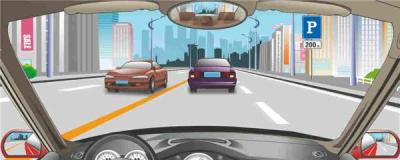
Answer:Y
3、Gun powder, explosives and detonating powder belong to which of the following dangerous chemicals?
A、Oxidizing materials
B、Inflammable solid materials
C、Explosives
D、Self-igniting articles
Answer:C
4、When evading an emergency, except for being calm what principle should be held by drivers?
A、Evading people first and then objects
B、Evading objects first and then vehicles
C、Evading vehicles first and then people
D、Evading objects first and then people
Answer:A
5、Which one of following ways is the safest when driving a motor vehicle on this road?
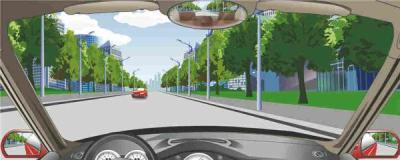
A、Driving along the central line of the road
B、Driving along the right side of the road
C、Driving at the middle of the road
D、Driving along the left side of the road
Answer:B
6、What should a motor vehicle driver do to ensure safety when experiencing a breakdown at night?
A、Park in a safe place
B、Turn on hazard lamp
C、Turn on clearance lamp and tail lamp
D、Set up a warning sign in accordance with regulation
Answer:ABCD
7、When a wounded person suffering burns is thirsty, he should only drink plain boiled water.
Answer:N
8、When running on an expressway with three lanes in each direction, which one of the following lanes is not appropriate for the motor vehicle to use if its speed ranges between 90 kilometers per hour and 110 kilometers per hour?
A、The far left lane
B、The middle lane
C、The far right lane
D、Any lane
Answer:A
9、When encountering a road like this, motor vehicle drivers should downshift in advance and- control speed by braking the engine.
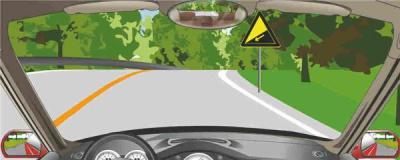
Answer:Y
10、When encountering a vehicle in front ascending on a mountainous road covered with ice and snow, what should the motor vehicle driver do?
A、Ascend after the vehicle in front passes the slope
B、Overtake the vehicle in front swiftly and drive on
C、Overtake the vehicle in front with a slow speed and drive on
D、Follow the vehicle in front closely
Answer:A
11、Drivers are not allowed to drive on or across these filled-in slanted yellow lines.
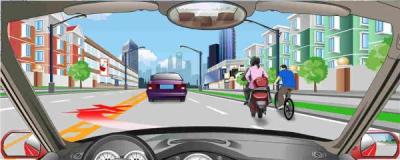
Answer:Y
12、When finding a tire burst on the road, the driver should gently depress the brake pedal, reduce speed and stop the vehicle slowly.
Answer:Y
13、The sign in front indicates the distance to highway destination.
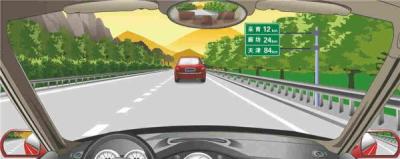
Answer:N
14、What should motor vehicle drivers do under such circumstances at night?
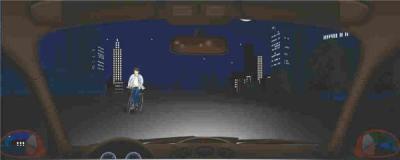
A、Turn off the headlamp when approaching
B、Use low-beam
C、Use high-beam
D、Turn off all lamps in advance
Answer:B
15、When driving onto the left lane, motor vehicle drivers are allowed to make a U-turn.
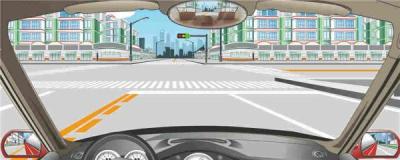
Answer:Y
16、When encountering this situation in a residential area the driver should sound the horn continuously.
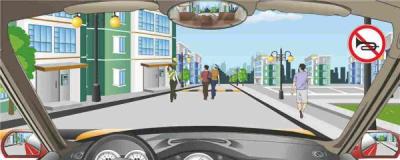
Answer:N
17、Having driven a medium passenger vehicle (carrying 27 passengers) to the southern end of Qianling Village of Sidu Town, Mr Xu drove upslope but the vehicle slid backward and dropped from an 80-meter cliff, killing 11 people and injuring 7. Which of the following law-breaking acts did Mr Luo commit?
A、Fatigued driving
B、Drunk driving
C、Exceeding the carrying capacity of the passenger vehicle
D、Speeding
Answer:C
18、Before making a U-turn at the intersection ahead, motor vehicle drivers should drive to the lane for turning left and going straight.
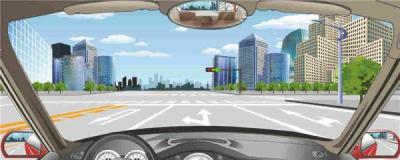
Answer:N
19、If a fast-moving motor vehicle has a steering failure, using emergency braking will not cause an overturn.
Answer:N
20、Under such circumstances, what should motor vehicle drivers do?
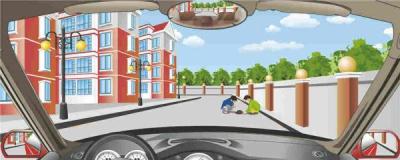
A、Continuously sound the horn
B、Pass quickly
C、Pass at a lower speed
D、Bypass from either side
Answer:C
21、Under such circumstances, what should be done bY motor vehicle drivers in order to yield to the pedestrians politely?
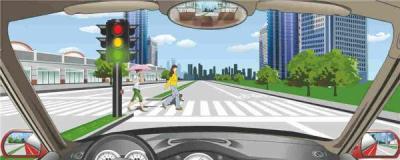
A、Set off after pedestrians pass
B、Set off and bypass in front of the pedestrians
C、Sound the horn to warn the pedestrians to yield
D、Set off and approach the pedestrians slowly
Answer:A
22、What's the emergency measure to deal with a sudden tire burst on the road?
A、Swiftly braking to slow down
B、Firmly hold the steering wheel and steadily stop the vehicle as early as possible
C、Swiftly turn the steering wheel to adjust the direction
D、Go ahead at a low speed and find a place for tire change
Answer:B
23、When encountering this situation, which of the following is the correct way to overtake other vehicles?
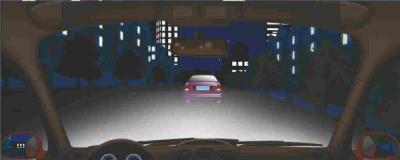
A、Turn on high-beam
B、Use high-beam and low-beam alternatively
C、Turn on low-beam
D、Turning on hazard lamp
Answer:D
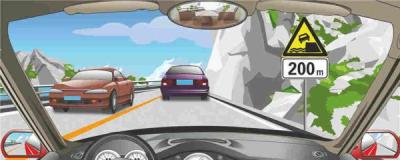
24、The sign on the right warns of an embankment road 200 meters ahead.
Answer:Y
25、When driving on a foggy day, what kind of lamps should the driver turn on?
A、Fog lamp and hazard lamp
B、Fog lamp and indicator
C、Fog lamp and high-beam
D、Fog lamp and low-beam
Answer:A
26、What should the driver do when seeing these hand signals?
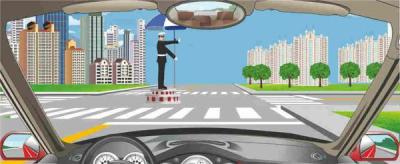
A、Go straight and pass through the intersection
B、Pull over
C、Drive to the waiting area for turning left
D、Turn right at the intersection
Answer:D
27、When braking, the steering will become impossible if the front wheels are blocked
Answer:Y
28、If a motor vehicle encounters a strong side wind when it leaves the opening of an expressway tunnel, what will happen?
A、A feeling of deceleration
B、A feeling of acceleration
C、A feeling of pressure
D、Deviation in direction
Answer:D
29、How should a motor vehicle follow the other vehicle In front when driving on a road covered with ice and snow?
A、Keep a long safe distance
B、Turn on hazard lamp
C、Change between high-and-low beam alternatively
D、Sound the horn in due time to give a notice to the vehicle in front
Answer:A
30、What should the driver do if he/she wants to turn right at this intersection?
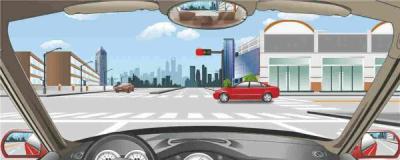
A、Turn right along the straight-going lane
B、Wait behind the stop line
C、Turn right along the right lane
D、Borrow the non-motor vehicle lane and turn right
Answer:C
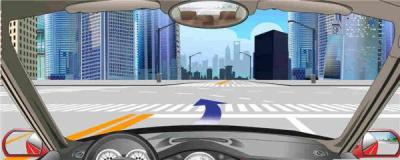
31、As shown in this picture, the intersection guide line is designed to help drivers make turns.
Answer:Y
32、When there is no bandage for rescuing a wounded person, which of the following measures is wrong?
A、Dress the wounds with a handkerchief
B、Dress the wounds with a towe
C、Dress the wounds with cotton clothes
D、Dress the wounds with string
Answer:D
33、When following other vehicles on the uphill section of a mountain road, what should the driver do if the vehicle in front stops?
A、Overtake from either side of the front vehicle
B、Stop close to the vehicle in front
C、Stop with a larger space from the vehicle in front
D、Sound the horn continuously to warn the other driver
Answer:C
34、When driving on road sections where safe sight distance is affected, such as the top of a ramp, what should drivers do to ensure safety?
A、Rush through
B、Use hazard lamp
C、Cut speed and sound the horn
D、Drive at will
Answer:C
35、How to pass the intersection when running straight
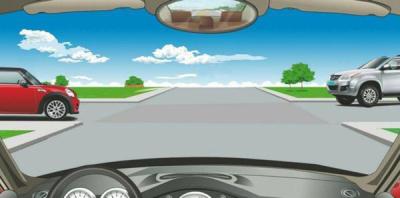
A、turn on the hazard lights and pass
B、directly speed up and pass straight
C、yield to the vehicle from the right road
D、yield to the vehicle from the left road
Answer:C
36、The sign on the right side warns of an abrupt downhill section ahead.
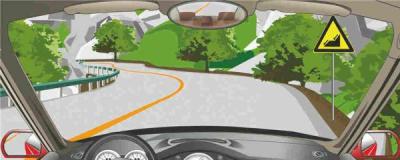
Answer:N
37、This sign indicates the traffic broadcast and radio television channel of highway.
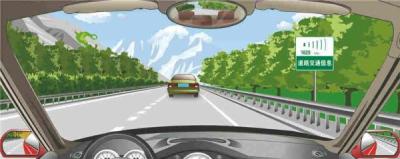
Answer:N
38、The sign on the right warns of an uneven road ahead.
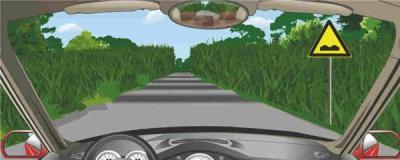
Answer:Y
39、Before a motor vehicle enters a tunnel, the driver should adjust the speed in accordance with the indication of the traffic sign at the entrance of the tunnel.
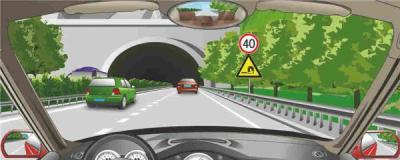
Answer:Y
40、The sign on the right warns for children on the section ahead.
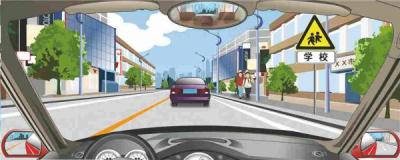
Answer:Y
41、When there is a braking failure on a downhill road, if there is no other alternative, the driver may rub the vehicle body against the rocks and trees on roadside to force the vehicle to slow down and stop.
Answer:Y
42、The guide line of a changeable lane indicates that drivers can choose their direction at will.
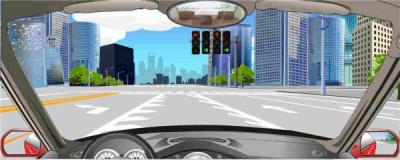
Answer:N
43、The driver should speed up to 40 kilometers per hour when he/she sees this traffic sign.
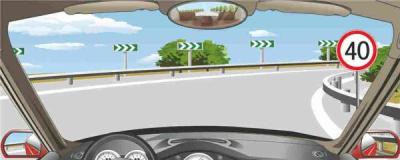
Answer:N
44、When a motor vehicle breaks down and has to be stopped on the highway, what should the driver do?
A、Set up a breakdown warning sign 150 meters behind the vehicle
B、Set up a breakdown warning sign 100 meters behind the vehicle
C、If it happens at night, turn on the clearance lamp and rear position lamp
D、Turn on the hazard lamps
Answer:ACD
45、The sign on the right indicates that the speed limit of 40km/hour is lifted on the road ahead.
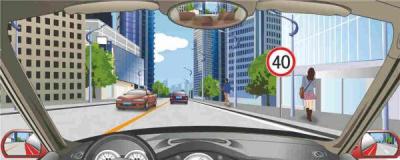
Answer:N
46、Motor vehicles are not allowed to reverse in a tunnel.
Answer:Y
47、Where is the proper parking place for motor vehicles driving on an expressway?
A、On the expressway ramp
B、In the acceleration lane
C、In the deceleration lane
D、In a service area
Answer:D
48、The white zig-zag line on the highway serves as a reference for the speed of a driver.
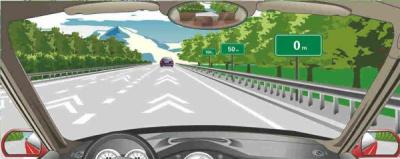
Answer:N
49、Motor vehicles are not allowed to stop in this area for a long time.
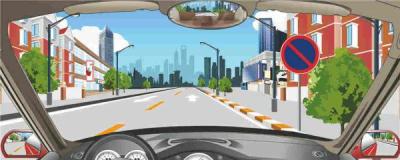
Answer:Y
50、The sign in front indicates that vehicles except public buses are not allowed to drive in this lane.
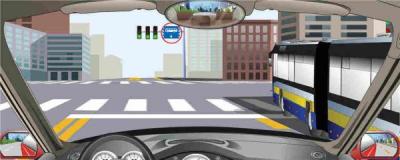
Answer:Y
- 甘肃科目四有英文版吗 相关内容
- 天津驾考科目四英文版题库 山西只认识英文可以考科目一吗 外国人在中国学车需要什么证件 河南外国人考驾照科目四 江西驾考科目三英文 天津2025科目四考题英文版 陕西英文考驾照用语 安徽考驾照的英文单词 有外国驾驶证想考中国的驾驶证怎么办? 陕西驾考英语版题库book 海南驾校考试英文版 广东科目四英文版在哪里找 浙江驾考科目三英文 辽宁英文考驾照用语 山西驾考英文版题库 吉林英语c1考试
Copyright © 2025 驾考 版权所有