
- 科目一考试
- 顺序练习
- 随机练习
- 强化练习
- 模拟考试
- 科目四考试
- 顺序练习
- 随机练习
- 强化练习
- 模拟考试
- 外国语言版题库
- 英语题库
- 德语题库
- 韩语题库
- 日语题库
- 俄语题库
- 法语题库
- 西班牙语题库
- 阿拉伯语题库
- 摩托车英文题
云南英文驾考科目四题库PDF电子版
-
1、What should the driver do to follow other motor vehicles on a mountain road?
A、Closely follow the vehicle in front
B、Increase the safety distance
C、Reduce the vertical distance between vehicles
D、Try to overtake the vehicle in front as soon as possible
Answer:B
2、When driving in thick fog causing poor visibility on the expressway, the driver should apply emergency braking to stop at once.
Answer:N
3、What should the driver do when seeing these hand signals?
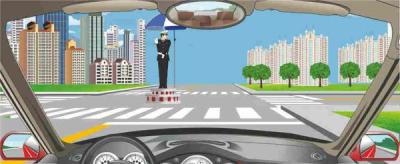
A、Go straight and pass through the intersection
B、Stop and wait
C、Turn right at the intersection
D、Turn left at the intersection
Answer:B
4、What should the driver do if he/she encounters pedestrians in this situation at an intersection?
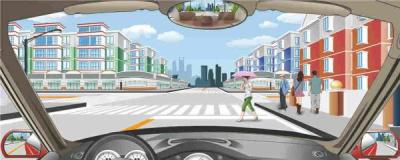
A、Slow down promptly and stop to yield
B、Sound the horn to warn the pedestrians to yield
C、Speed up and pass in front of the pedestrians
D、Turn on the headlamps to warn the pedestrians to yield
Answer:A
5、When rescuing a wounded person suffering from bone fracture, which of the following should be kept in mind?
A、Immediately send him/her to the hospital on a stretcher
B、Properly change the original posture when the injured person wounded
C、Dress the fracture with a bandage
D、Do not move the fractured body-part
Answer:D
6、Under such circumstances, motor vehicle drivers may sound the horn at the proper time and speed up to pass through.
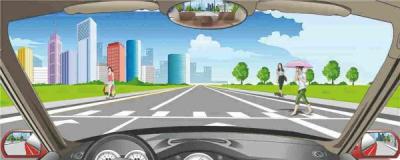
Answer:N
7、The sign in front is an advance announcement of the directions led by this intersection.
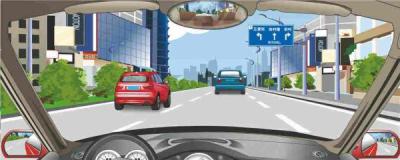
Answer:Y
8、The sign on the left indicates vehicles are allowed to drive on the section ahead.
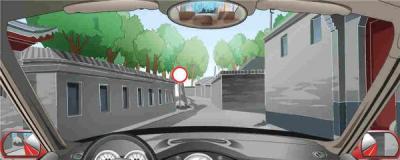
Answer:N
9、What should be done by drivers in order to drive safely on the road in this condition?
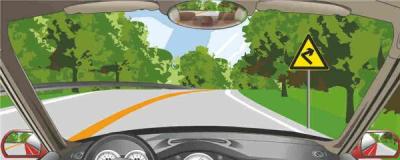
A、Make a large turn on the left side of the road
B、Make a turn on the central line of the curve
C、Make a small turn on the right side of the road
D、Make a turn by borrowing the opposite lane
Answer:C
10、Under such circumstances, what should be done by the motor vehicle driver who has been overtaken?
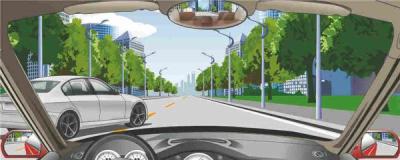
A、Sounding the horn to warn the vehicle that overtook
B、Reducing speed or pulling over by the right side
C、Protesting by turning on the high-beam
D、Catching up with and overtaking the vehicle that overtook, and offering admonitions
Answer:B
11、What's the meaning of the sign on the right?
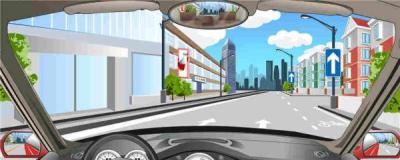
A、Drive on the right side of the road ahead
B、No entry ahead
C、One-way road ahead
D、Watch for the right-hand intersection ahead
Answer:C
12、The sign on the right warns of three or more winding roads ahead.
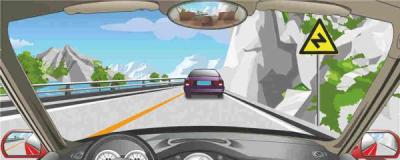
Answer:N
13、Under such circumstances, what should be done by motor vehicle drivers in order to maintain safe driving?
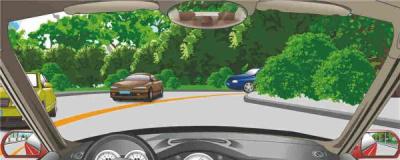
A、Sound the horn or turn on the headlamps
B、Reduce speed or drive on the right side
C、Keep to the central line as best as possible
D、Drive on the left side of the road
Answer:B
14、When a motor vehicle accidentally hits the guardrail of the highway, what should be done by the driver inorder to keep safe?
A、Firmly holding and properly adjusting the steering wheel
B、Turning swiftly to the opposite direction
C、Immediately applying emergency braking
D、Immediately steering to the collision side
Answer:A
15、The sign on the right indicates that overtaking is allowed on the section ahead.
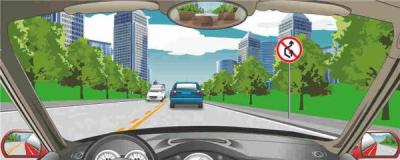
Answer:N
16、Motor vehicles are prohibited from driving straight or turning left in this situation.
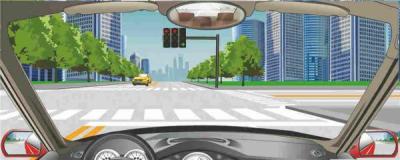
Answer:Y
17、Sideslip happens most easily on which one of the following road surfaces?
A、Dry concrete road
B、Road surface at the beginning of rain
C、Damp concrete road surface
D、Road in heavy rain
Answer:B
18、Under such circumstances, the motor vehicle driver should voluntarily reduce speed and let the vehicle behind overtake.
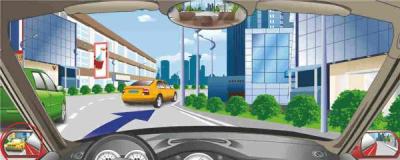
Answer:Y
19、Under such circumstances, what should be done by the motor vehicle driver?
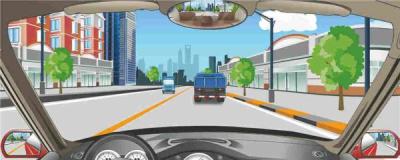
A、Overtaking the vehicle in front on its left
B、Overtaking by occupying the opposite lane
C、Overtaking the vehicle in front on its right
D、Following the vehicle in front
Answer:D
20、When such circumstances happen suddenly, what should the driver do?
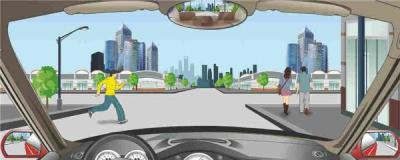
A、Reduce speed or stop to yield
B、Bypass in front of the pedestrians
C、Continuously sound the horn to alert the pedestrians
D、Bypass from behind the pedestrians
Answer:A
21、What should a driver do before entering a tunnel on an expressway
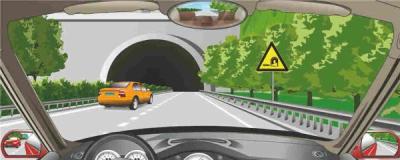
A、Turn on the high-beam
B、Turn on the width lamp and the tail lamp
C、Turn on the low-beam
D、Sound the horn before entering the tunnel
Answer:C
22、The sign on the right indicates a T-shaped intersection head.
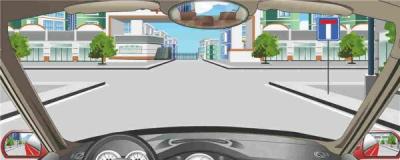
Answer:N
23、When such circumstances happen suddenly, drivers should reduce speed in a timely fashion or stop to yield.
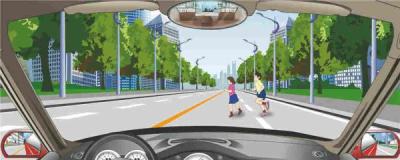
Answer:Y
24、When the tire pressure is too low, what can happen when driving at a high speed?
A、Tire pressure will be unstable
B、Tire pressure will increase
C、Driving resistance will decrease
D、The tire will burst
Answer:D
25、Drivers are not allowed to cross these lane-dividing lines when overtaking in the same direction.
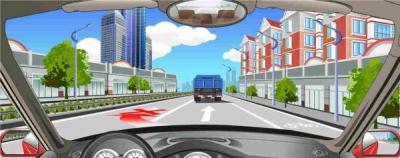
Answer:Y
26、Under such circumstances, what should be done bY motor vehicle drivers in order to yield to the pedestrians politely?
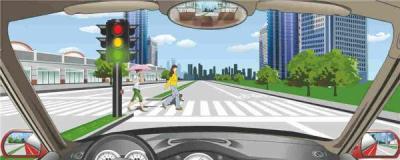
A、Set off after pedestrians pass
B、Set off and bypass in front of the pedestrians
C、Sound the horn to warn the pedestrians to yield
D、Set off and approach the pedestrians slowly
Answer:A
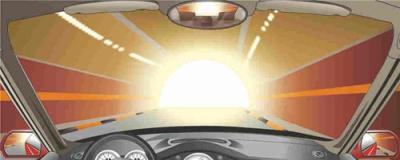
27、The motor vehicle should slow down and pass slowly in this situation.
Answer:Y
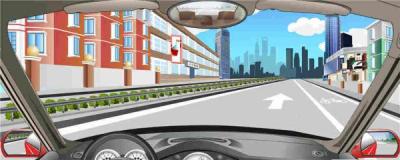
28、The white solid line on the right side of the road indicates the boundary of a driving lane and crosswalk.
Answer:N
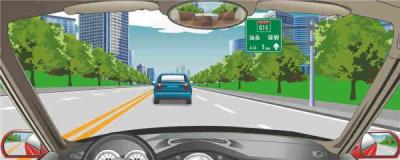
29、The sign in front indicates a one-kilometer distance from the highway entry.
Answer:Y
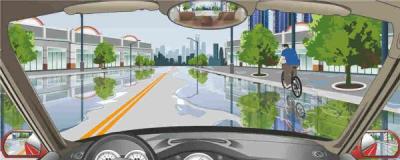
30、The motor vehicle should speed up and pass rapidly under this situation.
Answer:N
31、This sign warns to bypass from the left side to avoid the roadblock.
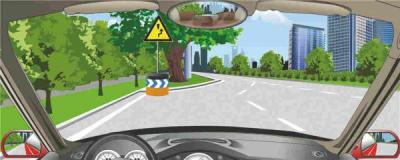
Answer:N
32、When encountering this situation at the gate of a school, the driver should prepare to stop.
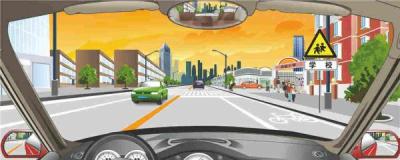
Answer:Y
33、Those traffic police signals mean turning right.
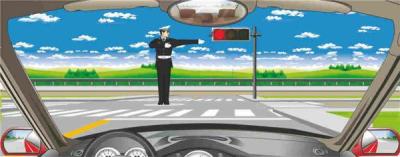
Answer:N
34、Under this circumstance, motor vehicle drivers should not reduce speed.
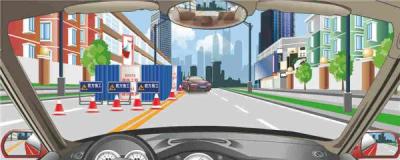
Answer:N
35、The sign on the right indicates a one-kilometer distance from the ETC toll station.
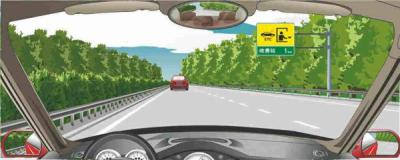
Answer:Y
36、Mr. Tang drove a large bus with 74 passengers (capacity 30 people). When descending a long curving slope at a speed of 38 kilometers per hour, the bus overturned to a brook beside the road. As a result of the accident, 17 people were killed and 57 people injured. What's the main illegal act committed by Mr. Tang?
A、Driving after drinking
B、Carrying more passengers than permitted
C、Fatigued driving
D、Speeding
Answer:BD
37、What caused this drivers death in an accident?
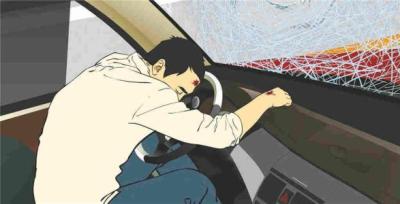
A、Failing to fasten seatbelt
B、Positioned too close to the steering wheel
C、Failing to hold the steering wheel
D、Failing to turn on SRS
Answer:A
38、Which is the wrong measure to avoid tire burst?
A、Reduce tire pressure
B、Check tires regularly
C、Remove foreign matters from the tire tread grooves timely
D、Replace tires that have cracks or deep cuts
Answer:A
39、When driving, besides paying attention to keeping a safe distance from the vehicle in front, drivers should also be prudent when braking so as to avoid a rear-end collision caused by a vehicle behind.
Answer:Y
40、Motor vehicles drivers may overtake by borrowing the opposite lane on this kind of road.
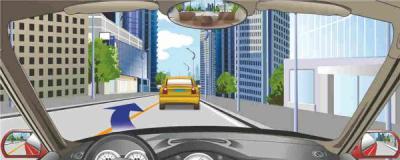
Answer:N
41、Which one of the following measures is correct when a motor vehicle intends to overtake but the vehicle infront refuses to yield?
A、Use a long-sounding horn
B、Follow the vehicle in front while turning high-beam
C、Wait for it to yield while keeping a safe distance
D、Use high-beam and low-beam alternatively
Answer:C
42、When a motor vehicle passes over an inundated road drivers should change to a high gear and pass rapidly.
Answer:N
43、As shown in this picture, the vehicles intending to turn left are not allowed to drive into left-turn waiting area directly to wait for green light.
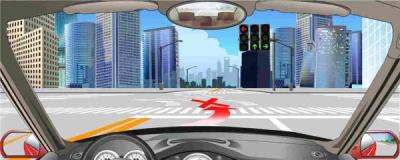
Answer:N
44、When parking for a long time on a downward slope due to breakdown on the road, drivers should use this method to stop up wheels.
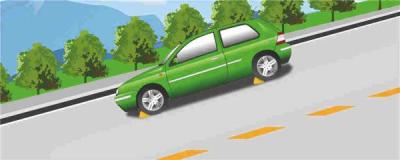
Answer:Y
45、In such circumstances, which one of the following statements is the safest measure for a motor vehicle driver to take?
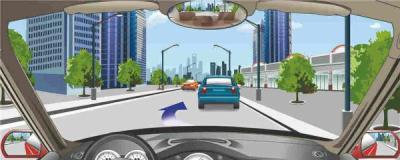
A、Accelerate to overtake the vehicle in front as soon as possibl
B、Voluntarily reduce speed and refrain from overtaking
C、Sound the horn to warn the vehicle in front to yield
D、Turn on the headlamp to warn the oncoming vehicle to yield
Answer:B
46、Motor vehicle drivers are allowed to overtake as long as there are no oncoming vehicles.
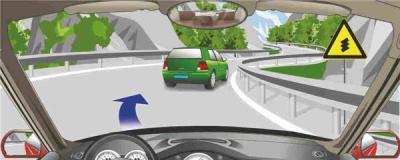
Answer:N
47、Driving and smoking has no negative effect on safe driving
Answer:N
48、The sign on the right indicates a passing bay ahead.
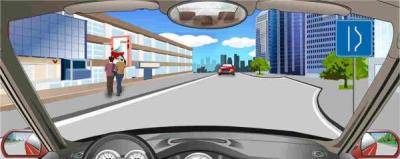
Answer:Y
49、What should motor vehicle drivers do when going straight and passing through the intersection ahead?
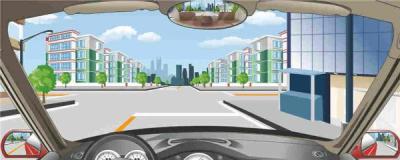
A、Reduce speed when approaching the intersection
B、Reduce speed after entering the intersection
C、May pass through the intersection without speed reduction
D、Accelerate in advance to pass through the intersection
Answer:A
50、When a motor vehicle breaks down on an expressway and cannot be moved away from the driving lane, the driver may conduct emergency repairs on the driving lane.
Answer:N
- 云南英文驾考科目四题库PDF电子版 相关内容
- 外国人驾照考试题库下载安装手机版 山东2025科目四英文版 湖南外国人考科目一 英文 西藏驾考英语版书 河北2025科目四考试英文 宁夏英文考驾照用语 黑龙江驾照考试科目一英文版 广东驾考科目三英文 广西驾校考试英文版 浙江驾照考试科目四英文版 北京驾考科目三英文 湖南英文驾考书 西藏英文考驾照用语 贵州驾考英文版题库 安徽科目四考试英文版 海南英文驾考PDF题库
Copyright © 2025 驾考 版权所有