
- 科目一考试
- 顺序练习
- 随机练习
- 强化练习
- 模拟考试
- 科目四考试
- 顺序练习
- 随机练习
- 强化练习
- 模拟考试
- 外国语言版题库
- 英语题库
- 德语题库
- 韩语题库
- 日语题库
- 俄语题库
- 法语题库
- 西班牙语题库
- 阿拉伯语题库
- 摩托车英文题
甘肃驾照科目四英文版题库
-
1、When a bus encounters an unexpected situation or an accident, the driver should do his best to minimize the loss and should never cause a secondary accident or even greater loss for the sake of avoiding danger.
Answer:Y
2、When encountering this situation, which of the following is the correct way to overtake other vehicles?
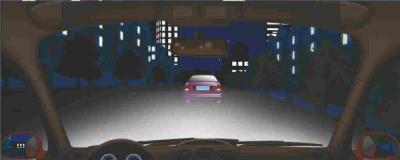
A、Turn on high-beam
B、Use high-beam and low-beam alternatively
C、Turn on low-beam
D、Turning on hazard lamp
Answer:D
3、Under such circumstances, motor vehicle drivers should stop and yield
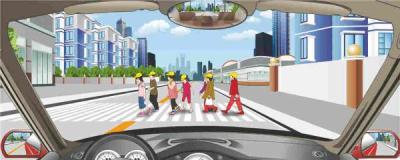
Answer:Y
4、When there is a sudden braking failure on a downhill road, in which ones of the following ways can drivers reduce speed?
A、Driving onto the emergency lane and reduce speed and stop there
B、Rubbing the vehicle body against the rocks or trees on roadside
C、Pulling up the handbrake first
D、Immediately changing to a low gear
Answer:ABD
5、What should a motor vehicle driver do to ensure safety when experiencing a breakdown at night?
A、Park in a safe place
B、Turn on hazard lamp
C、Turn on clearance lamp and tail lamp
D、Set up a warning sign in accordance with regulation
Answer:ABCD
6、How should the driver use vehicle lights when the motor vehicle enters this intersection?
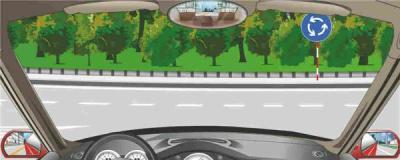
A、Turn on the right-turn indicator
B、Turn on the hazard lamps
C、No need to turn on any indicators
D、Turn on the left indicator
Answer:C
7、In which ones of the following ways can motor vehicle drivers effectively prevent braking failure?
A、Maintaining the braking system periodically
B、Checking the free brake pedal travel before driving
C、Using the braking system correctly to avoid brake-fade
D、For vehicles with hydraulic braking system, checking if the brake fluid leaks before driving
Answer:ABCD
8、As shown in the flash, the motor vehicle chooses a correct way to pass through the level crossing.
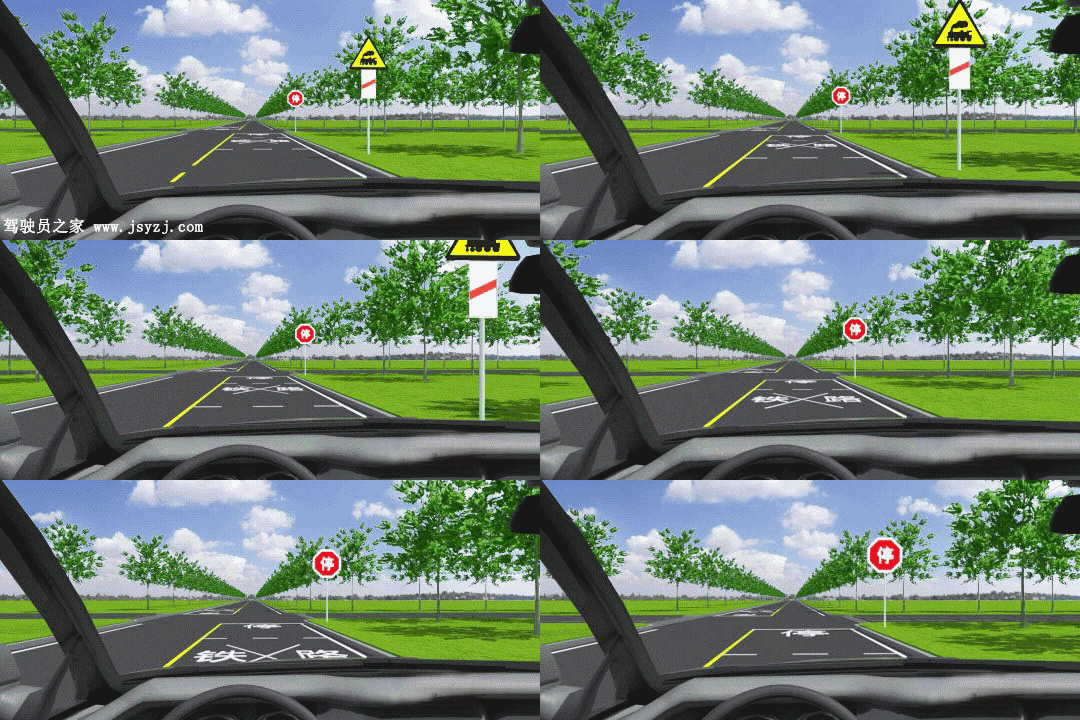
Answer:Y
9、When going straight or turning right, drivers are not allowed to drive on or across the guide lines on both sides of the intersection.
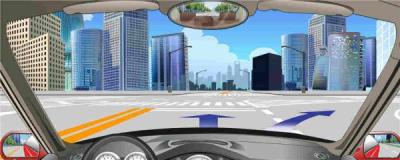
Answer:Y
10、When driving on a damp and slippery road, drivers should avoid using the emergency brake to his/her best ability.
Answer:Y
11、These traffic police signals indicate that passing is prohibited.
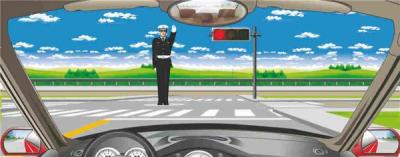
Answer:Y
12、When encountering a vehicle in front ascending on a mountainous road covered with ice and snow, what should the motor vehicle driver do?
A、Ascend after the vehicle in front passes the slope
B、Overtake the vehicle in front swiftly and drive on
C、Overtake the vehicle in front with a slow speed and drive on
D、Follow the vehicle in front closely
Answer:A
13、If a motor vehicle experiences a "water sliding" phenomenon when running on an expressway in rain, what should the driver do?
A、Slow down by suddenly depressing the brake pedal
B、Slow down by slowly releasing the accelerator pedal
C、Turn the steering wheel immediately to adjust the direction
D、Speed up to increase the displacement of the wheels
Answer:B
14、What should the driver do to follow other motor vehicles on a mountain road?
A、Closely follow the vehicle in front
B、Increase the safety distance
C、Reduce the vertical distance between vehicles
D、Try to overtake the vehicle in front as soon as possible
Answer:B
15、Which of the following measures should be taken first when rescuing a wounded person suffering blood loss?
A、Observe
B、Dress the wounds
C、Stop bleeding
D、Inquire
Answer:C
16、Which of the following acts are prohibited when passing through a tunnel?
A、Overtaking
B、Stopping
C、Making a U-turn
D、Reversing
Answer:ABCD
17、It is not safe for a female driver to wear high heels to drive a vehicle.
Answer:Y
18、When a motor vehicle falls into water and the side door cannot be opened, which of the following methods is correct for self-rescue?
A、Smash the window glass
B、Close the windows
C、Make calls for help
D、Try to open the door with a tool
Answer:A
19、When encountering a road like this, motor vehicle drivers should downshift in advance to maintain the dynamic of the motor vehicle.
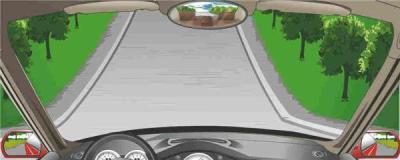
Answer:Y
20、Under such circumstance at an intersection. motor vehicle drivers should be prepared to stop and yieldat any time.
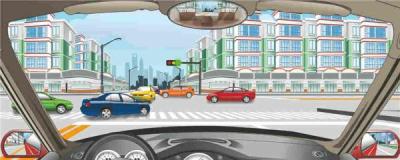
Answer:Y
21、What needs attention when a motor vehicle drives on a road covered with ice and snow?
A、Braking length is extended
B、Anti-skating resistance will be greater
C、The adhesive force of the road will be greater
D、The braking length will be shorter
Answer:A
22、When driving on a muddy road, what should drivers do if the wheels spin and slide?
A、Cover the ground under the wheels with gravels
B、Change to a high gear and speed out
C、Cover the ground under the driving wheels with gravels
D、Violently turn the steering wheel and suddenly leed up
Answer:C
23、When a motor vehicle leaves an expressway, which of the following lamp should be turned on?
A、The left-turn indicator
B、The right-turn indicator
C、The hazard warning lamp
D、The headlamp
Answer:B
24、Under such circumstances, what should motor vehicle drivers do?
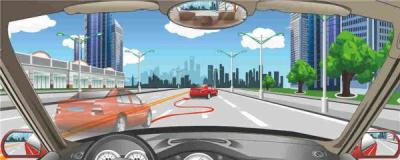
A、Overtake the vehicle quickly on its left
B、Keep a long braking space
C、Continuously sound the horn to alert the vehicle in front
D、Overtake the vehicle quickly from its right
Answer:B
25、This sign warns to bypass from either side to avoid roadblock.
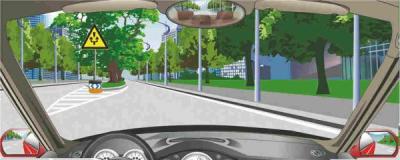
Answer:Y
26、Under this circumstance, motor vehicle drivers should not reduce speed.
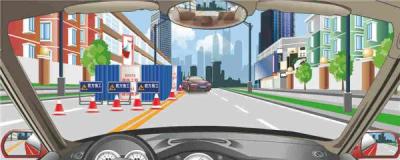
Answer:N
27、A motor vehicle should not obstruct other vehicles when it enters the driving lane from an acceleration lane.
Answer:Y
28、When driving, besides paying attention to keeping a safe distance from the vehicle in front, drivers should also be prudent when braking so as to avoid a rear-end collision caused by a vehicle behind.
Answer:Y
29、The sign on the right indicates to stop and yield for oncoming vehicles approaching on the road ahead.
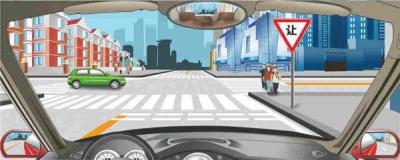
Answer:N
30、When driving on a muddy road, what should the driver do?
A、Try to avoid using the foot brake
B、Drive slowly in mid or low gear
C、Firmly hold the steering wheel
D、Speed up and pass through
Answer:ABC
31、What should the driver do when seeing these hand signals.
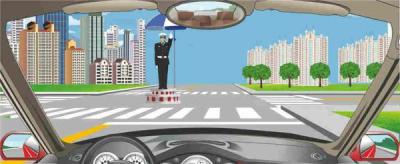
A、Stop and wait
B、Go straight and pass through the intersection
C、Turn right at the intersection
D、Turn left at the intersection
Answer:A
32、The sign on the right side indicates no entry for all vehicles.
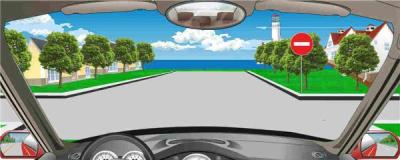
Answer:Y
33、How to run when encountering this situation at the intersection?
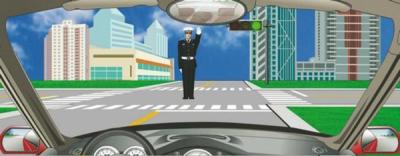
A、stop and wait
B、obey the traffic lights
C、run straight on the right side
D、may turn right
Answer:A
34、The guide arrow on the road surface of this lane indicates that drivers are only permitted to continue straight at the intersection ahead.
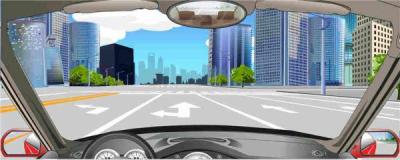
Answer:N
35、Motor vehicles are prohibited from turning left in this situation.
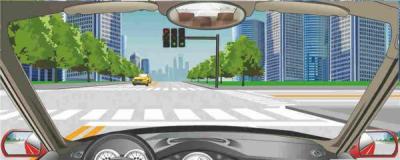
Answer:Y
36、When a motor vehicle encounters this situation at a crosswalk, the driver must slow down and pass slowly.
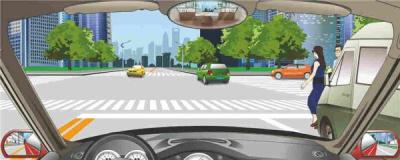
Answer:N
37、Which one of the following vehicle types is not allowed to pass, as indicated by the right-hand sign?
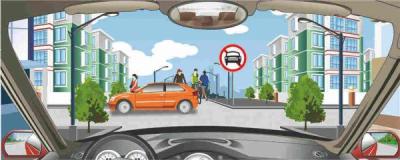
A、Large trucks
B、Large buses
C、Motor vehicles of all kinds
D、Small vans
Answer:C
38、The sign on the right warns of a bumpy road ahead.
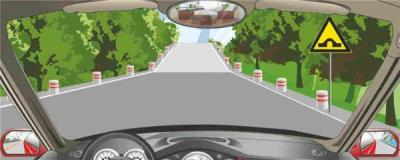
Answer:N
39、When two vehicles approach each other on a foggy day, what is the best method of safe driving?
A、Turn on the high-beam
B、Slowdown and maintain a large safety distance
C、Turn on the low-beam
D、Turn on the fog lamp
Answer:B
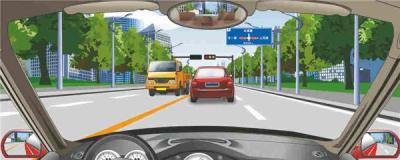
40、The sign in front indicates the allocation of roads ahead.
Answer:N
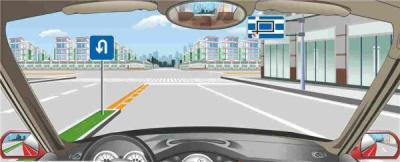
41、The sign on the right indicates a left-turn bypass route at the intersection ahead.
Answer:Y
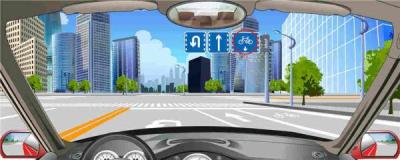
42、The sign in the red circle indicates that vehicles except non-motor vehicles are not allowed to drive in this lane.
Answer:Y
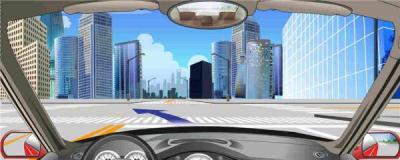
43、As shown in this picture, the intersection guide line is designed to help drivers make turns.
Answer:Y
44、When passing this mountainous road, motor vehicle drivers should drive along the center of the road.
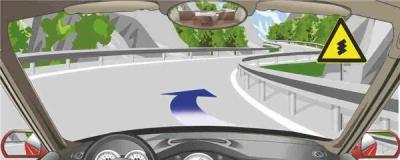
Answer:N
45、When driving on a road covered with ice and snow, drivers tend to encounter glare caused by reflection of light rays from the road surface.
Answer:Y
46、Which of the following is a safe way for motor vehicles to pass the intersection marked with this sign?
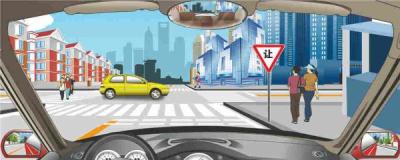
A、Stop and observe the traffic situation around the intersection
B、Approach the intersection by speeding up
C、Observe the traffic situation on the left rear side
D、Approach the intersection at a reduced speed
Answer:D
47、When there is bleeding at the bone fracture of a wounded person, the first thing to do is to fix the wounded part in position, then stop the bleeding and dress the wound.
Answer:N
48、As shown in this flash, what should the motor vehicle driver do when encounters this situation?
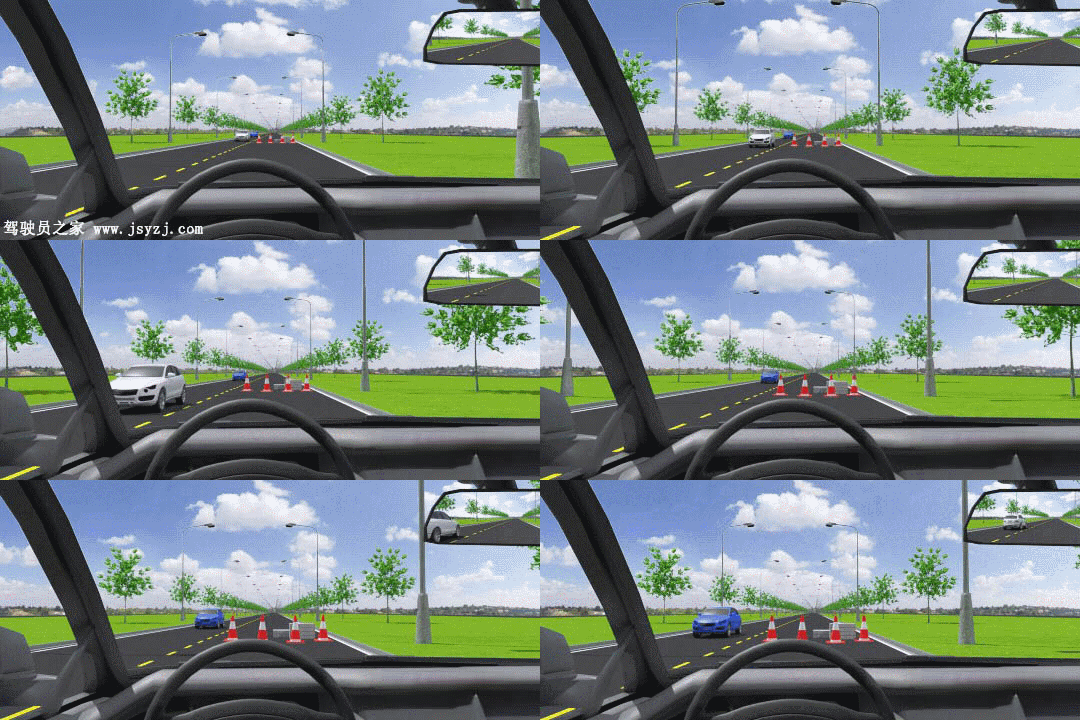
A、Use the mergency brake
B、Turn sharply and pass rapidly
C、Slide over rapidly without encountering collision
D、Stop smoothly
Answer:D
49、When driving on an expressway, which of the following statements is correct?
A、Drives may overtake on either the ramp, the acceleration lane or the deceleration lane
B、Drives are prohibited from reversing, driving in the opposite direction or making a U turn by crossing the central dividing strip
C、Drivers may drive on the emergency lane in a non-emergency case
D、Drives may test a motor vehicle or learn to drive
Answer:B
50、Under such circumstances at an intersection. what should motor vehicle drivers do?
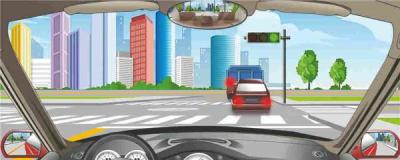
A、Drive into the intersection and wait
B、Wait in front of the intersection stop-line
C、Pass through in the right non-motor vehicle lane
D、Pass through the intersection by borrowing the opposite lane
Answer:B
- 甘肃驾照科目四英文版题库 相关内容
- 陕西只认识英文可以考科目四吗 广西英文驾考书 上海驾校一点科目一英文版 河北考驾照科目四有英文版 湖北考驾照科目四有英文版 山西外国人考驾照英文模拟试题 江苏英文驾考科目四app 甘肃考驾照科目一有英文版 吉林英文驾考app 老外学车软件叫什么 湖南外国人考科目四 英文 福建驾考科目一英语版PDF题库 河南科目一英文版模拟 广东驾考英语版题库book 新疆考驾照科目一有英文版 山西科目四英文版
Copyright © 2025 驾考 版权所有