
- 科目一考试
- 顺序练习
- 随机练习
- 强化练习
- 模拟考试
- 科目四考试
- 顺序练习
- 随机练习
- 强化练习
- 模拟考试
- 外国语言版题库
- 英语题库
- 德语题库
- 韩语题库
- 日语题库
- 俄语题库
- 法语题库
- 西班牙语题库
- 阿拉伯语题库
- 摩托车英文题
福建英文驾考科目四题库PDF电子版
-
1、As shown in the flash, the driver's act is correct.
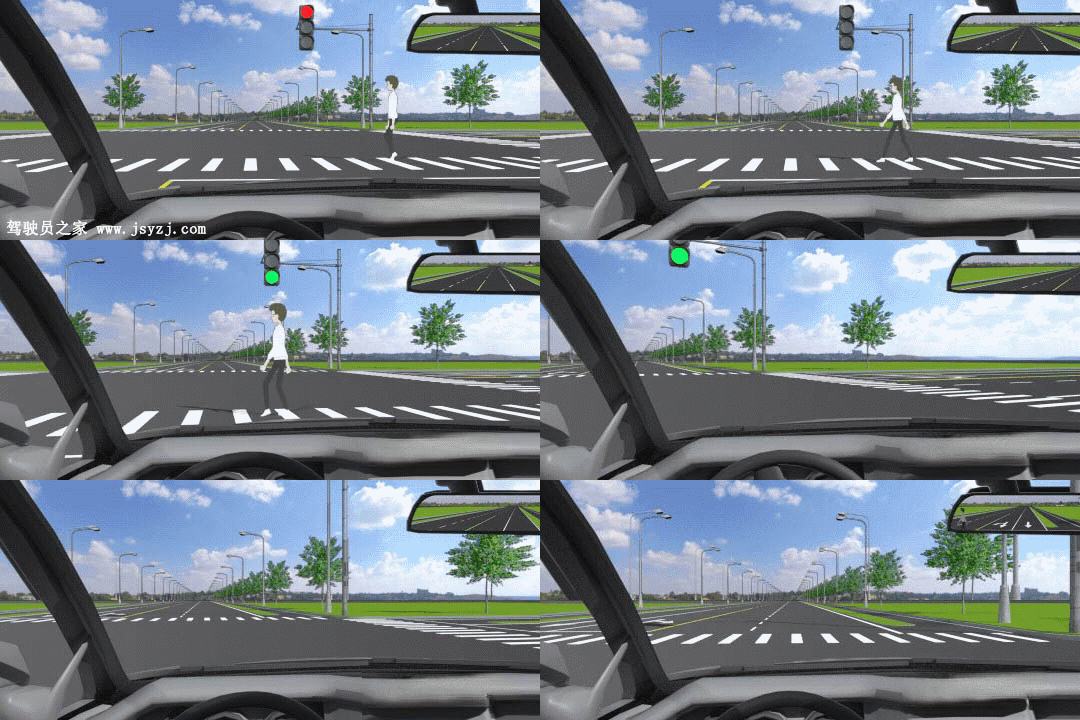
Answer:N
2、The sign on the right warns that the road will narrow over the next 5 kilometers.
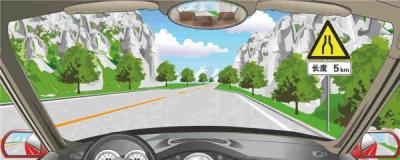
Answer:Y
3、A driver should speed up when passing through road sections with this traffic marking.
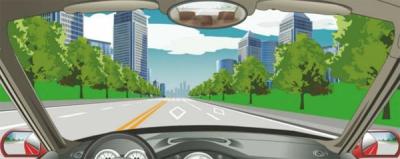
Answer:N
4、How to reduce speed or stop when driving on a road covered with snow and ice?
A、Take full advantage of driving brake
B、Take full advantage of the control power from engine
C、Take full advantage of parking brake
D、Take full advantage of speed retarder
Answer:B
5、The motor vehicle equipped with ABS may sideslip during an emergency brake.
Answer:Y
6、Which of the following method is correct to rescue an unconscious person?
A、Apply cardio-pulmonaryresuscitation immediately
B、Press the philtrum of the wounded person with force
C、Continuously slap the face of the wounded person
D、Check the breath of the wounded person before other emergency treatments
Answer:D
7、When a motor vehicle passes over an overflowing bridge, what should the driver do after stopping and observing closely?
A、Change to a high gear and pass rapidly
B、Constantly observe the changes of the flow
C、Prepare to stop at any time
D、Change to a low gear and pass through at a constant speed
Answer:D
8、When finding a tire burst on the road, the driver should gently depress the brake pedal, reduce speed and stop the vehicle slowly.
Answer:Y
9、Motor vehicle drivers may borrow a special lane for other vehicle types, if one exists, to overtake.
Answer:N
10、What should a driver do before entering a tunnel on an expressway
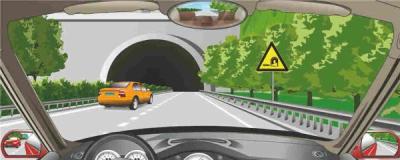
A、Turn on the high-beam
B、Turn on the width lamp and the tail lamp
C、Turn on the low-beam
D、Sound the horn before entering the tunnel
Answer:C
11、Two parallel broken double-yellow lines indicate the position of a diversion lane.
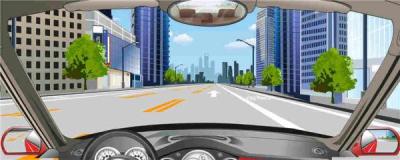
Answer:Y
12、Those traffic police signals mean turning right.
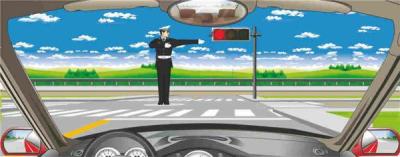
Answer:N
13、The sign on the right warns of a road section ahead under construction.
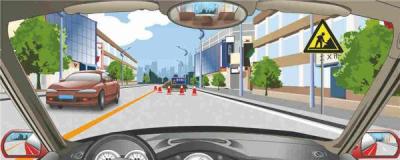
Answer:Y
14、Where is the proper parking place for motor vehicles driving on an expressway?
A、On the expressway ramp
B、In the acceleration lane
C、In the deceleration lane
D、In a service area
Answer:D
15、When a motor vehicle reaches a muddy or burst-and-muddy section of the road, the driver should stop, observe and select a level and solid section or a section with vehicle tracks.
Answer:Y
16、Mr. Zhao (with an A2 driving license) drove a large sleeper coach on the No. 219 National Road in Yecheng County. When passing a curve at the spot of 226 kilometers mark by 215 meters on the road, the coach fell into the ravine on one side, killing16 people and injuring 26. What's the main illegal act committed by Mr Zhao?
A、Carrying more passengers than permitted
B、Driving a motor vehicle having failed to accept inspection in time
C、Driving an unpermitted vehicle type
D、Fatigued driving
Answer:C
17、When a bus encounters an unexpected situation or an accident, the driver should do his best to minimize the loss and should never cause a secondary accident or even greater loss for the sake of avoiding danger.
Answer:Y
18、When driving on an expressway, where should the driver park?
A、The service area
B、The acceleration lane
C、The deceleration lane
D、On the ramp
Answer:A
19、What should the driver do when the motor vehicle passes a flyover?
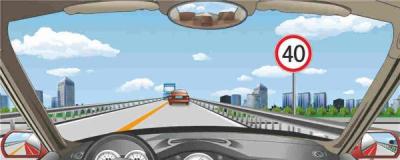
A、Speed up and pass rapidly
B、Keep the speed under 15 km/hour
C、Drive at the speed indicated by the traffic sign
D、Drive close to the central line of the flyover
Answer:C
20、Before making a U-turn at the intersection ahead, motor vehicle drivers should drive to the lane for turning left and going straight.
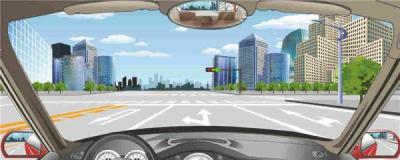
Answer:N
21、The sign on the right side indicates no entry for all vehicles.
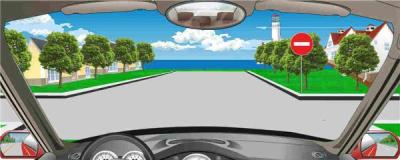
Answer:Y
22、The sign in front is an advance announcement of the directions led by the interchange.
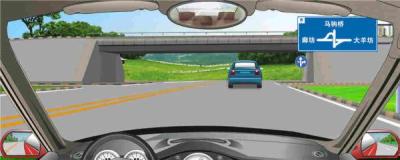
Answer:Y
23、What should motor vehicle drivers do under the circumstance shown in the flash?

A、Drive by borrowing the opposite lane
B、Brake suddenly and pass through at a lower speed
C、Drive by the outer side of the curve
D、Reduce speed fully and drive by the right side
Answer:D
24、What matters need attention when driving on a rainy day?
A、Avoid using the emergency brake or making sharp turns
B、Keep a safe enough distance
C、Observe the traffic situation of non-motor vehicles and surrounding pedestrians
D、Drive at a safe speed
Answer:ABCD
25、When two vehicles approach each other on a foggy day, what is the best method of safe driving?
A、Turn on the high-beam
B、Slowdown and maintain a large safety distance
C、Turn on the low-beam
D、Turn on the fog lamp
Answer:B
26、The sign on the right indicates the location of the highway emergency phone.
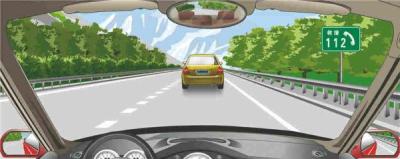
Answer:N
27、When the vehicle engine catches fire, what should the driver do first?
A、Turn off the engine as soon as possible
B、Extinguish the fire with water
C、Open the hood to extinguish the fire
D、Extinguish the fire from the leeward direction
Answer:A
28、When a bicycle occupies the motor vehicle lane and obstructs the traffic, the driver should sound the horncontinuously and speed up to bypass on the left of the bicycle.
Answer:N
29、What should the driver do if he/she wants to turn right at this intersection?
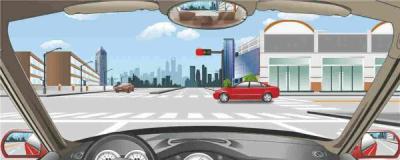
A、Turn right along the straight-going lane
B、Wait behind the stop line
C、Turn right along the right lane
D、Borrow the non-motor vehicle lane and turn right
Answer:C
30、When a tire suddenly bursts on the road, what should not be done by the driver?
A、Keep calm and release the accelerator pedal slowly
B、Hold the steering wheel firmly to ensure the vehicle goes straight
C、Apply emergency braking and stop the vehicle in the shortest possible time
D、Gently depress the brake pedal after the vehicle slows down
Answer:C
31、What should motor vehicle drivers do under such circumstances at night?
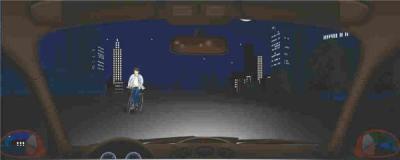
A、Turn off the headlamp when approaching
B、Use low-beam
C、Use high-beam
D、Turn off all lamps in advance
Answer:B
32、The sign on the right warns of a guarded railway intersection ahead.
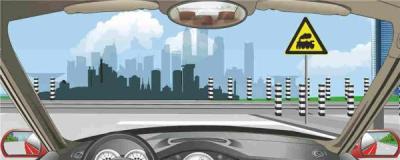
Answer:N
33、How will the adhesive force of road change when speed increases on a damp and slippery road?
A、Increase sharply
B、increase gradually
C、decrease sharply
D、No change
Answer:C
34、What is the function of ABS during emergency braking?
A、Shortening the braking distance
B、Keeping steering capacity of the motor vehicle
C、Relief the braking inertia
D、Controlling directions automatically
Answer:B
35、The sign in front indicates that vehicles except large passenger vehicles are not allowed to drive on the right lane.
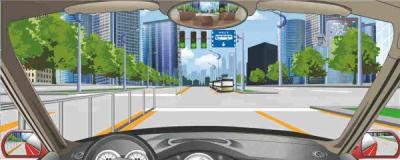
Answer:N
36、The driver should turn on the left-turn indicator after entering the acceleration lane on an expressway.
Answer:N
37、The driver should speed up to 40 kilometers per hour when he/she sees this traffic sign.
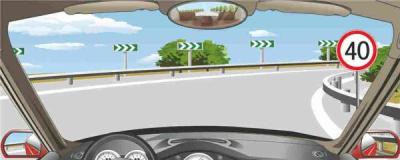
Answer:N
38、When rescuing a wounded person suffering blood loss in an emergency, it is necessary to first stop the bleeding by compression before other treatments are taken in accordance with the conditions of bleeding.
Answer:Y
39、What's the emergency measure to deal with a sudden tire burst on the road?
A、Swiftly braking to slow down
B、Firmly hold the steering wheel and steadily stop the vehicle as early as possible
C、Swiftly turn the steering wheel to adjust the direction
D、Go ahead at a low speed and find a place for tire change
Answer:B
40、What should a driver do when the engine stalls suddenly on the road?
A、Apply emergency braking to stop the vehicle
B、Slow down and stop the vehicle
C、Change to neutral gear and coast
D、Shut down the ignition switch
Answer:B
41、The guide arrow on the road surface of this lane indicates that drivers are only permitted to continue straight at the intersection ahead.
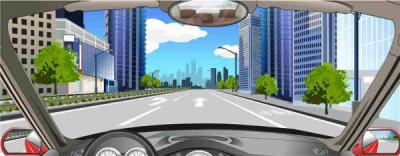
Answer:Y
42、When a motor vehicle temporarily stops in fog, which lamp should be turned on?
A、Hazard lamp, clearance lamp and rear position lamp
B、Left-turn indicator, clearance lamp and rear position amp
C、Headlamp, clearance lamp and rear position lamp
D、Reverse lamp, clearance lamp and rear position lamp
Answer:A
43、The sign on the right indicates an inspection station 100 meters ahead.
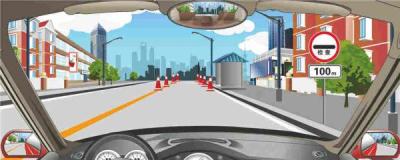
Answer:Y
44、A motor vehicle should slow down and stop at this level crossing.
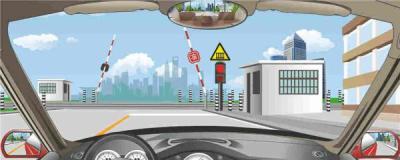
Answer:Y
45、When approaching each other at night in this situation, drivers should watch for the danger where the two motor vehicles headlamps meet(the sight dead zone).
Answer:Y
46、How should the driver pass this place safely?
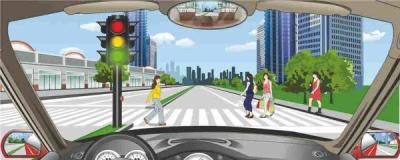
A、Speed up and pass in the front of the pedestrians
B、Bypass behind the pedestrians
C、Slow down and sound the horn
D、Stop and wait until the pedestrians pass
Answer:D
47、The driver may turn right directly at this intersection.
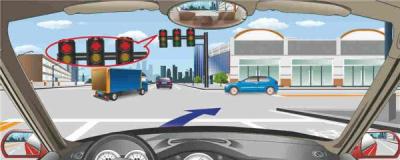
Answer:N
48、When a motor vehicle deviates from the normal direction due to steering failure and an accident is unavoidable, what should the driver do?
A、Apply emergency brake
B、Immediately steer and adjust
C、Immediately steer to the side where there is no obstacle and evade
D、Immediately steer to the side where there is an obstacle and evade
Answer:A
49、When encountering this situation at the gate of a school, the driver should prepare to stop.
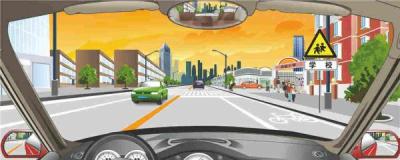
Answer:Y
50、When braking, the steering will become impossible if the front wheels are blocked
Answer:Y
- 福建英文驾考科目四题库PDF电子版 相关内容
- 外国人学车本去哪里 浙江科目一有英文版吗 辽宁英文驾考科目四app 北京科目四有英文版吗 四川科目四英文版 山西2025驾考英文题库 西藏英文驾考科目四题库PDF电子版 外国考驾驶证难吗 辽宁驾照科目四英文版题库 上海驾考英文版题库 浙江英文版驾考 驾照考试科目一英文版 山东驾照考试科目一英文版 辽宁驾考英文版题库
Copyright © 2025 驾考 版权所有