
- 科目一考试
- 顺序练习
- 随机练习
- 强化练习
- 模拟考试
- 科目四考试
- 顺序练习
- 随机练习
- 强化练习
- 模拟考试
- 外国语言版题库
- 英语题库
- 德语题库
- 韩语题库
- 日语题库
- 俄语题库
- 法语题库
- 西班牙语题库
- 阿拉伯语题库
- 摩托车英文题
广东驾考科目四英语版PDF
-
1、What kind of harmful effect will be brought about by continuously using the foot brake on a long downhill road?
A、Shorten the engine's service life
B、Make the driver feel tired
C、Easily cause the vehicle to overturn
D、Reduce the braking efficiency
Answer:D
2、The sign on the right warns of a continuous downhill section ahead.
Answer:N
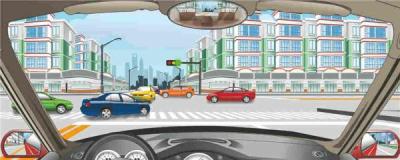
3、Under such circumstance at an intersection. motor vehicle drivers should be prepared to stop and yieldat any time.
Answer:Y
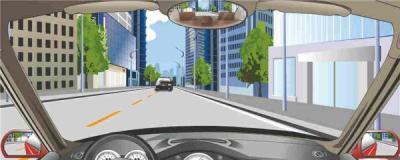
4、When encountering such a situation, motor vehicle drivers should take the left lane.
Answer:N
5、When encountering this situation, which of the following is the correct way to overtake other vehicles?
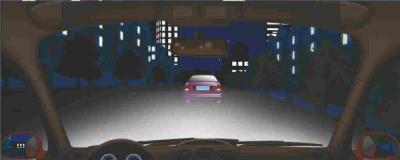
A、Turn on high-beam
B、Use high-beam and low-beam alternatively
C、Turn on low-beam
D、Turning on hazard lamp
Answer:D
6、Which one of the following is the safest way when driving a motor vehicle on this road?
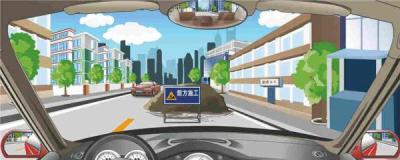
A、Speed up and bypass the obstacle
B、Take the opposite lane and compel the other vehicle to yield
C、Stop and yield to the oncoming vehicle
D、Sound the horn or turn on the headlamp
Answer:C
7、What is the best way to make turns on this kind of curving mountain road?
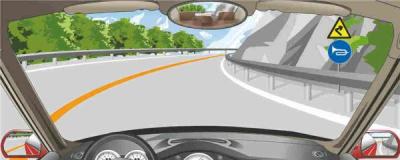
A、Drive along the outer side of the curve
B、Slow down, sound the horn and drive on the right
C、Borrow the opposite lane
D、Drive along the central line of the road
Answer:B
8、The sign in front indicates a one-kilometer distance from the highway entry.
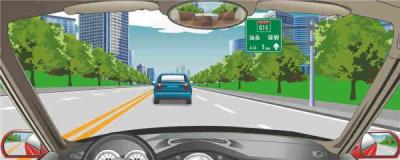
Answer:Y
9、Which one of the following statements is correct in this situation?
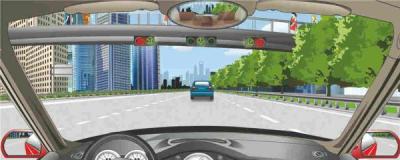
A、Vehicles are prohibited from passing in the lanes on either side
B、Move into the lane on either side at a reduced speed
C、Move into the lane on the right side
D、Move into the lane on either side at an increased speed
Answer:A
10、When there is a braking failure, the driver should first control the direction and then try to control the speed.
Answer:Y
11、The sign on the right indicates the location of the highway emergency phone.
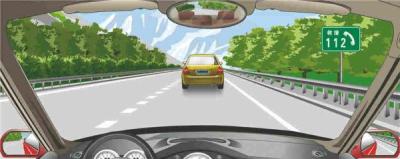
Answer:N
12、When a motor vehicle encounters thick fog on an expressway and the visibility is poor, the driver should immediately brake and stop.
Answer:N
13、As shown in this picture, the intersection guide line is designed to help drivers make turns.
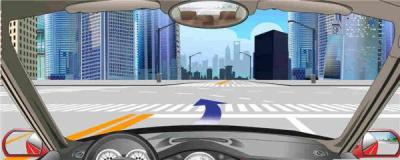
Answer:Y
14、What should be done when drivers evade an emergency on the highway?
A、Take braking measures to reduce speed
B、Yield by turning to the left side
C、Evade by swiftly turning the steering wheel
D、Yield by turning to the right side
Answer:A
15、The sign on the right indicates an inspection station 100 meters ahead.
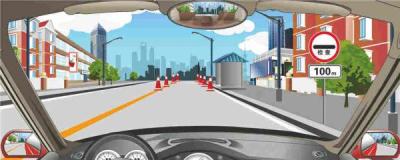
Answer:Y
16、Which of the following is a bad driving habit when the vehicle in front is moving slowly in a queue?
A、Cutting in and rushing to pass
B、Not overtaking other vehicles forcefully
C、Stop or pass alternatively
D、Do not occupy on a non-motor vehicle lane
Answer:A
17、Motor vehicle drivers should use the windscreen wiper when setting off on a rainy day
Answer:Y
18、The sign in front indicates an open-air parking lot with rest area is 200 meters ahead.
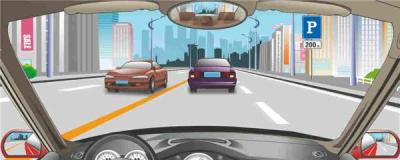
Answer:Y
19、Which one of following ways is the safest when driving a motor vehicle on this road?
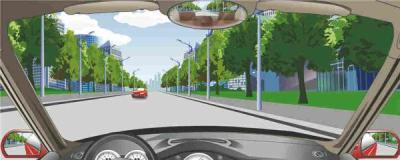
A、Driving along the central line of the road
B、Driving along the right side of the road
C、Driving at the middle of the road
D、Driving along the left side of the road
Answer:B
20、When passing this mountainous road, motor vehicle drivers should drive along the center of the road.
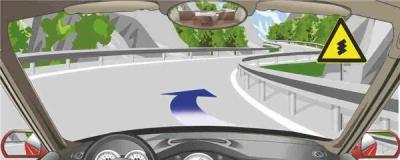
Answer:N
21、The sign on the right warns of a hump bridge right ahead.
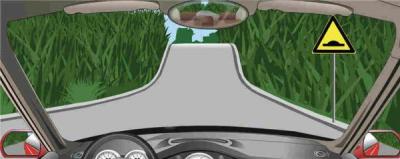
Answer:N
22、When encountering such a situation, the vehicles should cut speed or stop to yield as approaching each other.
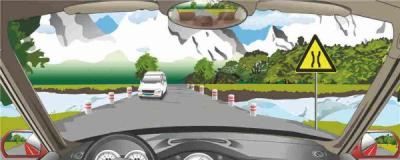
Answer:Y
23、After a tire bursts and before the driver can control the speed of the vehicle, he/she should not risk using the foot brake to stop the vehicle. Otherwise, a horizontal swing of the vehicle can cause greater danger.
Answer:Y
24、When leaving an expressway, drivers should enter the ramp after slowing down in the deceleration lane.
Answer:Y
25、When driving on this section of the road, drivers should observe closely and prepare to yield to the animals crossing the road.
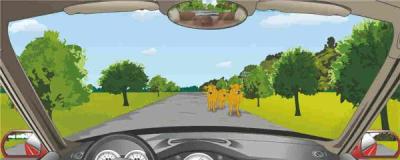
Answer:Y
26、The main reason for this accident is that the pedestrian crossed the street in front of the motor vehicle.
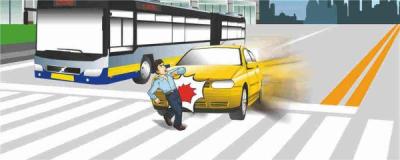
Answer:N
27、What should a driver do when the engine stalls suddenly on the road?
A、Apply emergency braking to stop the vehicle
B、Slow down and stop the vehicle
C、Change to neutral gear and coast
D、Shut down the ignition switch
Answer:B
28、The sign in front indicates the name and number of the highway.
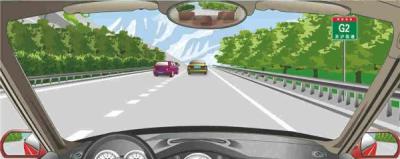
Answer:Y
29、The sign on the right warns of an unguarded railway crossing 150 meters ahead.
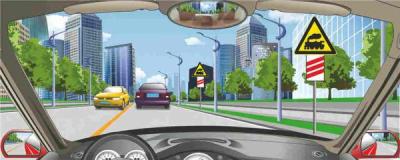
Answer:Y
30、Under such circumstances, what should be done bY motor vehicle drivers in order to yield to the pedestrians politely?
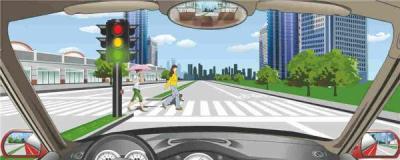
A、Set off after pedestrians pass
B、Set off and bypass in front of the pedestrians
C、Sound the horn to warn the pedestrians to yield
D、Set off and approach the pedestrians slowly
Answer:A
31、The sign in front is an advance announcement of famous places and distances en route.
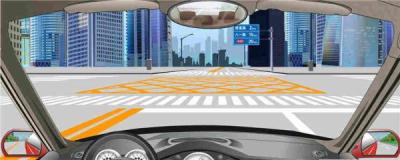
Answer:Y
32、When the tire pressure is too low, what will happen if the tire changes its shape in waves and increases in temperature due to fast movement?
A、Unstable tire pressure
B、Even lower tire pressure
C、Driving resistance increases
D、Tire burst
Answer:D
33、What should be done to keep safe when a motor vehicle driver is overtaking in this condition?
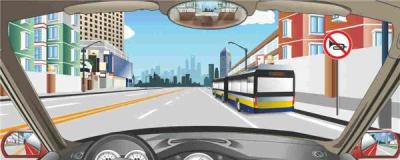
A、Reducing speed and keeping a safe distance
B、Continuously sounding the horn to indicate the vehicle in front
C、Accelerating to pass while keeping a certain distance
D、Overtaking by occupying the opposite lane
Answer:A
34、The sign on the right warns of traffic signals ahead.
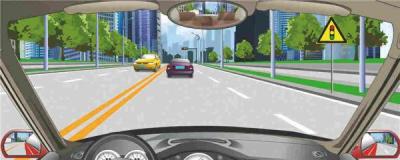
Answer:Y
35、The sign in front gives information about the direction of road exits.
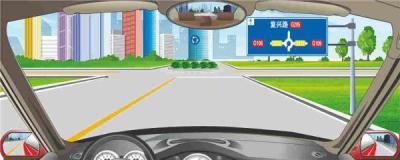
Answer:Y
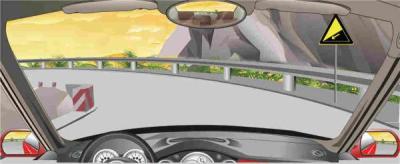
36、The sign on the right warns of a danger from rockfall on the left side.
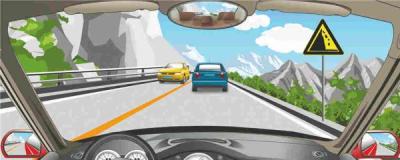
Answer:Y
37、When a motor vehicle encounters an emergency on an expressway, the driver should not swiftly turn the steering wheel to evade.
Answer:Y
38、The guide arrow on the road surface of this lane indicates that only U-turns are permitted at the intersection ahead.
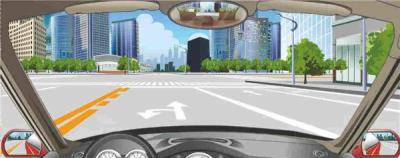
Answer:N
39、When the vehicle engine catches fire, what should the driver do first?
A、Turn off the engine as soon as possible
B、Extinguish the fire with water
C、Open the hood to extinguish the fire
D、Extinguish the fire from the leeward direction
Answer:A
40、When a tire suddenly bursts on the road, the driver should violently depress the brake pedal to reduce speed and stop the vehicle.
Answer:N
41、Having driven his truck at 90km/hour on an urban road without road lamps, Mr. Zhou is passing a narrow road using the high-beam and cutting off the way of an oncoming passenger car that runs into the right guardrail as a consequence. Which of the following law-breaking acts did Mr Zhou commit?
A、Speeding
B、Approaching a vehicle not in accordance with related regulations and rules
C、Fatigued driving
D、Using lamps not in accordance with related regulations and rules
Answer:ABD
42、When there is a braking failure on a downhill road, if there is no other alternative, the driver may rub the vehicle body against the rocks and trees on roadside to force the vehicle to slow down and stop.
Answer:Y
43、The sign on the left indicates that drivers should stop to take a pass card at the toll station ahead.
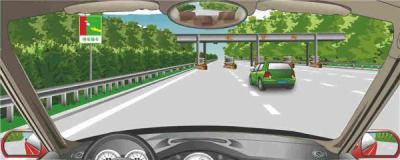
Answer:Y
44、Which of the following is a bad driving habit?
A、Using lights in accordance with relevant rules
B、Carrying both vehicle and driving license
C、Discarding rubbish from the side window
D、Follow the guidance of the traffic signals
Answer:C
45、Drivers may turn left when traffic police give these hand signals.
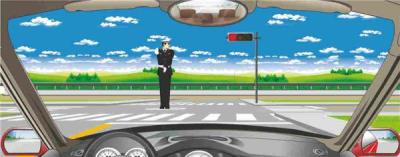
Answer:N
46、The sign on the right warns of a narrowed road on both sides ahead.
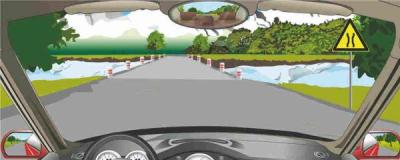
Answer:N
47、When braking, side skid or tail swing may occur if the rear wheels are blocked.
Answer:Y
48、When putting out a fire disaster that gives out corrosive steam or poisonous gas, the firefighters should wear gas masks and other related protective articles and operate from the windward side.
Answer:Y
49、Drivers may turn left when traffic police give these hand signals.
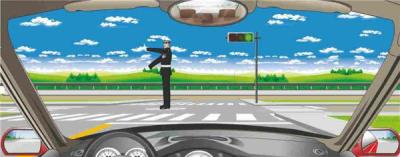
Answer:Y
50、What's the most frequent problem for driving on a muddy road?
A、High resistance force
B、Sideways slide
C、The motor vehicle bumps
D、Steering failure
Answer:B
- 广东驾考科目四英语版PDF 相关内容
- 天津外国人考驾照英文模拟试题 陕西2025科目四英文版 河北科目四英文版模拟 科目四英文版在哪里找 贵州驾照考试科目四英文版 四川外国人考驾照科目一 天津科目一有英文版吗 老外考中国驾照要多久 天津驾考英文版题库 陕西科目一英文版在哪里找 贵州英语c1考试 老外考驾照需要准备什么材料和证件 外国人驾照考试题库下载软件安卓 江苏英文驾考PDF题库 安徽驾考英语版题库book 外国人驾校培训
Copyright © 2025 驾考 版权所有