
- 科目一考试
- 顺序练习
- 随机练习
- 强化练习
- 模拟考试
- 科目四考试
- 顺序练习
- 随机练习
- 强化练习
- 模拟考试
- 外国语言版题库
- 英语题库
- 德语题库
- 韩语题库
- 日语题库
- 俄语题库
- 法语题库
- 西班牙语题库
- 阿拉伯语题库
- 摩托车英文题
福建英语c1科目四考试
-
1、The sign on the right indicates that the speed limit is 50km/hour.
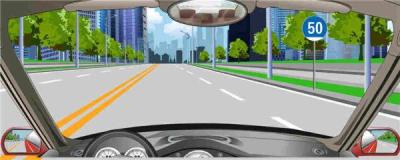
Answer:N
2、The sign in front indicates that the highway entry is on the right side of the road.
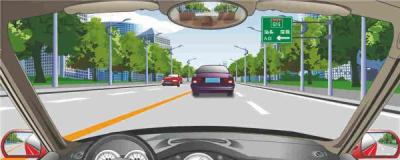
Answer:N
3、What should the driver do when the motor vehicle encounters this situation?
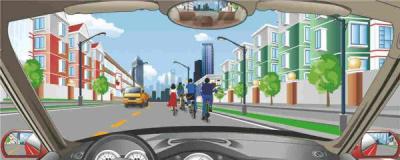
A、Overtake immediatel
B、Sound the horn continuously to warn
C、Maintain safety distance and overtake
D、Sound horn and speed up to overtake
Answer:C
4、When the motor vehicle encounters a crosswalk in this situation, the driver may speed up and pass rapidly.
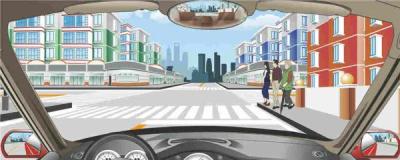
Answer:N
5、When driving on road sections where safe sight distance is affected, such as the top of a ramp, what should drivers do to ensure safety?
A、Rush through
B、Use hazard lamp
C、Cut speed and sound the horn
D、Drive at will
Answer:C
6、The sign on the right warns that the road will narrow over the next 5 kilometers.
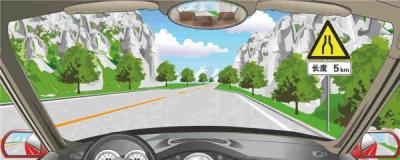
Answer:Y
7、The sign in front indicates a one-way lane after turning right.
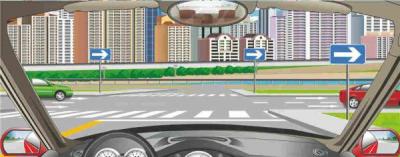
Answer:Y
8、When a bicycle occupies the motor vehicle lane and obstructs the traffic, the driver should sound the horncontinuously and speed up to bypass on the left of the bicycle.
Answer:N
9、The sign in front gives information about the direction of road exits.
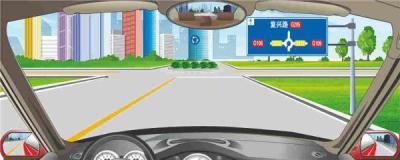
Answer:Y
10、When finding a tire burst on the road, the driver should use emergency braking while controlling the direction of the vehicle at the same time to stop the vehicle qulckly.
Answer:N
11、When a motor vehicle leaves an expressway, which of the following lamp should be turned on?
A、The left-turn indicator
B、The right-turn indicator
C、The hazard warning lamp
D、The headlamp
Answer:B
12、When a motor vehicle slides sideways, how should the driver adiust the direction?
A、If the front wheels skid sideways, turn the steering wheel in the direction of the skid
B、If the front wheels skid sideways, turn the steering wheel in the opposite direction of the skid
C、If the rear wheels skid sideways, turn the steering wheel in the direction of the skid
D、If the rear wheels skid sideways, turn the steering wheel in the opposite direction of the skid
Answer:BC
13、It is safest for a motor vehicle driver to overtake the vehicle in front from its righthand on this kind of road.
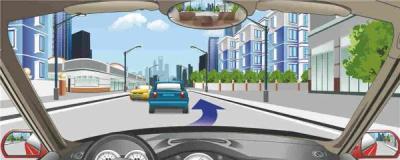
Answer:N
14、The sign on the right warns of a one-way tunnel ahead.
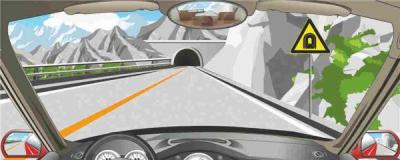
Answer:N
15、When going straight or turning right, drivers are not allowed to drive on or across the guide lines on both sides of the intersection.
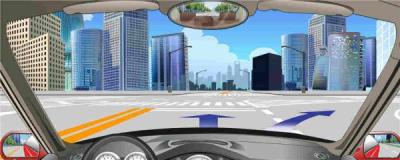
Answer:Y
16、The sign on the right warns of right-hand S-shaped bend ahead.
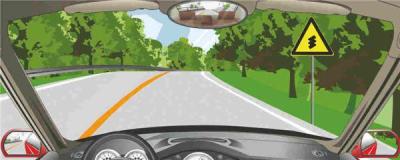
Answer:N
17、Motor vehicle drivers may borrow a special lane for other vehicle types, if one exists, to overtake.
Answer:N
18、When overtaking on a rainy day, drivers should turn on headlamps and sound a long horn.
Answer:N
19、How many kinds of law-breaking acts are displayed in flash 2?
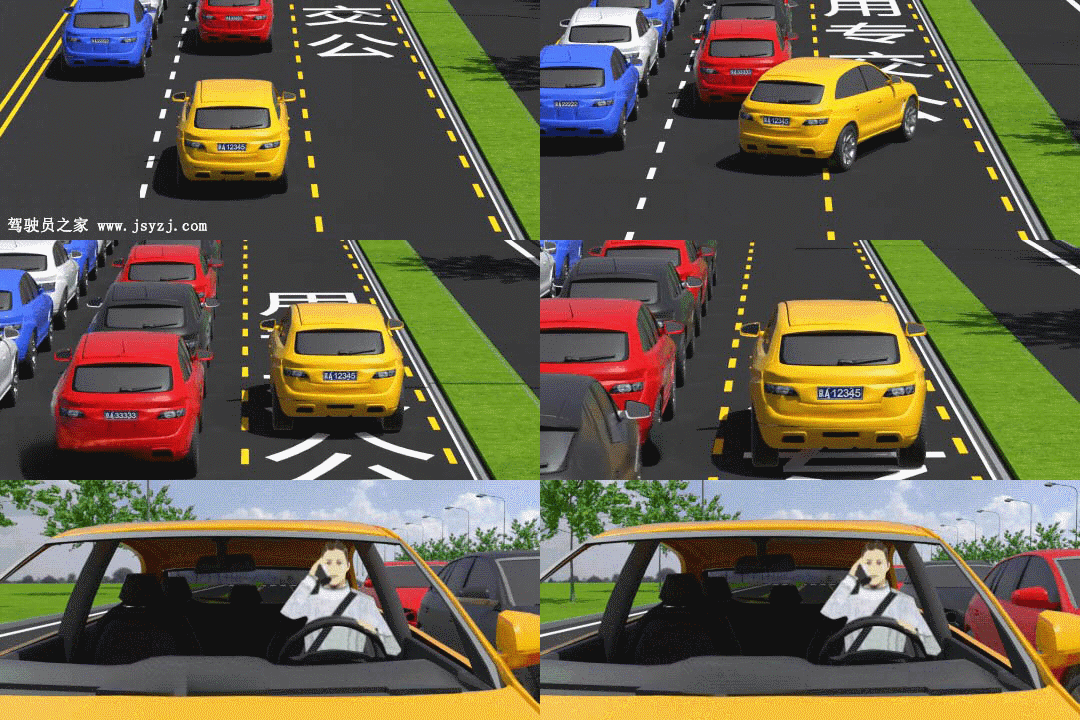
A、One
B、Two
C、Three
D、Four
Answer:B
20、In the condition of low visibility, drivers should turn on the low-beam when setting off
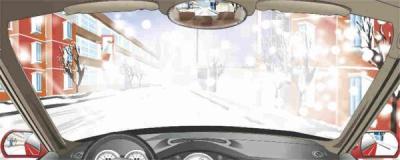
Answer:Y
21、At 3: 40 a.m. one day, Mr. Sun drove a large bus with 54 passengers(capacity 55 people). At the spot of 229 kilometers mark by 300 meters on Suiyue Expressway, the bus had a rear-end collision with a heavy semi-trailer driven by Mr. Li when passengers were getting off from the bus. As a result of the accident, 26 people were killed and 29 injured. According to the investigation afterwards, Mr. Li had been driving the bus since he left the place of departure at 6 p.m. the day before without any rest. What are the main illegal acts of the two drivers?
A、Mr. Sun illegally parked
B、Mr. Sun carried more passengers than permitted
C、Mr. Li exceeded speed limit
D、Mr. Li kept driving when tired
Answer:AD
22、The marking on the road surface indicates that the speed limit of this road section is 80 km/hour.
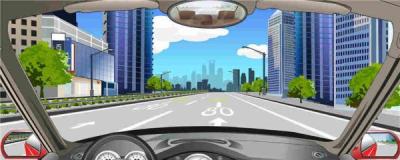
Answer:N
23、The sign on the right indicates a bypass route at the intersection ahead.
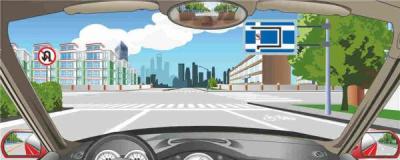
Answer:Y
24、When a collision occurs on the passenger seat side or the impact is relatively small, which of the following methods is incorrect?
A、Firmly holding the steering wheel
B、Stretching both feet forward
C、Jumping out of the vehicle from one side
D、Leaning body backwards against the seat
Answer:C
25、Motor vehicle drivers don't need to use any lamp at night when passing through a road section where the street light condition is good.
Answer:N
26、When driving on a road covered with ice and snow drivers should not use the emergency brake but can apply a sharp turn.
Answer:N
27、When a motor vehicle temporarily stops at night, which lamp should be turned on?
A、Front and rear fog lamp, clearance lamp and rear position lamp
B、Head lamp, clearance lamp and rear position lamp
C、Hazard lamp, clearance lamp and rear position lamp
D、Reverse lamp, clearance lamp and rear position lamp
Answer:C
28、A motor vehicle should not obstruct other vehicles when it enters the driving lane from an acceleration lane.
Answer:Y
29、When driving in rain or snow, the driver should turn left to stabilize the vehicle if the motor vehicle slides to the right side.
Answer:N
30、Motor vehicles can turn right when driving into an intersection with this traffic signal.
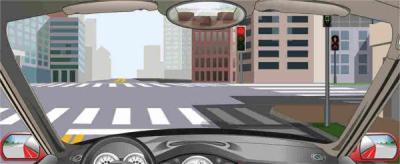
Answer:Y
31、When braking failure happens to a fast-moving motor vehicle, what should be done by the driver to brake?
A、Continuously depressing the brake pedal
B、Immediately changing to a low gear to reduce speed and using the handbrake
C、Swiftly depressing the clutch pedal
D、Swiftly pulling up the handbrake
Answer:B
32、When a motor vehicle enters an expressway from the ramp, which of the following lamps should be turned on?
A、The left-turn indicator
B、The right-turn indicator
C、The hazard warning lamp
D、The headlamp
Answer:A
33、Drivers may turn left when traffic police give these hand signals.
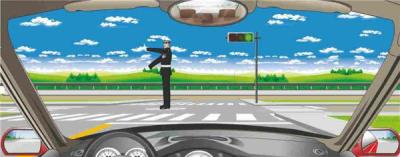
Answer:Y
34、When driving on a muddy road, what should drivers do if the wheels spin and slide?
A、Cover the ground under the wheels with gravels
B、Change to a high gear and speed out
C、Cover the ground under the driving wheels with gravels
D、Violently turn the steering wheel and suddenly leed up
Answer:C
35、If a motor vehicle encounters a strong side wind when it leaves the opening of an expressway tunnel, what will happen?
A、A feeling of deceleration
B、A feeling of acceleration
C、A feeling of pressure
D、Deviation in direction
Answer:D
36、When encountering such a situation, the motor vehicle driver should change to the left lane rapidly.
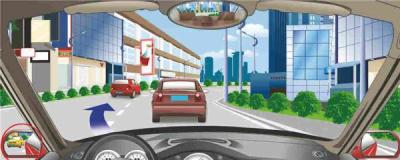
Answer:N
37、Motor vehicle drivers don't need to fasten their seatbelt
Answer:N
38、When a motor vehicle catches fire, the driver should te to park the vehicle in an open place far away from urban areas, buildings, trees, other motor vehicles and flammable materials.
Answer:Y
39、Under such circumstances, what should the motor venicle driver do?
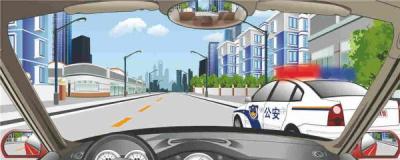
A、Reduce speed and yield by the left side
B、Reduce speed and yield by the right side
C、Speed up and yield by the left side
D、Go ahead along the original route
Answer:A
40、When driving in a residential area, the driver should not exceed the speed indicated by the speed limit sign.
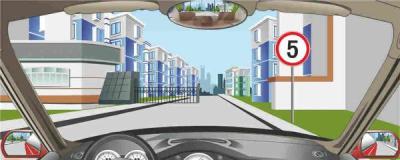
Answer:Y
41、After speeding up to more than 60 km/hour, a motor vehicle driver may drive onto the driving lane directly.
Answer:N
42、When encountering this situation in a residential area, the driver should follow them closely.
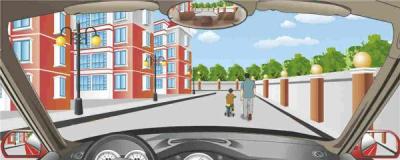
Answer:N
43、The broken and solid white line on the road indicates that crossing is allowed on the solid line side.
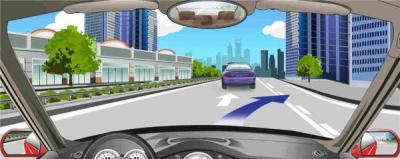
Answer:N
44、The diamond-shaped broken line warns that drivers should drive at a lower speed on the road sections ahead.
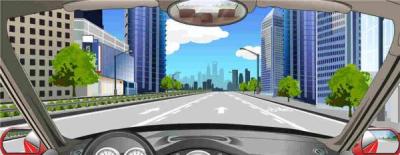
Answer:Y
45、When braking, side skid or tail swing may occur if the rear wheels are blocked.
Answer:Y
46、The driver should yield to other non-motor vehicles when the motor vehicle turns right at this Intersection.
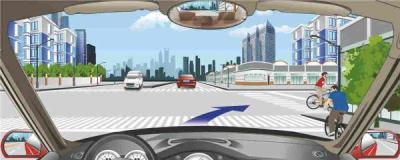
Answer:Y
47、The driver should turn on the left-turn indicator after entering the acceleration lane on an expressway.
Answer:N
48、What matters need attention when driving on a rainy day?
A、Avoid using the emergency brake or making sharp turns
B、Keep a safe enough distance
C、Observe the traffic situation of non-motor vehicles and surrounding pedestrians
D、Drive at a safe speed
Answer:ABCD
49、What's the emergency measure to deal with a sudden tire burst on the road?
A、Swiftly braking to slow down
B、Firmly hold the steering wheel and steadily stop the vehicle as early as possible
C、Swiftly turn the steering wheel to adjust the direction
D、Go ahead at a low speed and find a place for tire change
Answer:B
50、When extinguishing fire, the synthetic-made garments should not be taken off in order to protect the exposed skin from burning.
Answer:N
- 福建英语c1科目四考试 相关内容
- 浙江英文驾考书 山东2025驾考英文题库 天津驾考科目三英文 广西英文驾考科目四题库PDF电子版 广西驾考英语版题库book 老外驾考电脑版下载教程图片 2025科目四考试英文 英文驾考PDF题库 贵州驾考科目一英语版书 海南驾考科目一英语版书 江西外国人考驾照科目四 福建驾考英语版书 老外考驾照需要准备什么材料和证件 江苏驾考英语版题库book 天津驾考英语版PDF题库 西藏英文驾考题库PDF电子版
Copyright © 2025 驾考 版权所有