
- 科目一考试
- 顺序练习
- 随机练习
- 强化练习
- 模拟考试
- 科目四考试
- 顺序练习
- 随机练习
- 强化练习
- 模拟考试
- 外国语言版题库
- 英语题库
- 德语题库
- 韩语题库
- 日语题库
- 俄语题库
- 法语题库
- 西班牙语题库
- 阿拉伯语题库
- 摩托车英文题
武威摩托车科目四英文题库
-
1、How should a motor vehicle follow the other vehicle In front when driving on a road covered with ice and snow?
A、Keep a long safe distance
B、Turn on hazard lamp
C、Change between high-and-low beam alternatively
D、Sound the horn in due time to give a notice to the vehicle in front
Answer:A
2、How should the driver pass this place safely?
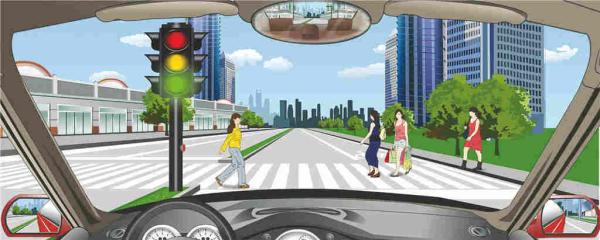
A、Speed up and pass in the front of the pedestrians
B、Bypass behind the pedestrians
C、Slow down and sound the horn
D、Stop and wait until the pedestrians pass
Answer:D
3、When a motor vehicle stops in snow, which lamp should be turned on?
A、Front and rear fog lamps, clearance lamp and rear position lamp
B、Reverse lamp, clearance lamp and rear position lamp
C、Headlamp, clearance lamp and rear position lamp
D、Hazard lamps, clearance lamp and rear position lamp
Answer:D
4、Why is it dangerous to overtake on a snowy mud road in heavy snow?
A、Snow can increase tire adhesion
B、The flying mud made the sight bad.
C、Long braking distance in case of emergency
D、Pavement under snow and mud is easier to skid.
Answer:BCD
5、When driving on a damp and slippery road, drivers should avoid using the emergency brake to his/her best ability.
Answer:Y
6、Which of the following measures is correct for rescuing a person sustaining full-body burns?
A、Cover the fire with sandy soil
B、Spray cool water to his body
C、Put out the fire by extinguisher
D、Help to remove the burning clothes
Answer:B
7、What are the main reason for slow driving of motorized vehicles on rainy days?
A、Braking distance will increase
B、The driver’s view is limited
C、Emergency braking can easily cause side skidding
D、Fast driving increases fuel consumption
Answer:ABC
8、Driving and smoking has no negative effect on safe driving
Answer:N
9、When encountering such pedestrians, what should motor vehicle drivers do?
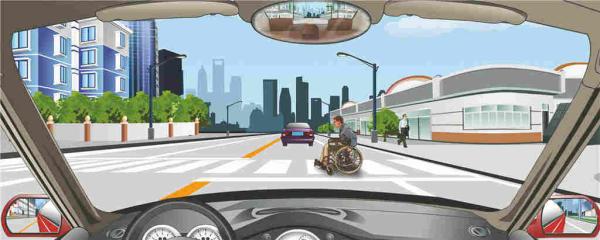
A、Bypass in front of the pedestrians
B、Bypass from behind the pedestrians
C、Sound the horn to alert the pedestrians
D、Voluntarily stop and yield
Answer:D
10、When driving on a muddy road, what should the driver do?
A、Try to avoid using the foot brake
B、Stop and observe the road ahead
C、Avoid shifting halfway as much as possible
D、Put in low gear ahead of time
Answer:ABCD
11、At a road that has more than two vehicle lanes in the same direction, the motorcycles should use the very left one.
Answer:N
12、What is the meaning of this sign?
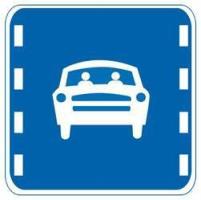
A、Special lane for small vehicles
B、Special lane for motorized vehicles
C、Special lane for taxis
D、Special lane for multi-passenger vehicles
Answer:D
13、What is the meaning of this sign?
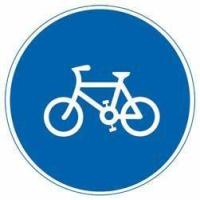
A、Electric bicycles may go
B、Parking space for non-motorized vehicles
C、Parking area for non-motorized vehicles
D、Non-motorized vehicles may go
Answer:D
14、What is the meaning of this sign?
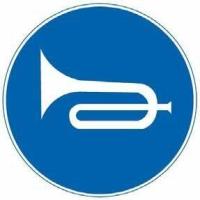
A、No honking the tweeter
B、No honking the woofer
C、Should honk
D、No honking
Answer:C
15、Under such circumstances, motor vehicle drivers may sound the horn at the proper time and speed up to pass through.
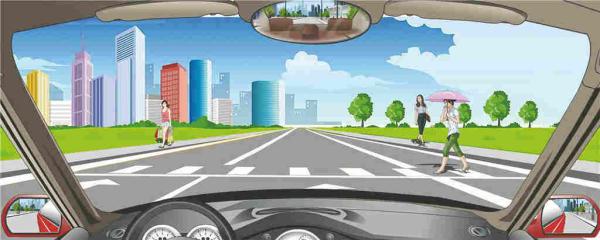
Answer:N
16、What should the motor vehicle driver do when the motor vehicle encounters the crosswalk in thissituation?
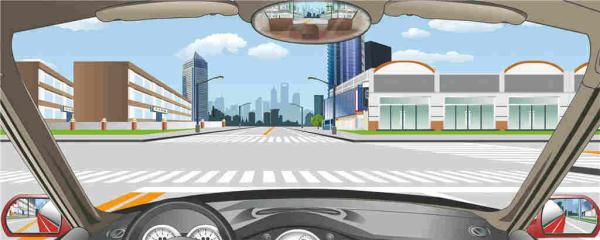
A、Slow down and pass
B、Speed up and pass
C、Sound the horn and pass
D、Stop immediately
Answer:A
17、When a tire blowout on the road, the driver should control the direction of the vehicle and use emergency braking to bring the motorcycle swiftly to a stop.
Answer:N
18、When rescuing a wounded person suffering spinal fracture, it is necessary to ___________.
A、Take warm-keeping measure
B、Use soft stretcher to carry
C、Use sling to keep in position
D、Help the wounded person to move
Answer:C
19、When rescuing the persons who are losing blood, it is necessary to ______ first.
A、Observe
B、Dress the wounds
C、Stop bleeding
D、Inquire
Answer:C
20、When rescuing a wounded person suffering from bone fracture, which of the following should be kept in mind?
A、Immediately send him/her to the hospital on a stretcher
B、Properly change the original posture when the injured person wounded
C、Dress the fracture with a bandage
D、Do not move the fractured body-part
Answer:D
21、What is the meaning of this sign?
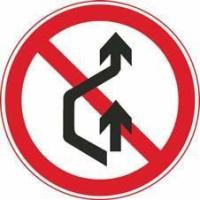
A、No borrowing lane
B、No changing lane
C、No overtaking
D、No U turn
Answer:C
22、When driving on a foggy day, the driver should turn on the fog lamp.
Answer:Y
23、The traffic police may detain the motorcycle if its driver has falsified the license plate and vehicle license.
Answer:Y
24、Whats the meaning of this mark on the road?
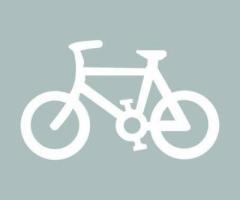
A、The lane for non-motorized vehicles
B、The special lane for motorcycles
C、The special lane for battery bicycles
D、the special lane for bicycles
Answer:A
25、What is the meaning of this sign?
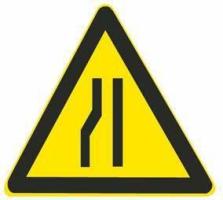
A、Road narrows on both sides
B、Road narrows on the right side
C、Road narrows on the left side
D、Bridge narrows
Answer:C
26、The continuously flashing yellow light is to warn that the driver should look and make sure it is safe to pass.
Answer:Y
27、When following other vehicles on the uphill section of a mountain road, what should the driver do if the vehicle in front stops?
A、Overtake from either side of the front vehicle
B、Stop close to the vehicle in front
C、Stop with a larger space from the vehicle in front
D、Sound the horn continuously to warn the other driver
Answer:C
28、When encountering this situation in a residential area, the driver may honk to urge them to yield.
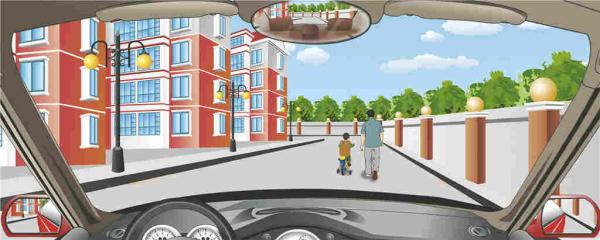
Answer:N
29、How to follow a motor vehicle safely on the road?
A、Observe the front vehicle conditions
B、Drive on the left side of the road as far as possible
C、Be ready to slow down at any time
D、Keep a safe distance
Answer:ACD
30、What is the meaning of this sign?
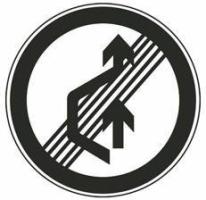
A、Overtaking ban is lifted
B、Changing lane is allowed
C、Changing lane ban is lifted
D、Borrowing lane ban is lifted
Answer:A
31、When a motor vehicle encounters pedestrian is passing at a crosswalk, the driver must slow down and pass slowly.
Answer:N
32、In which of the following ways can motor vehicles avoid a tire burst?
A、Lowering tire pressure
B、Checking tires regularly
C、Removing foreign matters from the tire tread grooves timely
D、Replacing the tires that have cracks or deep cuts
Answer:BCD
33、When a motor vehicle passes over an inundated road the driver should change to a low gear and pass at a constant speed.
Answer:Y
34、When a wounded person suffering burns is thirsty, he may drink a small quantity of slightly salty water.
Answer:Y
35、Whats the meaning of the double white solid lines in far front of the intersection?
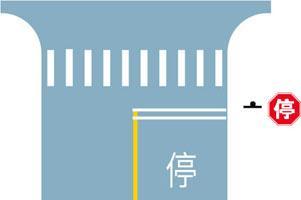
A、Stopping and yield line
B、Slowdown and yield line
C、Left-turn waiting line
D、Waiting to run line
Answer:A
36、When driving motor vehicles on the uphill section of a mountain road, the driver should _____.
A、Always pay attention to downstream vehicles
B、Advance at a uniform speed.
C、Avoid shifting whenever possible
D、Choosing high speed gear
Answer:ABC
37、When passing a sharp curve, motor vehicle drivers may overtake if there are few other vehicles on the road.
Answer:N
38、Which measures is correct when a motor vehicle intends to overtake
A、After overtaking, turn on the right turning light and drive back to the original lane after the necessary safe distance has been pulled away by overtaking.
B、Overtaking from the left side of the previous car
C、After overtaking, turn on the right turn light and drive back to the original Lane immediately.
D、Overtake on the right side
Answer:AB
39、It is not a bad habit for a driver to frequently change lanes.
Answer:N
40、When seeing this sign, the driver should reduce speed and observe the road conditions.
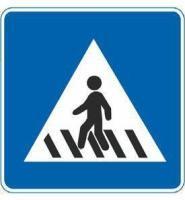
Answer:Y
41、When driving a motor vehicle following anther vehicle, What should the driver pay attention to?
A、When following a taxi, it is necessary to prevent it from pulling over at any time to get on and off passengers.
B、For large trucks loaded with goods, we should increase the distance between cars and avoid long time follow ups to prevent the risk of cargo spilling and blind areas.
C、When the current side of the vehicle has an internship sign, it should increase the distance with the vehicle to prevent the front vehicle emergency braking.
D、Follow a vehicle in foggy weather, pay attention to the emergency braking of the front vehicle
Answer:ABCD
42、After a tire blows out and before the driver can control the speed of the vehicle, he should refrain from using the foot brake to stop the vehicle. Otherwise, a horizontal swing of the vehicle can cause greater danger.
Answer:Y
43、When a motor vehicle encounters a group of youngsters bypassing the motor vehicles parking beside the road, the driver should slow down voluntarily and yield.
Answer:Y
44、What should the driver do when the motor vehicle encounters this situation in front of a school?
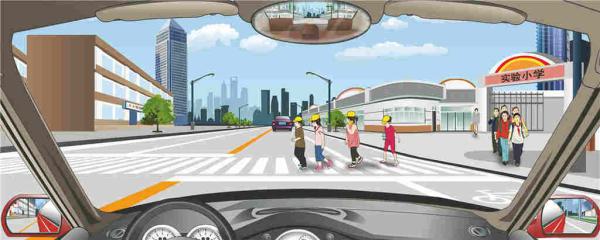
A、Bypass before the queue
B、Slow down and pass slowl
C、Stop promptly and yield
D、Go through in the spaces between the queues
Answer:C
45、When encountering a school bus which stops at the right roadside and students are embarking or disembarking, what should motor vehicle drivers do?
A、If there is only one motor vehicle lane in each direction, motor vehicle drivers behind the bus should stop and wait.
B、If there are two motor vehicle lanes in each direction, motor vehicle drivers in the left lane behind the bus may overtake the bus at a lower speed
C、If there are three motor vehicle lanes in each direction, motor vehicle drivers in the middle lane behind the bus should stop and wait
D、If there are three motor vehicle lanes in each direction, motor vehicle drivers in the left lane behind the bus may pass at a lower speed
Answer:ACD
46、Having driven his vehicle at 110km/hour on an urban road, Mr. Lin is trying to leave the scene after a rear-end collision but is held back by bystanders. The alcohol concentration in his blood, tested in an alcohol test by the traffic police, is 135.8mg per hundred milliliters. Which of the following law-breaking acts did Mr. Lin commit?
A、Drunk driving
B、Speeding
C、Fatigued driving
D、Hit-and-run driving
Answer:ABD
47、Which of the following acts are prohibited when passing through a tunnel?
A、Overtaking
B、Stopping
C、Making a U-turn
D、Reversing
Answer:ABCD
48、During normal driving, the driver should do his/her best to run close to or on the central line so as not to allow oncoming vehicles any opportunity to occupy his own route.
Answer:N
49、Which lamp should be turned on when motor vehicles pass through a road section at night where the street light condition is good?
A、Front and rear fog lamps
B、Low-beam
C、High-beam
D、Hazard lamp
Answer:B
50、When a motorcycle passing through an interchange discovers it has chosen a wrong route, it should immediately make a U turn from where it is or reverse to change route.
Answer:N
- 武威摩托车科目四英文题库 相关内容
- 唐山摩托车驾照理论试题英语版 呼和浩特摩托车驾考英语手机APP 萍乡摩托车考试英语题库 湘潭摩托车科目四英文题库 攀枝花外国人考摩托车驾照 随州摩托车考试英语题库 大连摩托车驾考英语手机APP 内江摩托车驾照理论试题英语版 巢湖摩托车驾照理论试题英语版 张家界摩托车驾考英语手机APP 安徽摩托车驾照考试科目一英语题 滨州摩托车驾照考试科目四英语题 松原摩托车驾考英语手机APP 宜宾用英文考摩托车驾驶证 黄石用英语考摩托车驾照科目四 汕尾用英语考摩托车驾照科目四
Copyright © 2025 驾考 版权所有