
- 科目一考试
- 顺序练习
- 随机练习
- 强化练习
- 模拟考试
- 科目四考试
- 顺序练习
- 随机练习
- 强化练习
- 模拟考试
- 外国语言版题库
- 英语题库
- 德语题库
- 韩语题库
- 日语题库
- 俄语题库
- 法语题库
- 西班牙语题库
- 阿拉伯语题库
- 摩托车英文题
海南科目四英文版题目
-
1、What should be done by the driver who intends to overtake but the motor vehicle in front neither reduces its speed nor allows the right of way?
A、Continuously sounding the horn and accelerating to overtake
B、Accelerating and continuing to overtake
C、Refraining from overtaking
D、Following the vehicle in front closely and finding a chance to overtake
Answer:C
2、When following other vehicles on a foggy day, what should the driver do?
A、Maintain a large safety distance
B、Turn on the high-beam
C、Turn on the low-bea
D、Sound the horn in due time
Answer:A
3、It is correct for the driver to drive on an expressway in the way shown in the flash.
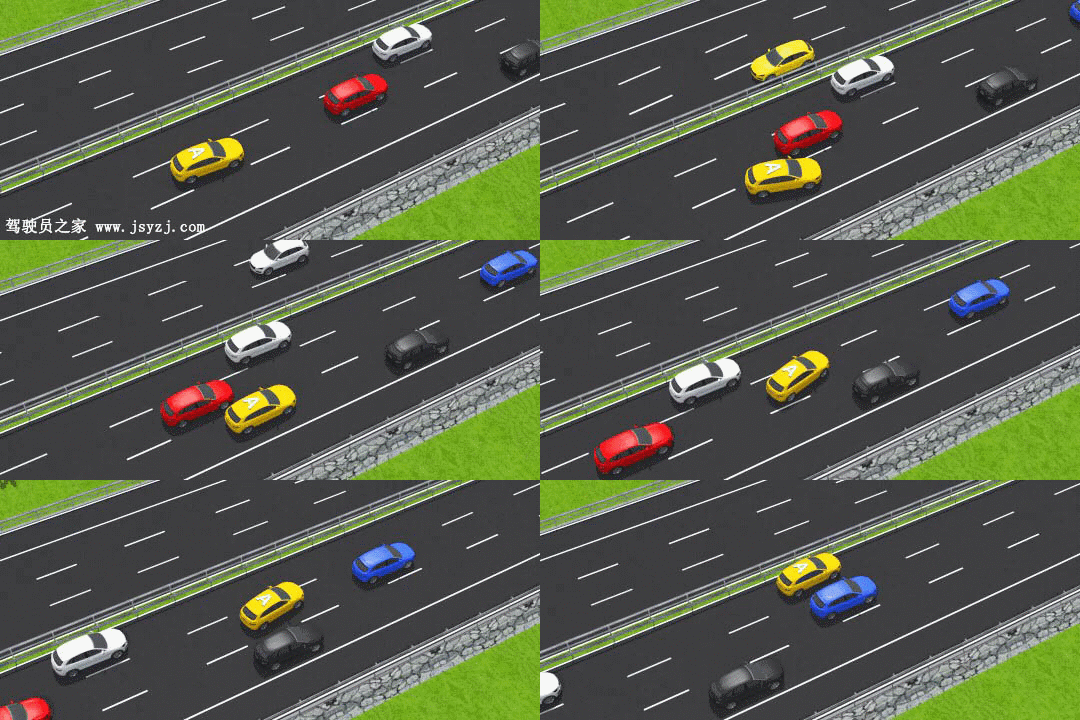
Answer:N
4、vehicles to pass an intersection marked with this sign?
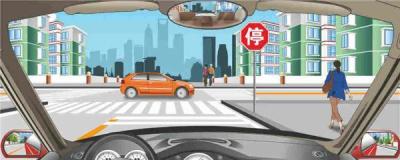
A、Stopping and observing the traffic situation around the intersection
B、Approaching the intersection by speeding up
C、Approaching the intersection at a reduced speed
D、Observing the traffic situation on the left rear side
Answer:A
5、Under such circumstances, what should motor vehicle drivers do?
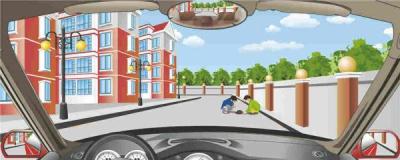
A、Continuously sound the horn
B、Pass quickly
C、Pass at a lower speed
D、Bypass from either side
Answer:C
6、How should lamps be used when motor vehicle drivers pass through a two-way tunnel?
A、Turn on the hazard lamps
B、Turn on the high-beam
C、Turn on the fog lamp
D、Turn on the low-beam
Answer:D
7、What action is important on this kind of mountain road?
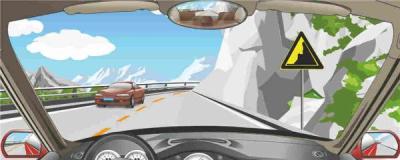
A、Take care of the dangerous hillside road on the left
B、Drive on the left
C、Drive along the central line of the road
D、Drive on the right side and pass slowly
Answer:D
8、The motor vehicle should speed up and pass rapidly under this situation.
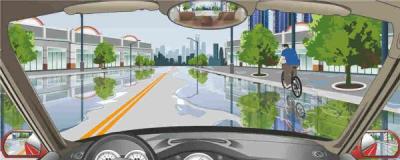
Answer:N
9、What's the main impact of foggy weather on safe driving?
A、Easy to slide sideways
B、Low visibility
C、Increase the resistance
D、Widen the field of vision
Answer:B
10、What should the motor vehicle driver do when the motor vehicle encounters the crosswalk in thissituation?
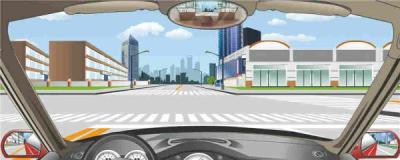
A、Slow down and pass
B、Speed up and pass
C、Sound the horn and pass
D、Stop immediately
Answer:A
11、How to pass the intersection when running straight
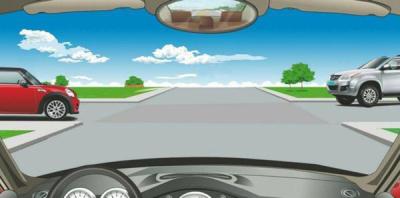
A、turn on the hazard lights and pass
B、directly speed up and pass straight
C、yield to the vehicle from the right road
D、yield to the vehicle from the left road
Answer:C
12、What matters need attention when driving on a rainy day?
A、Avoid using the emergency brake or making sharp turns
B、Keep a safe enough distance
C、Observe the traffic situation of non-motor vehicles and surrounding pedestrians
D、Drive at a safe speed
Answer:ABCD
13、When steering failure happens to a fast moving motor vehicle, what should the driver do?
A、Apply emergency braking
B、mmediately change to a low gear
C、Reasonably use the driving brake and the stopping brake and refrain from applying emergency braking
D、Turn on the hazard lamps
Answer:BCD
14、After entering the acceleration lane of an expressway, the driver should increase the speed to how many kilometers per hour?
A、More than 30 km/hour
B、More than 40 km/hour
C、More than 50 km/hour
D、More than 60 km/hour
Answer:D
15、When removing a wounded person suffering spinal fracture, the rescuer should never help the wounded person to walk. He may be carried away with a soft stretcher.
Answer:N
16、Gun powder, explosives and detonating powder belong to which of the following dangerous chemicals?
A、Oxidizing materials
B、Inflammable solid materials
C、Explosives
D、Self-igniting articles
Answer:C
17、What is the intersection ahead indicated by the right sign?
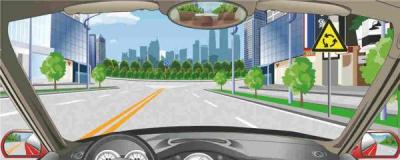
A、T-shaped intersection
B、Y-shaped intersection
C、Cross-shaped intersection
D、Roundabout
Answer:D
18、When driving on an expressway, where should the driver park?
A、The service area
B、The acceleration lane
C、The deceleration lane
D、On the ramp
Answer:A
19、When evading an emergency, except for being calm what principle should be held by drivers?
A、Evading people first and then objects
B、Evading objects first and then vehicles
C、Evading vehicles first and then people
D、Evading objects first and then people
Answer:A
20、When driving on an expressway in rain, the driver should slow down to avoid steering failure arising from "water slide"
Answer:Y
21、The sign on the right indicates that no restriction for temporary parking.
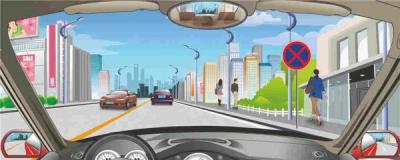
Answer:N
22、Matches, sulfur and red phosphorus belong to which of the following dangerous chemicals?
A、Explosives
B、Oxidizing materials
C、Self-igniting articles
D、Inflammable solid materials
Answer:D
23、As shown in this picture, the intersection guide line is designed to help drivers make turns.
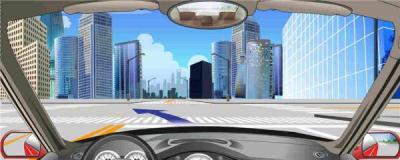
Answer:Y
24、The guide arrow on the road surface of this lane indicates that U-turns and left turns are permitted at the intersection ahead.
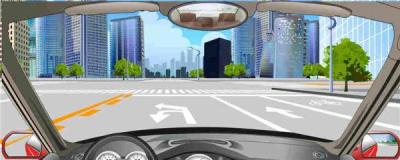
Answer:Y
25、This sign warns to bypass from the right side to avoid the roadblock.
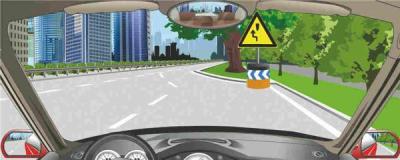
Answer:N
26、When encountering such pedestrians, what should motor vehicle drivers do?
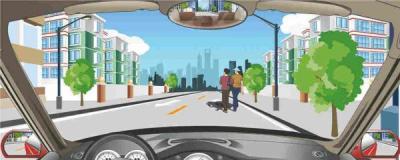
A、Go ahead along the middle line of the road
B、Continuously sound the horn
C、Speed up and overtake
D、Pay attention to the actions of such pedestrians
Answer:D
27、The road marker indicates that vehicles are only allowed to turn right at the intersection ahead.
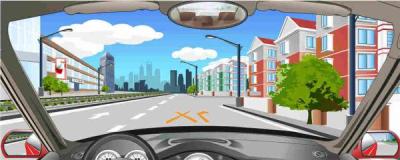
Answer:N
28、When driving on a snowy day, drivers should follow the tracks on the road before them.
Answer:Y
29、The sign on the right warns of a danger from rockfall on the left side.
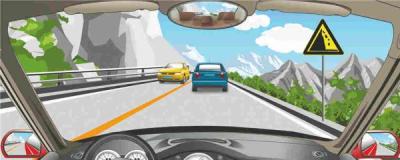
Answer:Y
30、It is not a bad habit for a driver to frequently change lanes.
Answer:N
31、The cross-hatched marking indicates an area where vehicle drivers are not allowed to stop.
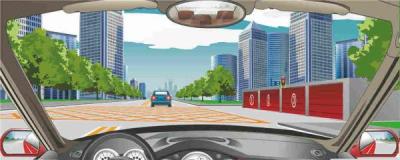
Answer:Y
32、When rescuing a wounded person who has been poisoned by toxic gas, the first measure is to send him/her to a place with fresh air so that he/she will not continue to be poisoned.
Answer:Y
33、When carrying a wounded person in a coma, rescue personnel should try to let the unconscious person remain in the supine position.
Answer:N
34、How many kinds of law-breaking acts are displayed in flash 7?
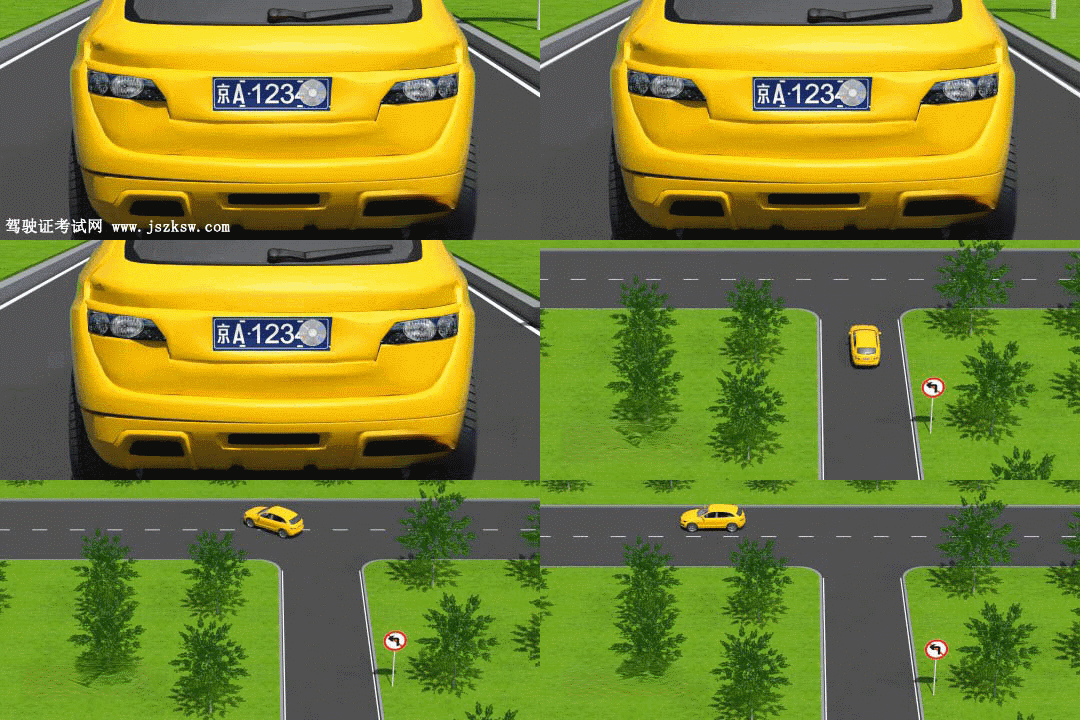
A、One
B、Two
C、Three
D、Four
Answer:B
35、When a motor vehicle breaks down and cannot be moved away from the expressway, the driver and all passengers should stay in the vehicle and wait for the rescue personnel.
Answer:N
36、In this situation, motor vehicles are permitted to stop temporarily at bus stations.
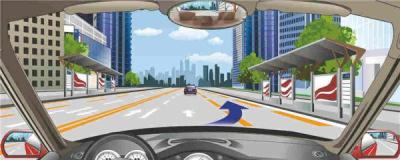
Answer:N
37、When the driver discovers a tire is leaking and steers the vehicle off the main driving lane, he/she should refrain from applying emergency braking so as to avoid a vehicle turnover or a rear-end collision arising from the late braking of the vehicle behind.
Answer:Y
38、The sign in front indicates the allocation of roads ahead.
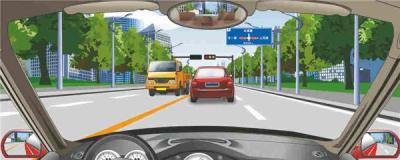
Answer:N
39、Motor vehicles are prohibited from driving straight or turning left in this situation.
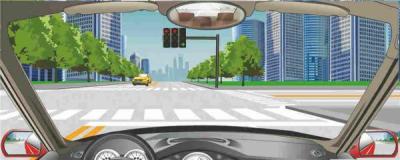
Answer:Y
40、The sign on the right indicates that the vehicle should yield to the oncoming traffic as approaching each other.
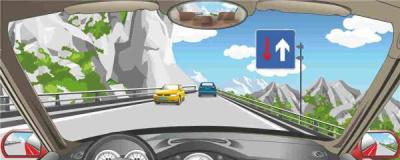
Answer:N
41、The sign on the right indicates the location of the highway emergency phone.
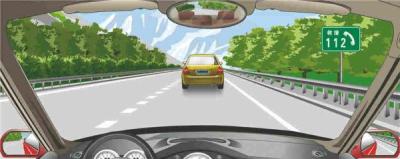
Answer:N
42、Under such circumstances, what should the motor venicle driver do?
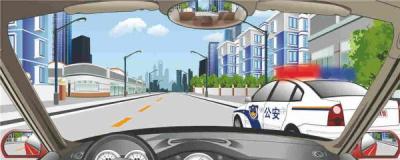
A、Reduce speed and yield by the left side
B、Reduce speed and yield by the right side
C、Speed up and yield by the left side
D、Go ahead along the original route
Answer:A
43、When rescuing a person sustaining full-body burns the rescue personnel may spray cool water to his body to put out the fire.
Answer:Y
44、When driving on a damp and slippery road, drivers should avoid using the emergency brake to his/her best ability.
Answer:Y
45、The sign on the right warns of three or more winding roads ahead.
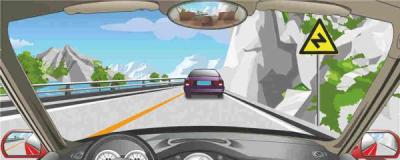
Answer:N
46、Crossing the broken white line on the right edge of the road is allowed.
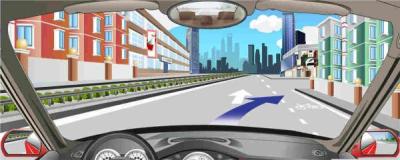
Answer:Y
47、It is illegal to change lanes without turning on indicators.
Answer:Y
48、When driving on a muddy road, what should the driver do?
A、Try to avoid using the foot brake
B、Drive slowly in mid or low gear
C、Firmly hold the steering wheel
D、Speed up and pass through
Answer:ABC
49、When driving on a muddy road, the driver should hold the steering wheel firmly and speed up to pass through.
Answer:N
50、As shown in the flash, the driver's act is correct.
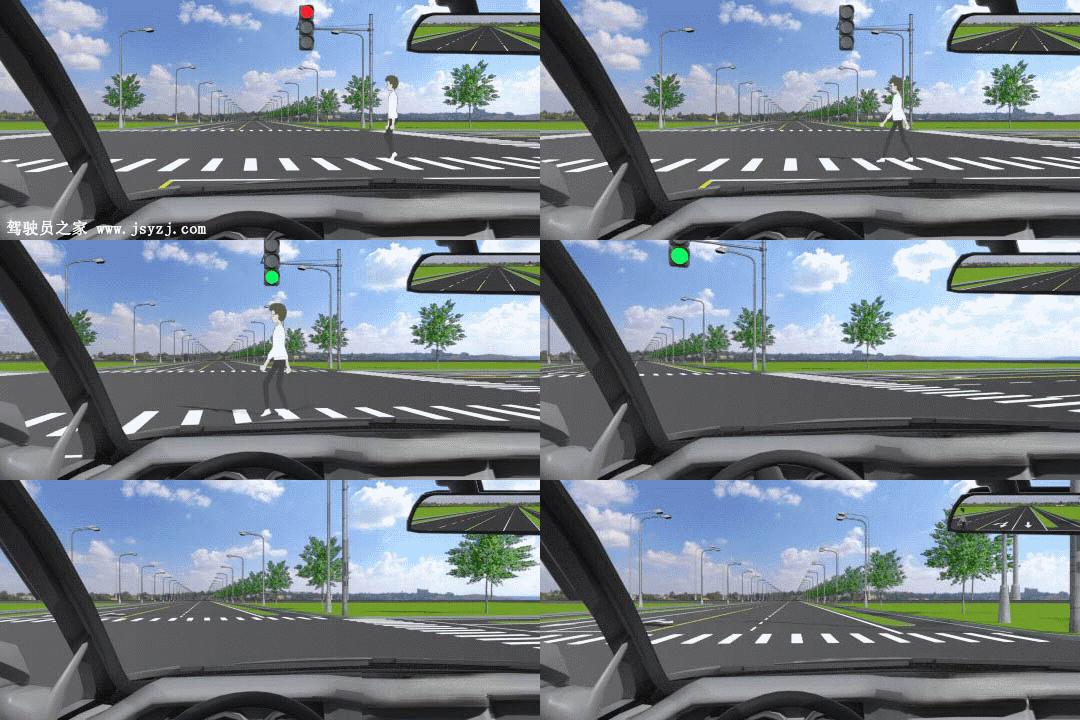
Answer:N
- 海南科目四英文版题目 相关内容
- 新疆英文驾考书 河南驾考科目四英语版书 海南英文驾考科目四app 内蒙古关于考驾照的英语 青海关于考驾照的英语 江西驾考英文版题库 老外考驾照科三考什么内容 2025科目四考试英文 吉林科目一考试英文版 辽宁驾考英文版题库 吉林驾校考试英文版 广东考驾照科目一有英文版 外国人驾照考试英语题 湖北驾校考试英文版 重庆驾考科目四英文版题库 河南科目四英文版模拟
Copyright © 2025 驾考 版权所有