
- 科目一考试
- 顺序练习
- 随机练习
- 强化练习
- 模拟考试
- 科目四考试
- 顺序练习
- 随机练习
- 强化练习
- 模拟考试
- 外国语言版题库
- 英语题库
- 德语题库
- 韩语题库
- 日语题库
- 俄语题库
- 法语题库
- 西班牙语题库
- 阿拉伯语题库
- 摩托车英文题
广东驾考科目四英语版书
-
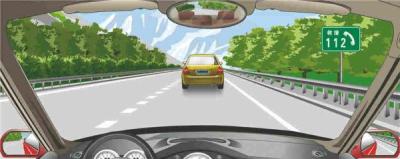
1、The sign on the right indicates the location of the highway emergency phone.
Answer:N
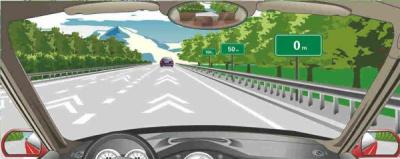
2、The white zig-zag line on the highway serves as a reference for the speed of a driver.
Answer:N
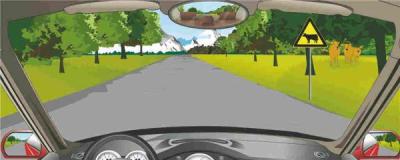
3、The sign on the right warns of a wildlife protection area ahead.
Answer:N
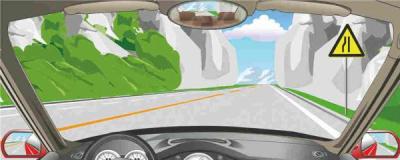
4、The sign on the right warns of a widened left-hand road ahead.
Answer:N
5、Before a motor vehicle enters a tunnel, the driver should adjust the speed in accordance with the indication of the traffic sign at the entrance of the tunnel.
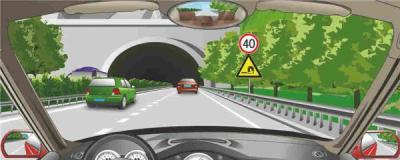
Answer:Y
6、Which one of the following is the safest way when driving a motor vehicle on this kind of road surface?
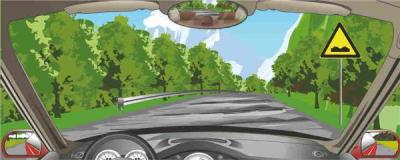
A、Slide over by using neutral gear
B、Pass with a high speed
C、Pass by speeding up
D、Pass with a low speed
Answer:D
7、Under this circumstance, motor vehicle drivers should not reduce speed.
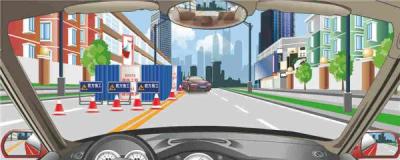
Answer:N
8、When a motor vehicle catches fire on the expressway the driver should drive the motor vehicle to the service area or the parking lot to extinguish the fire.
Answer:N
9、Which one of the following is the safest way to pass the oncoming vehicle on this road?
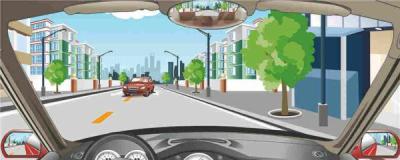
A、Driving along the central line
B、Driving with headlamp on
C、Yielding by the right side of the road
D、Yielding by the left side of the oncoming vehicle
Answer:C
10、When driving on an expressway, which of the following statements is correct?
A、Drives may overtake on either the ramp, the acceleration lane or the deceleration lane
B、Drives are prohibited from reversing, driving in the opposite direction or making a U turn by crossing the central dividing strip
C、Drivers may drive on the emergency lane in a non-emergency case
D、Drives may test a motor vehicle or learn to drive
Answer:B
11、The driver should drive on the left in this kind of tunnel.
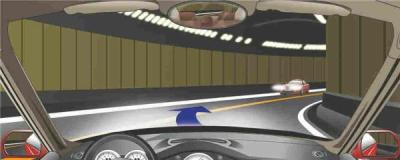
Answer:N
12、When driving into the traffic flow on a main road from a relief road, drivers should speed up.
Answer:N
13、Which one of the following is the safest way when driving a motor vehicle on this road?
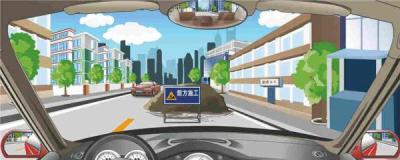
A、Speed up and bypass the obstacle
B、Take the opposite lane and compel the other vehicle to yield
C、Stop and yield to the oncoming vehicle
D、Sound the horn or turn on the headlamp
Answer:C
14、Dangerous chemicals possess the characteristics of explosion, inflammation, poison, erosion and radiation.
Answer:Y
15、Mr. Tao drove a midsize bus with 33 passengers. At the spot of 163 kilometers on the South Xuping Expressway, the bus clashed at a speed of 120 kilometers per hour with Mr. Ans minibus parked without any warning signs on the inside lane, due to breakdown after an accident. The midsize bus overturned after collided with the guardrail on the right-hand side. As a result of the accident, 16 people were killed and 15 injured. What are the main illega acts of the two drivers?
A、Mr. Tao carried more passengers than permitted
B、Mr. Tao exceeded speed limit
C、Mr. An failed to place any warning signs in accordance with relevant stipulations
D、Mr. An was illegally parked
Answer:ABC
16、Which one of following ways is the safest when driving a motor vehicle on this road?
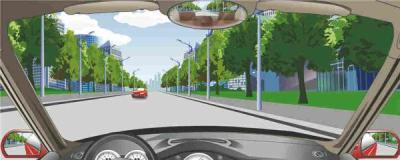
A、Driving along the central line of the road
B、Driving along the right side of the road
C、Driving at the middle of the road
D、Driving along the left side of the road
Answer:B
17、What should the driver pay attention to when the motor vehicle passes a school?
A、Observe the traffic signs and markings
B、Slow down and pass slowly
C、Prohibited from sounding the horn
D、Pass rapidly
Answer:ABC
18、When parking temporarily on a snowy day, drivers should turn on the headlamp and fog lamp.
Answer:N
19、How many kinds of law-breaking acts are displayed in flash 8?
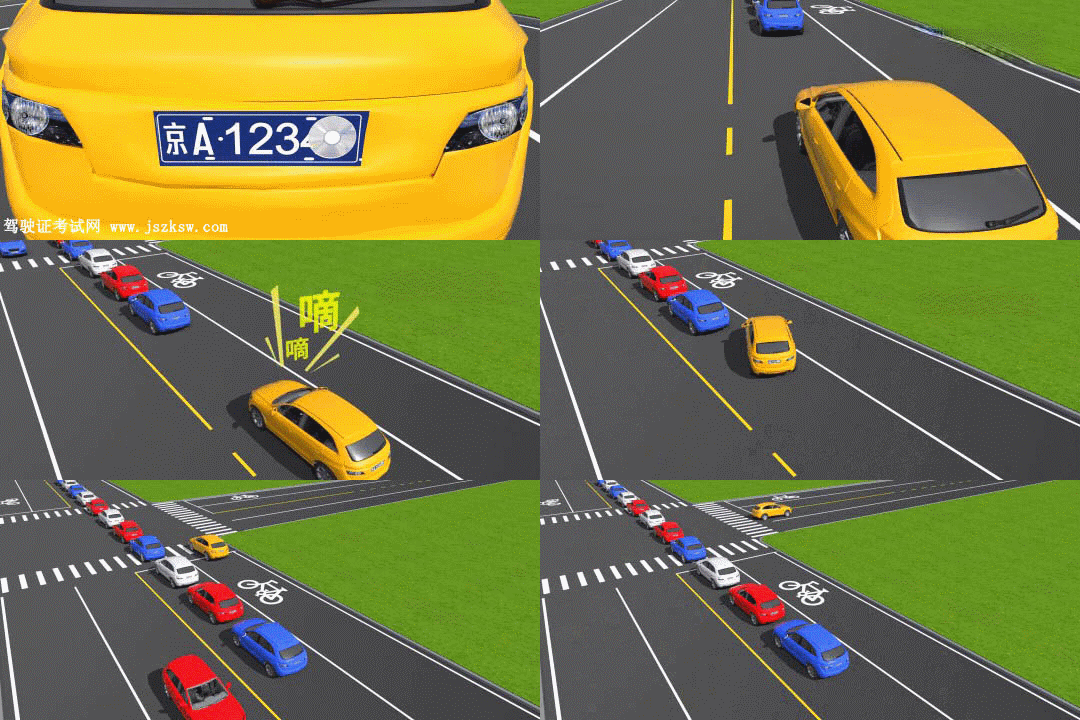
A、One
B、Two
C、Three
D、Four
Answer:B
20、Under such circumstances, what should the motor venicle driver do?
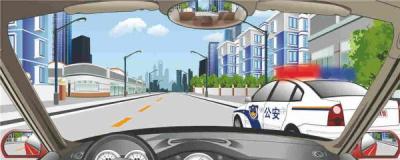
A、Reduce speed and yield by the left side
B、Reduce speed and yield by the right side
C、Speed up and yield by the left side
D、Go ahead along the original route
Answer:A
21、It is not safe for a female driver to wear high heels to drive a vehicle.
Answer:Y
22、When following a vehicle on the road, the distance from the vehicle in front is not important. As long as the driver goes forward at the same speed as the vehicle in front does, he/she can avoid a rear-end collision.
Answer:N
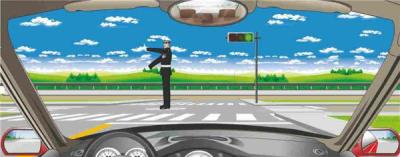
23、Drivers may turn left when traffic police give these hand signals.
Answer:Y
24、When rescuing a wounded person who has been poisoned by toxic gas, the first measure is to send him/her to a place with fresh air so that he/she will not continue to be poisoned.
Answer:Y
25、Upon encountering this traffic signal, how should a driver react?
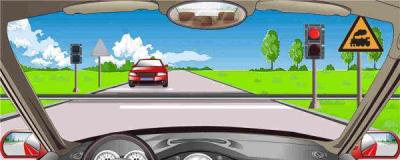
A、Observe the traffic situation and pass at a reduced speed
B、Pass at an increased speed without changing gears
C、Pass before the train comes
D、Crossing the stop line is prohibited
Answer:D
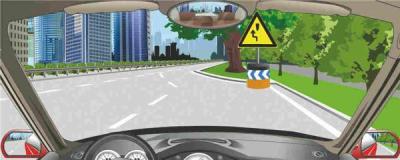
26、This sign warns to bypass from the right side to avoid the roadblock.
Answer:N
27、Motor vehicles are prohibited from driving straight or turning left in this situation.
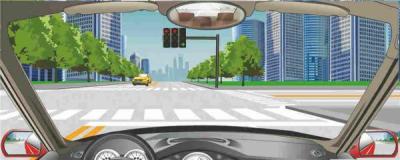
Answer:Y
28、The sign on the right indicates a bypass route at the intersection ahead.
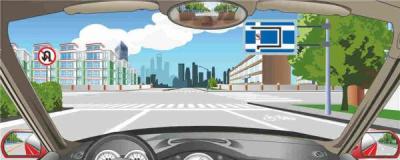
Answer:Y
29、When a motor vehicle approaches the exit of a tunnel the driver should firmly hold the steering wheel to prevent any harmful effects of a strong side wind.
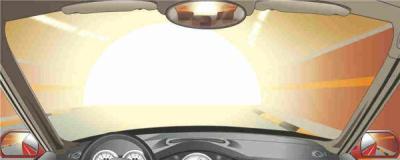
Answer:Y
30、When a tire suddenly bursts on the road, the driver should violently depress the brake pedal to reduce speed and stop the vehicle.
Answer:N
31、Motor vehicles should stop and wait when encountering two red lights flashing alternately at evel crossings.
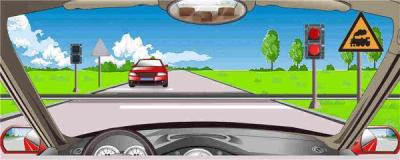
Answer:Y
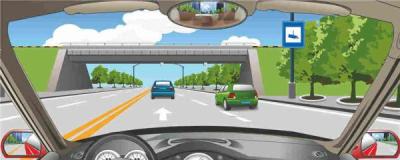
32、This sign warns that the section ahead is under traffic monitoring.
Answer:Y
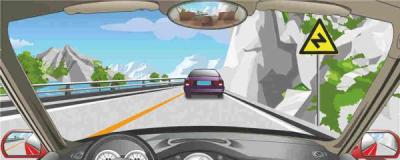
33、The sign on the right warns of three or more winding roads ahead.
Answer:N
34、If a driver finds there is no vehicle behind, he/she may change lanes without turning on the indicator.
Answer:N
35、How should lamps be used by the motor vehicle driver who follows a vehicle on a road section where he street light condition is good?
A、Turn off the headlamp
B、Use high-beam
C、Turn off all lamps
D、Use low-beam
Answer:D
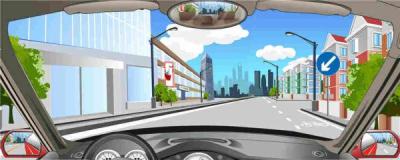
36、The sign on the right indicates that driving along left side only.
Answer:Y
37、When the tire pressure is too low, what can happen when driving at a high speed?
A、Tire pressure will be unstable
B、Tire pressure will increase
C、Driving resistance will decrease
D、The tire will burst
Answer:D
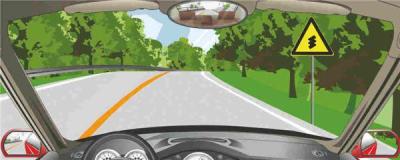
38、The sign on the right warns of right-hand S-shaped bend ahead.
Answer:N
39、Which of the following measures is incorrect when a motor vehicle stops?
A、Stop at a stipulated place
B、Avoid stopping on pedestrian streets
C、Avoid obstructing the passing of other motor vehicles and pedestrians when temporarily stops on the road
D、Stop on the non-motor vehicle lane
Answer:D
40、Drivers neednt yield to pedestrians who display such behavior.
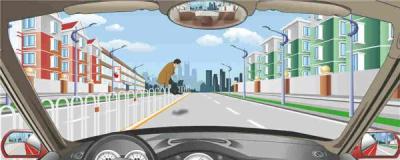
Answer:N
41、The distance-ascertaining section of an expressway is used for the drivers to ascertain the safety distance when the speed is 100 kilometers per hour.
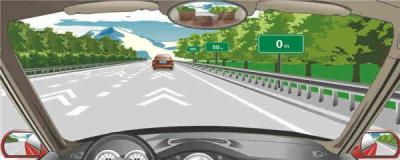
Answer:Y
42、When encountering such pedestrians, motor vehicle drivers may continuously sound the horn to alert them to yield.
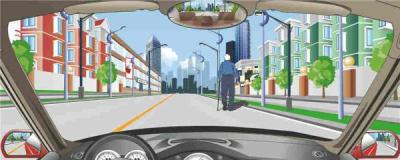
Answer:N
43、The slow-down-and-yield line at the intersection ahead indicates that vehicle drivers should stop and give the right of way to vehicles on the trunk road.
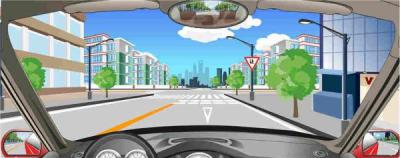
Answer:N
44、What should the driver do when the motor vehicle passes a flyover?
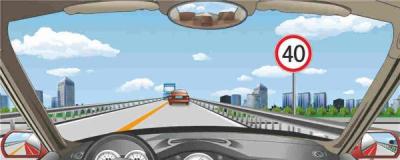
A、Speed up and pass rapidly
B、Keep the speed under 15 km/hour
C、Drive at the speed indicated by the traffic sign
D、Drive close to the central line of the flyover
Answer:C
45、When driving on an expressway, where should the driver park?
A、The service area
B、The acceleration lane
C、The deceleration lane
D、On the ramp
Answer:A
46、The sign on the left indicates U-turn is allowed here.
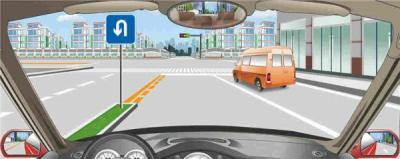
Answer:Y
47、When the engine suddenly stalls on the road and cannot be restarted, the driver should pull over in a timely fashion and identify the cause of the stalling.
Answer:Y
48、The motor vehicle may promptly overtake the vehicle in front from the left side in this situation.
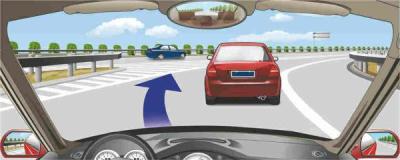
Answer:N
49、What should the motor vehicle driver do when the motor vehicle encounters the crosswalk in thissituation?
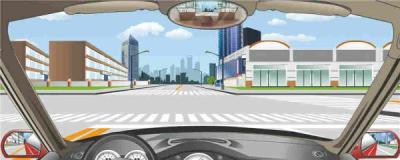
A、Slow down and pass
B、Speed up and pass
C、Sound the horn and pass
D、Stop immediately
Answer:A
50、When a motor vehicle catches fire, the driver should te to park the vehicle in an open place far away from urban areas, buildings, trees, other motor vehicles and flammable materials.
Answer:Y
- 广东驾考科目四英语版书 相关内容
- 海南2025科目一考试英文 四川驾考有英文版吗 云南驾考科目一英文版题库 外国驾照考试那些项目 吉林英文驾考科目4 外国人考科目一 英文 江西驾考科目四英语版书 北京英文驾考app 陕西英文驾考科目4 内蒙古只认识英文可以考科目一吗 安徽科目四考试英文版 河南科目一英文版在哪里找 浙江英文驾考app 陕西英文驾考科目四app 甘肃外国人考驾照英文模拟试题 西藏驾考科目一英文版题库
Copyright © 2025 驾考 版权所有